


Phytosaur Fossil Collection


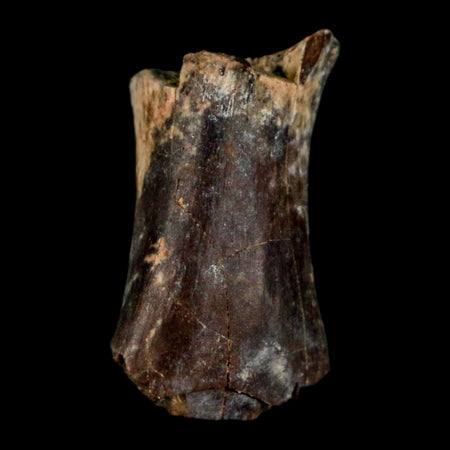
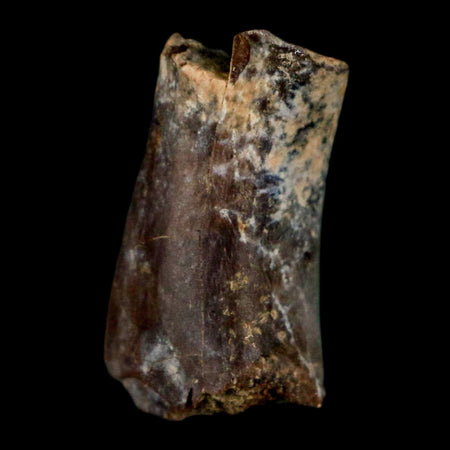
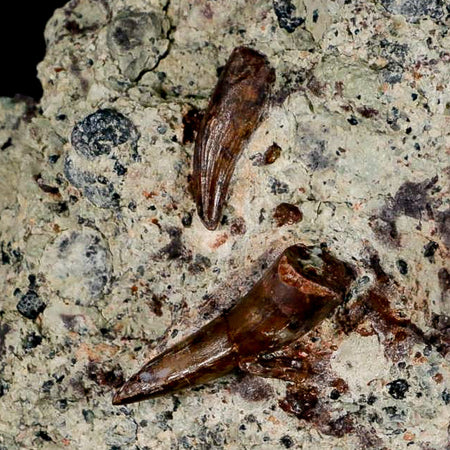
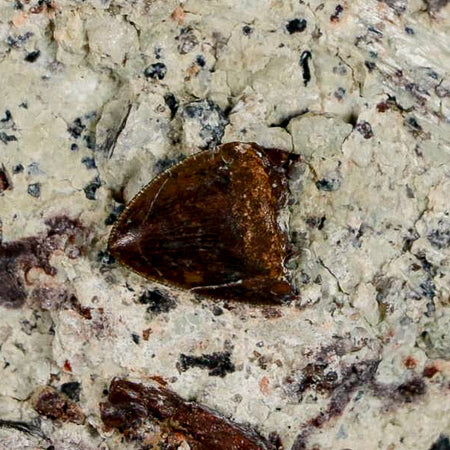
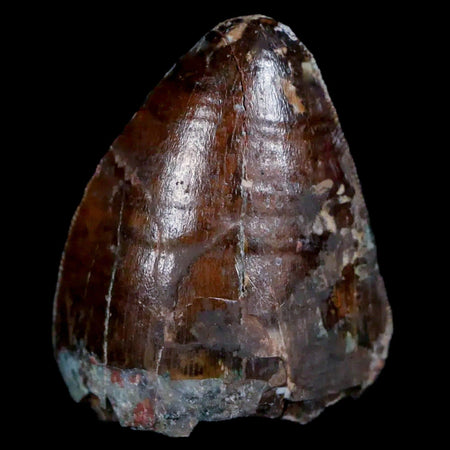
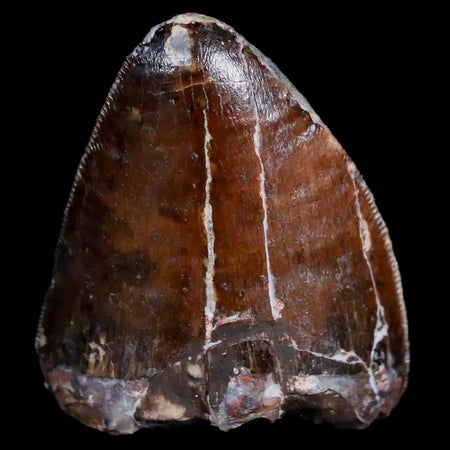
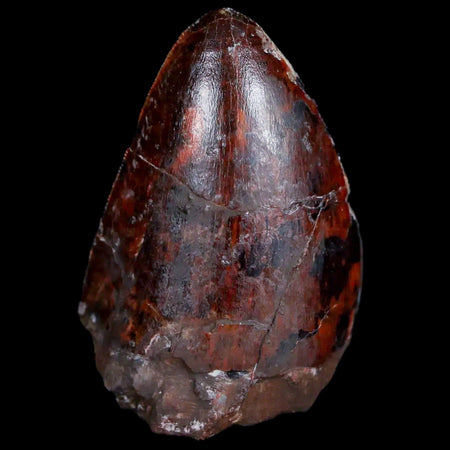
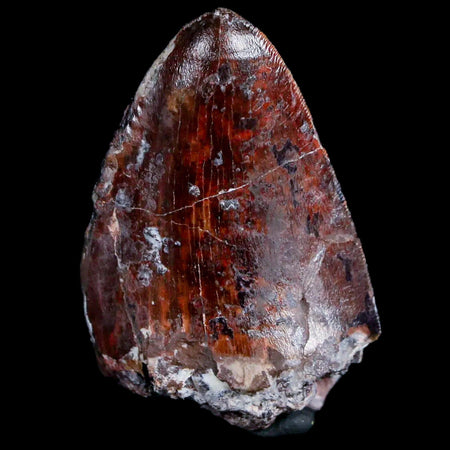
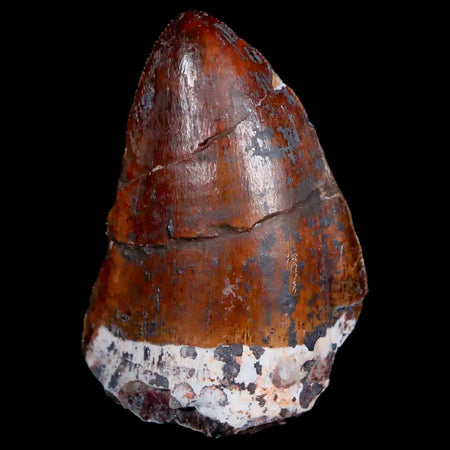
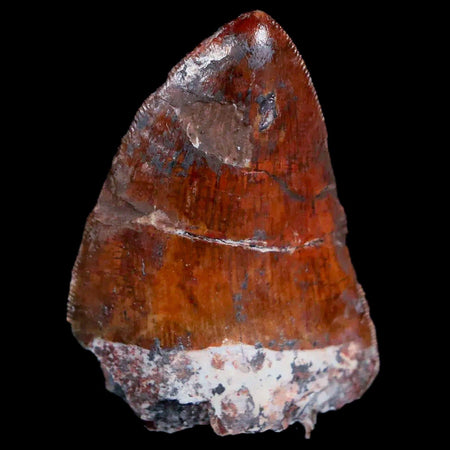
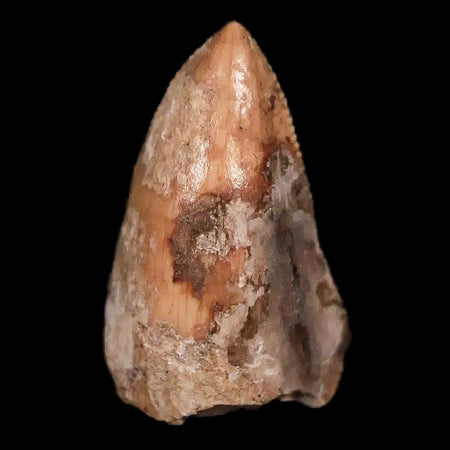
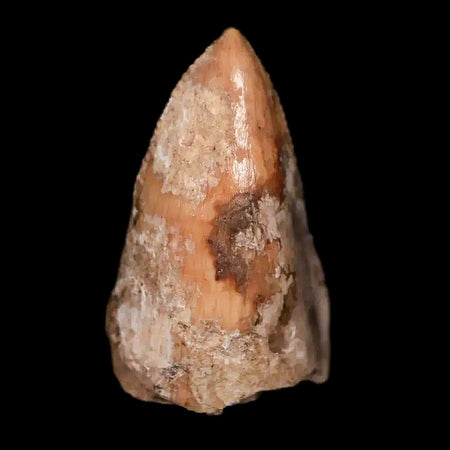
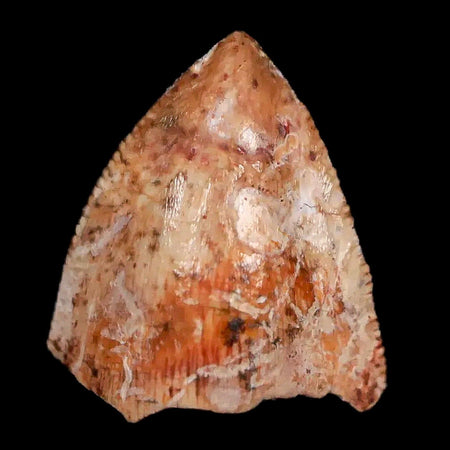
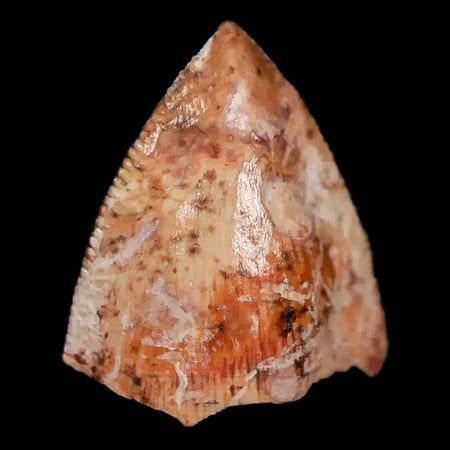
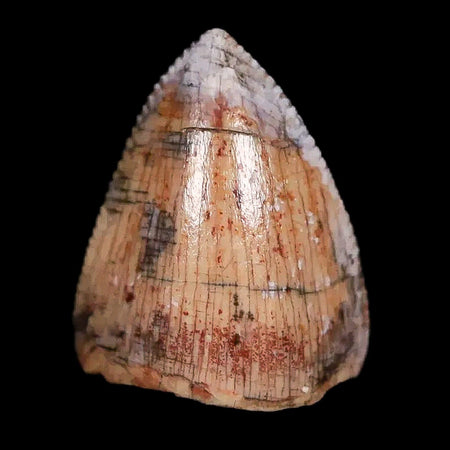
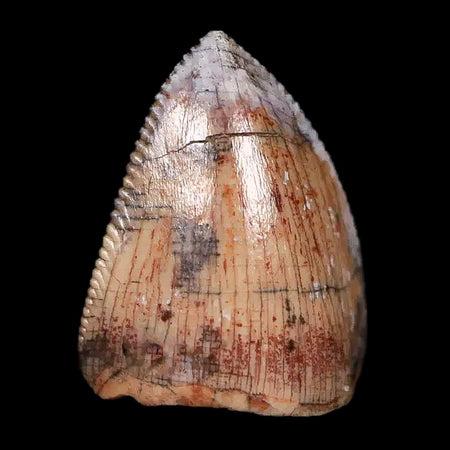
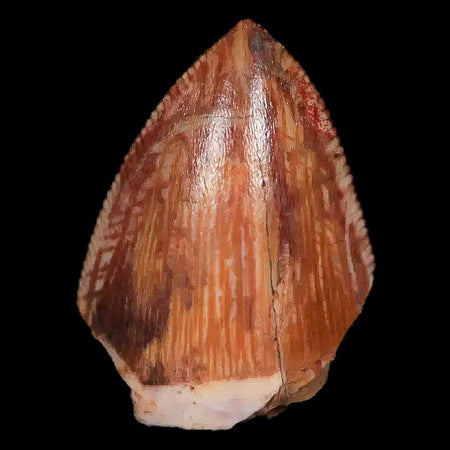
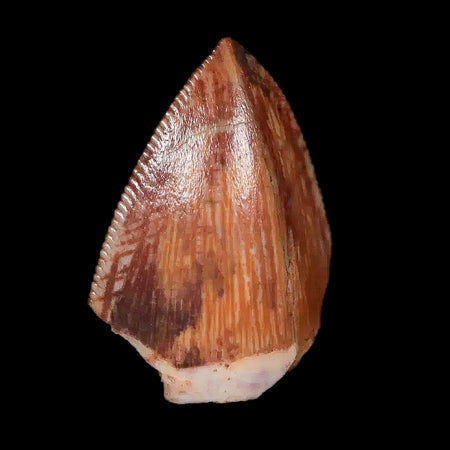
Phytosaur Fossil Collection
Phytosuaur is an armored semiaquatic reptile found in the Late Triassic Period around 200 to 229 million years ago. The name ‘phytosaur’ means ‘plant lizard’; they belong to the Phytosauria genus, which is often referred to as Parasuchians.
Pohytosaurs were long-snouted and heavily armoured, as they bore a remarkable resemblance to modern crocodilians in terms of size, appearance, and lifestyle.
The fossils of this dinosaur species have been recovered from North America, Europe, India, Morocco, Thailand, Brazil, Greenland, and Madagascar.
They had a different skull form and had a long, slender snout with many conical teeth that were homodant (same). Unlike most crocodilians, phytosaurs had tooth serrations.
This dinosaur species was first discovered by a Paleontologist named G. Jaeger in 1828. These dinosaurs walked on land and swam in water, which made them a semi-aquatic species.
They reached a maximum length of 35 feet. It was further sub-categorized into two species; one had a long snout and was referred to as (dolichorostral), and the other had a smaller snout and was referred to as (brachyrostal).