


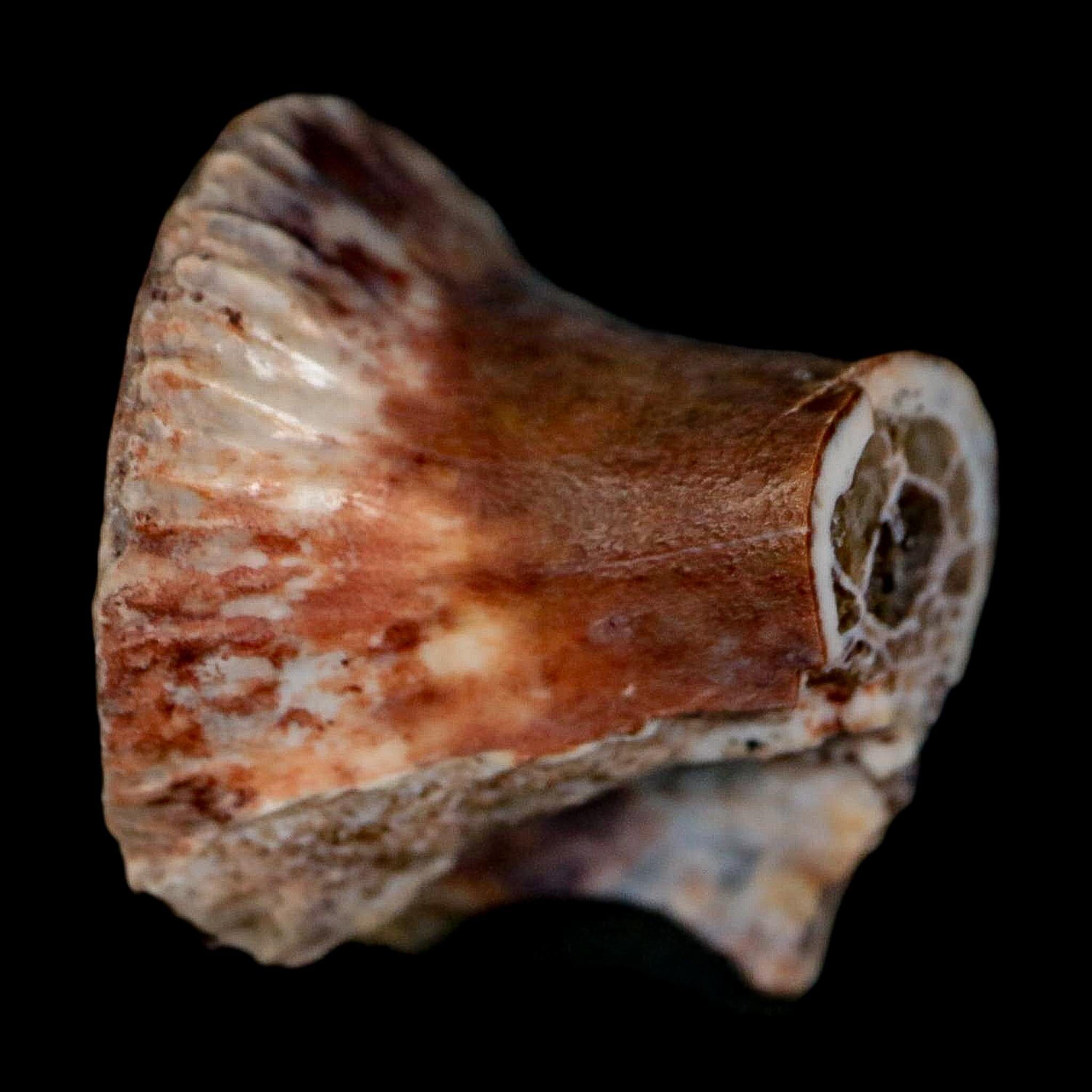


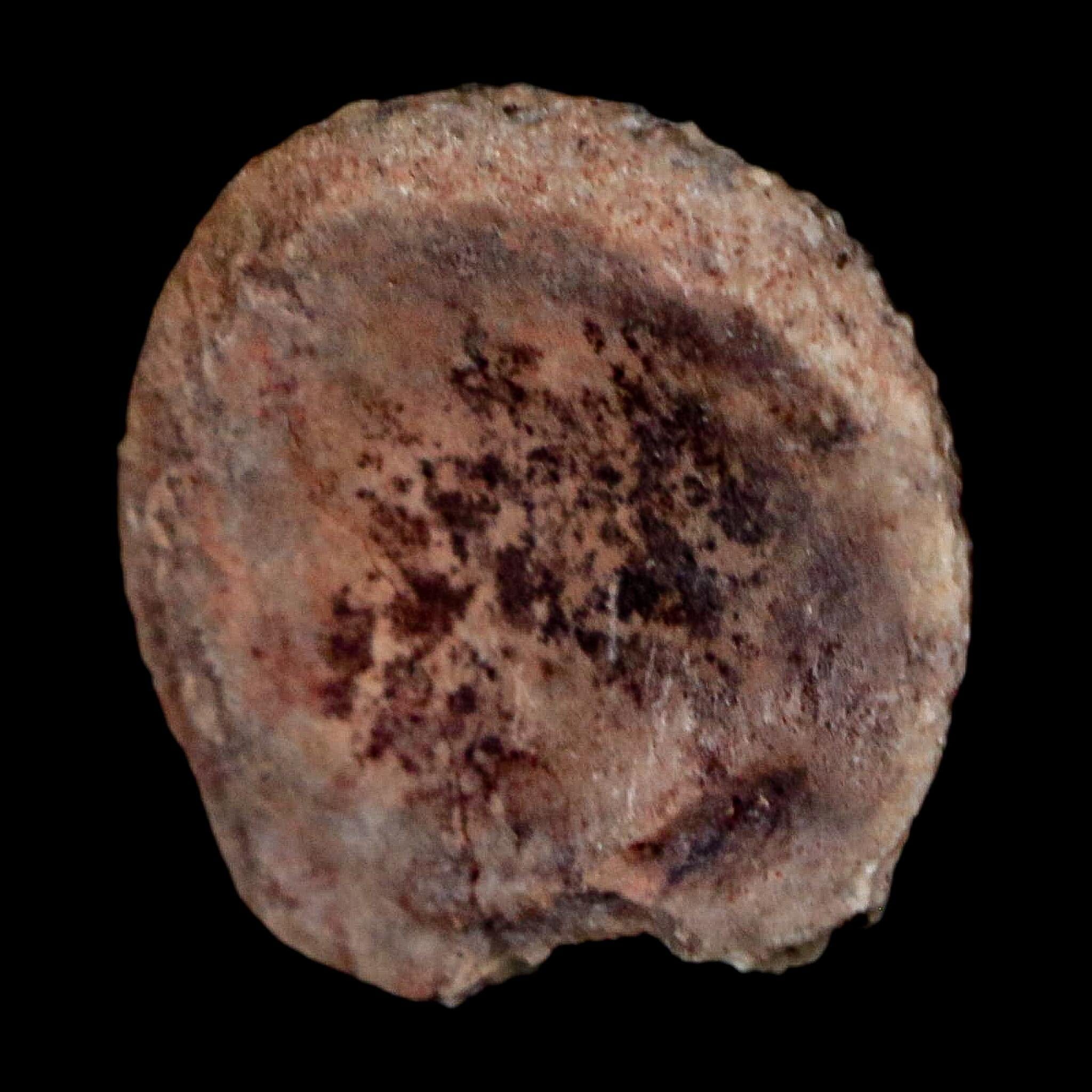


Description
Location: Redonda Formation, New Mexico (Private Land Origin)
Weight: 0.4 Ounces
Dimensions: 0.9 Inches Long, 0.8 Inches Wide, 0.7 Inches Thick
Comes with a Certificate of Authenticity.
The item pictured is the one you will receive.
Late Triassic 242 To 199 Million Years Old
Phytosaurs were dominant semi-aquatic predators of the Late Triassic, occupying rivers and lowland wetlands millions of years before true crocodiles appeared. Though they strongly resembled modern crocodiles in shape and behavior, phytosaurs were not crocodilians. Their crocodile-like appearance is a classic example of convergent evolution, where unrelated animals develop similar forms to fill the same ecological roles.
These reptiles belonged to an early branch of archosaurs known as crurotarsans, placing them closer to crocodiles than to dinosaurs or lizards, yet still outside the crocodile lineage itself. One key anatomical difference is the position of the nostrils, which were located near the eyes rather than at the tip of the snout. This feature suggests a lifestyle well adapted to ambush hunting in shallow water.
Despite their misleading name—phytosaur meaning “plant reptile”—these animals were carnivores. Their long jaws were armed with sharp, conical teeth designed for grasping slippery prey such as fish and small vertebrates. Some species grew to enormous sizes, rivaling the largest predators of their time.
A notable genus, Rutiodon, lived in what is now eastern North America and could reach lengths of up to eight meters. Heavily built and well armored, it would have been an apex predator in Triassic ecosystems. Phytosaurs disappeared by the end of the Triassic, but their body plan later re-emerged in true crocodilians, highlighting their lasting evolutionary significance.
