


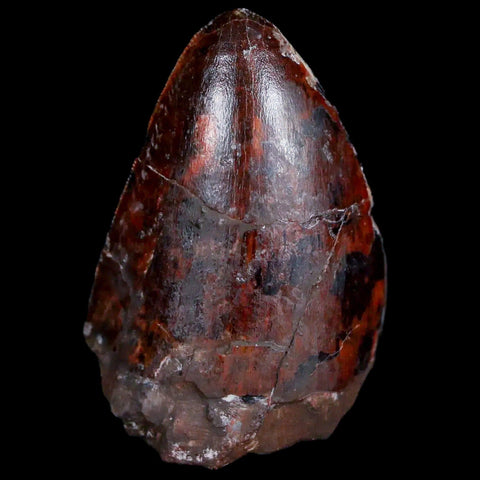
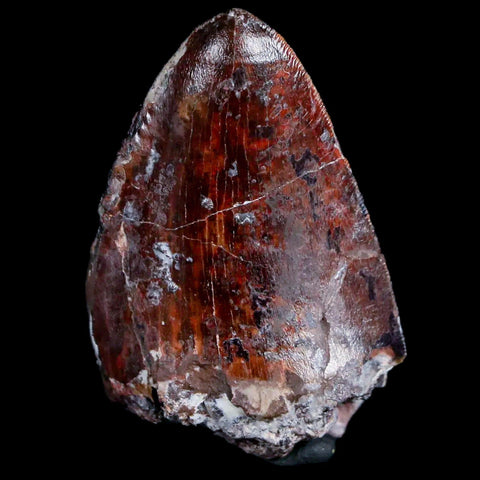
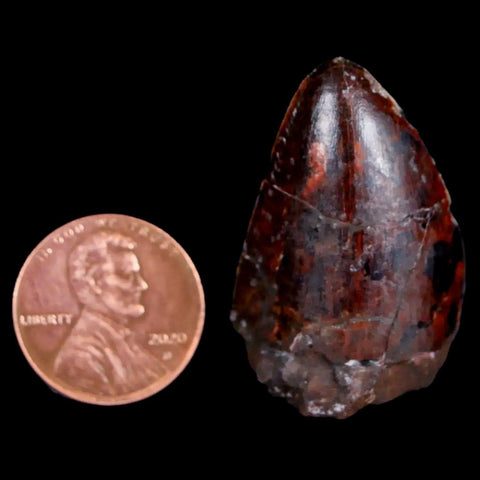
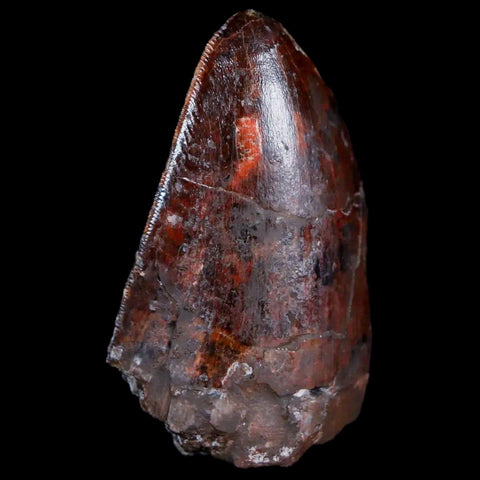
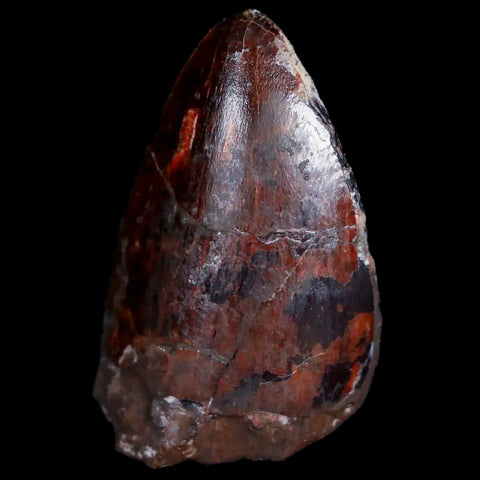
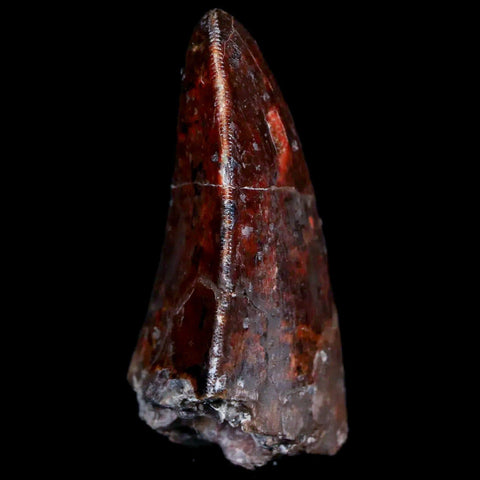
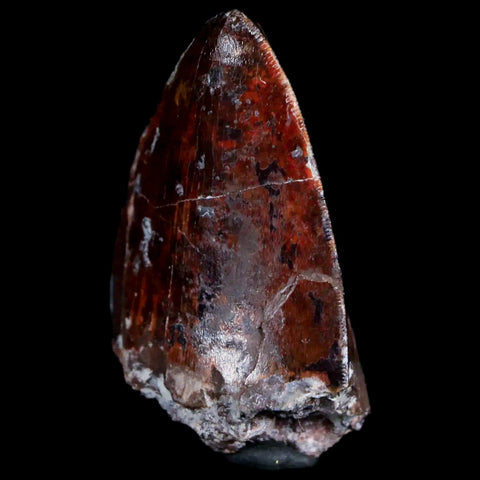
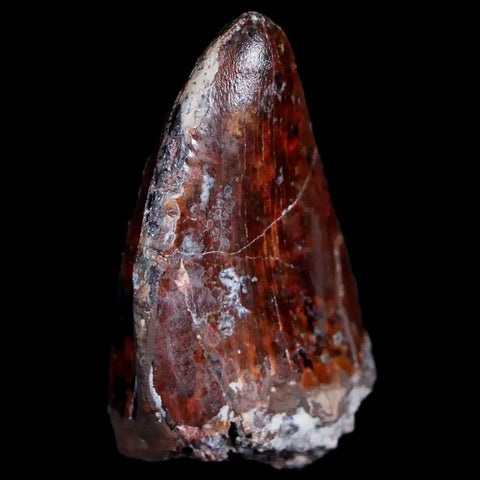
XL 1.3" Phytosaur Fossil Tooth Triassic Age Archosaur Redonda FM New Mexico COA
Location: Redonda Formation, New Mexico (Private Land Origin)
Weight: 0.4 Ounces
Dimensions: 1.3 Inches Long, 0.9 Inches Wide, 0.7 Inches Thick
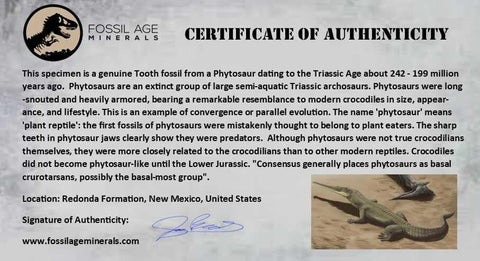
Comes with a Certificate of Authenticity.
The item pictured is the one you will receive.
This is a real fossil.
Late Triassic 242 To 199 Million Years Old
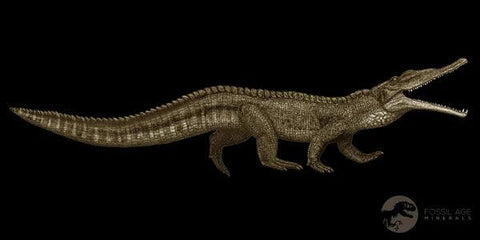
Phytosaurs were large, semi-aquatic archosaurs that lived during the Upper Triassic period. These prehistoric reptiles were long-snouted, heavily armored, and bore a striking resemblance to modern crocodiles in both appearance and lifestyle, making them a remarkable example of convergent evolution. Though they looked like crocodiles, phytosaurs were not true crocodilians; instead, they were early relatives within the archosaur lineage. Their name, meaning “plant reptile”, reflects an early misconception that they were herbivorous, but their sharp teeth confirm they were powerful predators of fish, amphibians, and small vertebrates.
Among the most notable phytosaurs is Rutiodon, an extinct genus of archosaur within the family Phytosauridae. Rutiodon lived during the Late Triassic and could reach lengths of 3 to 8 meters. Fossils of Rutiodon have been discovered in the eastern United States, illustrating its role as a dominant semi-aquatic predator in rivers, lakes, and wetlands. With a long snout, robust jaws, and armored body, Rutiodon was perfectly adapted for ambushing prey, securing its position as an apex predator of its environment.
The study of Rutiodon and other phytosaurs provides insight into the evolution of archosaurs, showing how traits like armored bodies and elongated snouts evolved independently in different lineages. These fossils are invaluable for museum collections, educational purposes, and paleontological research, offering a vivid glimpse into the diverse ecosystems of the Late Triassic.


