
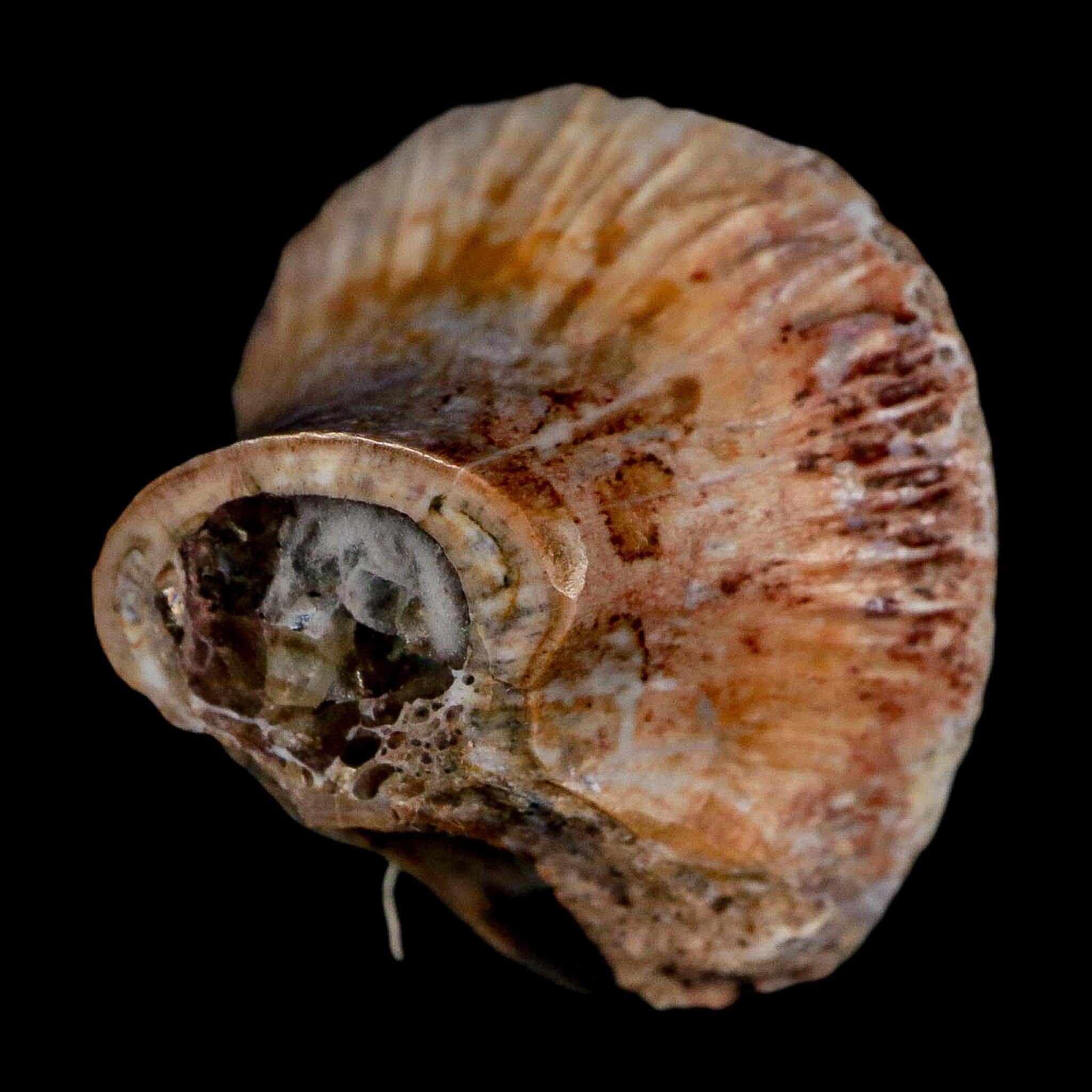

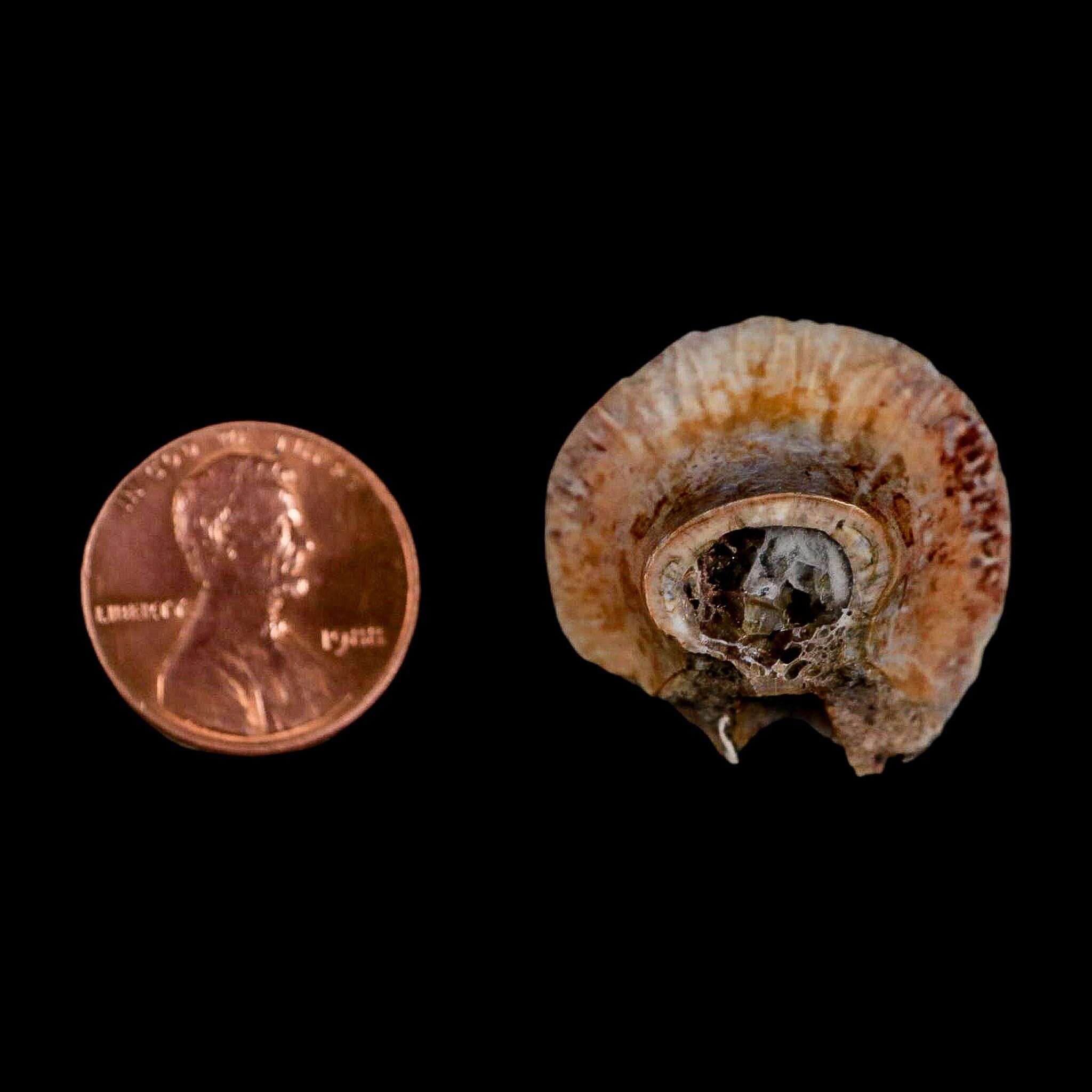


Description
Location: Redonda Formation, New Mexico (Private Land Origin)
Weight: 0.4 Ounces
Dimensions: 1 Inch Long, 1 Inch Wide, 0.6 Inches Thick
Comes with a Certificate of Authenticity.
The item pictured is the one you will receive.
Late Triassic 242 To 199 Million Years Old
Phytosaurs were an extinct group of semi-aquatic archosaurs that lived during the Late Triassic period. Often described as crocodile-like reptiles, phytosaurs are a classic example of convergent evolution, as they closely resembled modern crocodiles in body shape, armor, and lifestyle despite not being true crocodilians.
These prehistoric reptiles belonged to the archosaur lineage known as basal crurotarsans, making them more closely related to crocodilians than to dinosaurs or lizards. A distinguishing anatomical feature of phytosaurs is the position of their nostrils near the eyes, rather than at the tip of the snout, which helped them breathe while submerged.
Despite their misleading name—phytosaur, meaning “plant reptile”—phytosaurs were carnivorous predators. Their long jaws were lined with sharp conical teeth, adapted for capturing fish and small vertebrates in river and wetland environments. Many species were heavily armored with bony osteoderms, providing protection from rivals and prey.
One well-known genus, Rutiodon, lived in Late Triassic North America and reached lengths of 3 to 8 meters, making it one of the top predators of Triassic ecosystems. Phytosaurs went extinct at the end of the Triassic period, but their body plan later reappeared in true crocodiles, underscoring their importance in reptile evolution and prehistoric life studies.
