


Description
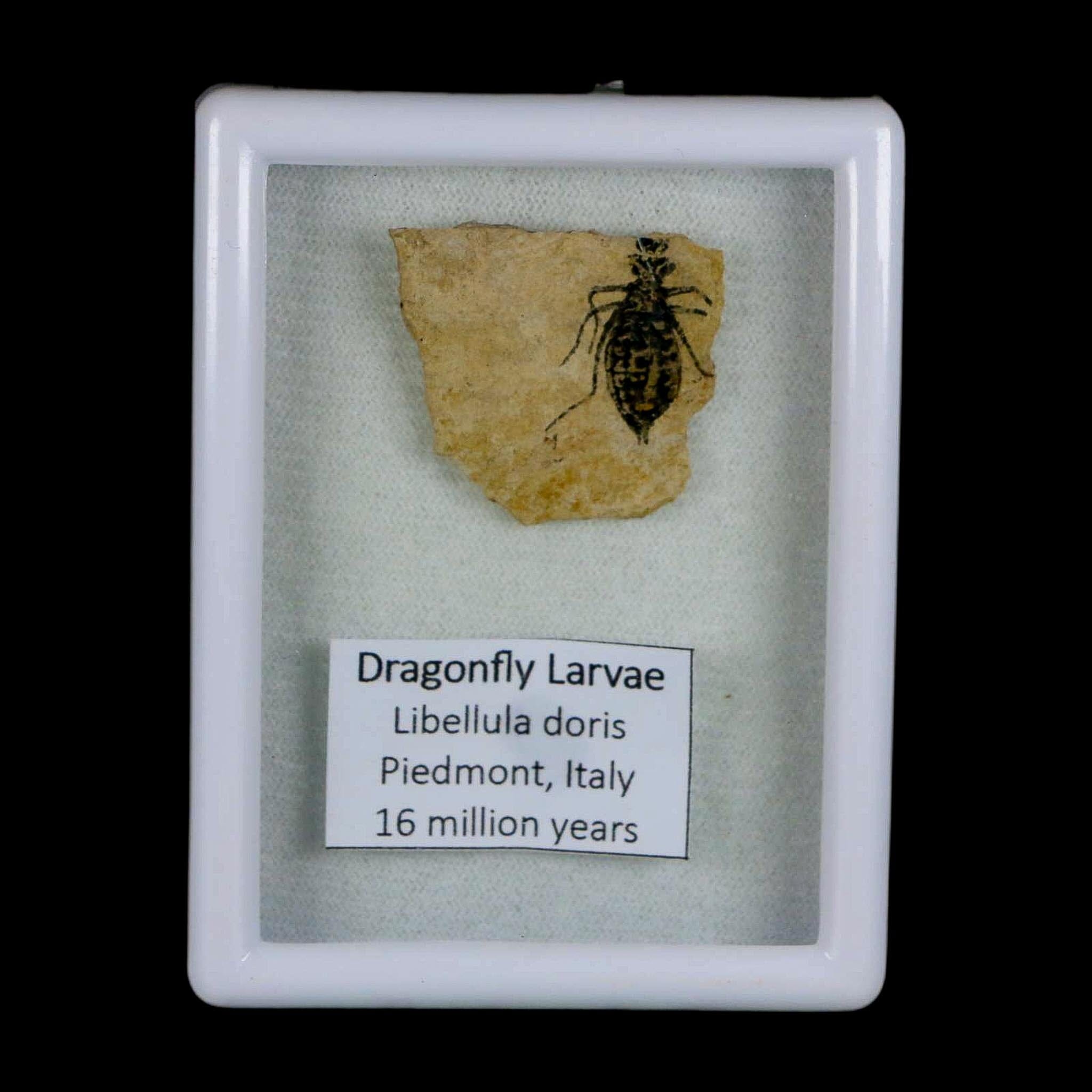
Location: Piemonte Area, Santa Vittoria d’Alba. Italy
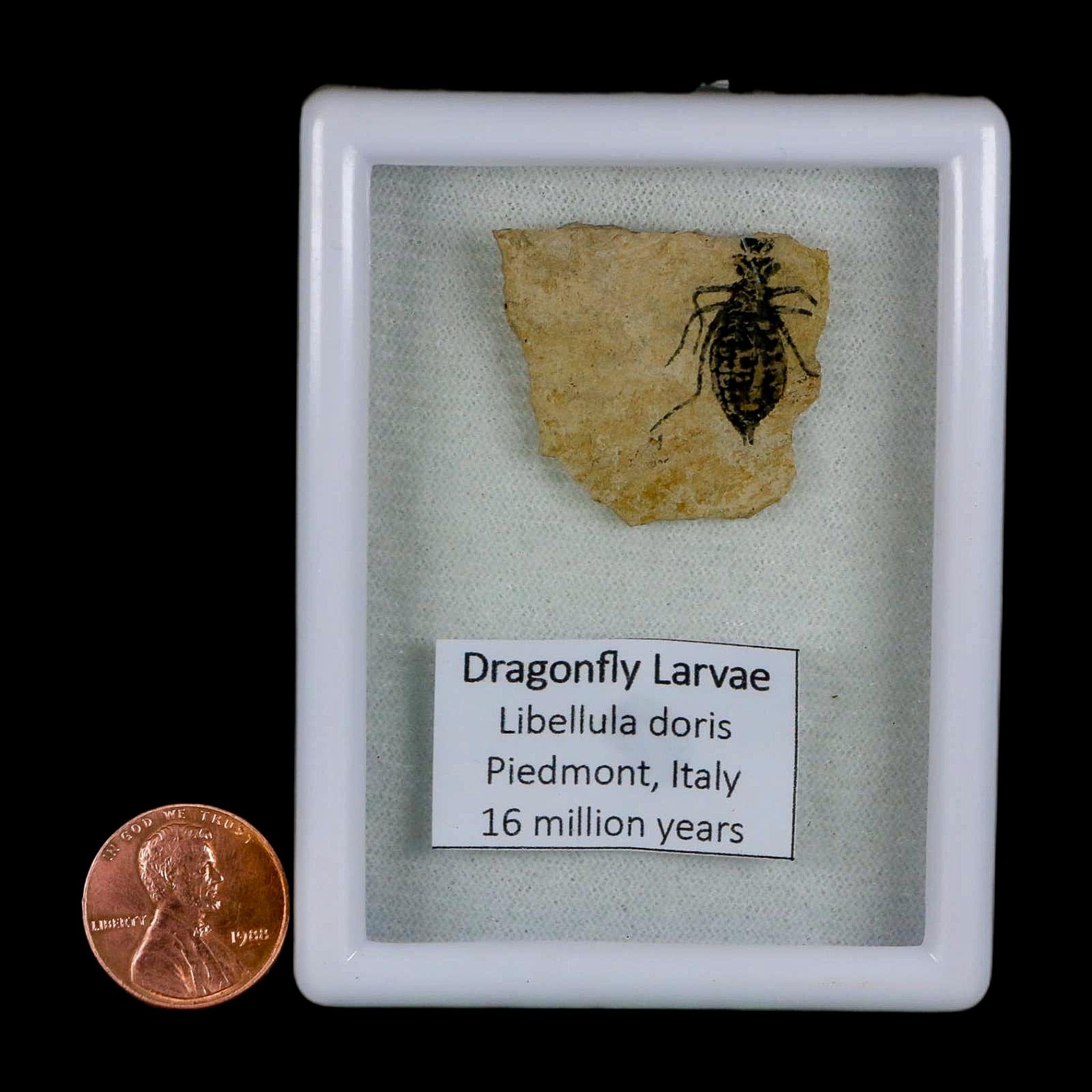
Weight: 1.6 Ounces With Display.
Dimensions: 3.2 Inches Long, 2.5 Inches Wide, 1 Inch Thick (Display)
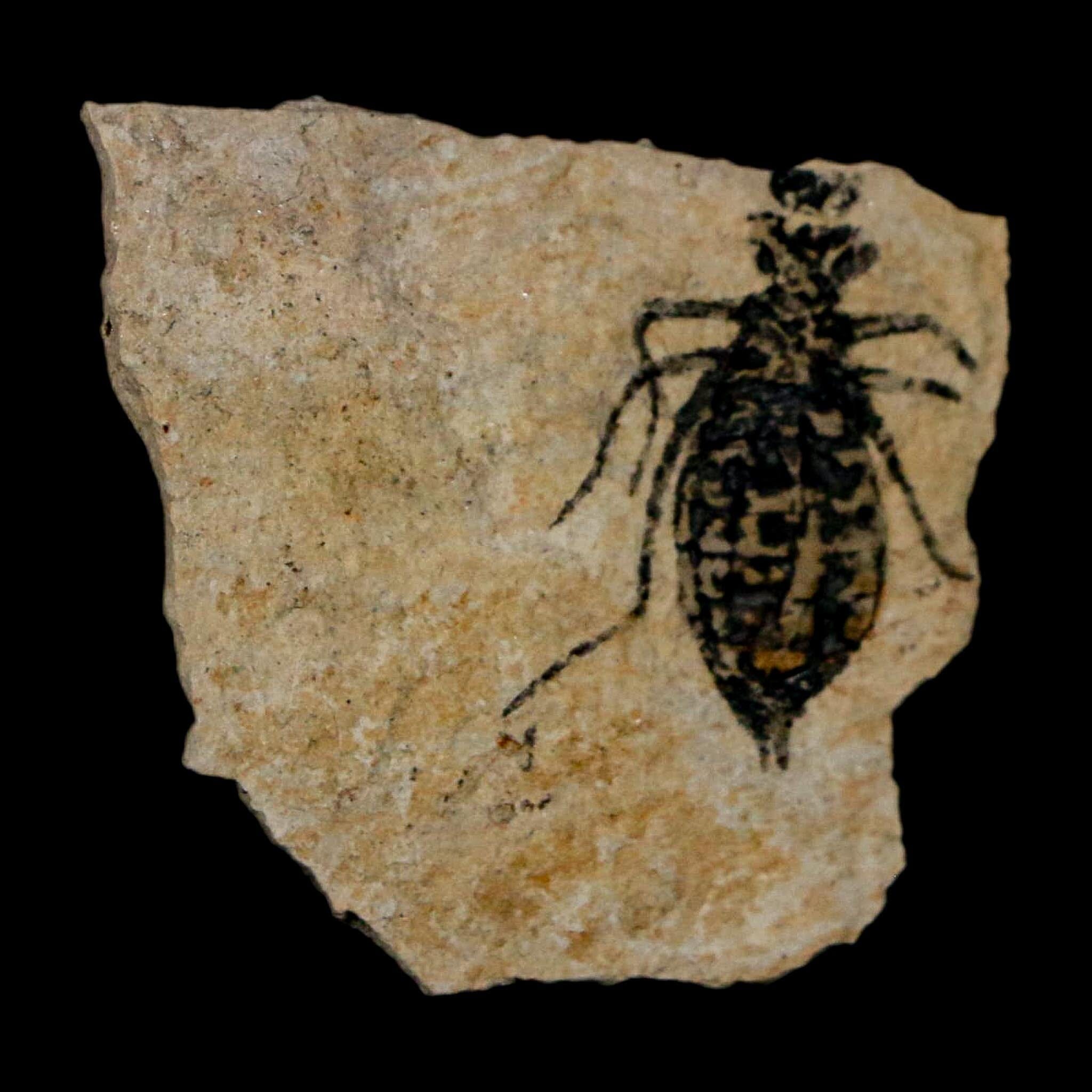
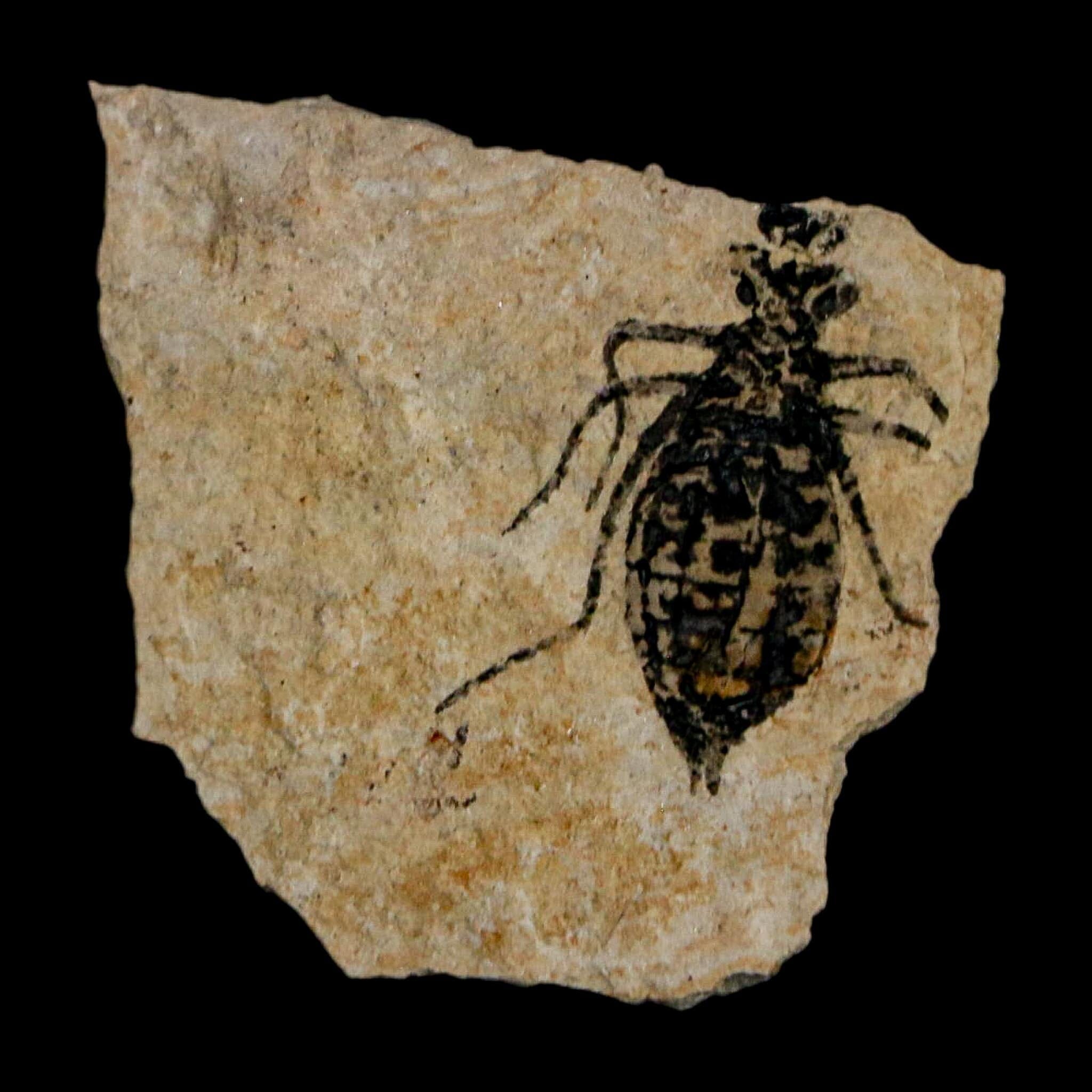
Dimensions: 1.2 Inches Long, 1.1 Inches Wide, 0.2 Inches Thick (Plate)
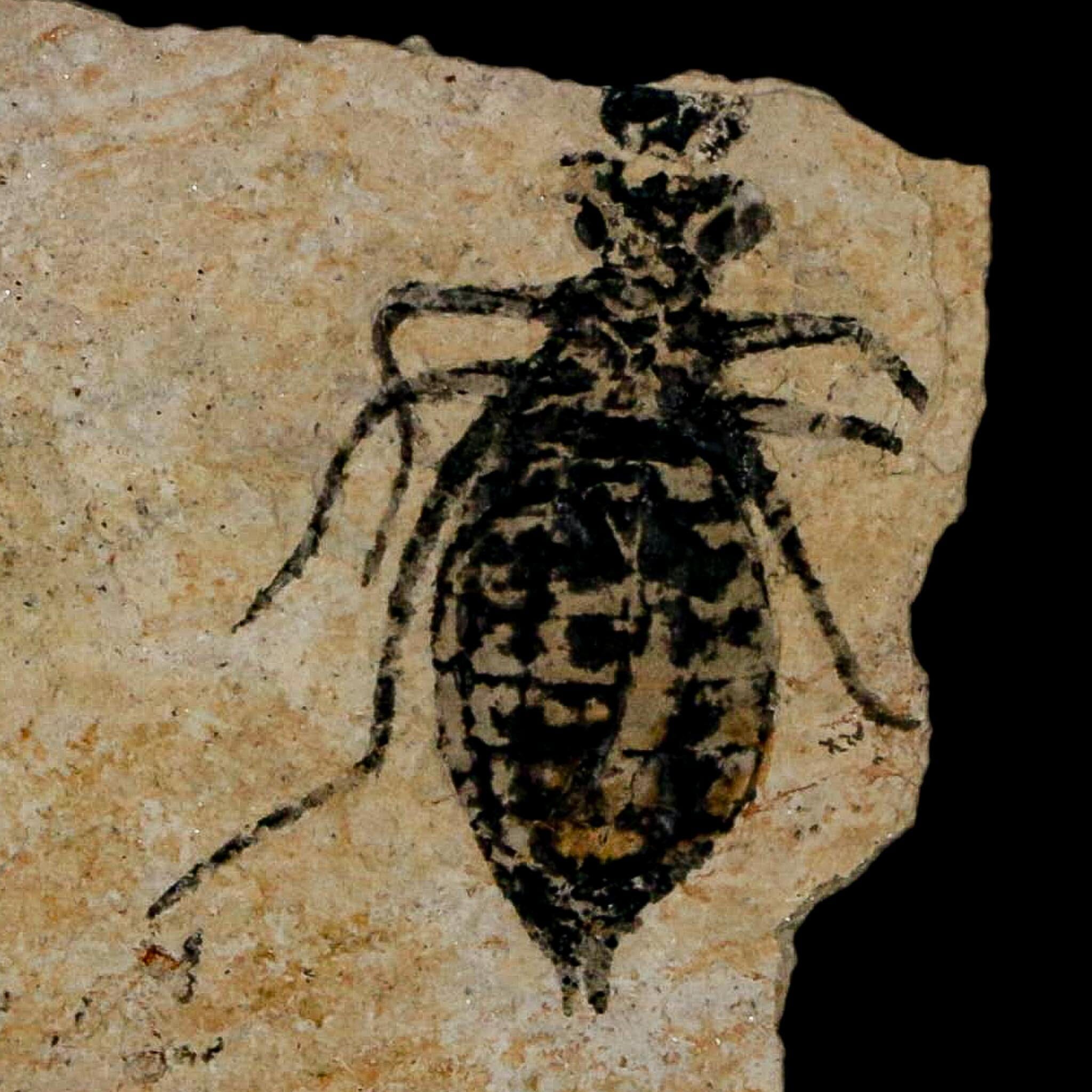
Insect Dimensions: 0.7 Inches Long, 0.6 Inches Wide
Comes with a Free White Display Box.
Comes with a Certificate of Authenticity.
The item pictured is the one you will receive.
Upper Miocene, 16 Million-Year-old
Fossil Dragonfly Larvae, Libellula Doris
This remarkable fossil plate was sourced from a trusted specialist with exclusive rights to a rare shale exposure in the Alpine foothills, where specimens are extracted with exceptional care. The fine-grained shale slab preserves three complete dragonfly fossils arranged in a naturally balanced and visually striking composition. The quality of preservation is outstanding, with delicate anatomical features clearly visible, offering both scientific interest and strong aesthetic impact.
The specimens belong to Libellula, a well-known genus of dragonflies commonly referred to as skimmers. These dragonflies are part of the order Odonata and the family Libellulidae, a group recognized for their robust build and distinctive wing structure, in which the hindwings are broader than the forewings. Their large compound eyes, elongated abdomens, and powerful wings are clearly evident in the fossil impressions.
Unlike damselflies, dragonflies typically rest with their wings extended horizontally away from the body, a key identifying characteristic. Despite possessing six legs, they are not adapted for walking and instead rely on exceptional aerial ability. Dragonflies rank among the most agile and fastest flying insects, capable of precise maneuvering and rapid directional changes.
Dragonflies are highly efficient predators, feeding on mosquitoes and a wide variety of flying insects, including flies, bees, ants, and wasps. They are most commonly associated with freshwater environments such as lakes, streams, marshes, and ponds, as their immature stages develop in water. Modern dragonflies are represented by thousands of species worldwide, reflecting the long evolutionary success of this group.
The life cycle of a dragonfly is dominated by its aquatic larval stage, known as a naiad. These larvae are equipped with extendable grasping mouthparts used to capture prey ranging from small invertebrates to tadpoles and small fish. They respire through internal gills and can propel themselves through the water by forcefully expelling it, a form of jet propulsion. Depending on the species, the larval stage can last from several months to multiple years.
When ready to transform, the naiad emerges from the water and climbs onto vegetation or other surfaces. The adult dragonfly then emerges from the larval skin, expands and hardens its wings, and soon takes flight. Adult dragonflies are capable of hovering, gliding, and flying in virtually any direction, making them among the most versatile fliers in the insect world. The adult lifespan may extend for several months, completing one of the most fascinating life cycles in the insect kingdom.
