
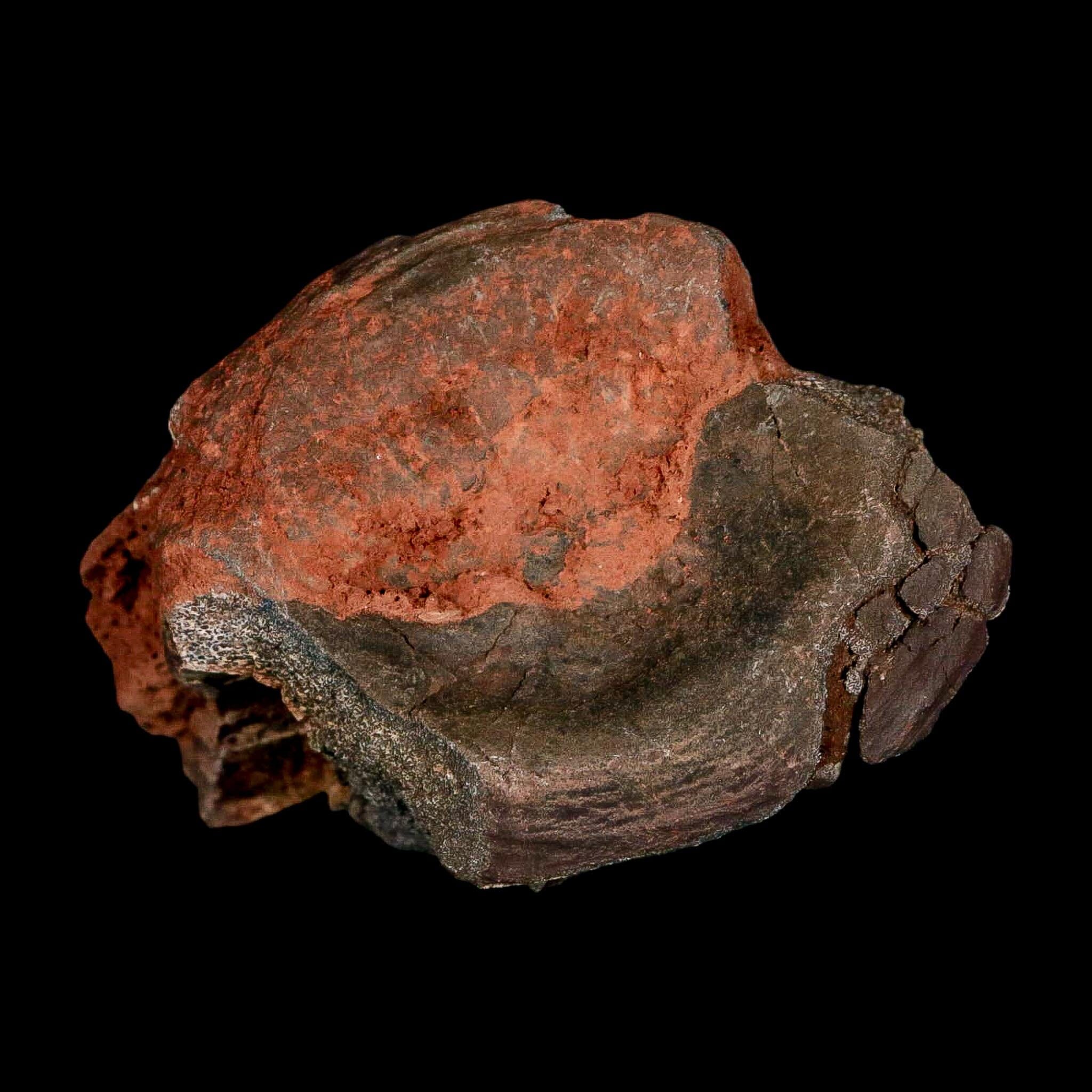

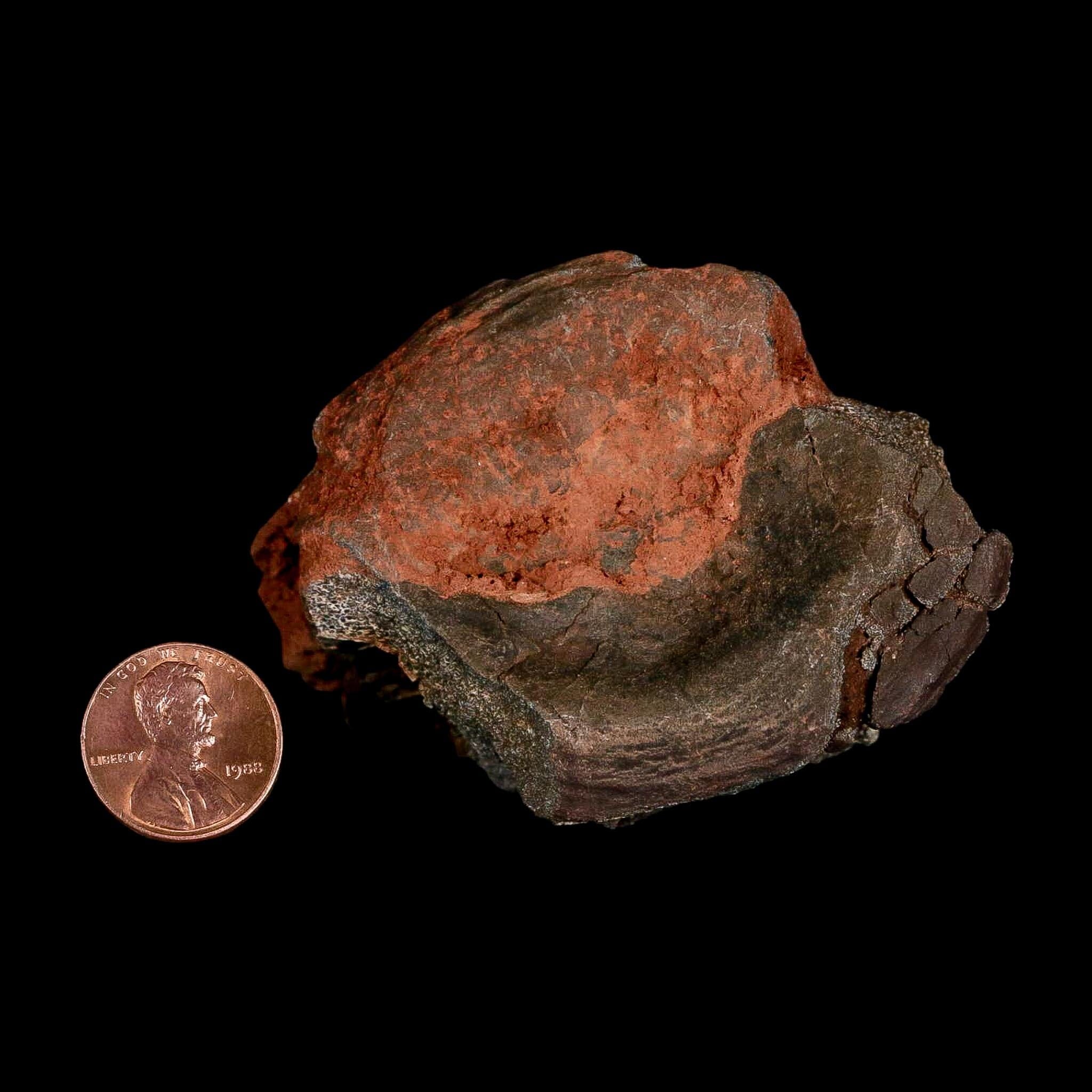

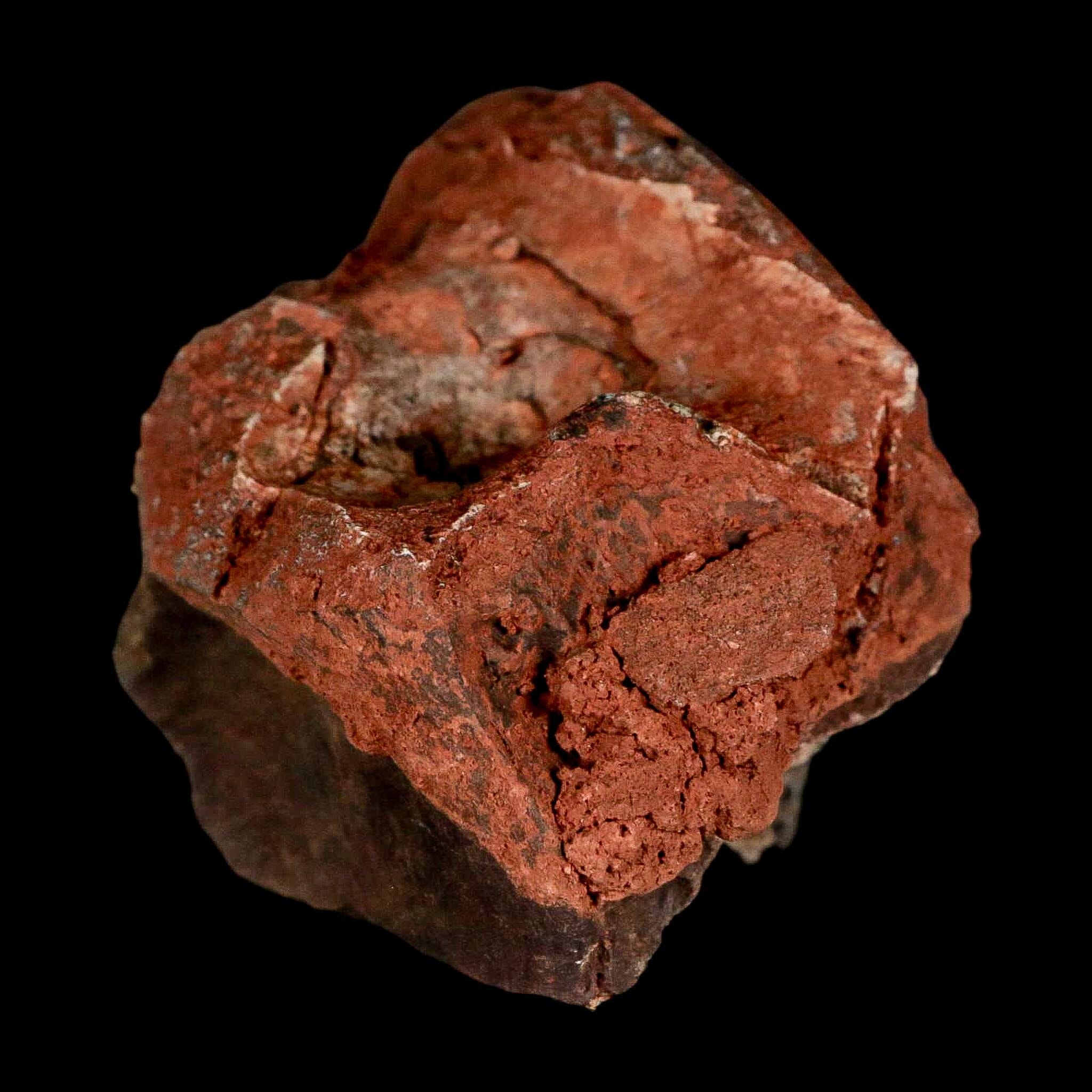


Description
Location: Redonda Formation, New Mexico (Private Land Origin)
Weight: 6.5 Ounces
Dimensions: 3 Inches Long, 2.1 Inches Wide, 1.8 Inches Thick
Comes with a Certificate of Authenticity.
The item pictured is the one you will receive.
Late Triassic 242 To 199 Million Years Old
Phytosaurs were formidable, semi-aquatic reptiles that dominated rivers and wetlands during the Late Triassic period, more than 200 million years ago. Although they lived long before true crocodiles evolved, phytosaurs closely resembled them in both appearance and behavior. With elongated snouts, powerful tails, and bodies protected by heavy bony armor, they occupied a similar ecological role as modern crocodilians, an example of convergent evolution—where unrelated animals independently evolve similar traits.
Despite their crocodile-like appearance, phytosaurs were not true crocodilians. Instead, they belonged to an early branch of archosaurs and are considered among the most basal crurotarsans, representing an ancient lineage near the root of the crocodile family tree. True crocodiles would not develop a similar body plan until the Early Jurassic, millions of years after phytosaurs had already flourished.
The name Phytosaur, meaning “plant reptile,” arose from an early misunderstanding. Initial fossil discoveries led scientists to believe these animals were herbivorous, but later finds revealed jaws lined with sharp, conical teeth—clear evidence of an active predatory lifestyle. Phytosaurs likely hunted fish and other animals along riverbanks, ambushing prey in a manner much like modern crocodiles.
One well-known genus, Rutiodon, lived during the Late Triassic and is known from fossil remains found in the eastern regions of North America. Rutiodon was a large animal, ranging from 3 to 8 meters in length, making it one of the dominant predators in its environment. Its powerful build and elongated snout suggest it was well adapted for life in freshwater systems.
Phytosaurs ultimately disappeared during the end-Triassic extinction event, but their fossil record provides important insight into early archosaur evolution. Their success illustrates how effective the crocodile-like body plan has been throughout Earth’s history, appearing independently in different lineages across millions of years.
