


Description
Location: Hukawng Valley in Northern Burma
Weight: 0.1 Ounces - 0.62 Grams
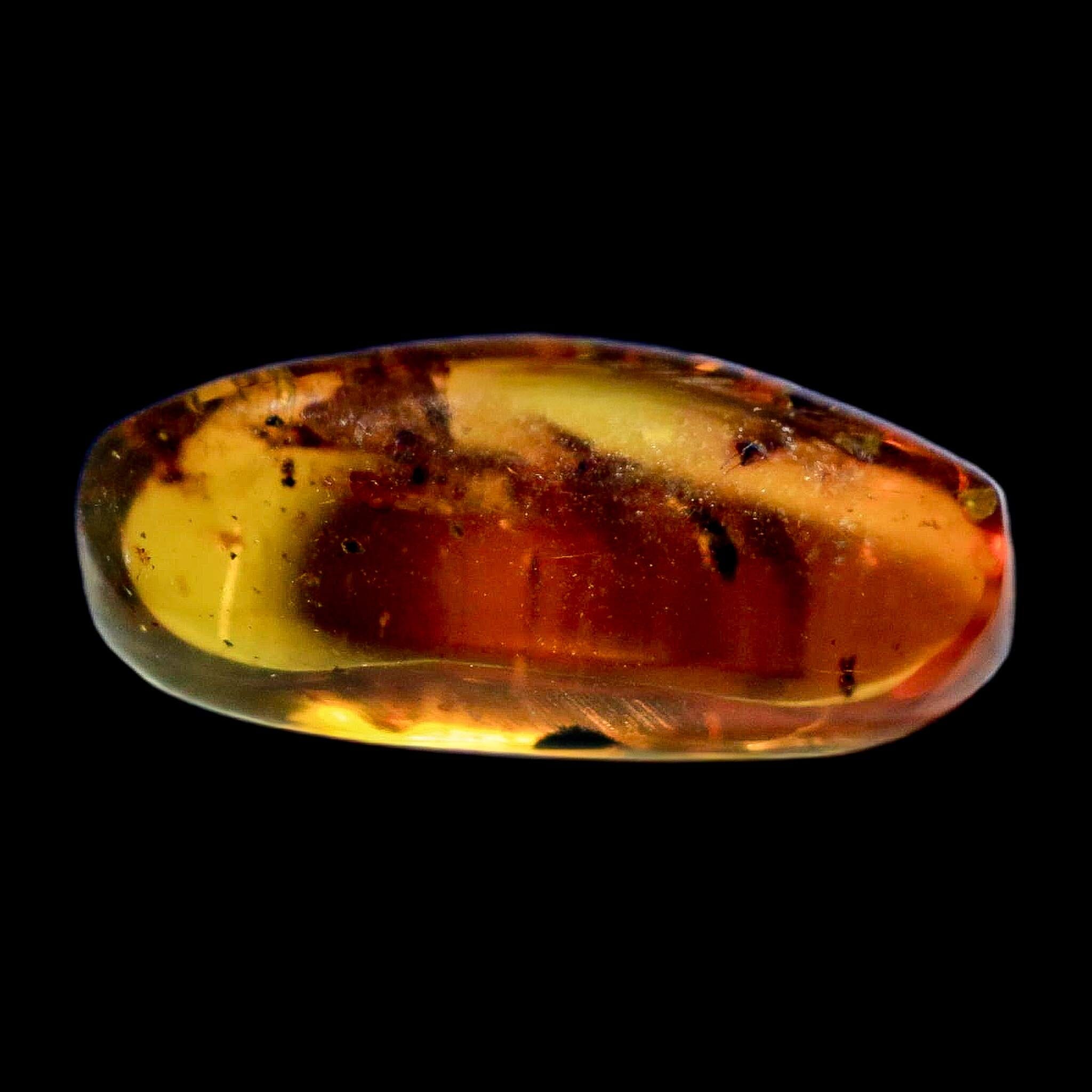
Dimensions: 0.7 Inches Long, 0.4 Inches Wide, 0.3 Inches Thick
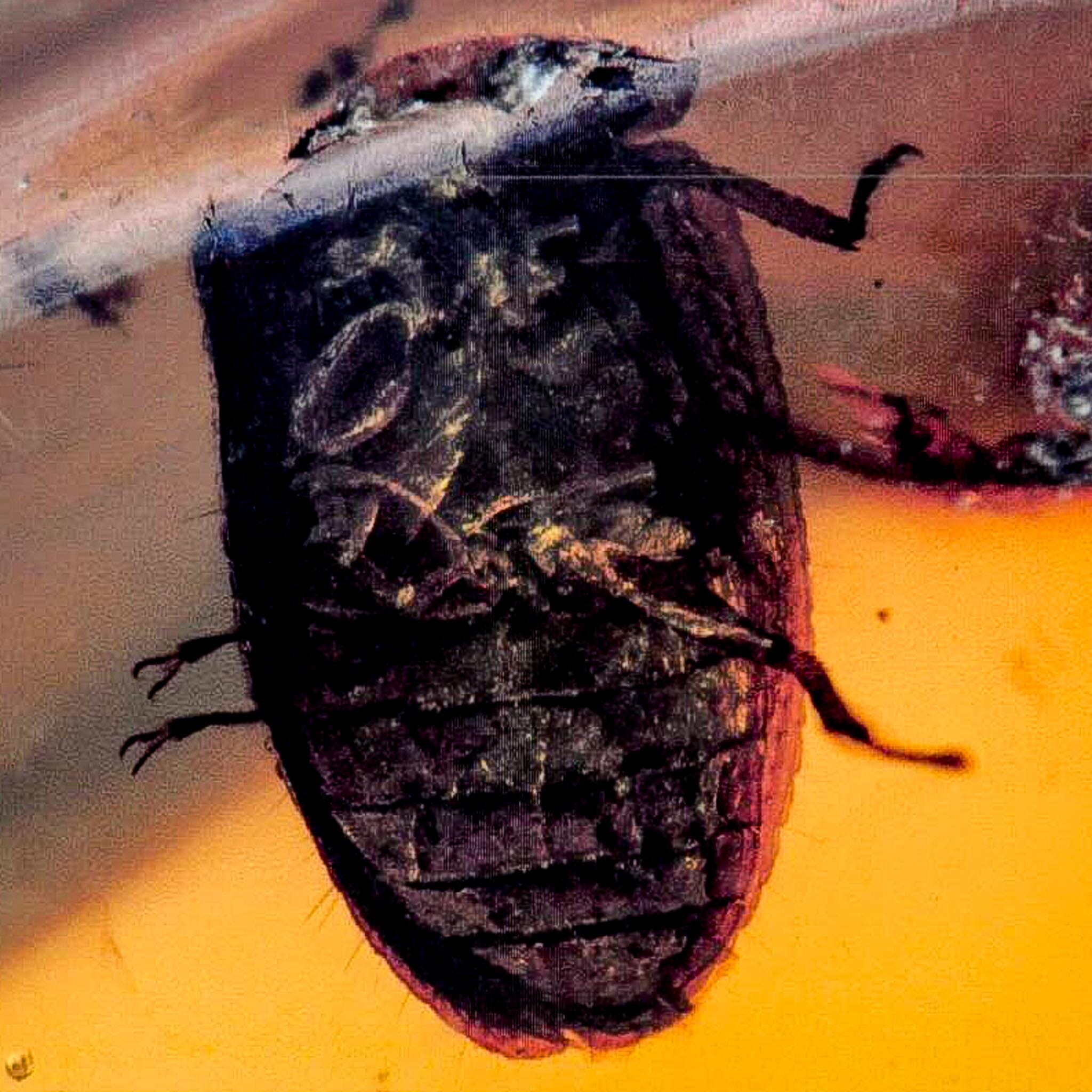
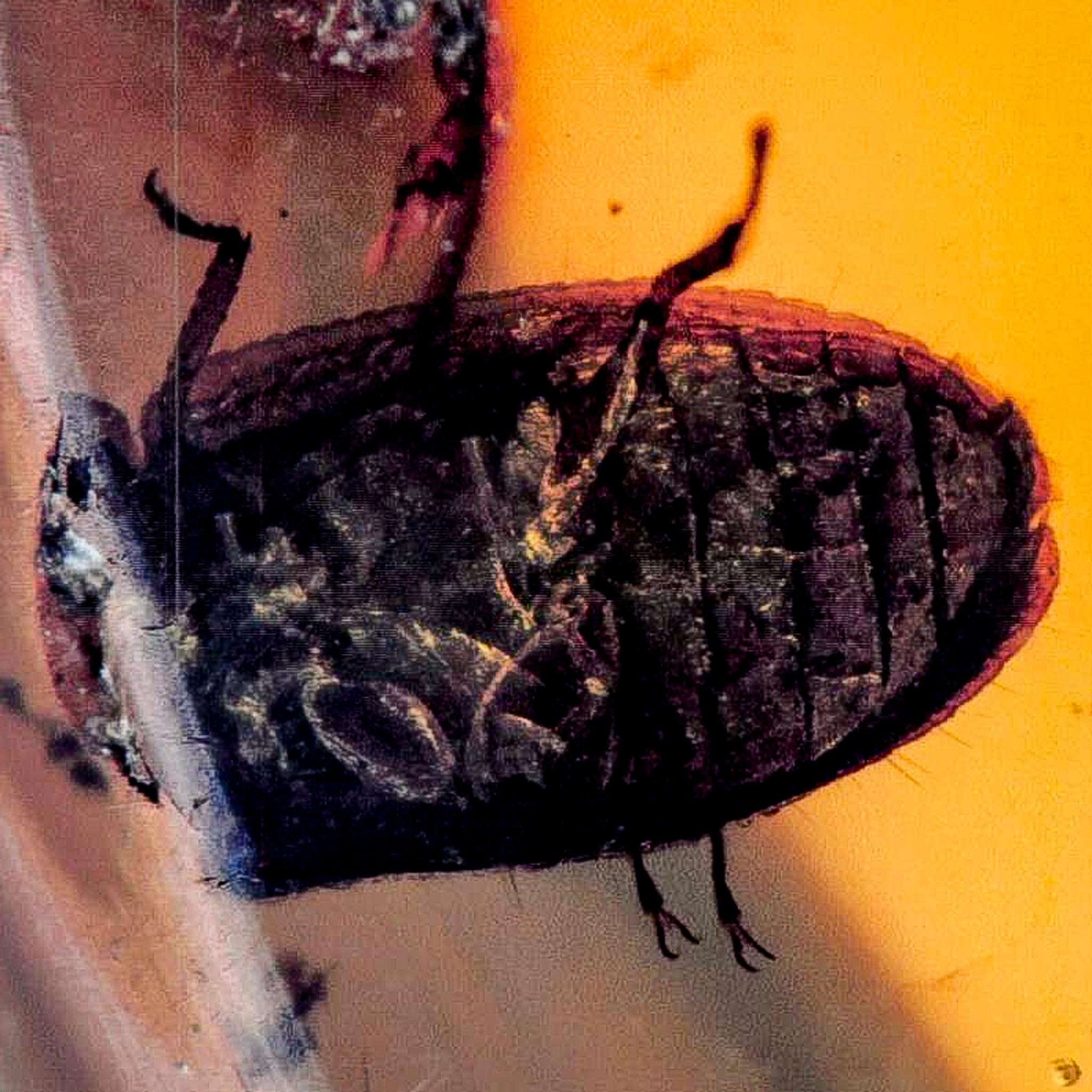
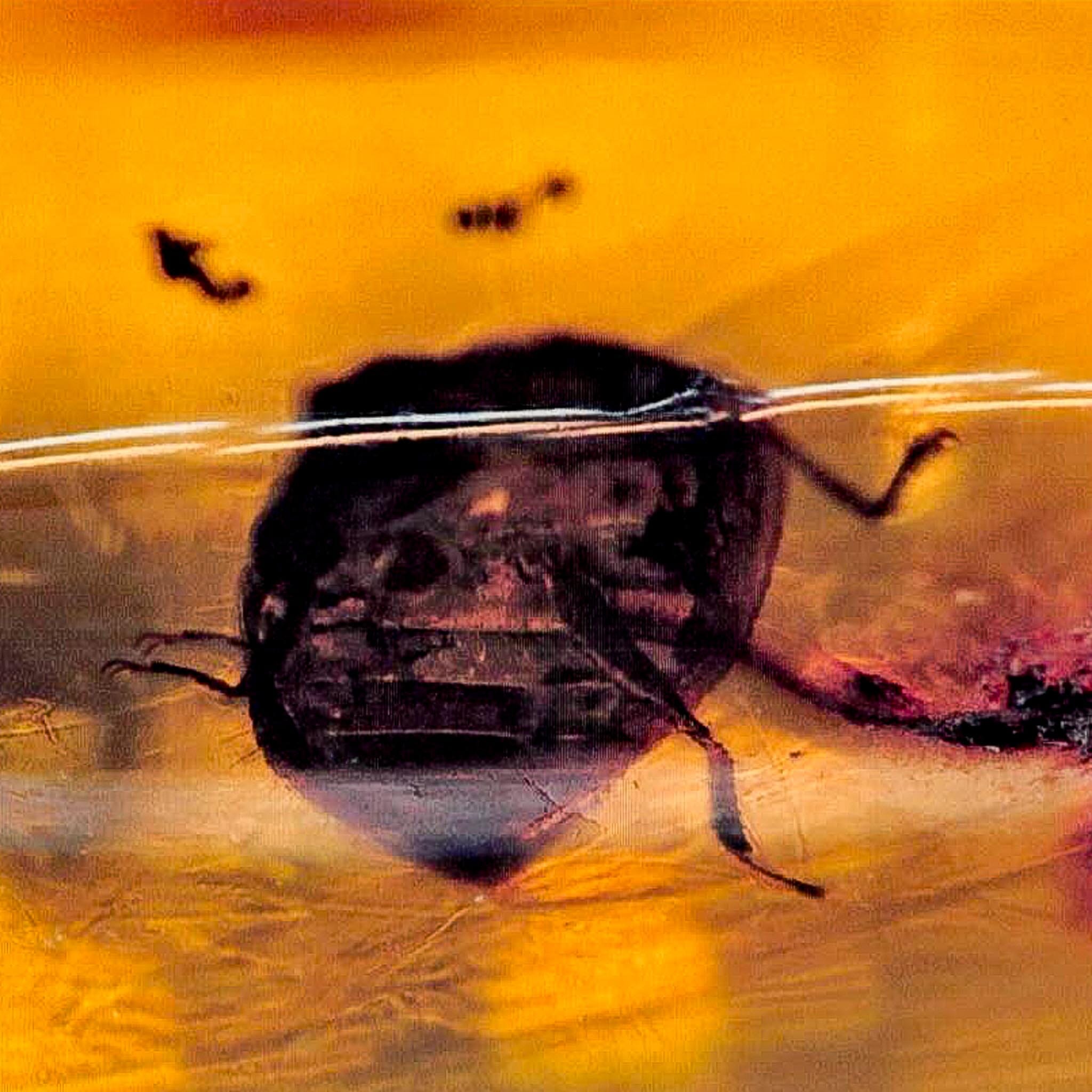
This piece of Amber contains insects, Plants, and other particles.
The item pictured is the one you will receive.
Cretaceous Age (66-145 million years ago)
Burmese amber, also known as Burmite or Kachin amber, is a unique and ancient fossil resin formed roughly 99 million years ago during the early Cenomanian stage of the Late Cretaceous. Sourced from northern Myanmar’s Hukawng Valley, this amber is the fossilized resin of conifer trees that hardened under natural geological pressure over millions of years.
Burmese amber is renowned for its inclusions, which can preserve insects, arachnids, plant matter, and small vertebrates with astonishing clarity. These fossils provide an unparalleled glimpse into Cretaceous ecosystems, offering insights into biodiversity, evolution, and ancient ecological relationships. Burmese amber has been instrumental in major scientific discoveries, including feathered dinosaur remains, ancient microbes, and previously unknown species of insects.
Collectors prize Burmese amber for its translucent golden to reddish-brown hues and occasional high-quality polish. Its historical use in jewelry, carvings, and amulets highlights its cultural and artistic significance. Burmese amber bridges science, history, and art, making it a gemstone of extraordinary rarity, beauty, and educational value.