Collections
- Ammonite Collection (70) +
- Clearance Collection (70)
- Crustacean Collection (53) +
-
Dinosaur Collection (670)
+
- Abelisaur Fossils (18)
- Albertosaurus Fossils (9)
- Allosaurus Fossils (4)
- Ankylosaurus Fossils (7)
- Brachylophosaurus Fossils (17)
- Camarasaurus Fossils (12)
- Carcharodontosaurus (26)
- Centrosaurus Fossils (3)
- Chasmosaurus Fossils (5)
- Coprolite Fossils (25)
- Corythosaur Fossils (15)
- Daspletosaurus Fossils (10)
- Dinosaur Egg Shell (12)
- Dinosaur Gem Bone (8)
- Diplodocus Fossils (2)
- Edmontosaurus Fossils (43)
- Elasmosaurus Fossils (59)
- Eocarcharia Dinops Fossils (3)
- Eremiasaurus Fossils (1)
- Footprint Fossils (6)
- Gastrolith Fossils (21)
- Globidens Fossils (2)
- Gorgosaurus Fossils (12)
- Gryposaurus Fossils (6)
- Hadrosaurus Fossils (66)
- Halisaurus Fossils (11)
- Hoffmanni Fossils (0)
- Hypacrosaurus Fossils (44)
- Kryptops Palaios Fossils (6)
- Lambeosaurus Fossils (11)
- Maiasaura Fossils (15)
- Majungasaurus Fossils (10)
- Misc Fossils (6)
- Mosasaurus Fossils (95)
- Nanotyrannus Fossils (10)
- Pachycephalosaurus Fossils (7)
- Platecarpus Fossils (1)
- Plesiosaurus Fossils (60)
- Prognathodon Fossils (43)
- Pterosaur Fossil (29)
- Raptor Fossils (21)
- Rebbachisaurus Fossils (0)
- Spinosaurus Fossils (46)
- Stegosaurus Fossils (10)
- Struthiomimus Fossils (2)
- Suchomimus Fossils (25)
- Tenontosaurus Fossils (3)
- Thescelosaurus Fossils (5)
- Triceratops Fossils (44)
- Torosaurus Fossils (7)
- Tyrannosaur Fossils (69)
- Tyrannosaurus Rex Fossils (23)
- Echinoderm Collection (85) +
- Eurypterid Collection (6)
-
Fish Fossil Collection (205)
+
- Ctenothrissa Fish (0)
- Diplomystus Dentatus (32)
- Enchodus Libycus Fish (22)
- Eutrichiurides Fossil (2)
- Goulmima Fossil Fish (2)
- Hemisaurida Fish (3)
- Knightia Fish (37)
- Mako Shark (9)
- Megalodon Teeth (40)
- Onchopristis Numidus (12)
- Otodus Shark (24)
- Pachyrhizodus Fish (3)
- Phacodus Punctatus (5)
- Schizorhiza Stomeri Fish (0)
- Xiphactinus Fish (9)
-
Fossil Collection (1855)
+
- Ammonite Fossils (70)
- Brachiopod Fossils (14)
- Bryozoan Fossils (5)
- Cephalopod Fossils (79)
- Coral Fossils (113)
- Crustacean Fossils (53)
- Dinosaur Fossils (670)
- Echinoderm Fossils (85)
- Fish Fossils (205)
- Gastropod Fossils (35)
- Mammal Fossils (202)
- Mollusks Fossils (43)
- Plant Fossils (172)
- Reptile Fossils (271)
- Trilobite Fossil (100)
- Insect Fossil Collection (83) +
-
Mammal Collection (202)
+
- Basilsosaurus Fossils (31)
- Bird Fossils (16)
- Brontothere Fossils (20)
- Cave Bear Fossils (24)
- Coryphodon Fossils (3)
- Deinotherium Giganteum (4)
- Glyptodon Fossils (27)
- Hyracodon Nebrascensis (12)
- Mammoth Fossils (14)
- Leptomeryx Evansi (12)
- Mesohippus Fossils (2)
- Oreodont Fossils (7)
- Palaeolagus Fossils (8)
- Poebrotherium Wilsoni (6)
- Sloth Fossils (2)
- Subhyracodon Fossils (1)
- Tapirus Veroensis Fossil (5)
- Whale Fossils (34)
- Woolly Rhinoceros (20)
- Megalodon Collection (40)
- Meteorite Collection (103)
-
Mineral Collection (631)
+
- Agate Minerals (72)
- Amazonite Minerals (6)
- Amethyst Minerals (14)
- Andalucite Minerals (2)
- Apatite Minerals (2)
- Aragonite Minerals (43)
- Azurite Minerals (16)
- Banded Agate Minerals (28)
- Barite Minerals (42)
- Calcite Minerals (61)
- Carved Minerals (20)
- Celestite Minerals (2)
- Cerussite Minerals (16)
- Chabazite Minerals (12)
- Chrysocolla Minerals (43)
- Copper Minerals (11)
- Crystals Quartz (73)
- Dragon Blood Jasper (1)
- Dendrite Minerals (18)
- Epidote Minerals (25)
- Erythrite Minerals (2)
- Fluorite Minerals (16)
- Fulgurite Minerals (27)
- Gabbro Minerals (10)
- Galena Minerals (19)
- Ghost Quartz (7)
- Grape Agate Minerals (11)
- Halite Minerals (18)
- Hematite Minerals (8)
- Jasper Minerals (41)
- Kyanite Minerals (3)
- Lapis Lazuli Minerals (2)
- Malachite Minerals (43)
- Nontronite Minerals (5)
- Ocean Jasper Minerals (3)
- Peacock Ore (18)
- Peridot Minerals (20)
- Picture Jasper Minerals (2)
- Pink Halite Minerals (18)
- Pink Tourmaline & Rubellite (1)
- Polychrome Jasper Minerals (13)
- Prehnite Minerals (28)
- Purpurite Minerals (17)
- Pyrite Minerals (31)
- Rhodonite Minerals (1)
- Ruby In Zoisite Minerals (2)
- Sardonyx Minerals (1)
- Septarian Minerals (23)
- Serpentine Minerals (48)
- Sodalite Minerals (0)
- Sulfur Minerals (15)
- Tourmaline Minerals (24)
- Turquoise Minerals (8)
- Unakite Minerals (9)
- Vanadinite Minerals (17)
- Permian Collection (9)
- Plant Fossil Collection (172) +
-
Reptile Fossil Collection (271)
+
- Champsosaurus Gigas (10)
- Crocodile Fossils (50)
- Elasmosaurus Fossils (59)
- Globidens Fossils (2)
- Halisaurus Fossils (11)
- Hoffmanni Fossils (0)
- Ichthyosaurus Fossils (7)
- Koskinonodon Metoposaur (5)
- Mosasaurus Fossils (95)
- Permian Age Fossils (9)
- Phytosaur Fossils (22)
- Platecarpus Fossils (1)
- Plesiosaurus Fossils (60)
- Postosuchus Fossils (11)
- Prognathodon Fossils (43)
- Pterosaur Fossils (29)
- Sarcosuchus Fossils (20)
- Snake Fossils (6)
- Turtle Fossils (10)
- Sphere Collection (46)
-
Teeth Fossil Collection (621)
+
- Abelisaur Teeth (18)
- Ankylosaurus Teeth (1)
- Albertosaurus Teeth (5)
- Borealosuchus Crocodile (50)
- Basilosaurus Teeth (31)
- Carcharodontosaurus (26)
- Cave Bear Teeth (24)
- Centrosaurus Teeth (2)
- Coryphodon Teeth (3)
- Corythosaurus Teeth (0)
- Daspletosaurus Teeth (10)
- Deinotherium Giganteum (4)
- Edmontosaurus Teeth (1)
- Elasmosaurus Teeth (40)
- Enchodus Libicus Teeth (22)
- Eocarcharia Dinops Teeth (3)
- Eremiasaurus Teeth (1)
- Eutrichiurides Teeth (2)
- Halisaurus Teeth (11)
- Hoffmanni Teeth (0)
- Globidens Mosasaur (2)
- Gorgosaurus Teeth (12)
- Kryptops Palaios Teeth (6)
- Lambeosaurus Teeth (0)
- Leptomeryx Evansi Teeth (12)
- Mammoth Teeth (14)
- Megalodon Teeth (40)
- Mesohippus Teeth (2)
- Mosasaurus Teeth (62)
- Nanotyrannus Teeth (10)
- Onchopristis Numidus (12)
- Oreodont Teeth (7)
- Otodus Shark Teeth (5)
- Pappocetus Lugardi (0)
- Phacodus Teeth (5)
- Phytosaur Teeth (10)
- Platecarpus Teeth (1)
- Plesiosaur Teeth (40)
- Poebrotherium Wilsoni Teeth (6)
- Postosuchus Teeth (11)
- Prognathodon Teeth (29)
- Pterosaur Teeth (29)
- Raptor Teeth (5)
- Rhino Hyracodon (12)
- Rebbachisaurus Teeth (7)
- Shizorhiza Stomeri (0)
- Sloth Teeth (2)
- Spinosaurus Teeth (46)
- Suchomimus Teeth (25)
- Triceratops Teeth (22)
- Tyrannosaur Teeth (63)
- Tyrannosaurus Rex Teeth (15)
- Wooly Rhino Teeth (20)
- Trilobite Collection (100) +
- Newest Products (2846)
Dinosaur Fossils
- Abelisaur Fossils (18)
- Albertosaurus Fossils (9)
- Allosaurus Fossils (4)
- Ankylosaur Fossils (7)
- Brachylophosaurus Fossils (17)
- Camarasaurus Fossils (12)
- Carcharodontosaurus (26)
- Centrosaurus Fossils (3)
- Chasmosaurus Fossils (5)
- Coprolite Fossils (25)
- Corythosaur Fossils (15)
- Daspletosaurus Fossils (10)
- Dinosaur Egg Shell (12)
- Dinosaur Gem Bone (8)
- Diplodocus Fossils (2)
- Edmontosaurus Fossils (43)
- Elasmosaurus Fossils (59)
- Eocarcharia Dinops Fossils (3)
- Eremiasaurus Fossils (1)
- Footprint Fossils (6)
- Gastrolites Fossils (21)
- Globidens Mosasaur (2)
- Gorgosaurus Fossils (12)
- Gryposaurus Fossils (6)
- Hadrosaurus Fossils (66)
- Halisaurus Fossils (11)
- Hoffmanni Fossils (0)
- Hypacrosaurus Fossils (44)
- Kryptops Palaios Fossils (6)
- Lambeosaurus Fossils (11)
- Maiasaura Fossils (15)
- Majungasaurus Fossils (10)
- Misc Fossils (6)
- Mosasaurus Fossils (95)
- Nanotyrannus Fossils (10)
- Pachycephalosaurus (7)
- Platecarpus Fossils (1)
- Plesiosaurus Fossils (60)
- Prognathodon Fossils (43)
- Pterosaur Fossils (29)
- Raptor Fossils (21)
- Rebbachisaurus Fossils (7)
- Spinosaurus Fossils (46)
- Stegosaurus Fossils (10)
- Struthiomimus Fossils (2)
- Suchomimus Fossils (25)
- Tenontosaurus Fossils (3)
- Thescelosaurus Fossils (5)
- Torosaurus Fossils (7)
- Triceratops Fossils (44)
- Tyrannosaur Fossils (69)
- Tyrannosaurus Rex (23)
Minerals
- Agate Minerals (72)
- Amazonite Minerals (6)
- Amethyst Minerals (14)
- Andalucite Minerals (2)
- Apatite Minerals (2)
- Aragonite Minerals (43)
- Azurite Minerals (16)
- Banded Agate Minerals (28)
- Barite Minerals (42)
- Calcite Crystal (61)
- Carved Minerals (20)
- Celestite Minerals (2)
- Cerussite Minerals (16)
- Chabazite Minerals (12)
- Chrysocolla Minerals (43)
- Copper Minerals (11)
- Crystals Quartz (73)
- Dragon Blood Jasper (1)
- Dendrite Minerals (18)
- Epidote Minerals (25)
- Erythrite Minerals (2)
- Fluorite Minerals (16)
- Fulgurite Minerals (27)
- Gabbro Minerals (10)
- Galena Minerals (19)
- Ghost Quartz (7)
- Grape Agate Minerals (11)
- Halite Minerals (18)
- Hematite Minerals (8)
- Jasper Minerals (41)
- Kyanite Minerals (3)
- Lapis Lazuli Minerals (2)
- Malachite Minerals (43)
- Nontronite Minerals (5)
- Ocean Jasper Minerals (3)
- Peacock Ore (18)
- Peridot Minerals (20)
- Picture Jasper Mineral (2)
- Pink Halite Minerals (18)
- Pink Tourmaline & Rubellite (1)
- Polychrome Jasper Minerals (13)
- Prehnite Minerals (28)
- Purpurite Minerals (17)
- Pyrite Minerals (31)
- Rhodonite Minerals (1)
- Ruby In Zoisite Minerals (2)
- Sardonyx Minerals (1)
- Septarian Minerals (23)
- Serpentine Minerals (48)
- Sodalite Minerals (0)
- Sulfur Minerals (15)
- Tourmaline Minerals (24)
- Turquoise Minerals (8)
- Unakite Minerals (9)
- Vanadinite Minerals (17)
Dolmanites Trilobites Collection


Dolmanites Trilobite
-
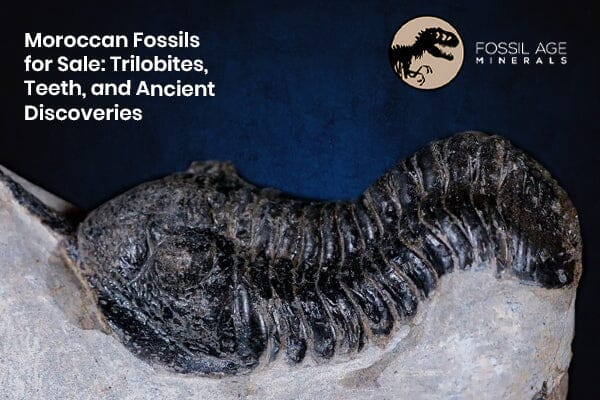
The Dolmanites (often spelled Dalmanites) are among the most iconic trilobites found in the fossil-rich strata of Middleport, New York, and the surrounding Niagara County region.
-
If you're interested in these fossils, here's what you should know about them and the area:
-
Middleport is situated along the Niagara Escarpment. The fossils here primarily date from the Silurian Period (roughly 420–430 million years ago), when the region was covered by a shallow, tropical sea.
-
The Formation: Most trilobites are found in the Rochester Shale formation, renowned among paleontologists for preserving delicate fossils, including trilobites, crinoids, brachiopods, and bryozoans.
-
Dalmanites limulurus is the species most commonly associated with the Rochester Shale.
-
Appearance: They feature a shovel-shaped head (cephalon) and a pointed tail (pygidium), often with large, detailed eyes.
-
Size: Usually ranging from 2 to 4 inches; larger specimens are occasionally found.
-
Behavior: Likely bottom-dwellers (benthic), scavenging or hunting small organisms on the muddy seafloor of the ancient Silurian sea.
-
If you wish to find these yourself, keep the following in mind:
-
Private Property: Much of the land along the Niagara Escarpment is private. Always seek permission from landowners before searching or digging.
-
The Rochester Shale: Look for weathered shale outcrops, where rain and frost cause it to split into thin, flat plates. Trilobites are often discovered "in the split"—by cracking open a layer of rock to reveal the fossil on the surface.
-
Tools: Bring a rock hammer, chisel, and safety glasses. Since the shale is soft, heavy mining equipment isn't necessary; a small masonry hammer usually suffices.
-
Preservation: The softness of the Rochester Shale makes fossils fragile. If you find a partial specimen, it's best to leave it in the matrix (the surrounding rock) rather than risk shattering it by trying to pry it out.
-
For collectors or enthusiasts, two excellent resources in the region are:
-
The Buffalo Museum of Science: They house an extensive collection of local Silurian fossils and showcase high-quality, professionally prepared Dalmanites specimens.
-
The Buffalo Geological Society: An active group of amateur and professional fossil hunters that frequently organizes field trips to local sites, including quarries and shale exposures. They are a great resource for learning legal and safe collecting practices in Western New York.

Please be aware of the nature of fossils:
Being buried underground for millions of years under immense pressure can be tough. Usually, fossils do not emerge in perfect condition; many require restoration, and some are even altered by people to improve their appearance. In the United States, workers perform this work very professionally, carefully unearthing and preserving these natural treasures.