Collections
- Ammonite Collection (70) +
- Clearance Collection (70)
- Crustacean Collection (53) +
-
Dinosaur Collection (670)
+
- Abelisaur Fossils (18)
- Albertosaurus Fossils (9)
- Allosaurus Fossils (4)
- Ankylosaurus Fossils (7)
- Brachylophosaurus Fossils (17)
- Camarasaurus Fossils (12)
- Carcharodontosaurus (26)
- Centrosaurus Fossils (3)
- Chasmosaurus Fossils (5)
- Coprolite Fossils (25)
- Corythosaur Fossils (15)
- Daspletosaurus Fossils (10)
- Dinosaur Egg Shell (12)
- Dinosaur Gem Bone (8)
- Diplodocus Fossils (2)
- Edmontosaurus Fossils (43)
- Elasmosaurus Fossils (59)
- Eocarcharia Dinops Fossils (3)
- Eremiasaurus Fossils (1)
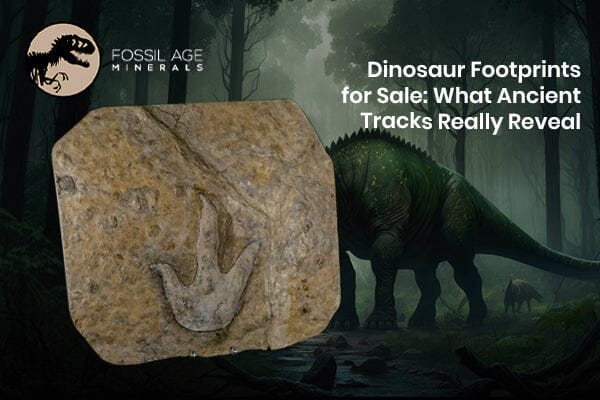
- Footprint Fossils (6)
- Gastrolith Fossils (21)
- Globidens Fossils (2)
- Gorgosaurus Fossils (12)
- Gryposaurus Fossils (6)
- Hadrosaurus Fossils (66)
- Halisaurus Fossils (11)
- Hoffmanni Fossils (0)
- Hypacrosaurus Fossils (44)
- Kryptops Palaios Fossils (6)
- Lambeosaurus Fossils (11)
- Maiasaura Fossils (15)
- Majungasaurus Fossils (10)
- Misc Fossils (6)
- Mosasaurus Fossils (95)
- Nanotyrannus Fossils (10)
- Pachycephalosaurus Fossils (7)
- Platecarpus Fossils (1)
- Plesiosaurus Fossils (60)
- Prognathodon Fossils (43)
- Pterosaur Fossil (29)
- Raptor Fossils (21)
- Rebbachisaurus Fossils (0)
- Spinosaurus Fossils (46)
- Stegosaurus Fossils (10)
- Struthiomimus Fossils (2)
- Suchomimus Fossils (25)
- Tenontosaurus Fossils (3)
- Thescelosaurus Fossils (5)
- Triceratops Fossils (44)
- Torosaurus Fossils (7)
- Tyrannosaur Fossils (69)
- Tyrannosaurus Rex Fossils (23)
- Echinoderm Collection (85) +
- Eurypterid Collection (6)
-
Fish Fossil Collection (205)
+
- Ctenothrissa Fish (0)
- Diplomystus Dentatus (32)
- Enchodus Libycus Fish (22)
- Eutrichiurides Fossil (2)
- Goulmima Fossil Fish (2)
- Hemisaurida Fish (3)
- Knightia Fish (37)
- Mako Shark (9)
- Megalodon Teeth (40)
- Onchopristis Numidus (12)
- Otodus Shark (24)
- Pachyrhizodus Fish (3)
- Phacodus Punctatus (5)
- Schizorhiza Stomeri Fish (0)
- Xiphactinus Fish (9)
-
Fossil Collection (1855)
+
- Ammonite Fossils (70)
- Brachiopod Fossils (14)
- Bryozoan Fossils (5)
- Cephalopod Fossils (79)
- Coral Fossils (113)
- Crustacean Fossils (53)
- Dinosaur Fossils (670)
- Echinoderm Fossils (85)
- Fish Fossils (205)
- Gastropod Fossils (35)
- Mammal Fossils (202)
- Mollusks Fossils (43)
- Plant Fossils (172)
- Reptile Fossils (271)
- Trilobite Fossil (100)
- Insect Fossil Collection (83) +
-
Mammal Collection (202)
+
- Basilsosaurus Fossils (31)
- Bird Fossils (16)
- Brontothere Fossils (20)
- Cave Bear Fossils (24)
- Coryphodon Fossils (3)
- Deinotherium Giganteum (4)
- Glyptodon Fossils (27)
- Hyracodon Nebrascensis (12)
- Mammoth Fossils (14)
- Leptomeryx Evansi (12)
- Mesohippus Fossils (2)
- Oreodont Fossils (7)
- Palaeolagus Fossils (8)
- Poebrotherium Wilsoni (6)
- Sloth Fossils (2)
- Subhyracodon Fossils (1)
- Tapirus Veroensis Fossil (5)
- Whale Fossils (34)
- Woolly Rhinoceros (20)
- Megalodon Collection (40)
- Meteorite Collection (103)
-
Mineral Collection (631)
+
- Agate Minerals (72)
- Amazonite Minerals (6)
- Amethyst Minerals (14)
- Andalucite Minerals (2)
- Apatite Minerals (2)
- Aragonite Minerals (43)
- Azurite Minerals (16)
- Banded Agate Minerals (28)
- Barite Minerals (42)
- Calcite Minerals (61)
- Carved Minerals (20)
- Celestite Minerals (2)
- Cerussite Minerals (16)
- Chabazite Minerals (12)
- Chrysocolla Minerals (43)
- Copper Minerals (11)
- Crystals Quartz (73)
- Dragon Blood Jasper (1)
- Dendrite Minerals (18)
- Epidote Minerals (25)
- Erythrite Minerals (2)
- Fluorite Minerals (16)
- Fulgurite Minerals (27)
- Gabbro Minerals (10)
- Galena Minerals (19)
- Ghost Quartz (7)
- Grape Agate Minerals (11)
- Halite Minerals (18)
- Hematite Minerals (8)
- Jasper Minerals (41)
- Kyanite Minerals (3)
- Lapis Lazuli Minerals (2)
- Malachite Minerals (43)
- Nontronite Minerals (5)
- Ocean Jasper Minerals (3)
- Peacock Ore (18)
- Peridot Minerals (20)
- Picture Jasper Minerals (2)
- Pink Halite Minerals (18)
- Pink Tourmaline & Rubellite (1)
- Polychrome Jasper Minerals (13)
- Prehnite Minerals (28)
- Purpurite Minerals (17)
- Pyrite Minerals (31)
- Rhodonite Minerals (1)
- Ruby In Zoisite Minerals (2)
- Sardonyx Minerals (1)
- Septarian Minerals (23)
- Serpentine Minerals (48)
- Sodalite Minerals (0)
- Sulfur Minerals (15)
- Tourmaline Minerals (24)
- Turquoise Minerals (8)
- Unakite Minerals (9)
- Vanadinite Minerals (17)
- Permian Collection (9)
- Plant Fossil Collection (172) +
-
Reptile Fossil Collection (271)
+
- Champsosaurus Gigas (10)
- Crocodile Fossils (50)
- Elasmosaurus Fossils (59)
- Globidens Fossils (2)
- Halisaurus Fossils (11)
- Hoffmanni Fossils (0)
- Ichthyosaurus Fossils (7)
- Koskinonodon Metoposaur (5)
- Mosasaurus Fossils (95)
- Permian Age Fossils (9)
- Phytosaur Fossils (22)
- Platecarpus Fossils (1)
- Plesiosaurus Fossils (60)
- Postosuchus Fossils (11)
- Prognathodon Fossils (43)
- Pterosaur Fossils (29)
- Sarcosuchus Fossils (20)
- Snake Fossils (6)
- Turtle Fossils (10)
- Sphere Collection (46)
-
Teeth Fossil Collection (621)
+
- Abelisaur Teeth (18)
- Ankylosaurus Teeth (1)
- Albertosaurus Teeth (5)
- Borealosuchus Crocodile (50)
- Basilosaurus Teeth (31)
- Carcharodontosaurus (26)
- Cave Bear Teeth (24)
- Centrosaurus Teeth (2)
- Coryphodon Teeth (3)
- Corythosaurus Teeth (0)
- Daspletosaurus Teeth (10)
- Deinotherium Giganteum (4)
- Edmontosaurus Teeth (1)
- Elasmosaurus Teeth (40)
- Enchodus Libicus Teeth (22)
- Eocarcharia Dinops Teeth (3)
- Eremiasaurus Teeth (1)
- Eutrichiurides Teeth (2)
- Halisaurus Teeth (11)
- Hoffmanni Teeth (0)
- Globidens Mosasaur (2)
- Gorgosaurus Teeth (12)
- Kryptops Palaios Teeth (6)
- Lambeosaurus Teeth (0)
- Leptomeryx Evansi Teeth (12)
- Mammoth Teeth (14)
- Megalodon Teeth (40)
- Mesohippus Teeth (2)
- Mosasaurus Teeth (62)
- Nanotyrannus Teeth (10)
- Onchopristis Numidus (12)
- Oreodont Teeth (7)
- Otodus Shark Teeth (5)
- Pappocetus Lugardi (0)
- Phacodus Teeth (5)
- Phytosaur Teeth (10)
- Platecarpus Teeth (1)
- Plesiosaur Teeth (40)
- Poebrotherium Wilsoni Teeth (6)
- Postosuchus Teeth (11)
- Prognathodon Teeth (29)
- Pterosaur Teeth (29)
- Raptor Teeth (5)
- Rhino Hyracodon (12)
- Rebbachisaurus Teeth (7)
- Shizorhiza Stomeri (0)
- Sloth Teeth (2)
- Spinosaurus Teeth (46)
- Suchomimus Teeth (25)
- Triceratops Teeth (22)
- Tyrannosaur Teeth (63)
- Tyrannosaurus Rex Teeth (15)
- Wooly Rhino Teeth (20)
- Trilobite Collection (100) +
- Newest Products (2846)
Dinosaur Fossils
- Abelisaur Fossils (18)
- Albertosaurus Fossils (9)
- Allosaurus Fossils (4)
- Ankylosaur Fossils (7)
- Brachylophosaurus Fossils (17)
- Camarasaurus Fossils (12)
- Carcharodontosaurus (26)
- Centrosaurus Fossils (3)
- Chasmosaurus Fossils (5)
- Coprolite Fossils (25)
- Corythosaur Fossils (15)
- Daspletosaurus Fossils (10)
- Dinosaur Egg Shell (12)
- Dinosaur Gem Bone (8)
- Diplodocus Fossils (2)
- Edmontosaurus Fossils (43)
- Elasmosaurus Fossils (59)
- Eocarcharia Dinops Fossils (3)
- Eremiasaurus Fossils (1)
- Footprint Fossils (6)
- Gastrolites Fossils (21)
- Globidens Mosasaur (2)
- Gorgosaurus Fossils (12)
- Gryposaurus Fossils (6)
- Hadrosaurus Fossils (66)
- Halisaurus Fossils (11)
- Hoffmanni Fossils (0)
- Hypacrosaurus Fossils (44)
- Kryptops Palaios Fossils (6)
- Lambeosaurus Fossils (11)
- Maiasaura Fossils (15)
- Majungasaurus Fossils (10)
- Misc Fossils (6)
- Mosasaurus Fossils (95)
- Nanotyrannus Fossils (10)
- Pachycephalosaurus (7)
- Platecarpus Fossils (1)
- Plesiosaurus Fossils (60)
- Prognathodon Fossils (43)
- Pterosaur Fossils (29)
- Raptor Fossils (21)
- Rebbachisaurus Fossils (7)
- Spinosaurus Fossils (46)
- Stegosaurus Fossils (10)
- Struthiomimus Fossils (2)
- Suchomimus Fossils (25)
- Tenontosaurus Fossils (3)
- Thescelosaurus Fossils (5)
- Torosaurus Fossils (7)
- Triceratops Fossils (44)
- Tyrannosaur Fossils (69)
- Tyrannosaurus Rex (23)
Minerals
- Agate Minerals (72)
- Amazonite Minerals (6)
- Amethyst Minerals (14)
- Andalucite Minerals (2)
- Apatite Minerals (2)
- Aragonite Minerals (43)
- Azurite Minerals (16)
- Banded Agate Minerals (28)
- Barite Minerals (42)
- Calcite Crystal (61)
- Carved Minerals (20)
- Celestite Minerals (2)
- Cerussite Minerals (16)
- Chabazite Minerals (12)
- Chrysocolla Minerals (43)
- Copper Minerals (11)
- Crystals Quartz (73)
- Dragon Blood Jasper (1)
- Dendrite Minerals (18)
- Epidote Minerals (25)
- Erythrite Minerals (2)
- Fluorite Minerals (16)
- Fulgurite Minerals (27)
- Gabbro Minerals (10)
- Galena Minerals (19)
- Ghost Quartz (7)
- Grape Agate Minerals (11)
- Halite Minerals (18)
- Hematite Minerals (8)
- Jasper Minerals (41)
- Kyanite Minerals (3)
- Lapis Lazuli Minerals (2)
- Malachite Minerals (43)
- Nontronite Minerals (5)
- Ocean Jasper Minerals (3)
- Peacock Ore (18)
- Peridot Minerals (20)
- Picture Jasper Mineral (2)
- Pink Halite Minerals (18)
- Pink Tourmaline & Rubellite (1)
- Polychrome Jasper Minerals (13)
- Prehnite Minerals (28)
- Purpurite Minerals (17)
- Pyrite Minerals (31)
- Rhodonite Minerals (1)
- Ruby In Zoisite Minerals (2)
- Sardonyx Minerals (1)
- Septarian Minerals (23)
- Serpentine Minerals (48)
- Sodalite Minerals (0)
- Sulfur Minerals (15)
- Tourmaline Minerals (24)
- Turquoise Minerals (8)
- Unakite Minerals (9)
- Vanadinite Minerals (17)
Black Cat Trilobite Collection


Kainops Raymodi Trilobite
-
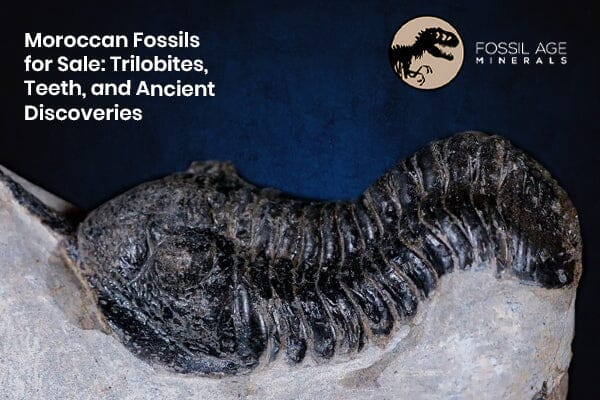
Classification: Extinct marine arthropods of the class Trilobita, among the first complex animals in Earth’s oceans
-
Time Period: Appeared around 521 million years ago during the Early Cambrian (Atdabanian stage) and thrived throughout the Paleozoic Era
-
Appearance: Hard, segmented exoskeleton divided into three longitudinal lobes—a central axial lobe and two pleural lobes—giving them a distinctive, “three-lobed” shape
-
Body Structure:
-
Cephalon (head): Equipped with compound eyes, feeding structures, and sensory antennae for navigation and detecting predators
-
Thorax (midsection): Made of 2–61 flexible segments, allowing movement, rolling for protection, and burrowing
-
Pygidium (tail): Fused segments forming a sturdy tail shield for defense
-
-
Habitats: Inhabited ancient oceans, ranging from shallow coastal waters to deep sea floors, adapting to diverse marine environments
-
Fossil Significance: Their mineralized exoskeletons made them easily fossilized, resulting in one of the most abundant and studied fossil groups, helping scientists understand early arthropod evolution, Cambrian biodiversity, and Paleozoic marine ecosystems
-
Unique Features: Highly diverse in size and shape, with some species rolling into a ball for protection; recognized as iconic fossils that illustrate the complexity of early marine life