
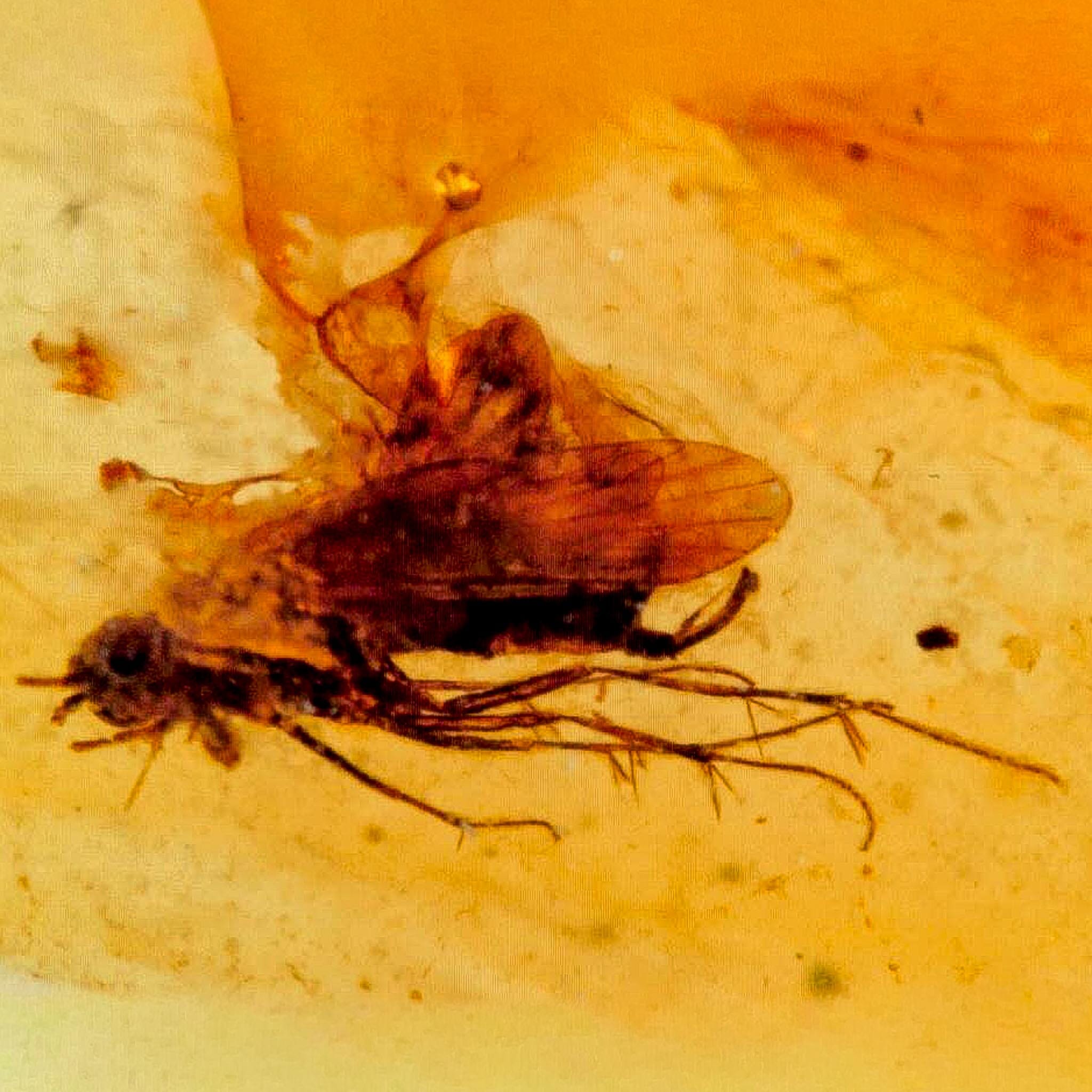
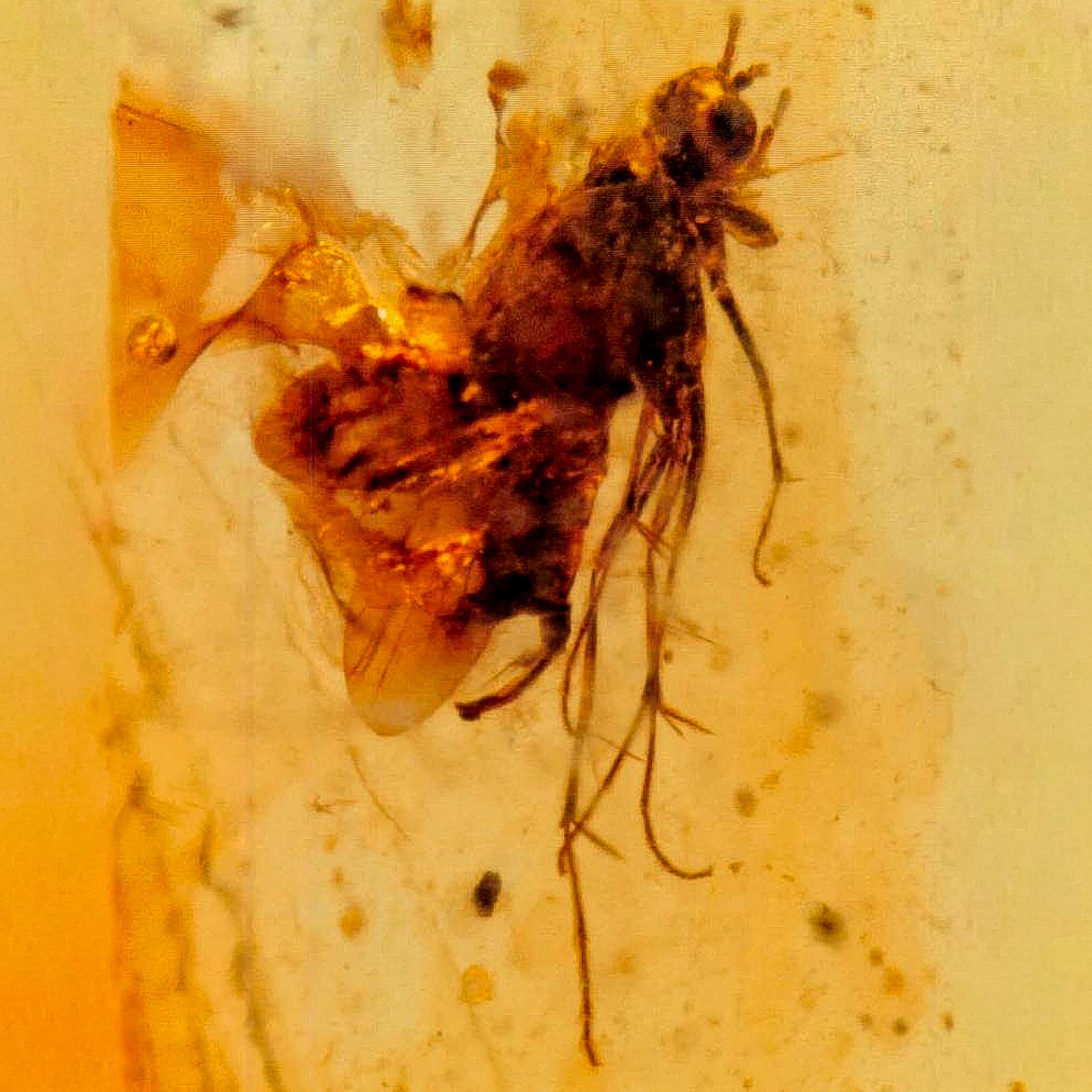
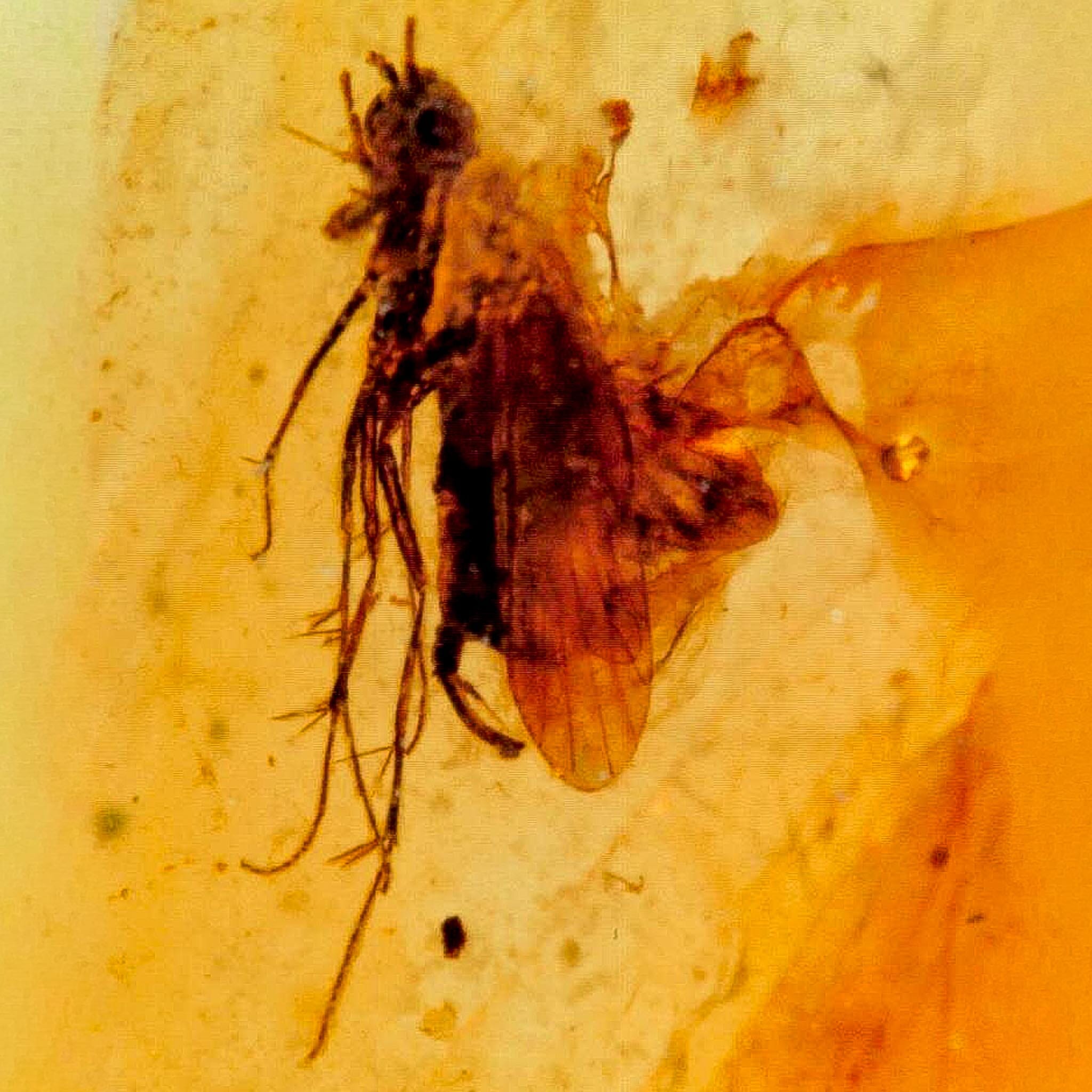
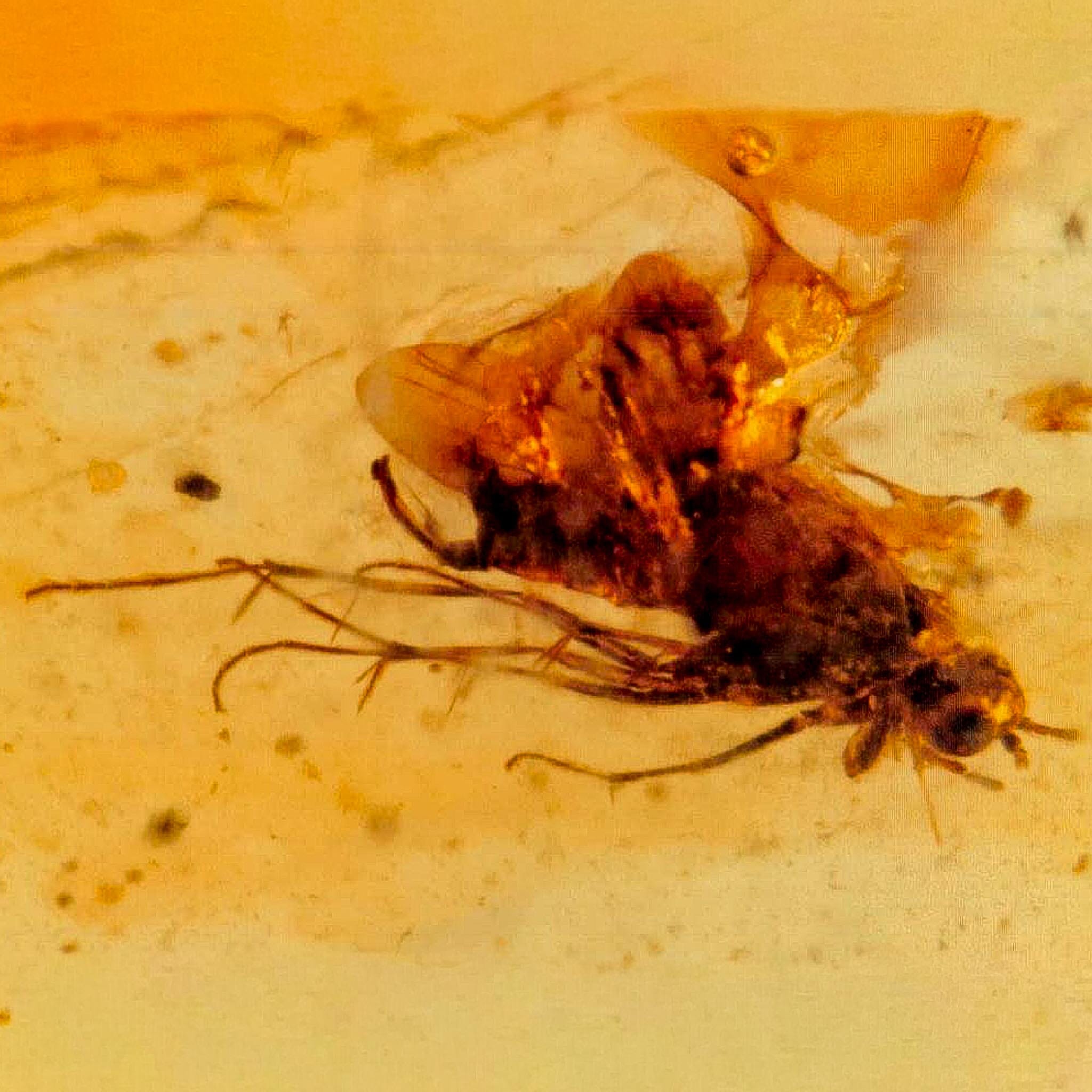
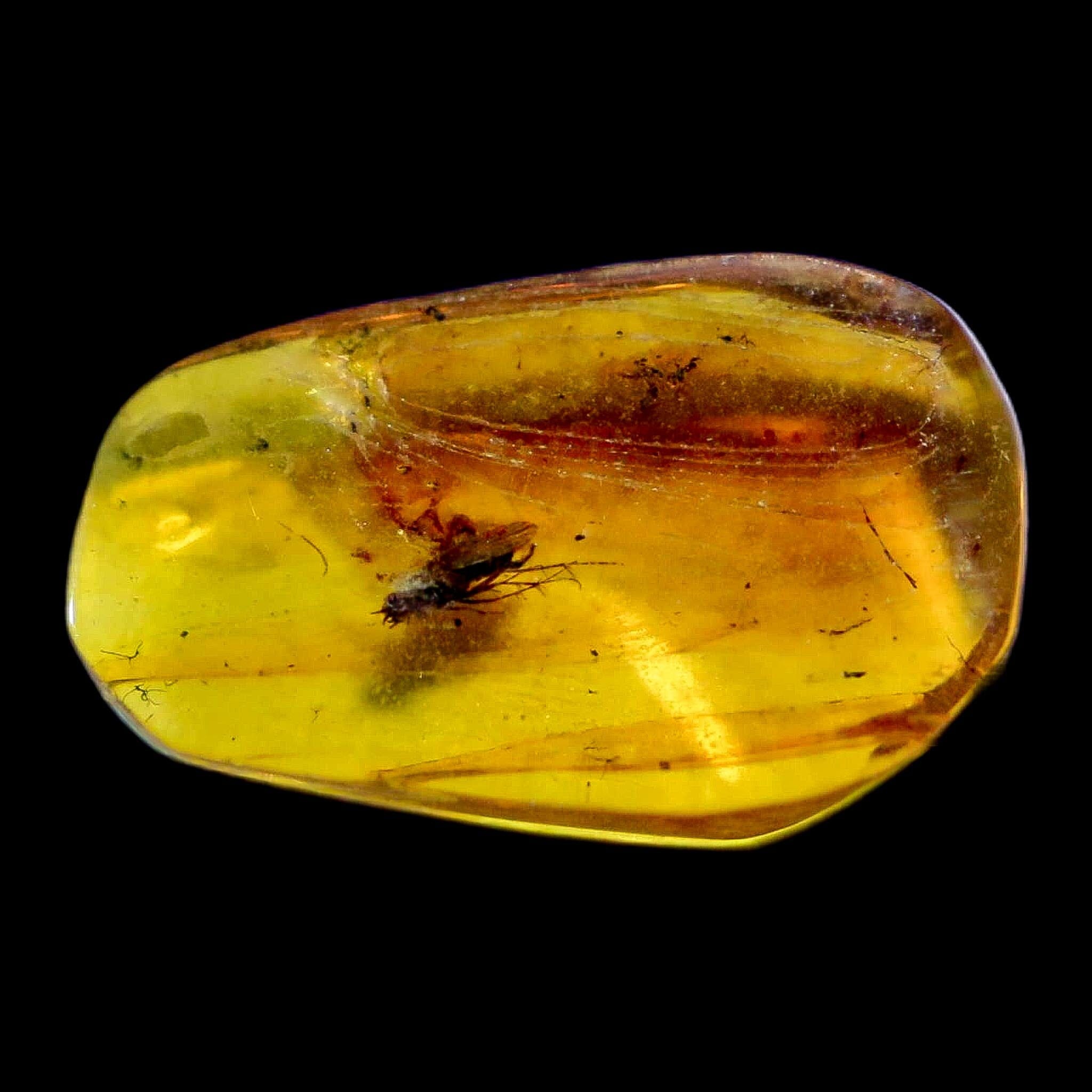


Description
Location: Hukawng Valley in Northern Burma
Weight: 0.1 Ounces - 0.25 Grams
Dimensions: 0.6 Inches Long, 0.4 Inches Wide, 0.2 Inches Thick
This piece of Amber contains insects, Plants, and other particles.
The item pictured is the one you will receive.
Cretaceous Age (66-145 million years ago)
Burmese amber, also referred to as Burmite or Kachin amber, is one of the most important fossil resins for educational and museum collections. Formed nearly 99 million years ago in northern Myanmar’s Hukawng Valley, it preserves insects, arachnids, plant fragments, and even small vertebrate fossils with remarkable clarity.
Museum exhibits featuring Burmese amber allow visitors to experience a direct connection to the mid-Cretaceous period. The inclusions reveal ancient forest ecosystems, interactions between species, and evolutionary developments, making Burmite a valuable teaching tool. Its natural colors, transparency, and fossil content combine aesthetic appeal with scientific importance, bridging the gap between education, research, and public engagement.