


Description
Location: Hukawng Valley in Northern Burma
Weight: 0.1 Ounces - 0.81 Grams
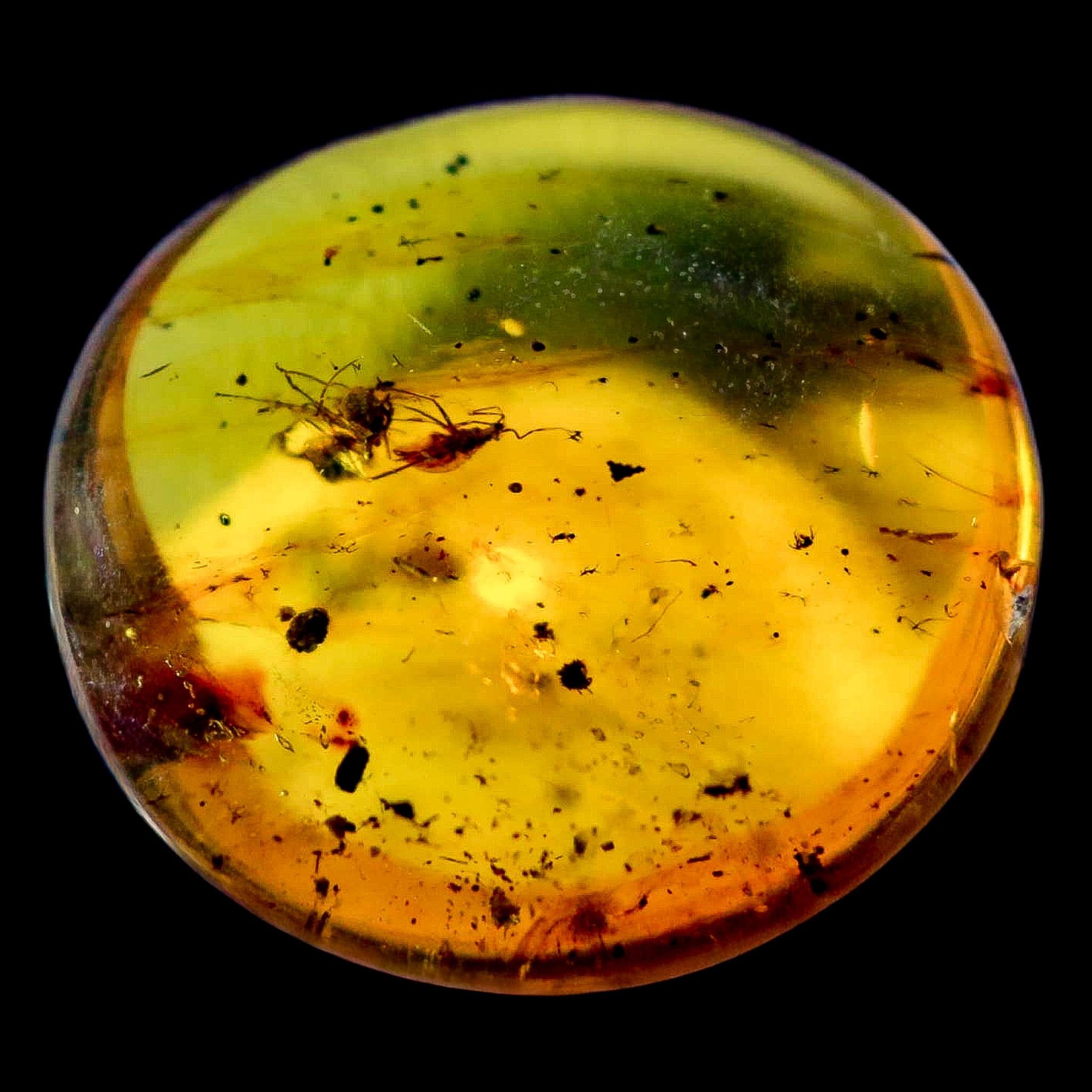
Dimensions: 0.6 Inches Long, 0.6 Inches Wide, 0.2 Inches Thick
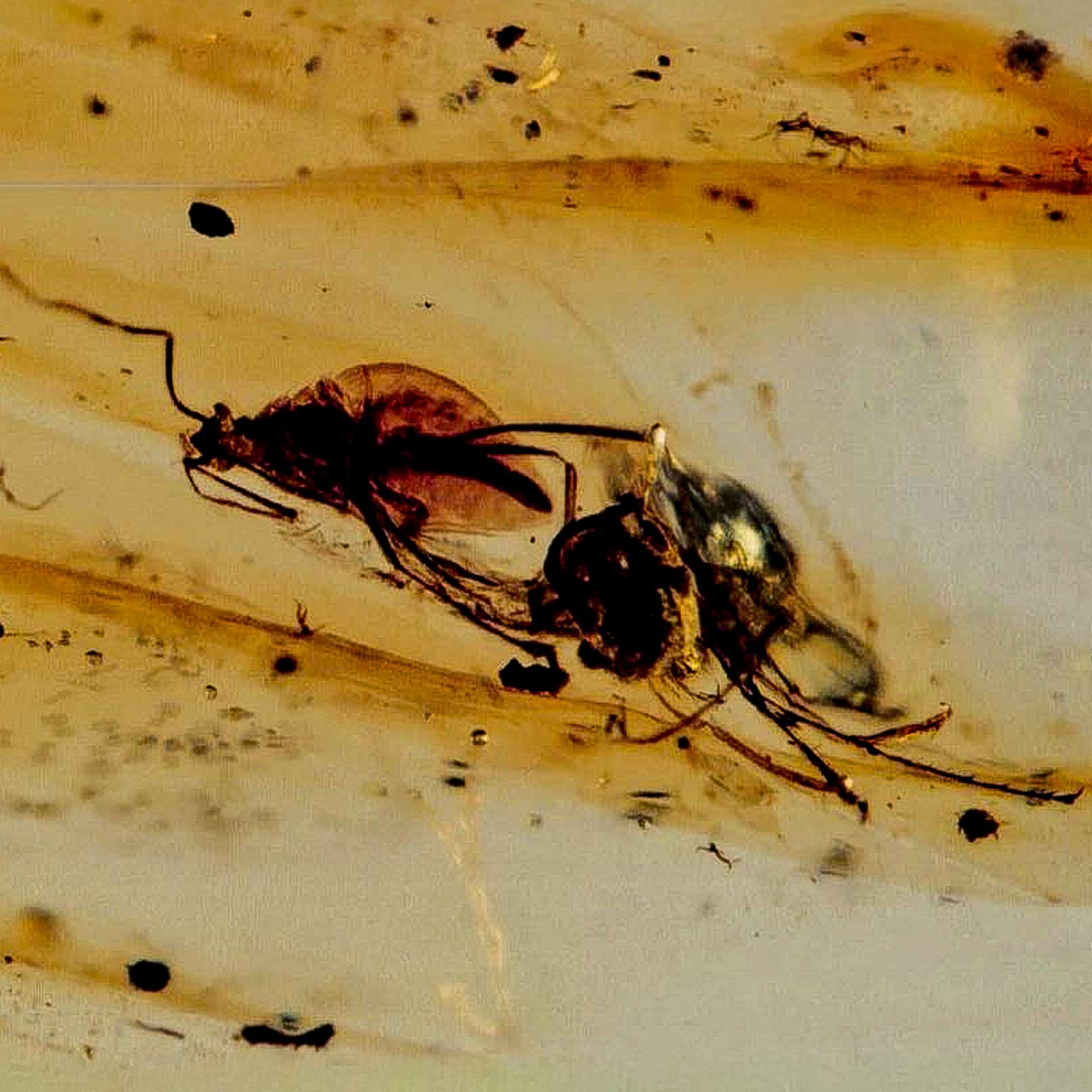
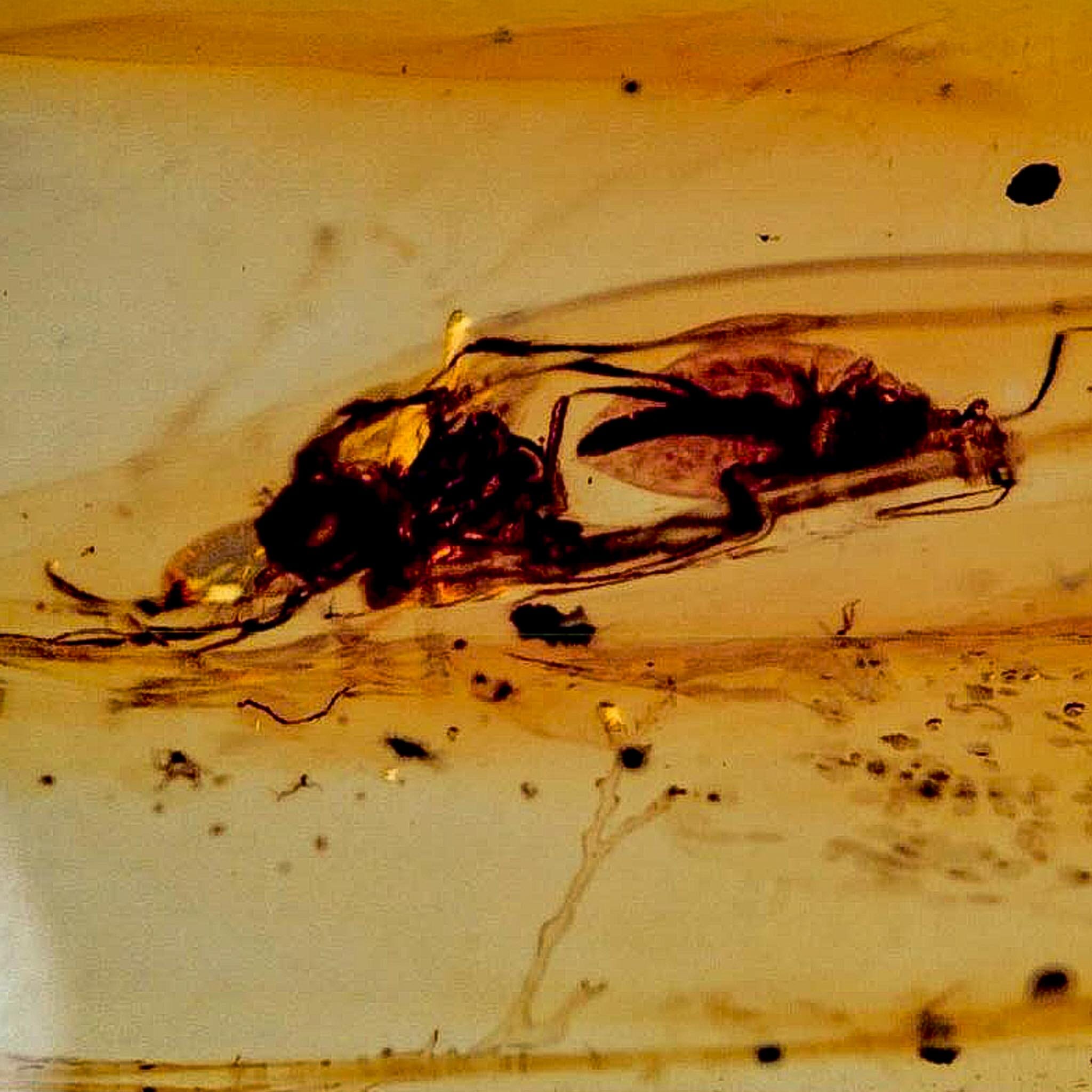
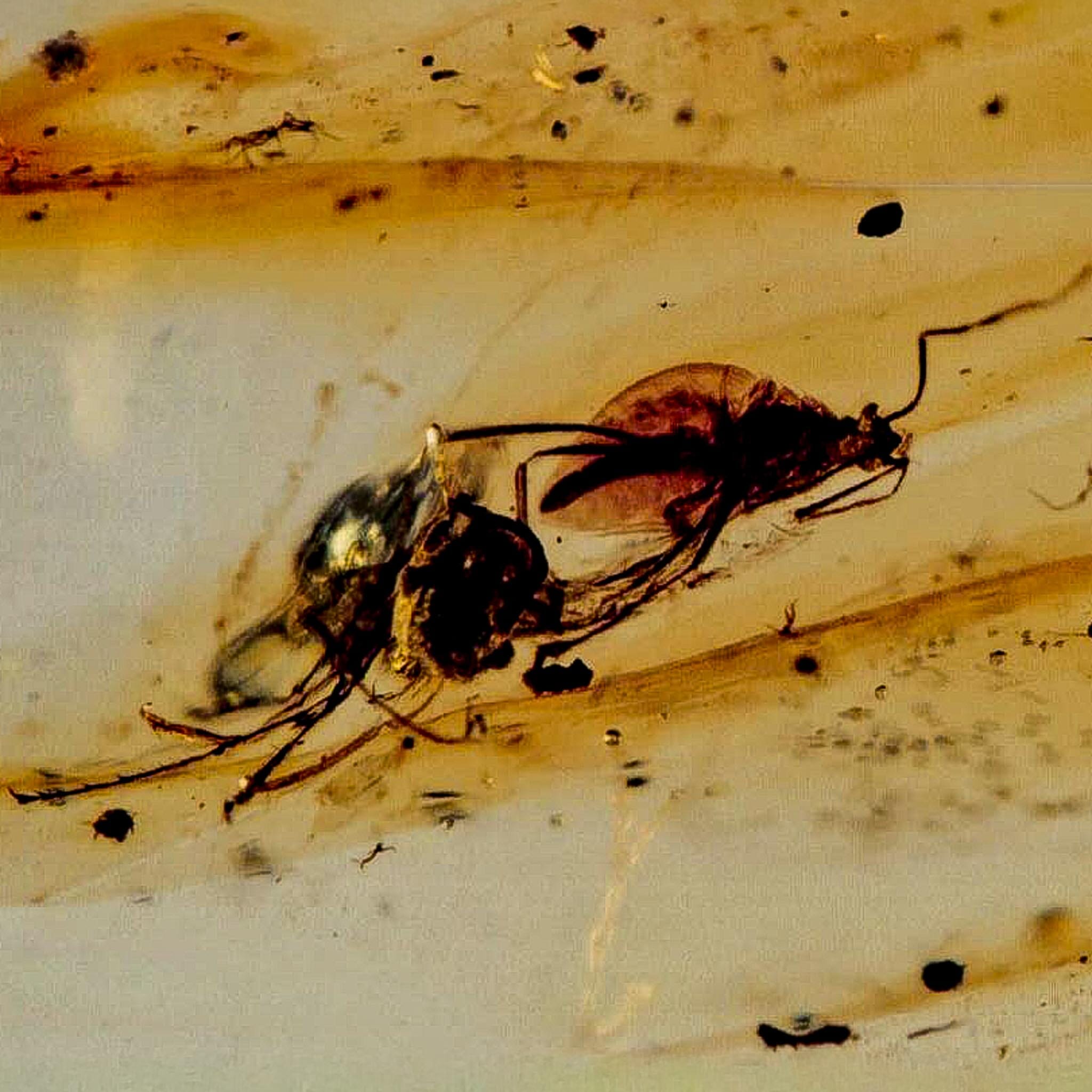
This piece of Amber contains insects, Plants, and other particles.
The item pictured is the one you will receive.
Cretaceous Age (66-145 million years ago)
Burmese amber, also known as Burmite or Kachin amber, is one of the most important fossil resins in the world, dating back 99 million years to the early Cenomanian stage of the Late Cretaceous. Sourced from the Hukawng Valley in northern Myanmar, this amber formed from resin produced by prehistoric conifers that hardened and fossilized over millions of years under natural pressure and heat.
Burmese amber is renowned for its inclusions, which can preserve insects, arachnids, plant fragments, and small vertebrates in exceptional three-dimensional detail. These specimens offer rare insight into Cretaceous ecosystems, ancient biodiversity, and evolutionary development. Burmese amber has contributed to groundbreaking discoveries, including feathered dinosaurs, ancient arthropods, and microbial life, making it a critical resource for both scientific research and education.
Collectors prize Burmese amber for its clarity, translucent golden to reddish-brown hues, and natural aesthetic. Historically, it was used in jewelry, amulets, and ornamental carvings, revered for both its beauty and spiritual significance. Today, Burmite continues to captivate paleontologists, educators, jewelers, and collectors worldwide, bridging the fields of science, art, and history.