
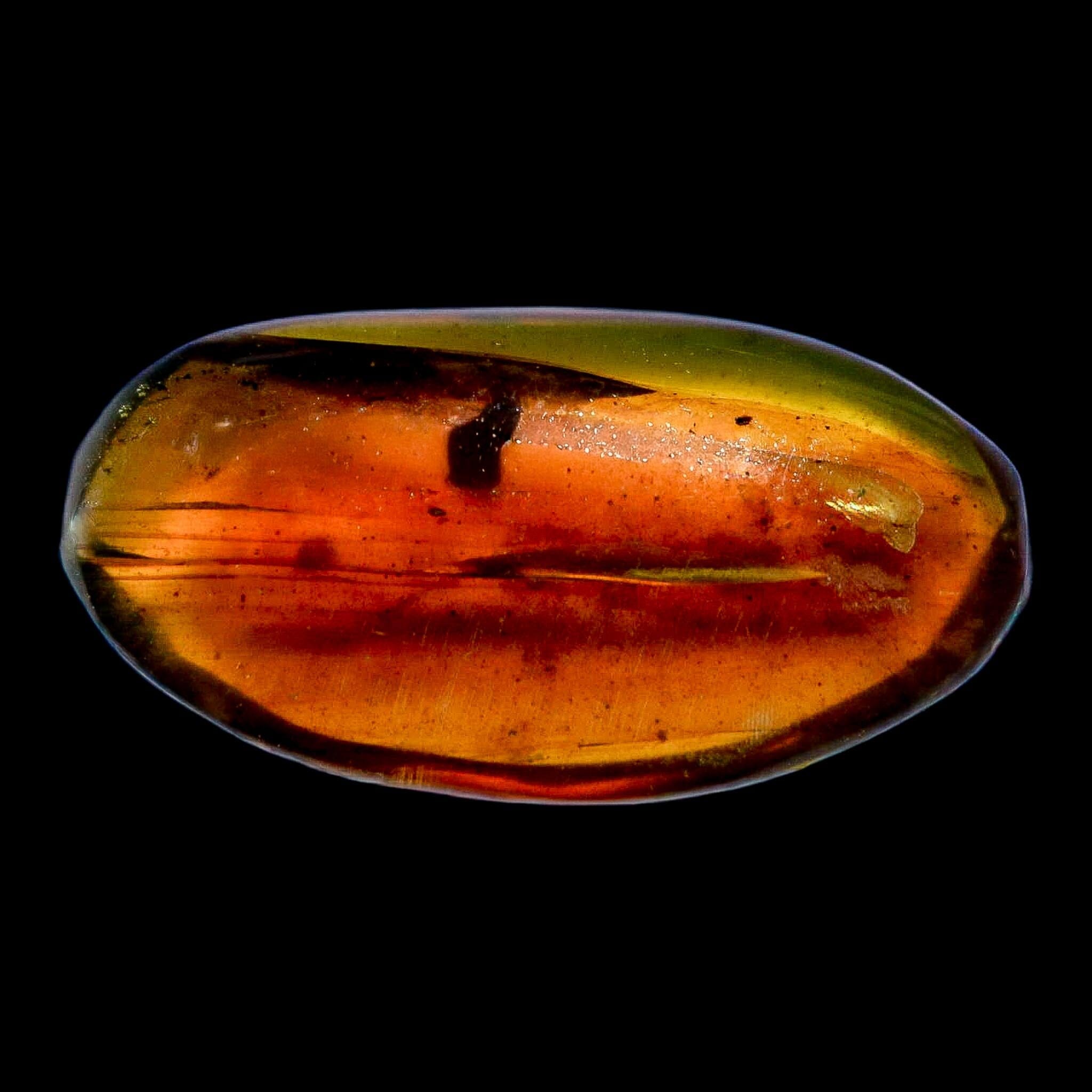


Description
Location: Hukawng Valley in Northern Burma
Weight: 0.1 Ounces - 0.53 Grams
Dimensions: 0.8 Inches Long, 0.4 Inches Wide, 0.2 Inches Thick
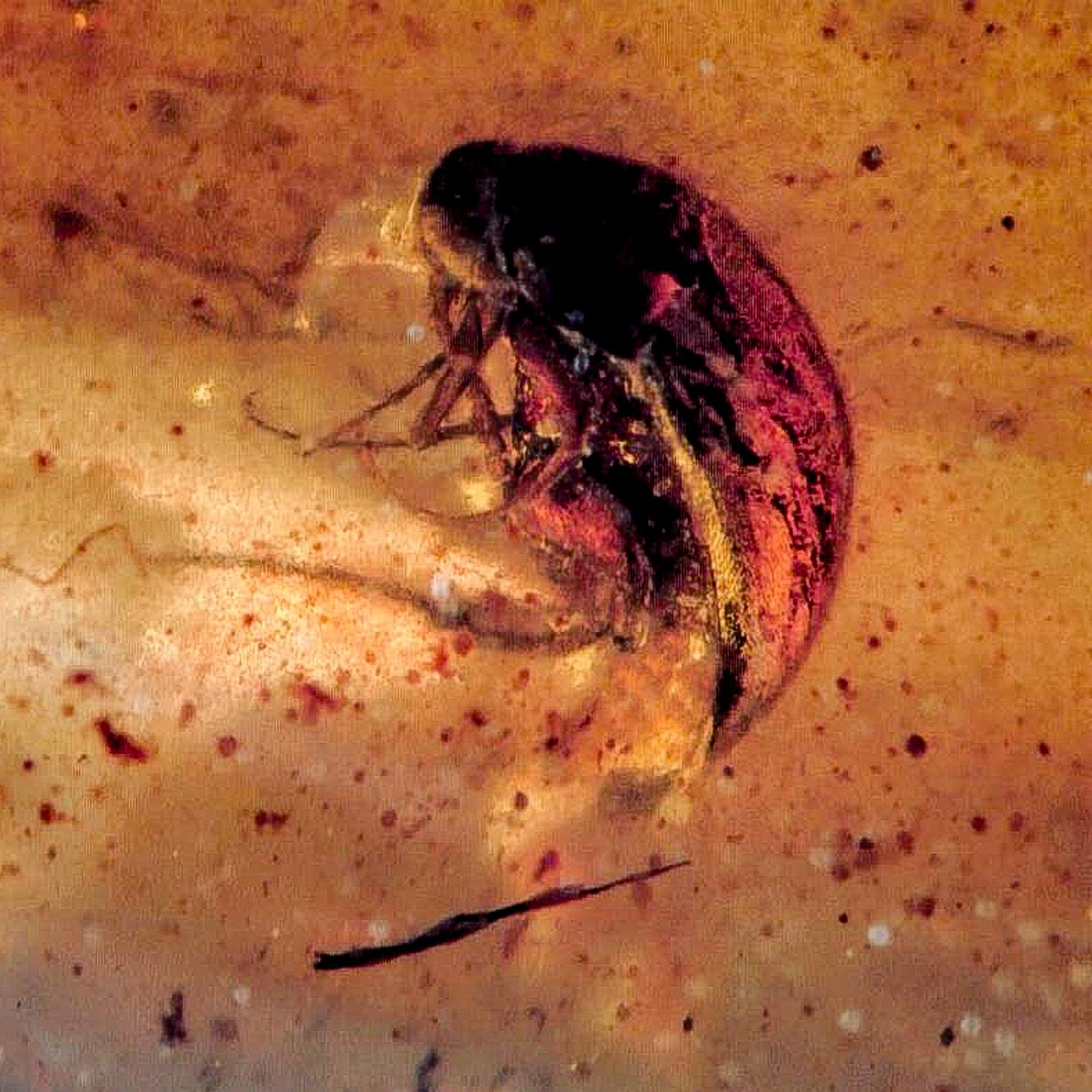
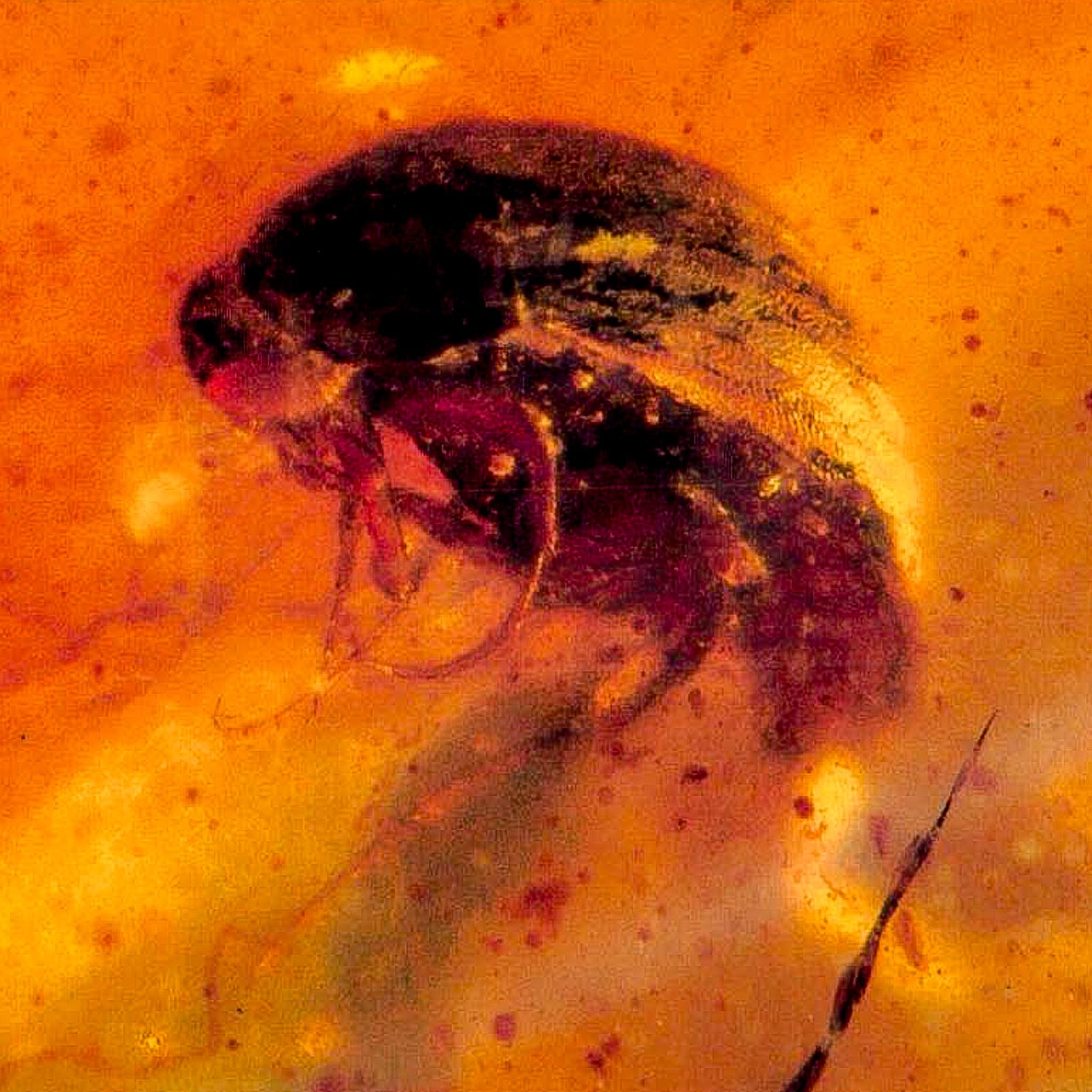
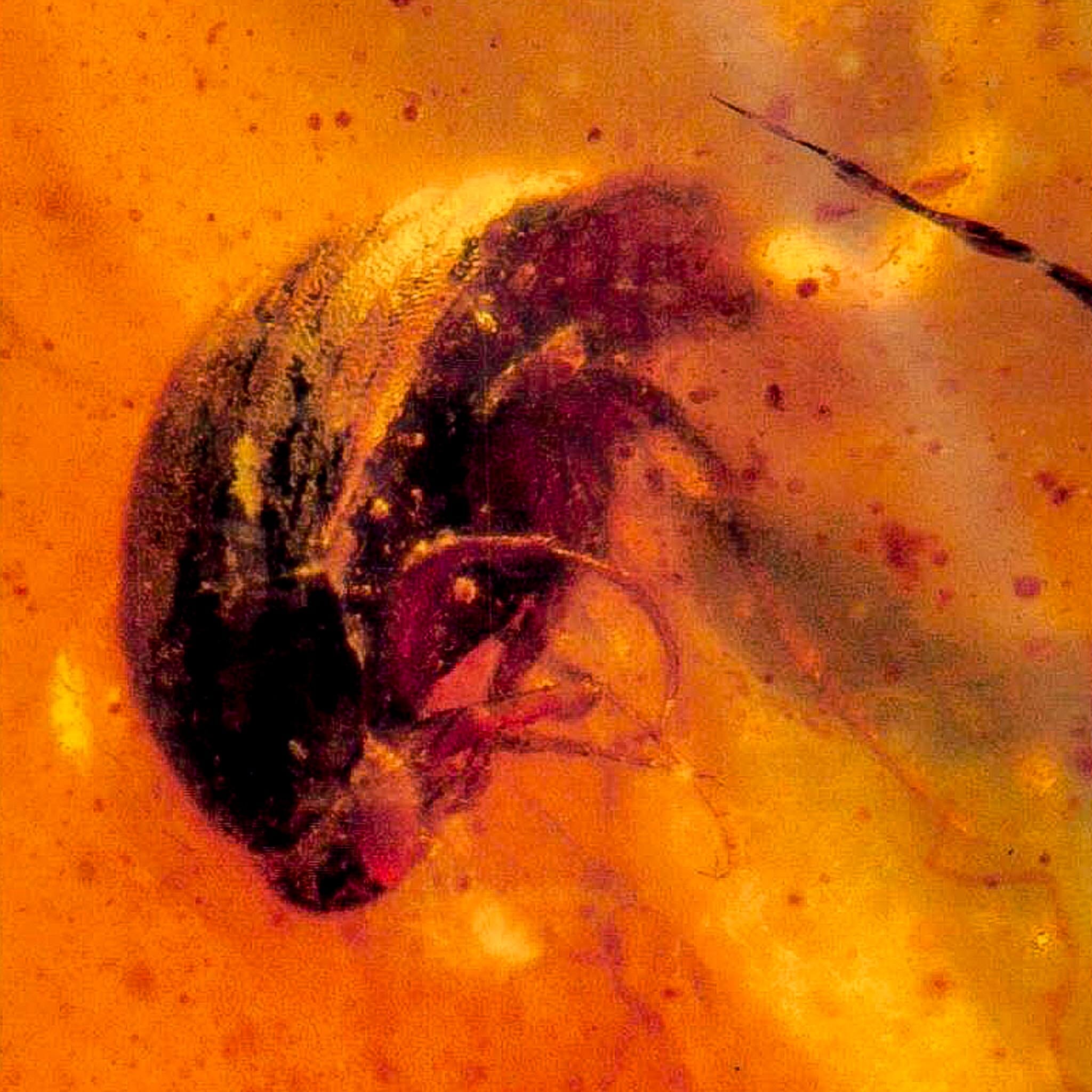
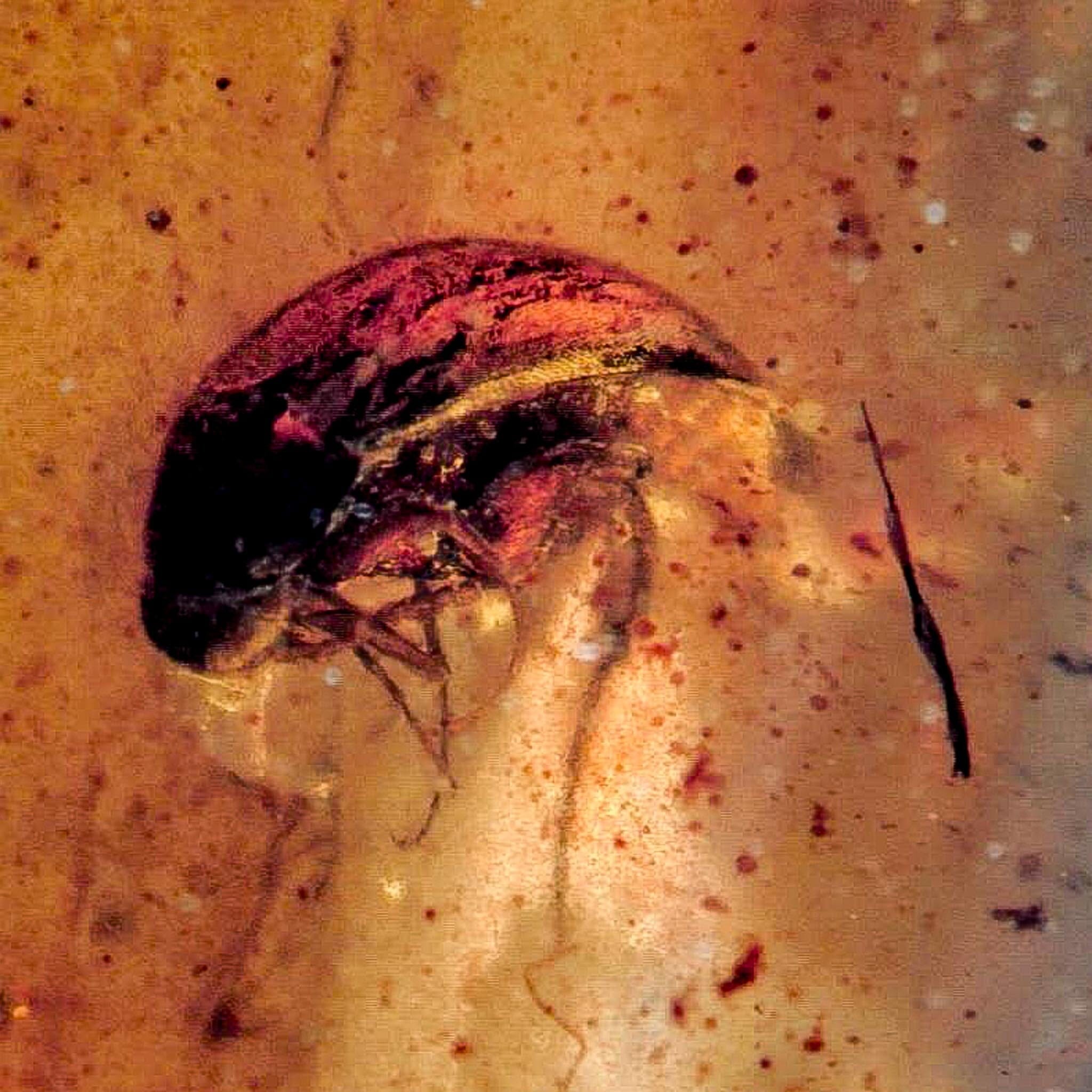
This piece of Amber contains insects, Plants, and other particles.
The item pictured is the one you will receive.
Cretaceous Age (66-145 million years ago)
Burmese amber, also called Burmite or Kachin amber, is a 99-million-year-old fossil resin originating from the Hukawng Valley in northern Myanmar. Formed from the hardened resin of ancient conifer trees during the Cenomanian stage of the Late Cretaceous, this amber is famous for preserving organisms in remarkable three-dimensional detail.
Fossil inclusions in Burmese amber include insects, spiders, plant fragments, and even small vertebrates. These specimens offer scientists invaluable insights into Cretaceous ecosystems, revealing evolutionary patterns, behavioral adaptations, and biodiversity nearly 100 million years ago. Burmese amber has been critical in major paleontological discoveries, including feathered dinosaurs, ancient arthropods, and microbial life preserved at microscopic resolution.