
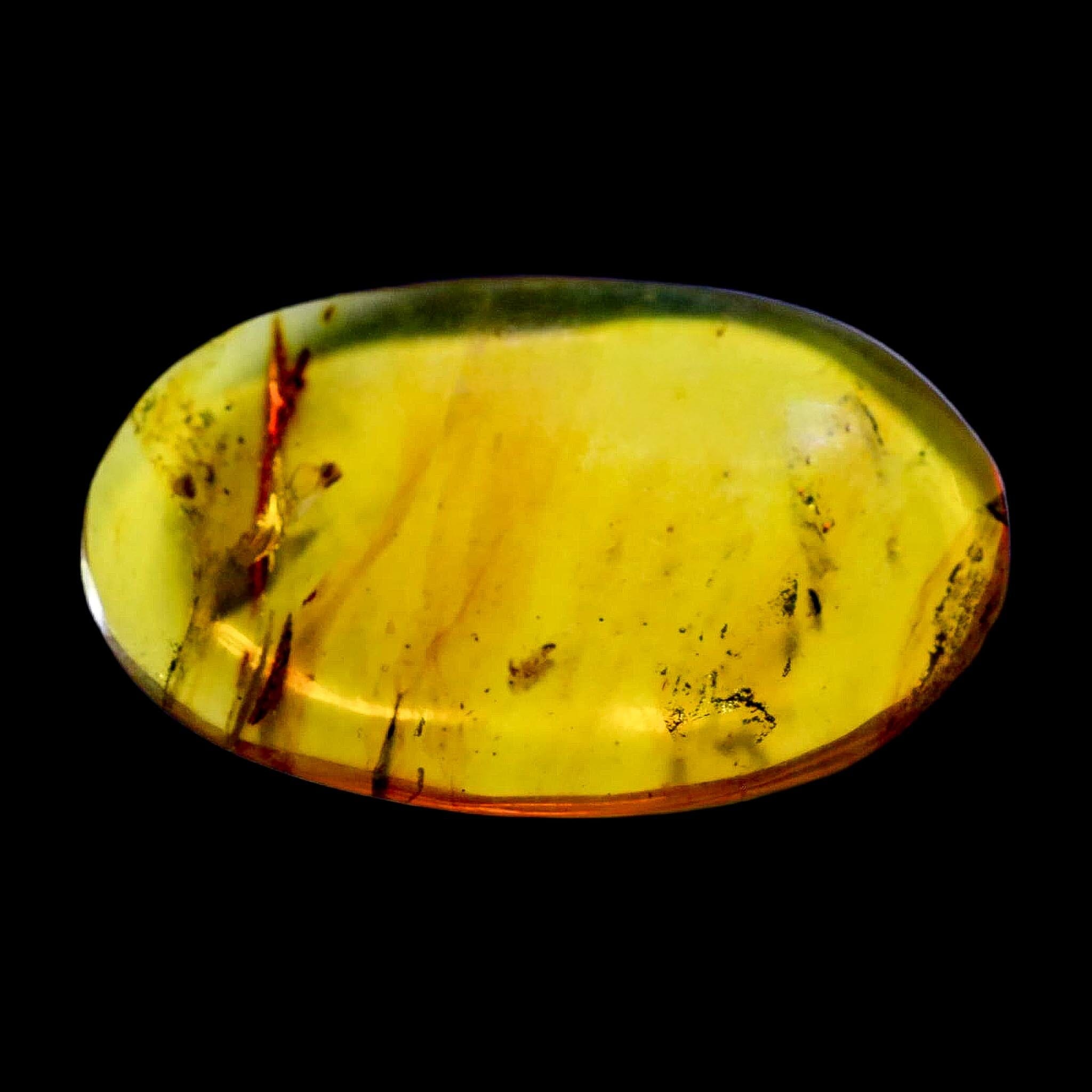


Description
Location: Hukawng Valley in Northern Burma
Weight: 0.1 Ounces - 1.43 Grams
Dimensions: 1.3 Inches Long, 0.8 Inches Wide, 0.2 Inches Thick
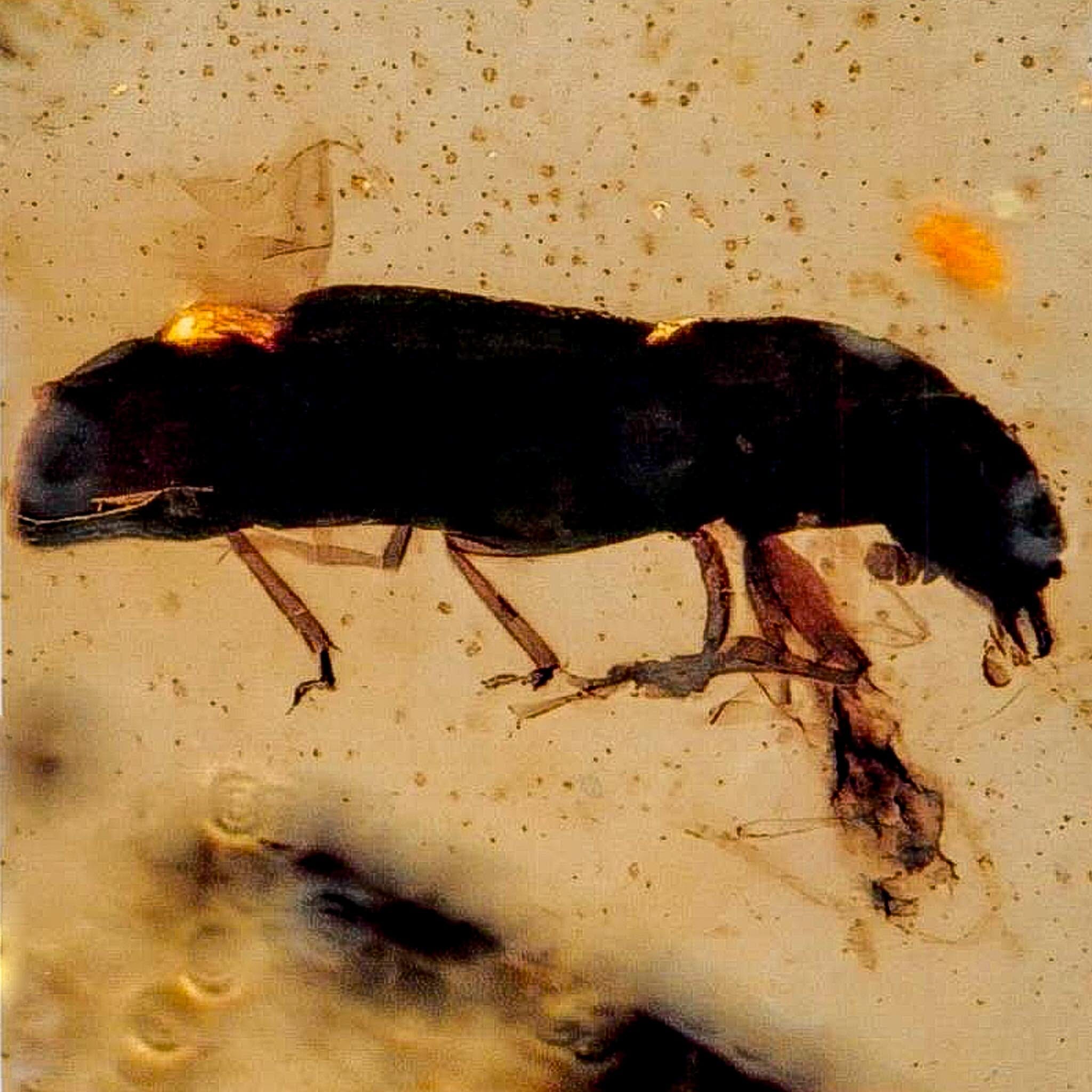
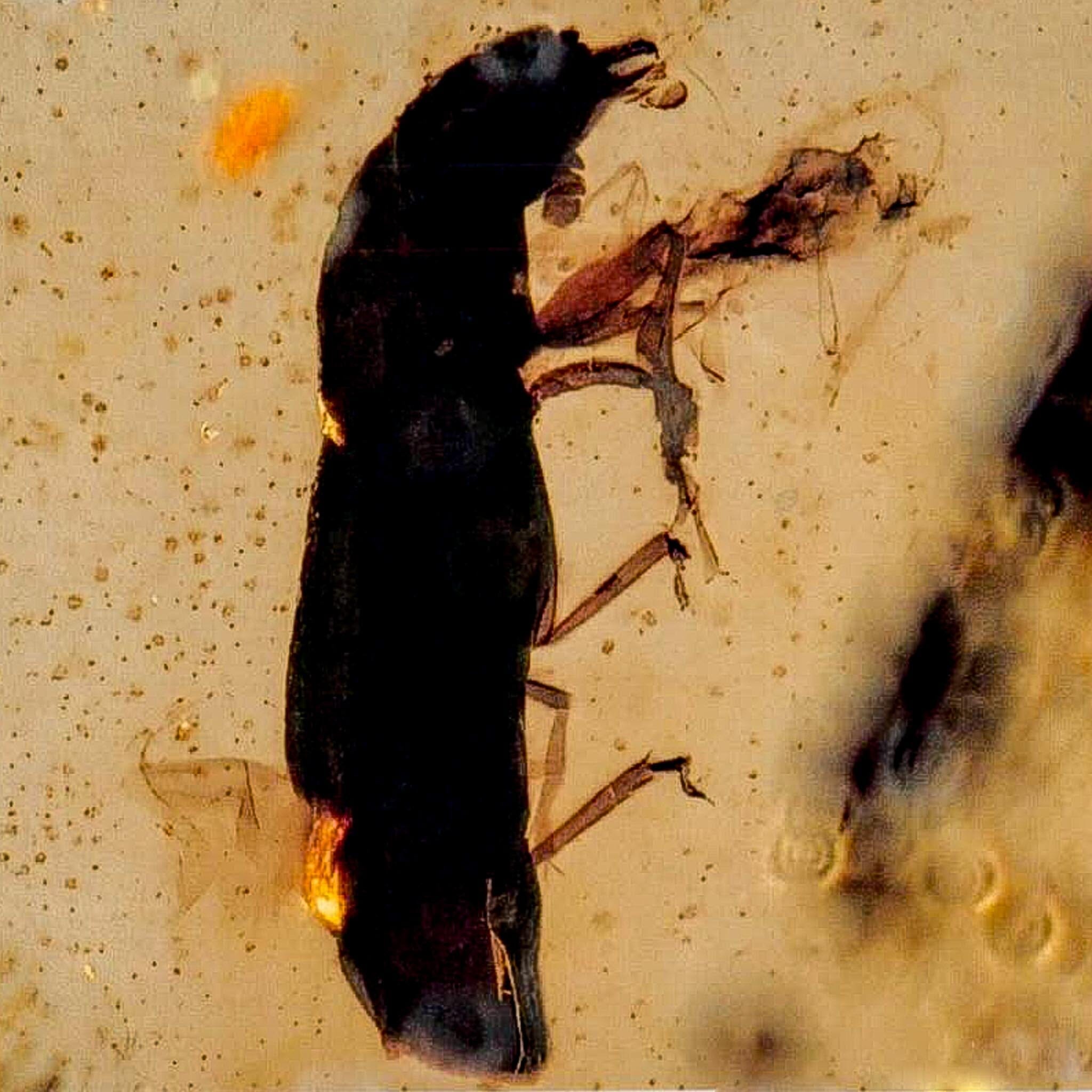
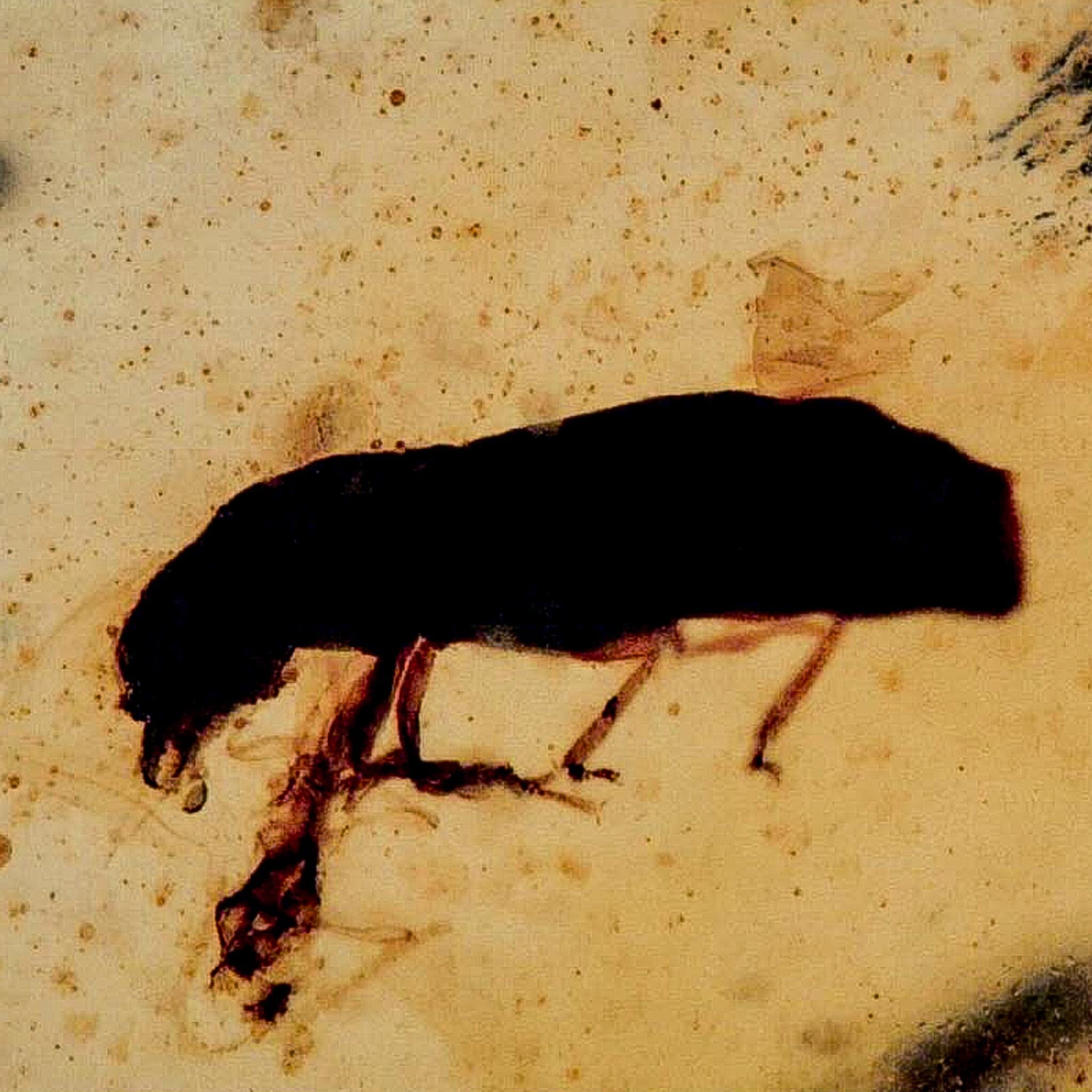
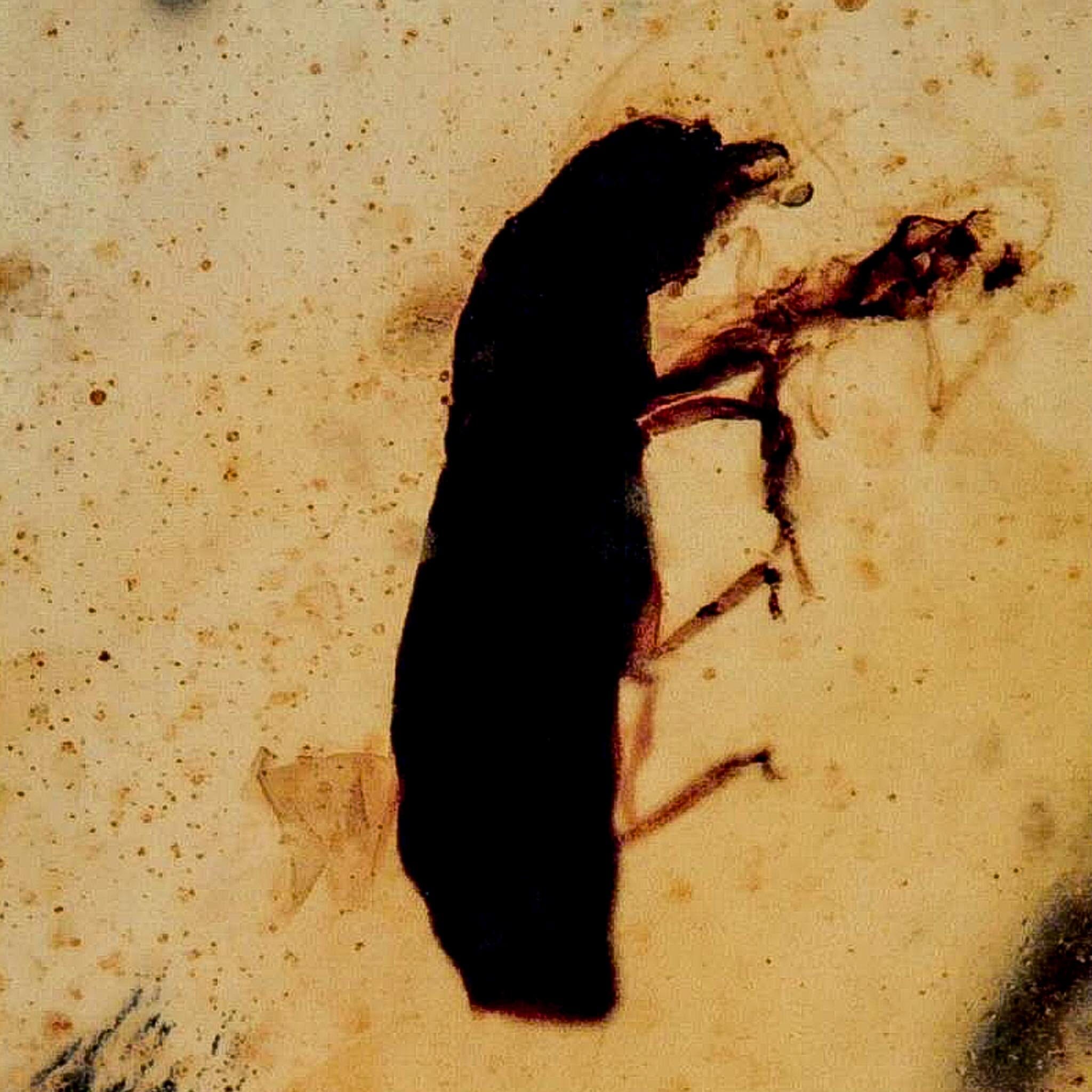
This piece of Amber contains insects, Plants, and other particles.
The item pictured is the one you will receive.
Cretaceous Age (66-145 million years ago)
Burmese amber, also known as Burmite or Kachin amber, is a 99-million-year-old fossil resin from the Hukawng Valley in northern Myanmar. Dating to the Cenomanian stage of the Late Cretaceous, this amber formed from the resin of prehistoric conifer trees that hardened and fossilized under intense geological pressure over millions of years.
Burmese amber is highly prized for its inclusions, which can preserve insects, spiders, plant material, and even small vertebrates in astonishing three-dimensional detail. These inclusions provide scientists with invaluable information about mid-Cretaceous ecosystems, including ancient food webs, predator-prey relationships, and the evolution of early insects and plants. Burmese amber has been central to major paleontological discoveries, including feathered dinosaurs and rare microbial fossils, offering a rare snapshot of life nearly 100 million years ago.