
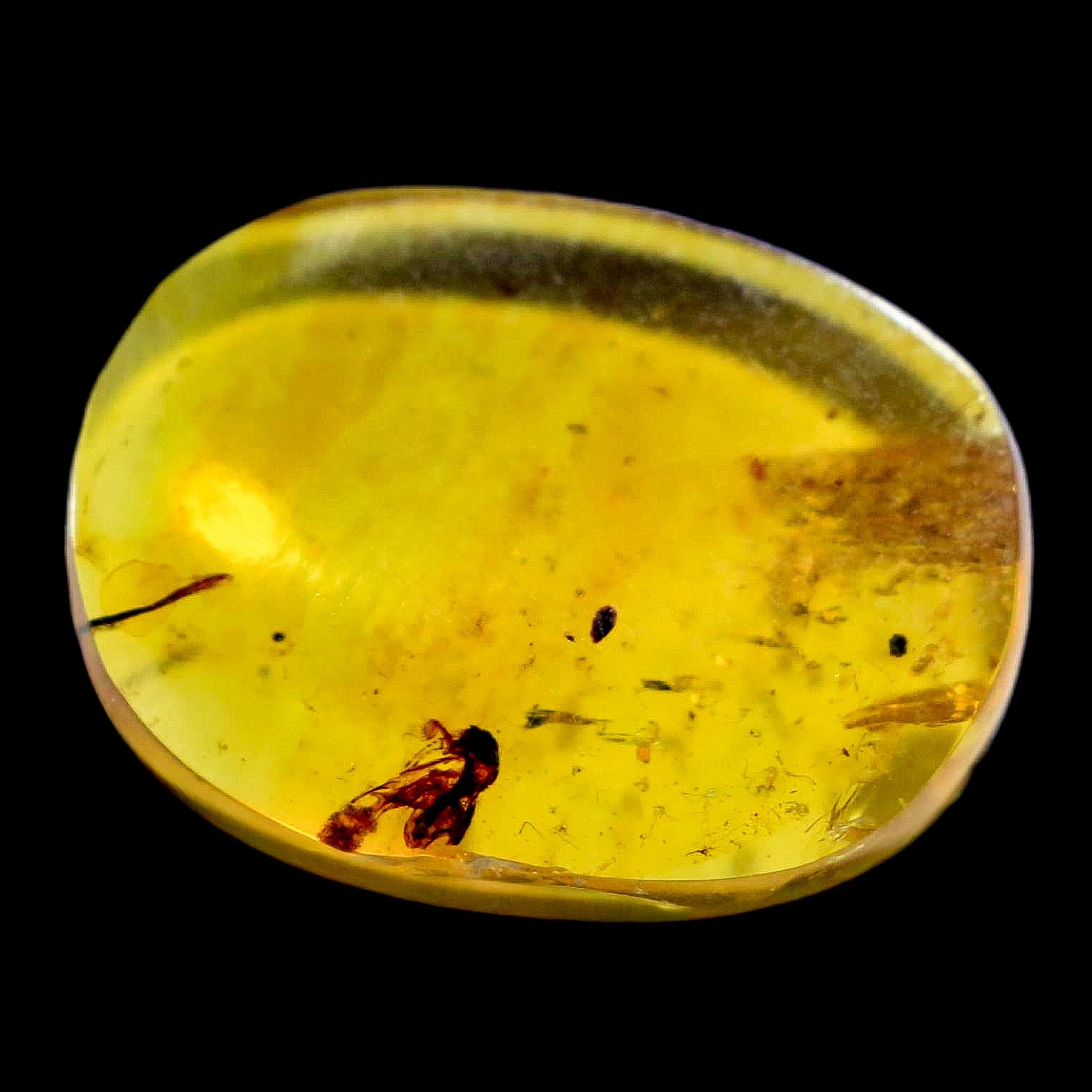


Description
Location: Hukawng Valley in Northern Burma
Weight: 0.1 Ounces - 0.42 Grams
Dimensions: 0.6 Inches Long, 0.5 Inches Wide, 0.2 Inches Thick
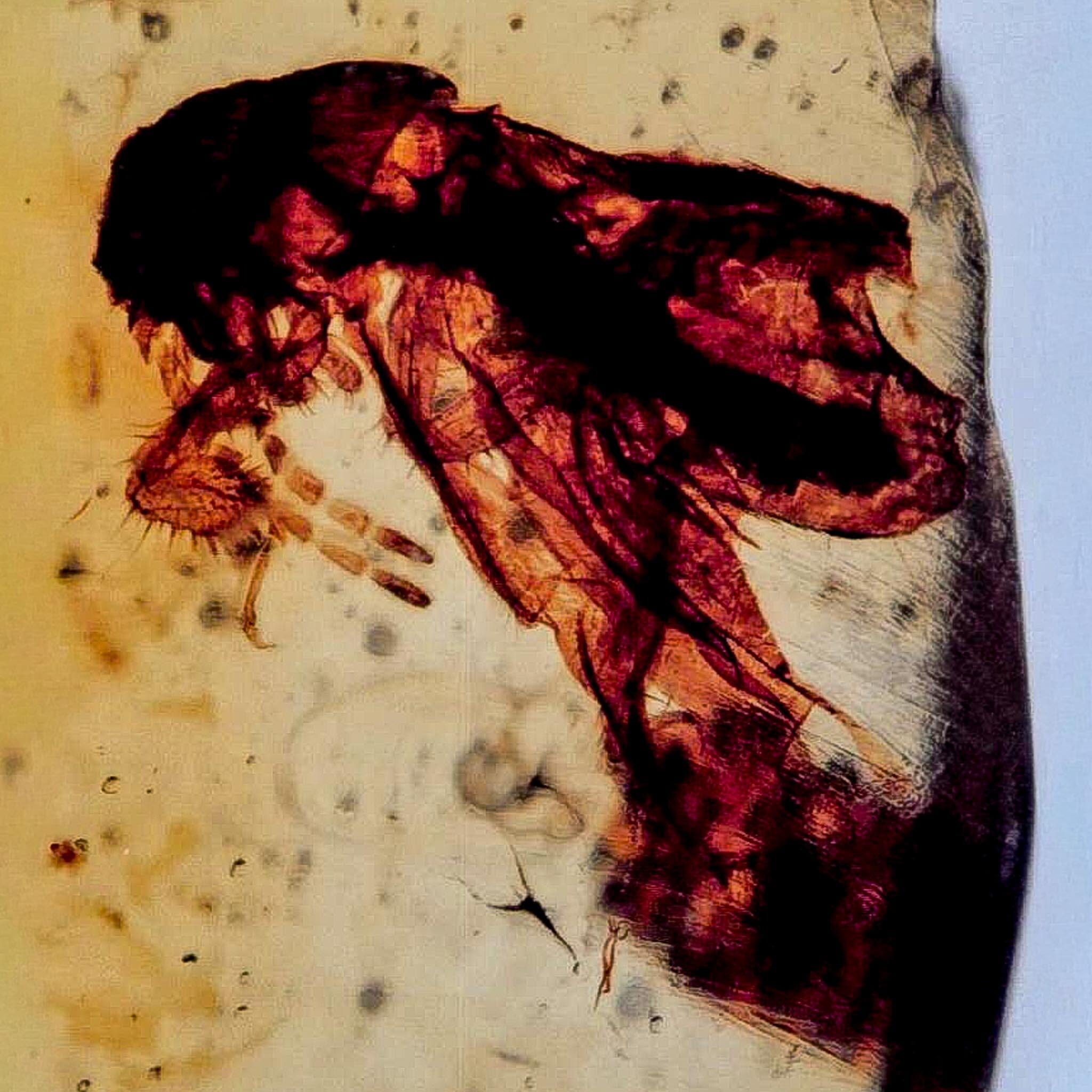
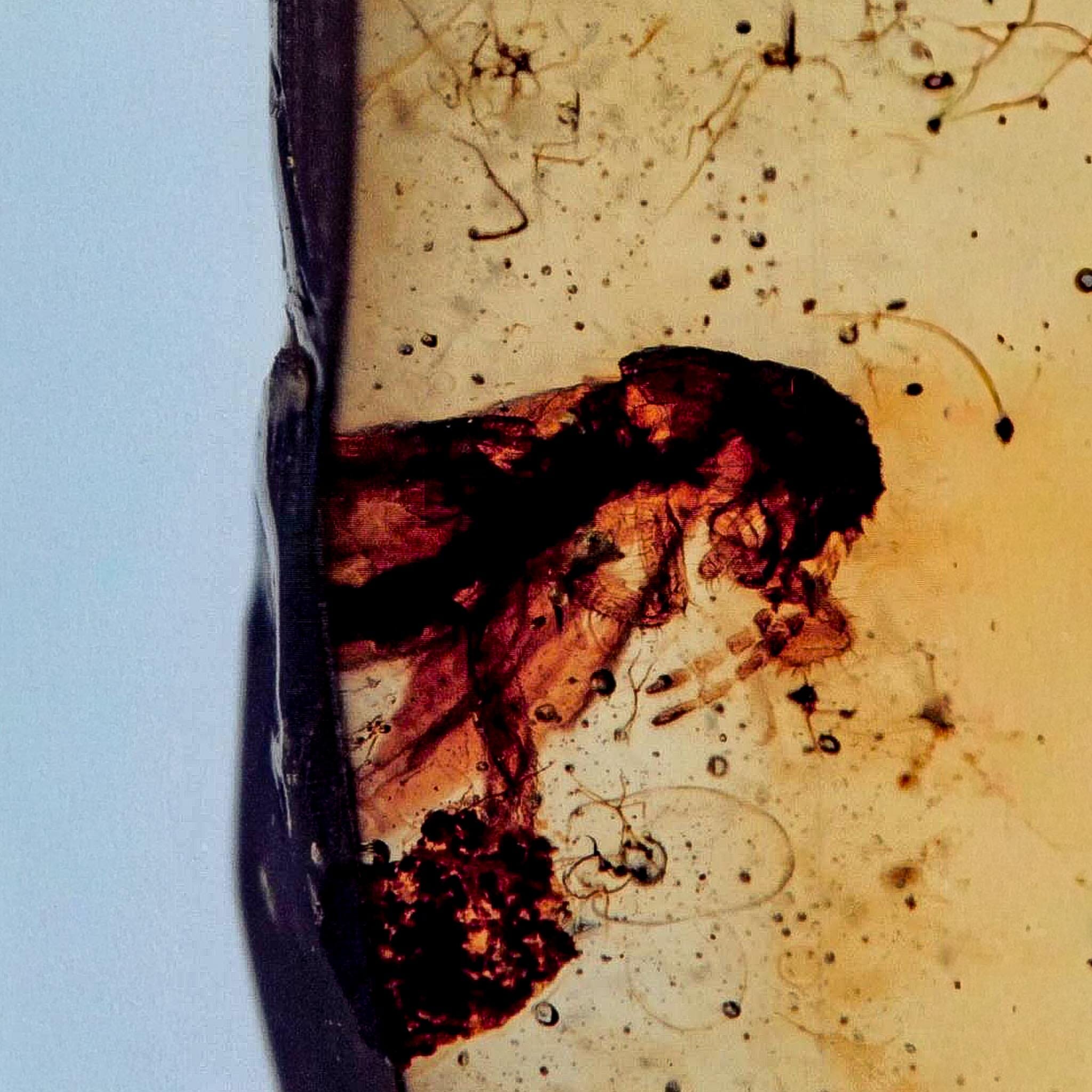
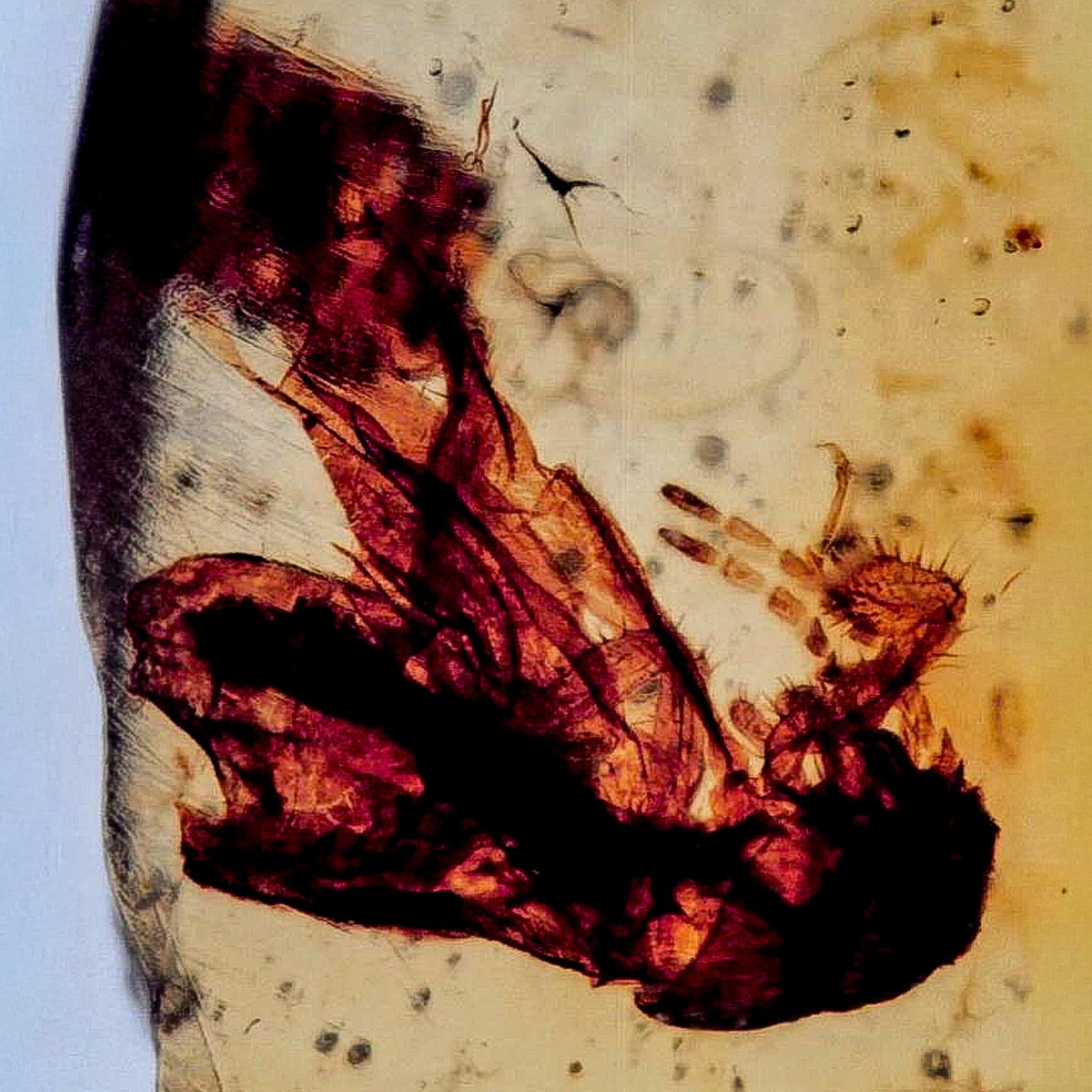
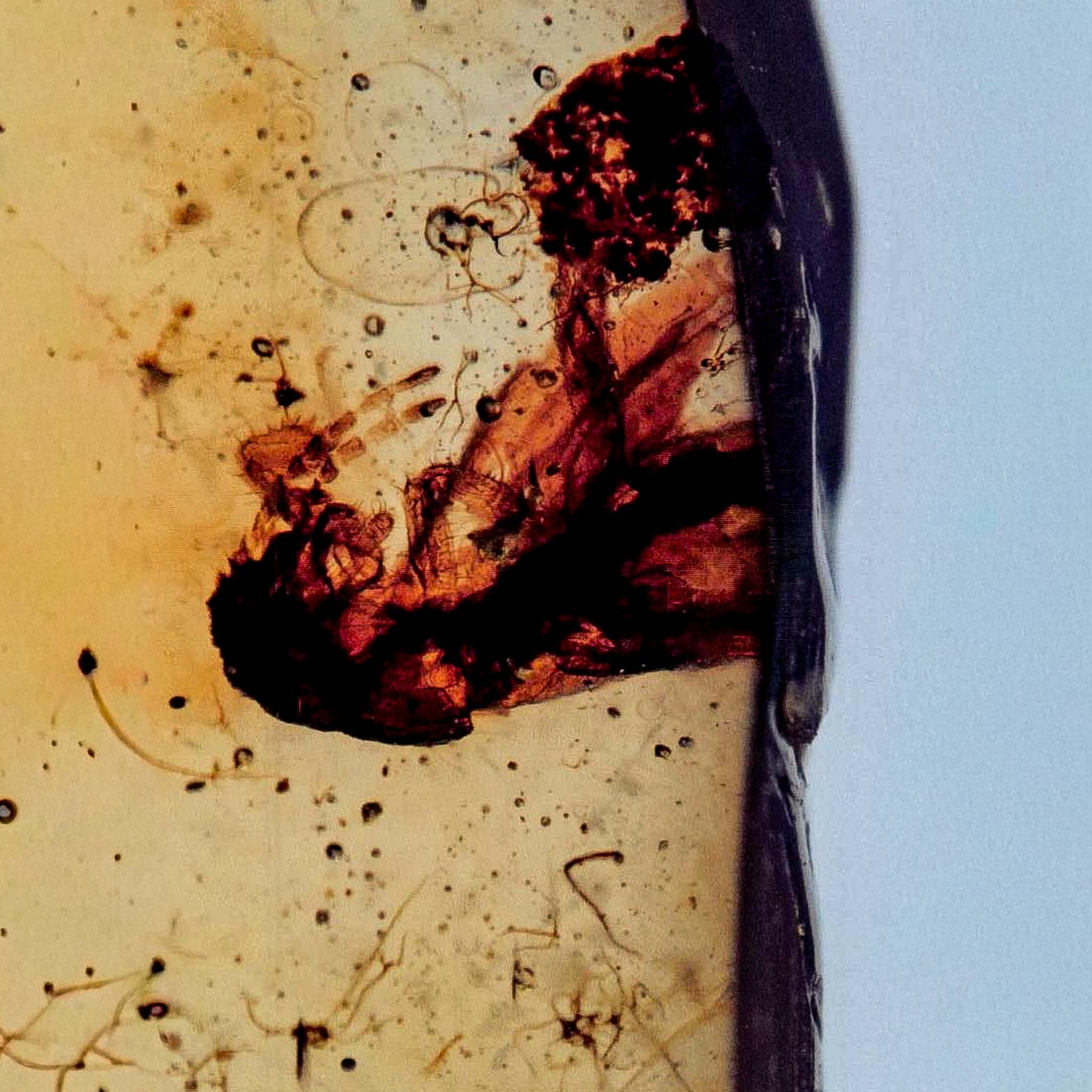
This piece of Amber contains insects, Plants, and other particles.
The item pictured is the one you will receive.
Cretaceous Age (66-145 million years ago)
Burmese amber, also known as Burmite or Kachin amber, is a 99-million-year-old fossil resin of immense scientific importance. Found in Myanmar’s Hukawng Valley, this amber originates from conifer trees that produced resin in the Late Cretaceous Cenomanian period. Over tens of millions of years, the resin underwent fossilization through heat and pressure, resulting in a durable, translucent material prized for both its beauty and scientific significance.
The value of Burmese amber lies in its inclusions, which preserve a remarkable variety of organisms. From tiny insects and spiders to plant fragments and small vertebrate remains, these inclusions capture ecosystems in exquisite detail. Burmese amber has contributed to major paleontological discoveries, including early evidence of feathers, behavioral traits in prehistoric insects, and unique microfossils, making it a cornerstone for research into Cretaceous life.