
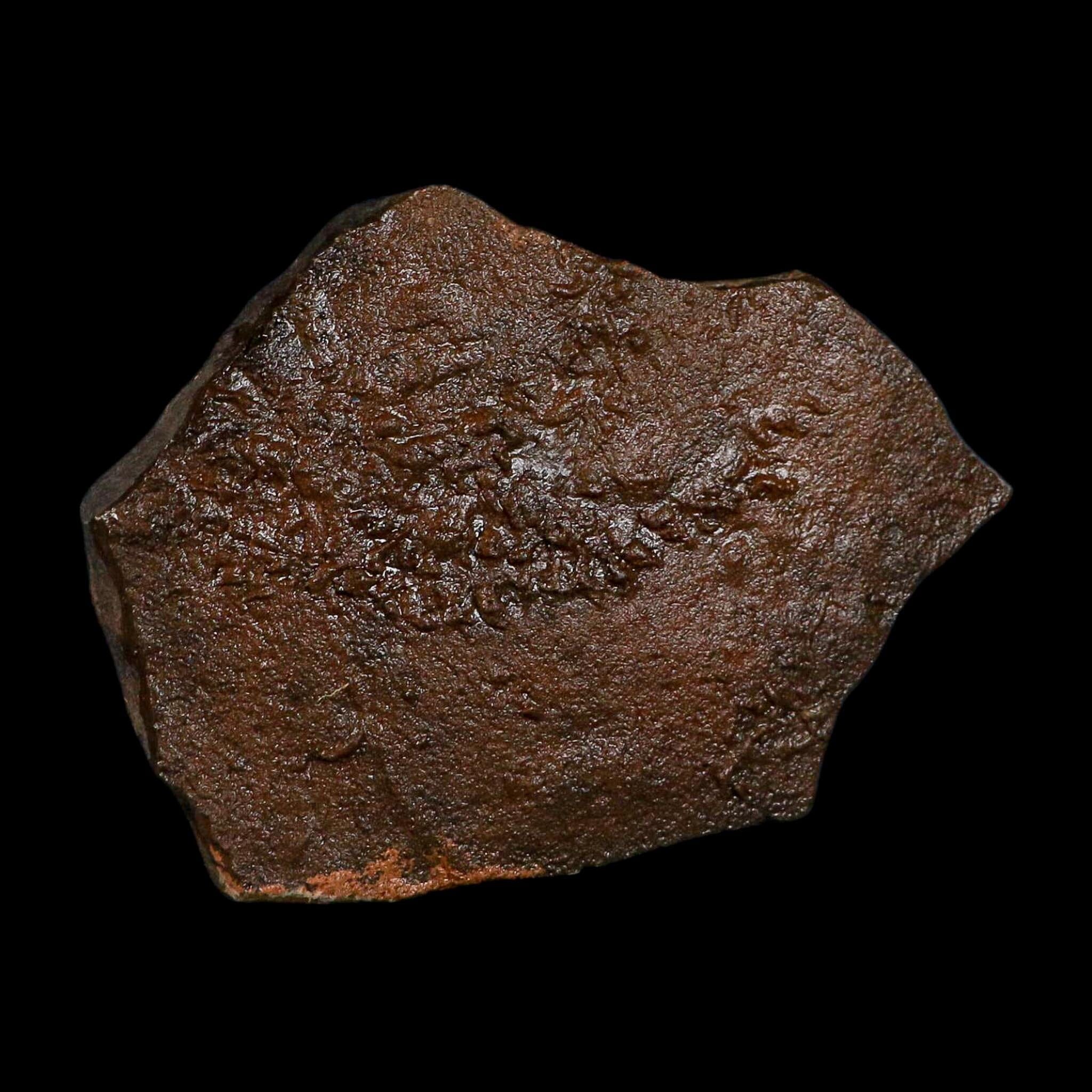
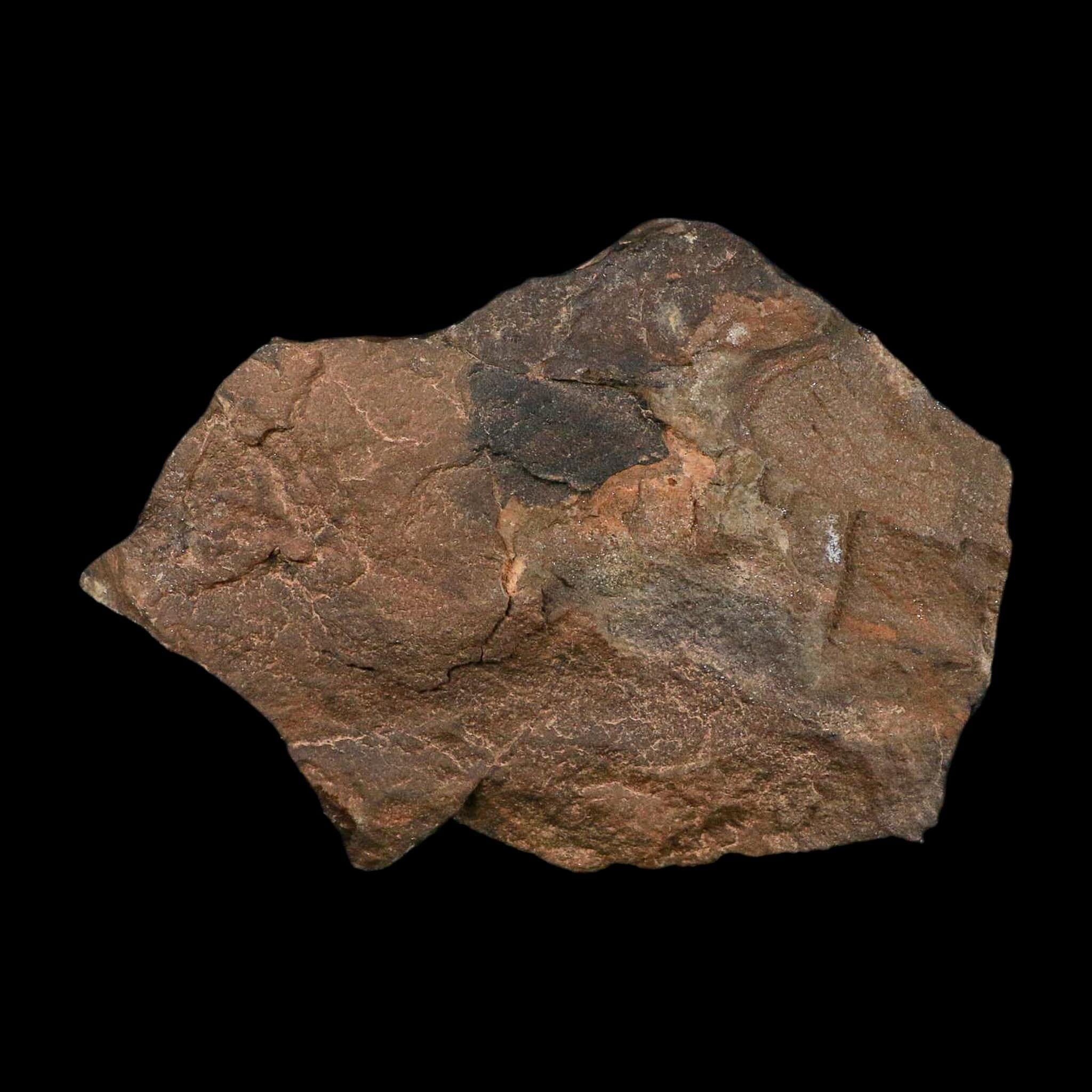


Description
Location: Ouzina, Morocco
Weight: 11 Ounces
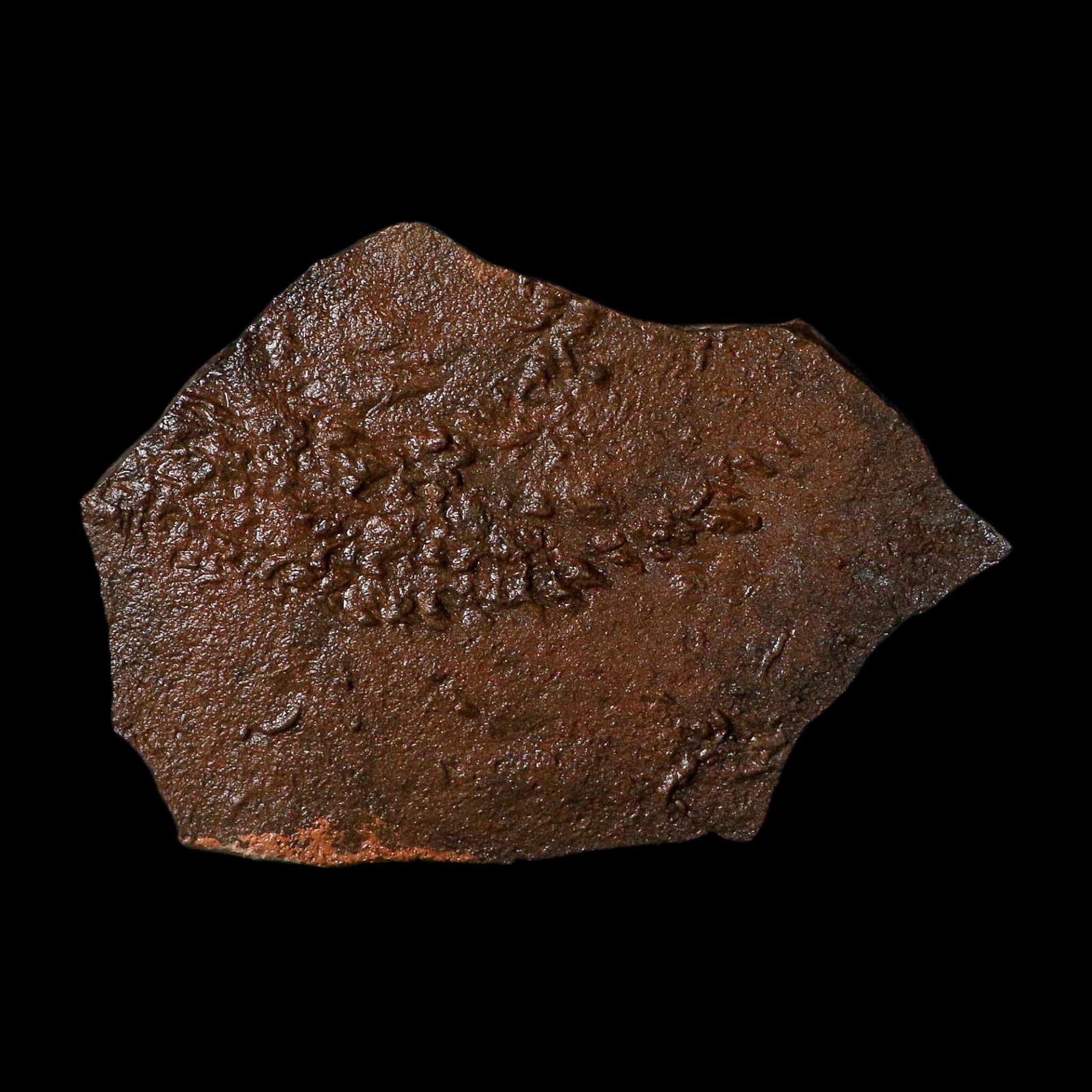
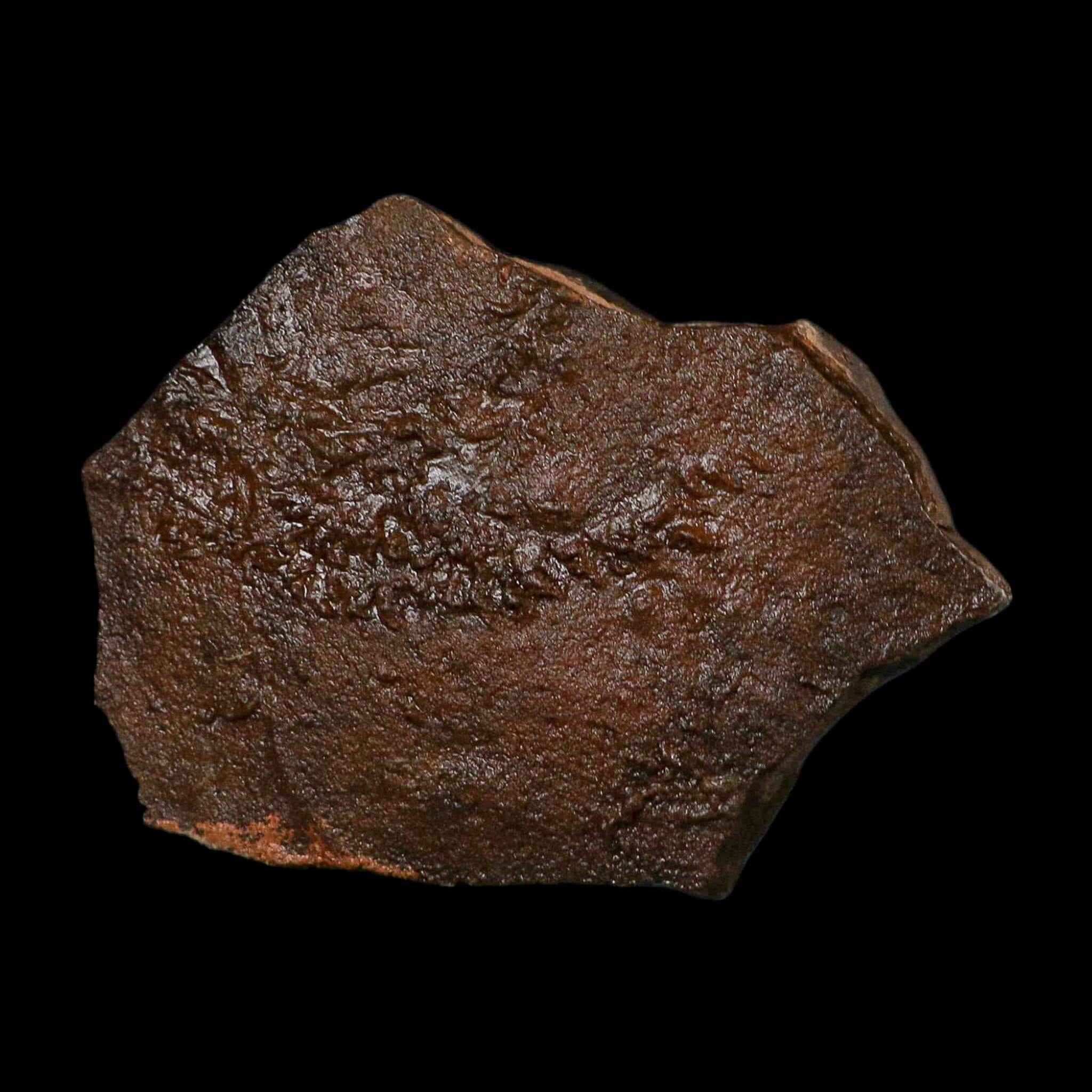
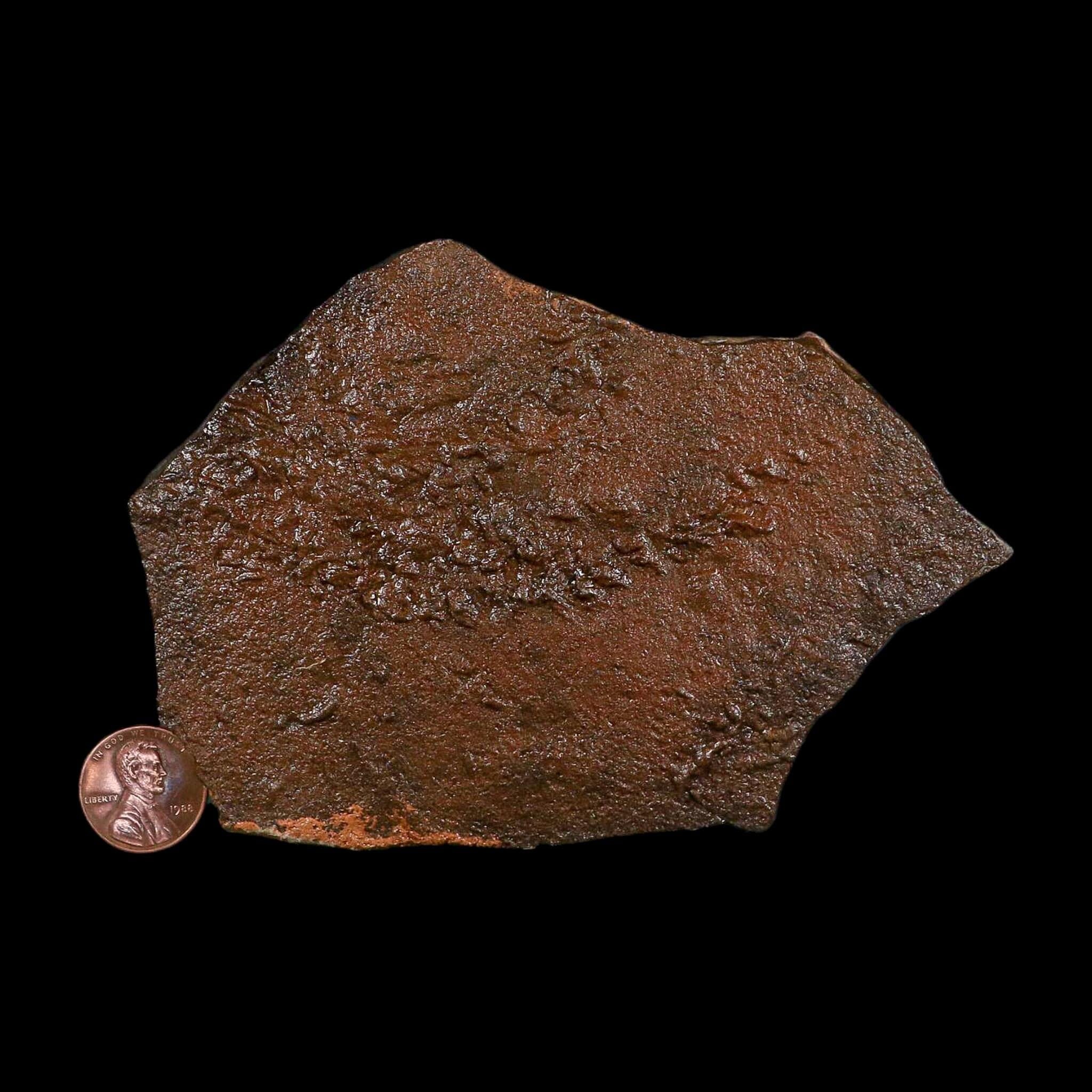
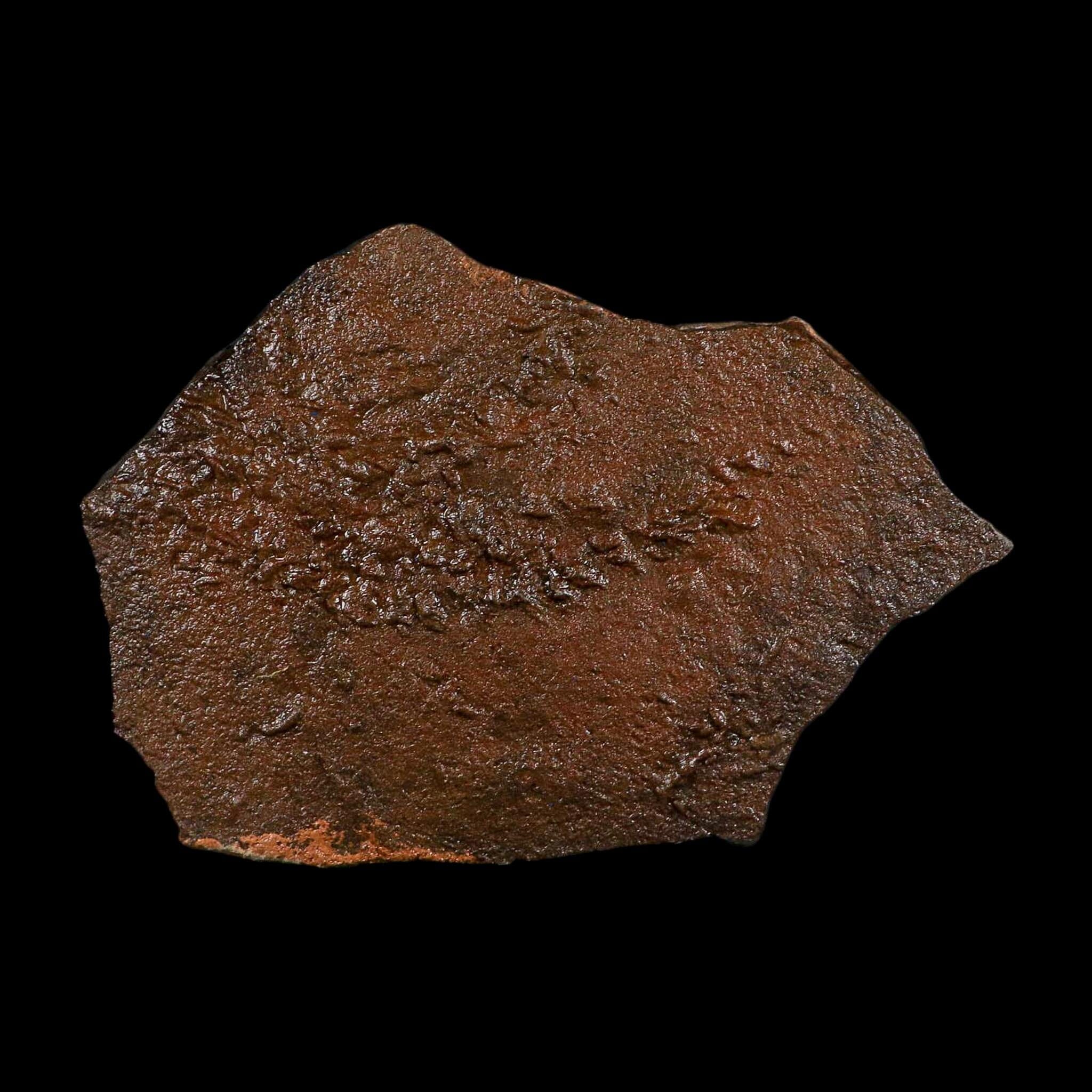
Dimensions: 5 Inches Long, 3.9 Inches Wide, 0.8 Inches Thick (Matrix)
Comes with a Certificate of Authenticity.
The item pictured is the one you will receive.
Trilobite trackways, labeled Cruziana and Rusophycus, are important trace fossils that provide paleontologists with direct insights into the behavior of ancient arthropods. Cruziana features bilobed, elongated furrows made as trilobites moved across the seafloor, whereas Rusophycus indicates resting or nesting traces where the animal dug into the sediment. These ichnofossils are especially common in Paleozoic layers, including well-preserved specimens found in Morocco's Ordovician deposits. The shape of these tracks is determined by the movement of the trilobite's biramous appendages, which left symmetrical impressions in the soft sediment. Examining the groove depth, width, and spacing allows scientists to understand trilobite locomotion and ecological roles. Since these organisms thrived during the Cambrian and Ordovician periods, their trace fossils are vital for sedimentologists and stratigraphers studying ancient marine environments. In Morocco, these tracks are often exceptionally well preserved thanks to the region's specific depositional conditions in ancient shallow seas.

Please be aware of the nature of fossils:
Being buried under tons of pressure for millions of years makes fossils rough. No fossil emerges perfect; most are restored or altered to improve presentation. Moroccan workers are professional in unearthing and preserving treasures, though surface cracks are visible—part of their natural beauty, not defects.