


Crocodiles Fossil Collection


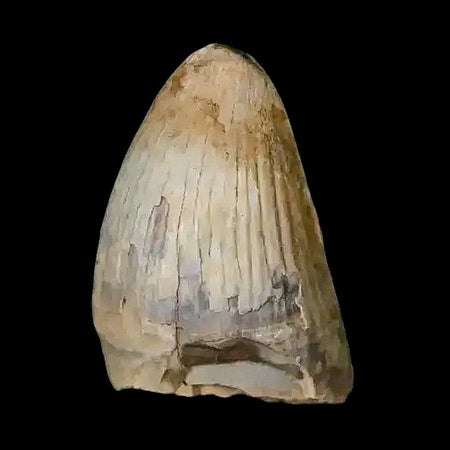
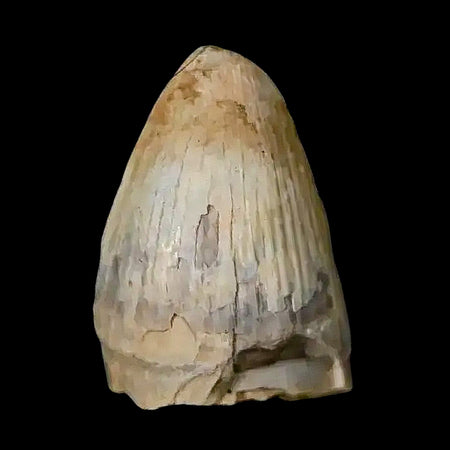
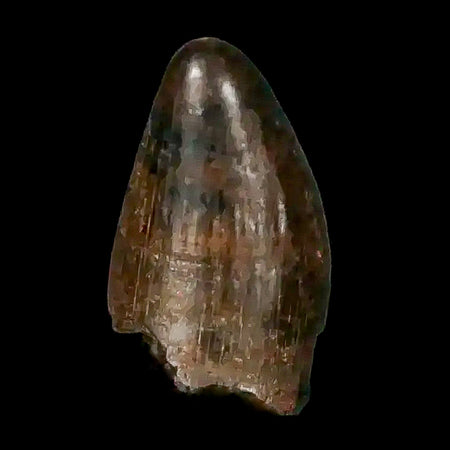
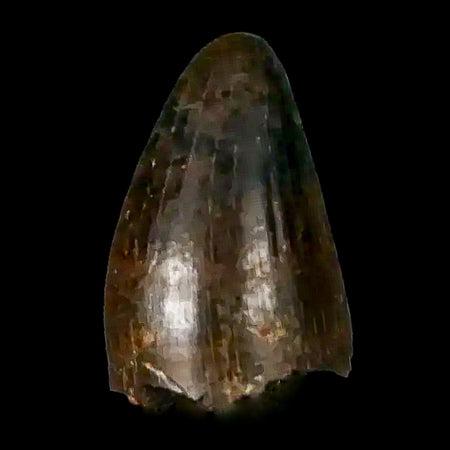
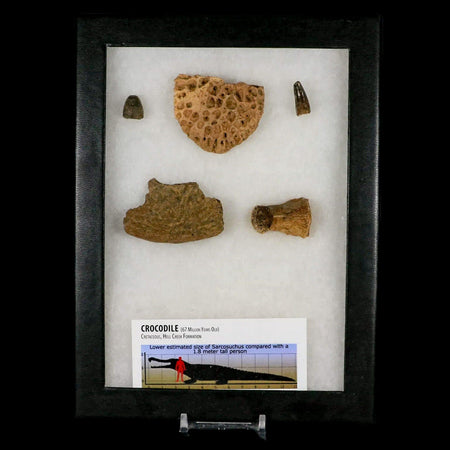
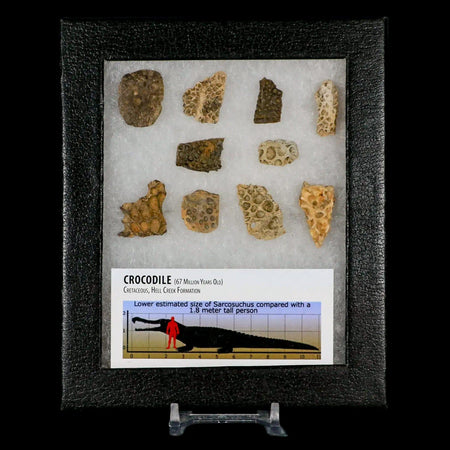


Fossil Crocodiles for Sale- Timeless Survivors of Earth’s Ancient Waterways
Crocodiles are among the few prehistoric animals that truly represent the concept of survival. Over Earth's history, many species have become extinct, but crocodilians, with their unalterable bony framework, have survived the past millennia. The Fossil Crocodiles for Sale collection of Fossil Age Minerals sells genuine fossils of these long-extinct reptiles, whose remains have become the veritable last chapter in ancient rivers, swamps, and coastal ecosystems.
This entire collection is purely inheritable—unmodified, essentially real, and shaped throughout geological time.
Crocodiles Before the Modern World
The ancient crocodiles were wholly different from those that exist today. The fossil record amply provides evidence of diverse prehistoric crocodilians, from long-snouted fish hunters to robust stealth predators, adapted to life on both land and water.
These creatures lived alongside dinosaurs in environments such as wet, flat floodplains, placid delta systems, and small inland seas. Fossil crocodiles bear evidence of how jaws, body patterns, body armor, and walking evolved to adapt to an ever-changing environment long before humans existed.
Why Crocodile Fossils Are Distinctive
Crocodile fossils differ from many other reptile fossils because they preserve functional strength rather than fragility. Their dense bones and thick enamel teeth fossilize exceptionally well, often retaining fine anatomical detail.
Collectors value crocodilian fossils for:
- Their clear anatomical features
- Their direct connection to living reptiles
- Their durability and display longevity
- Their role in illustrating evolutionary continuity
Unlike highly specialized dinosaurs, crocodiles represent a lineage defined by efficiency—and their fossils reflect that design philosophy.
Specimens from This Collection
The Fossil Age Minerals crocodile collection consists of genuine prehistoric material selected for its quality, state of preservation, and scientific importance.
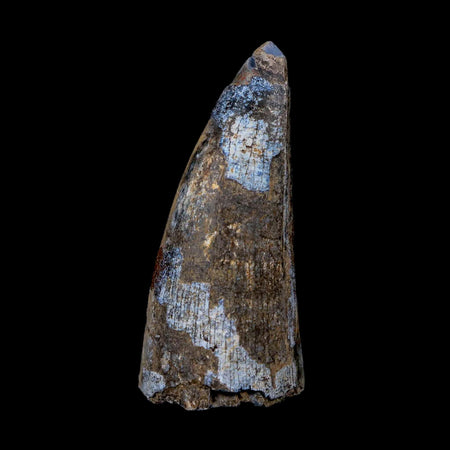
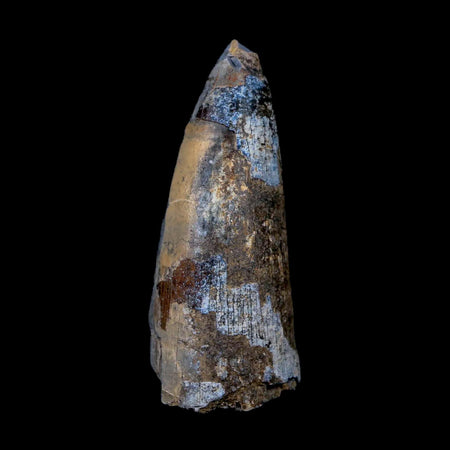
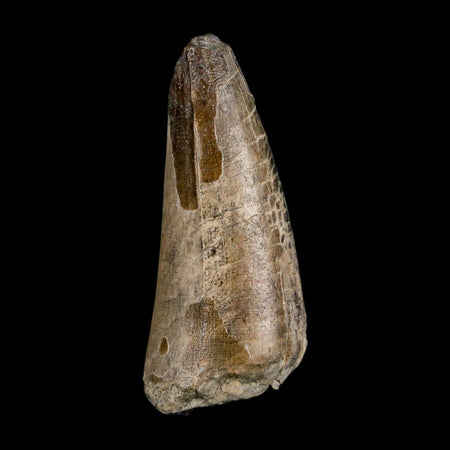
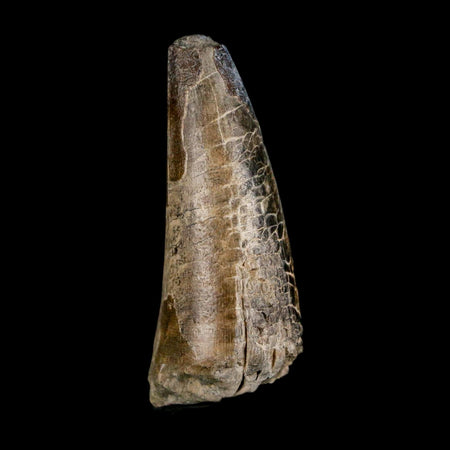
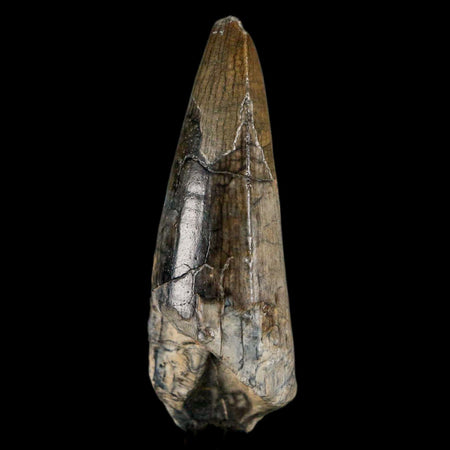
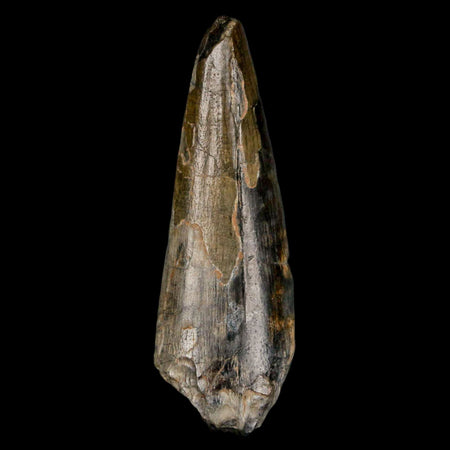
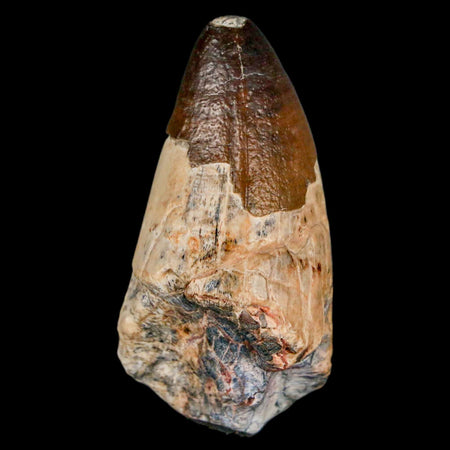
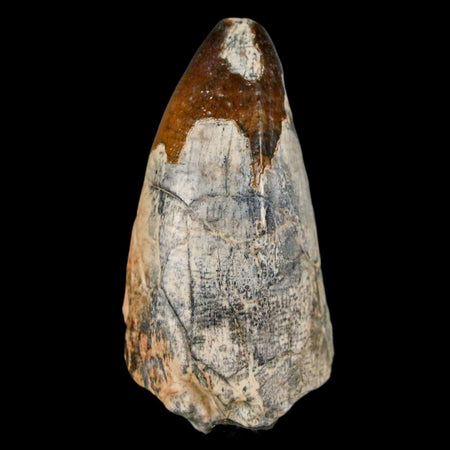
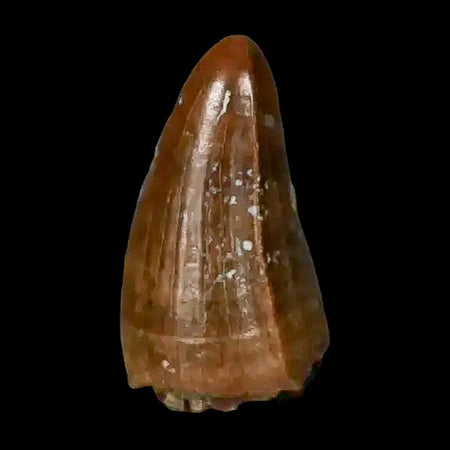
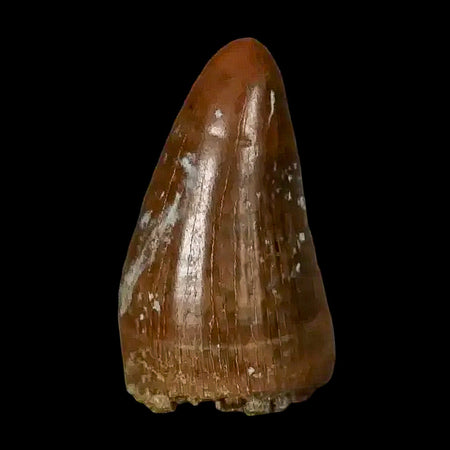
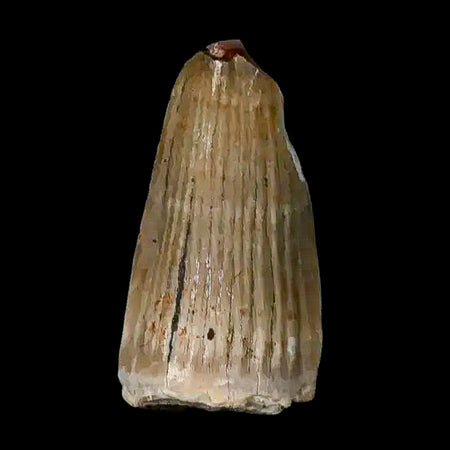
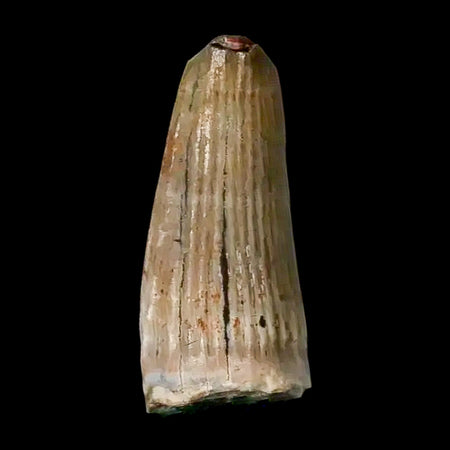
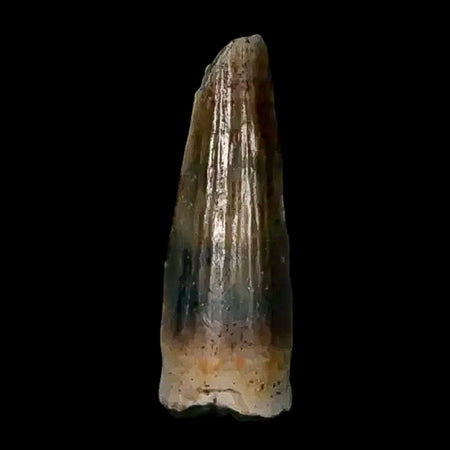
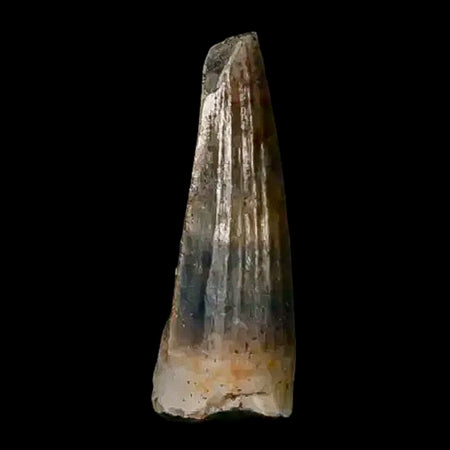
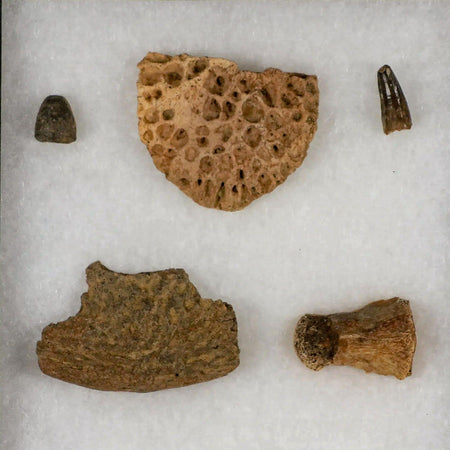
Crocodile Fossil Teeth
These conical, naturally smooth fossils give a glimpse into how they used their teeth for feeding and reflect fixed jaws, showing a gripping and retention strategy rather than a slashing technique, leaving a shape that suits preying on aquatic environments.
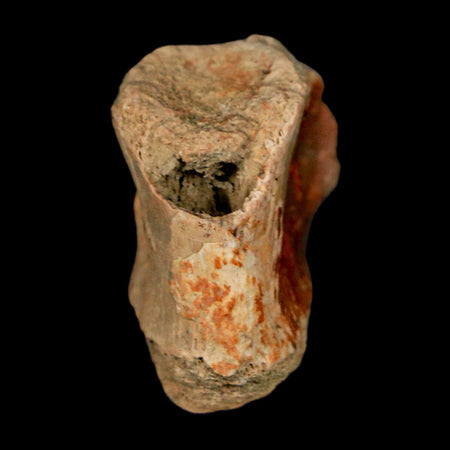
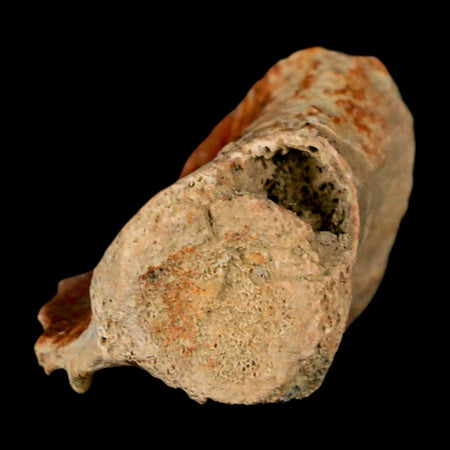
Backbone and Structural Elements
Crocodilian vertebral columns and skeletal elements reveal how those animals could move, swim, and support massive muscle architectures. Each piece carries the structural adaptation that these animals have fine-tuned over millions of years.
Natural Display Fossils
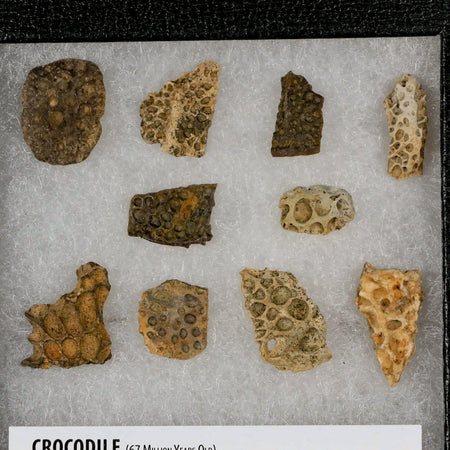
Some specimens have brought out the mineral color or textural detail that makes them visually striking while remaining entirely natural. They are perfect for educational situations. Private homes or professional entities will truly love them.
A Window Into Ancient Ecosystems
Fossil crocodiles serve as important ecological indicators, indicating a well-preserved freshwater or brackish system that was rich in fish and other prey. Paleontologists can thus study crocodile fossils to infer ancient climate, water systems, and predator hierarchies.
Crocodiles are similar to their modern relatives, and the fossils, which are all that remain of them, provide a rare bridge between extinct ecosystems and contemporary biology, especially for comparative study.
Authentic Fossils, Responsibly Offered
All crocodiles from Fossil Age Minerals are genuine, naturally fossilized examples, carefully inspected to verify that each is composed of authentically ancient materials rather than cast or artificial composite material.
Each listing is accompanied by a descriptive passage and a photograph, allowing collectors to examine the piece more closely as they decide.
Explore Fossil Crocodiles for Sale
Each fossil crocodile in this collection is an artifact inherited and passed down from the days of dinosaurs. The preserved artifacts pertain to the isolated teeth, possibly their weighty components, such as parts of the skeleton, giving an idea of what the creature looked like long before the inception of today's species.
Look up the Fossil Aquatics collection for sale and own a real piece of prehistoric life, manifested in stone by water, time, and evolution!
FAQs
Q1. Are the fossil crocodiles real?
Yes. Every fossil crocodile specimen offered is an authentic, naturally fossilized piece sourced from known fossil-producing regions and verified before listing.
Q2. What types of crocodile fossils are available?
The collection typically includes genuine crocodile teeth, vertebrae, and other skeletal elements, with availability varying with natural discoveries.
Q3. How old are fossil crocodile specimens?
Most fossil crocodiles date back millions of years, often from the Mesozoic and early Cenozoic eras when prehistoric crocodilians thrived in ancient waterways.
Q4. Are fossil crocodiles suitable for display or education?
Absolutely. Their durability and clear anatomical features make crocodile fossils ideal for personal collections, classrooms, and professional display settings.