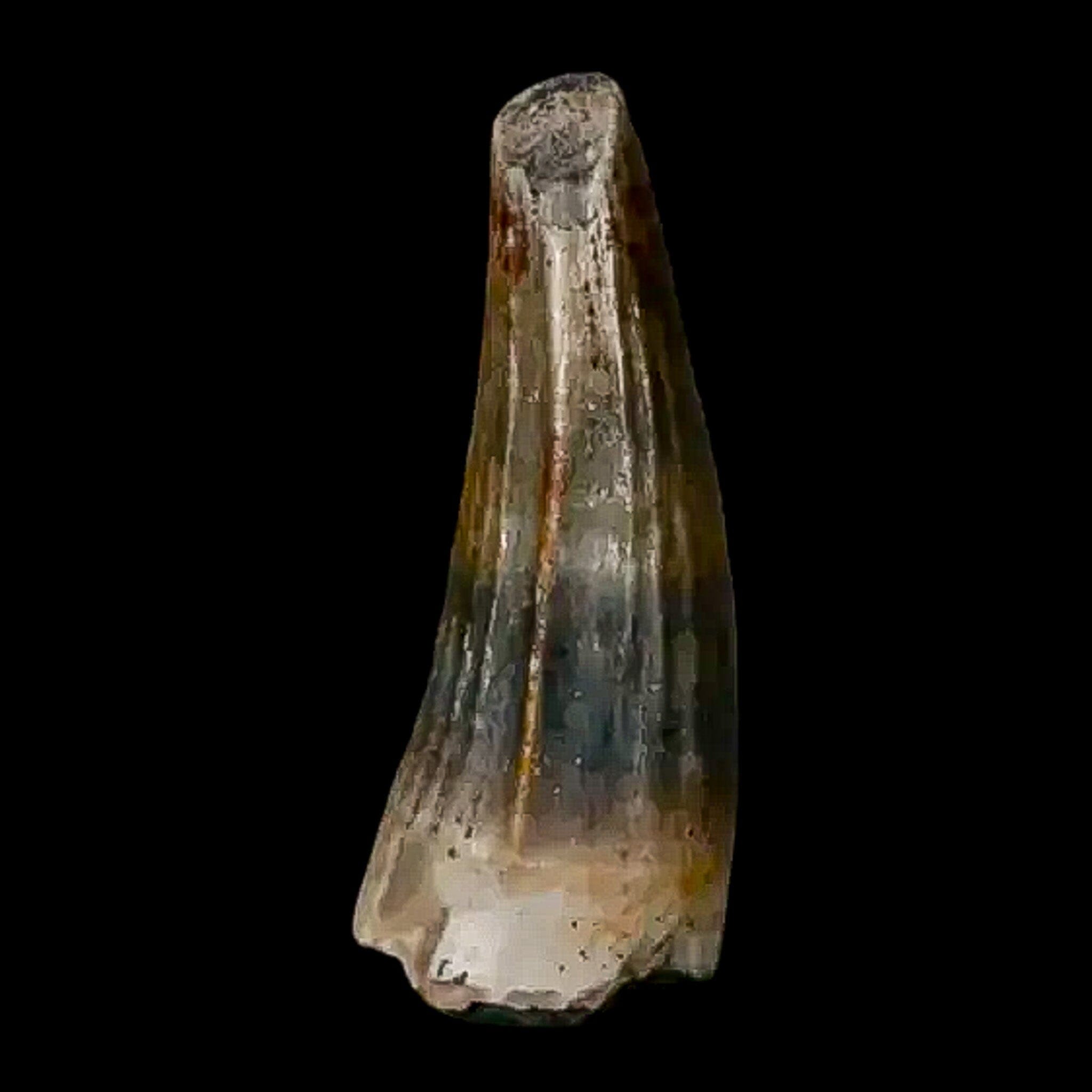
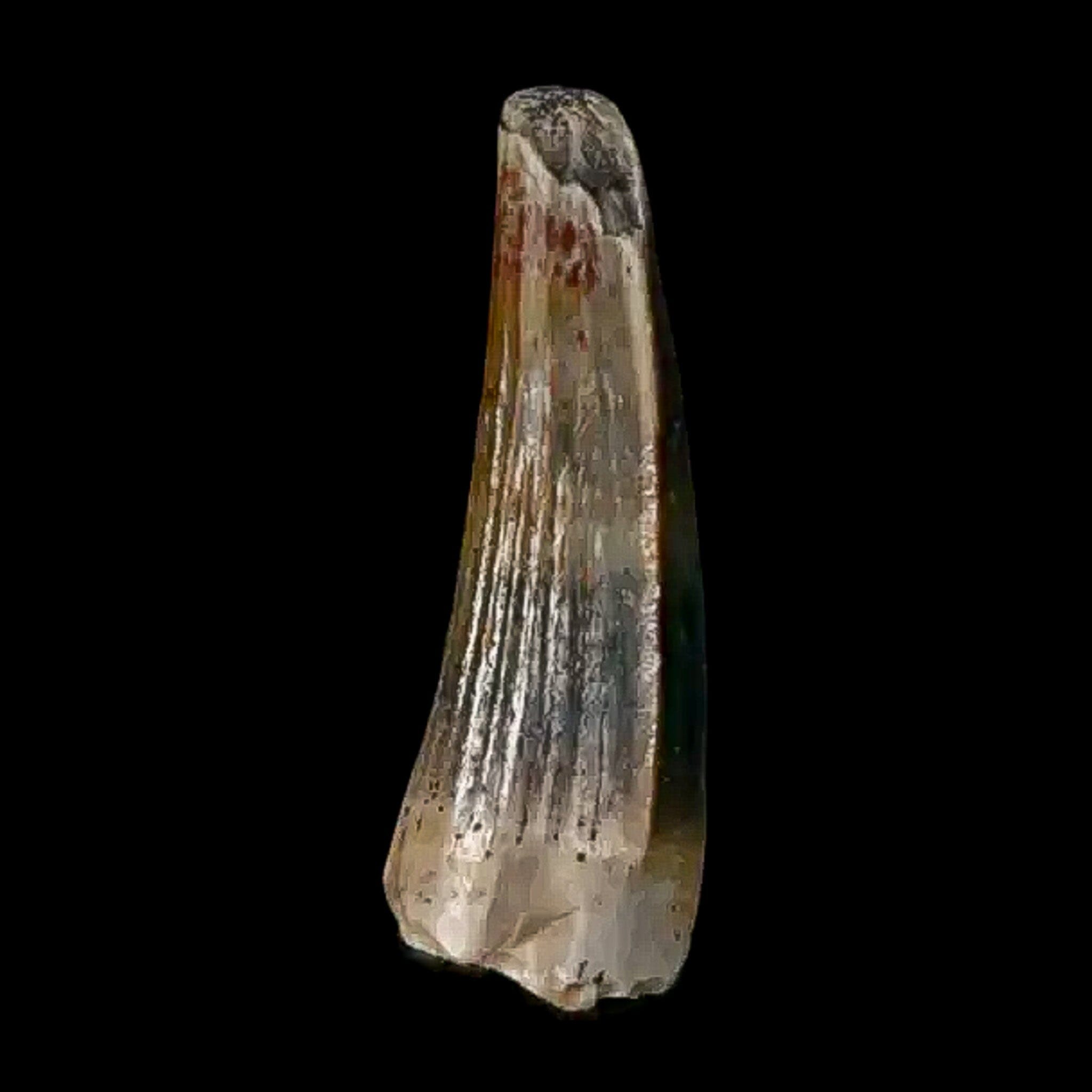
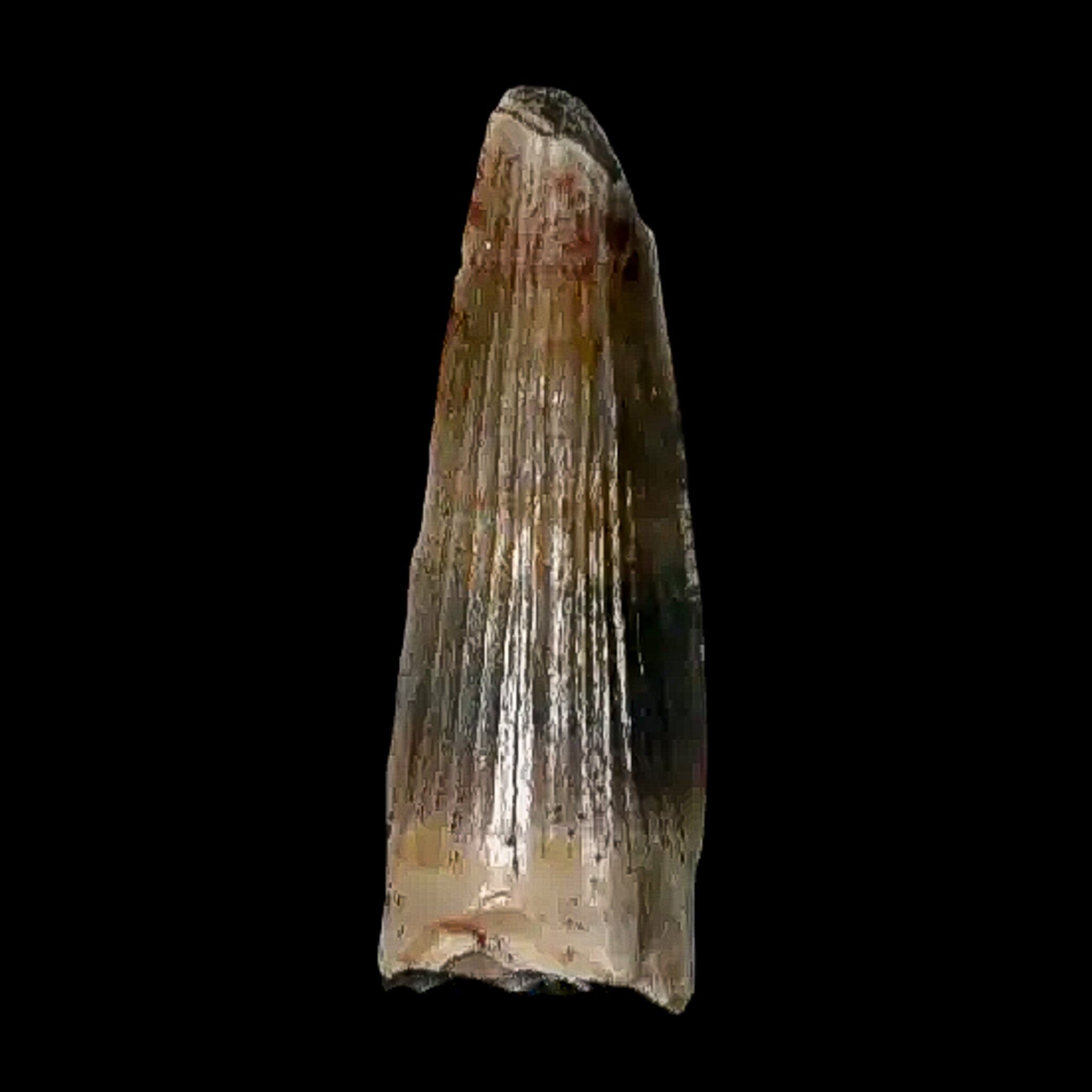
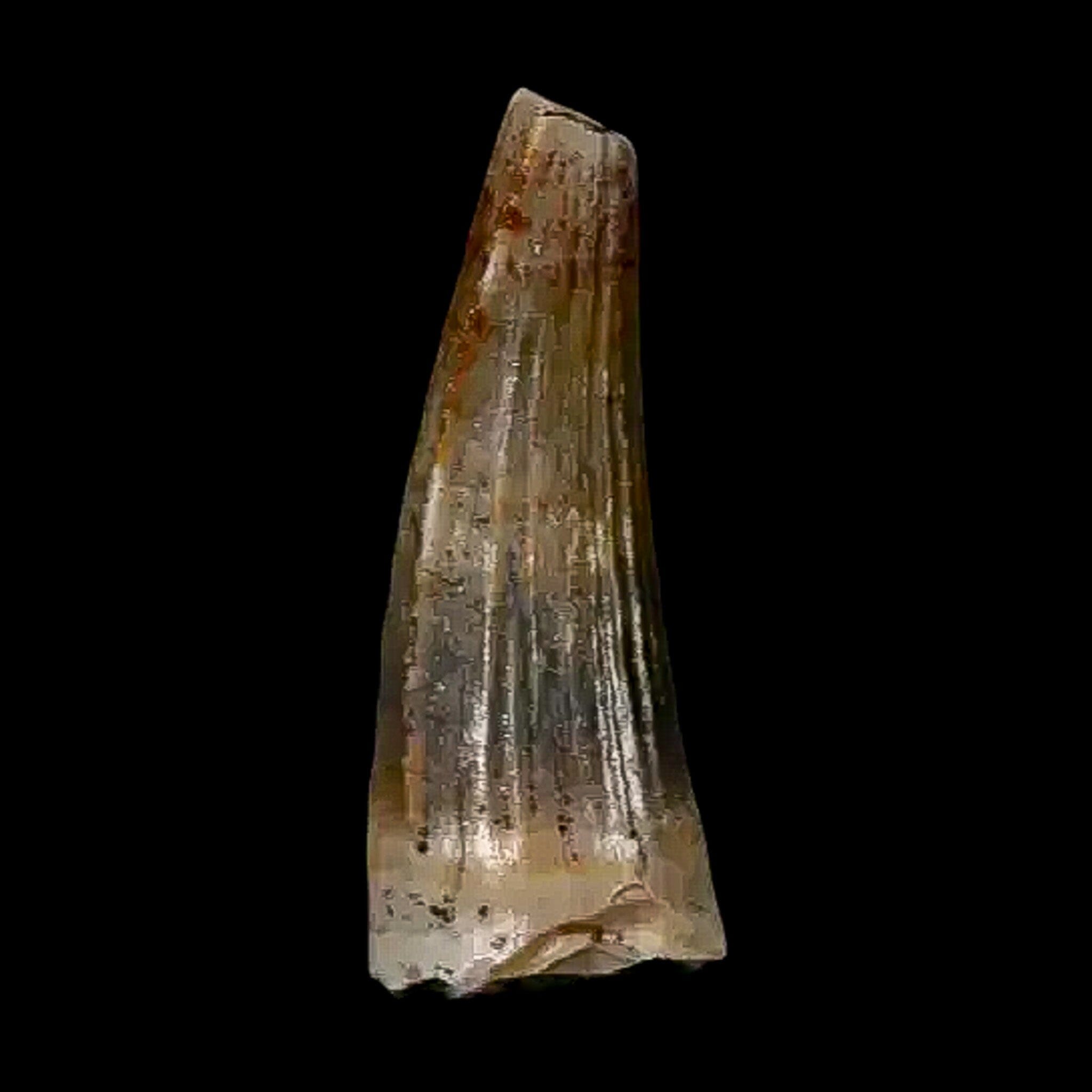


Description
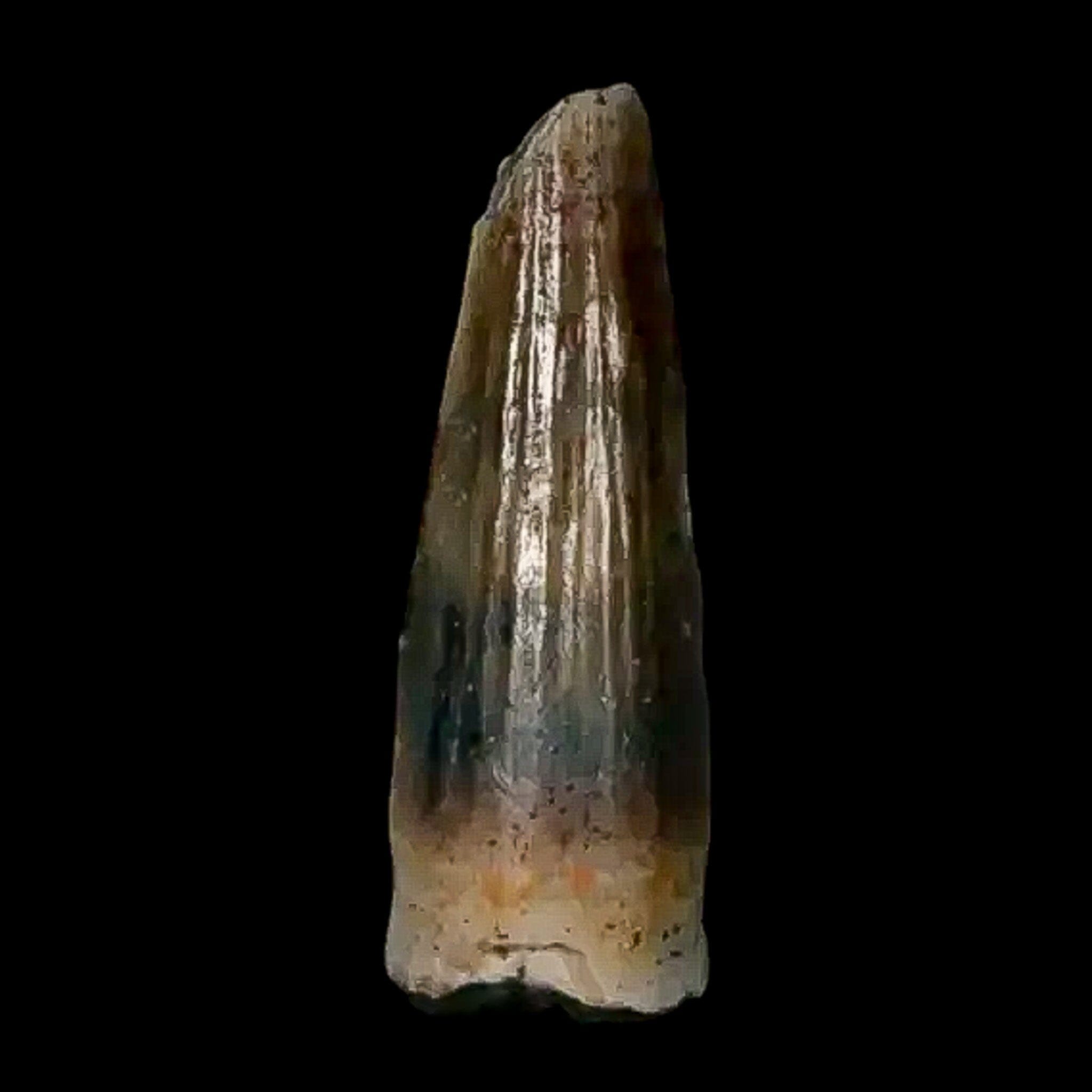
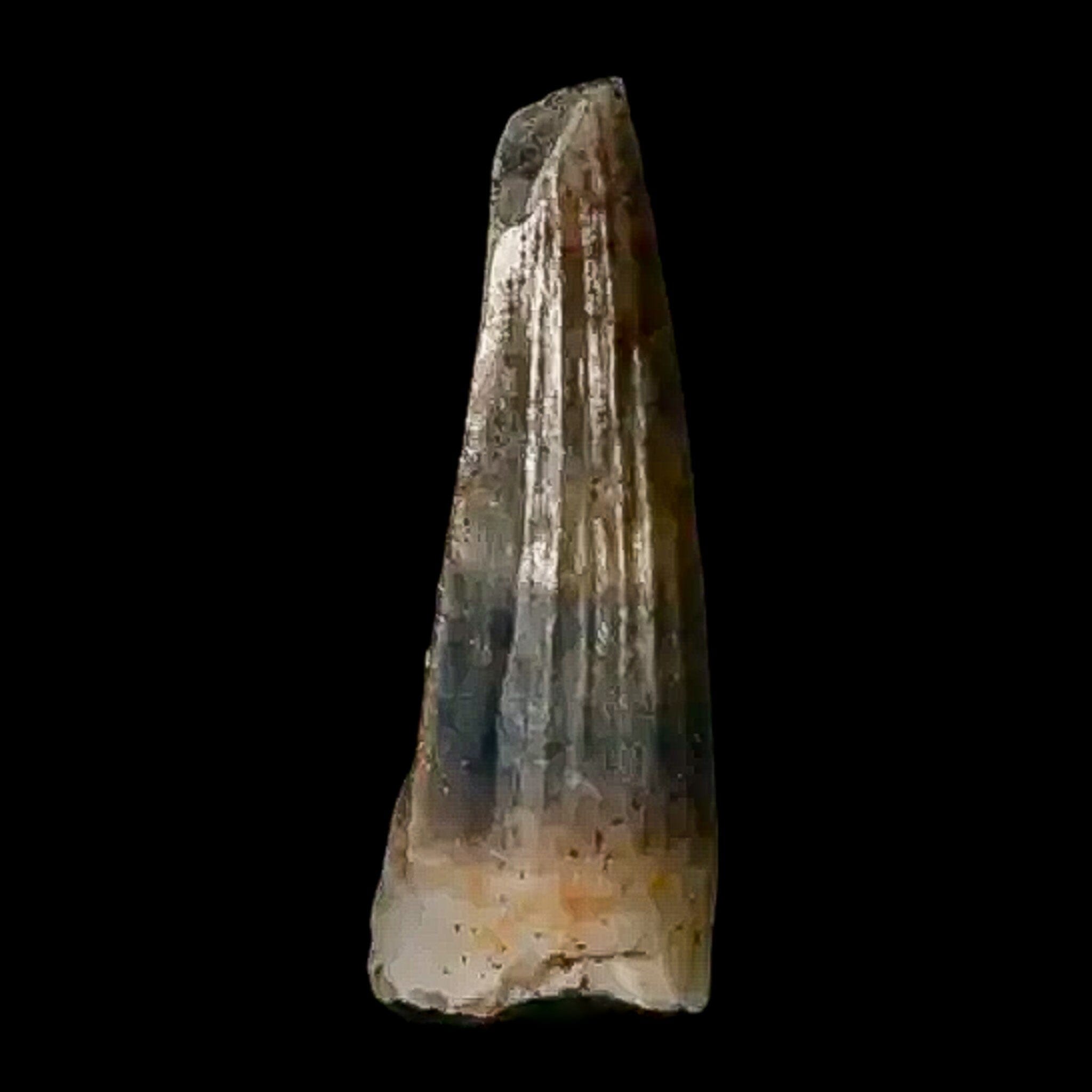
Location: Judith River Formation, Montana (Private Land Origin)
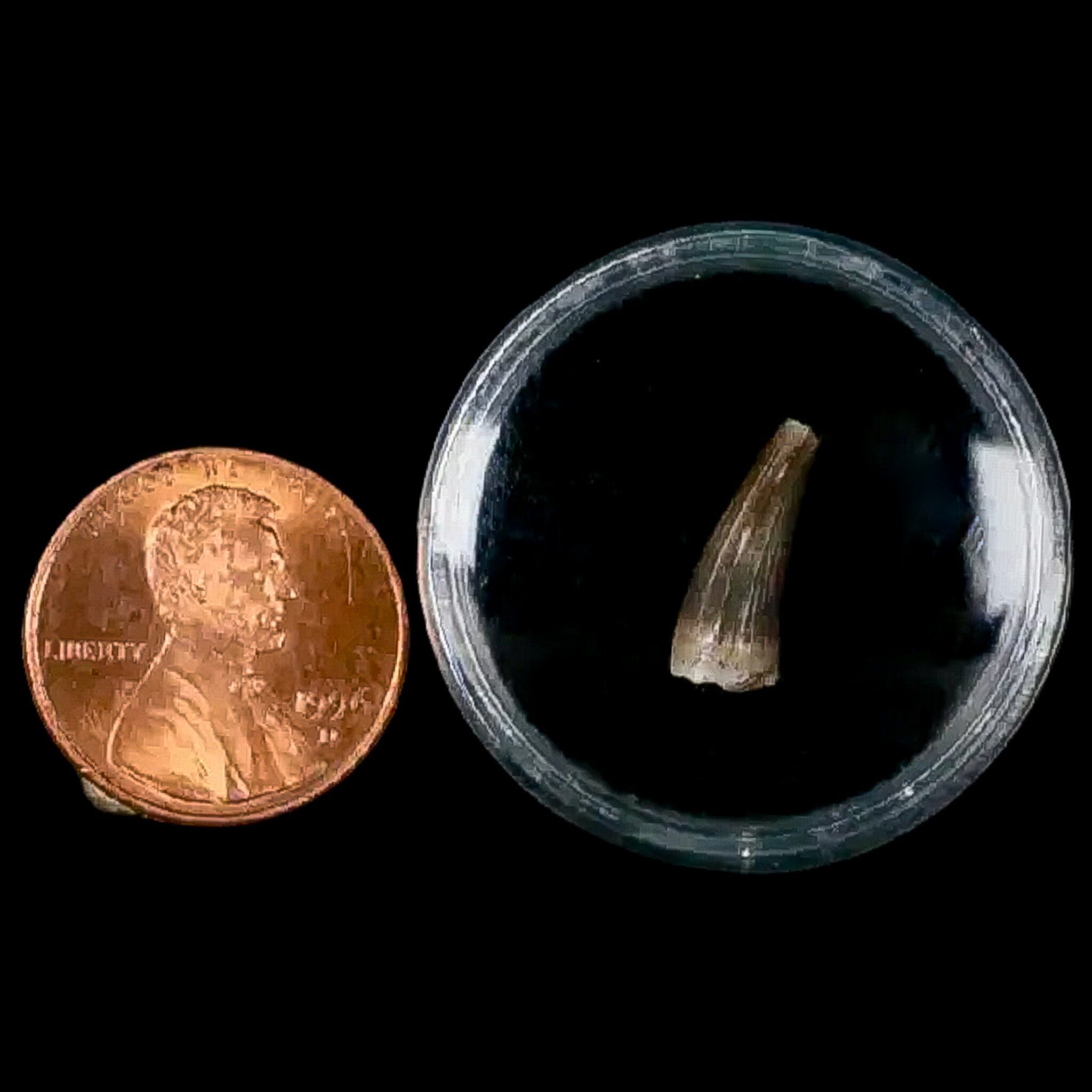
Weight: 0.3 Ounces
Dimensions: 0.5 Inches Long, 0.1 Inches Wide, 0.1 Inches Thick
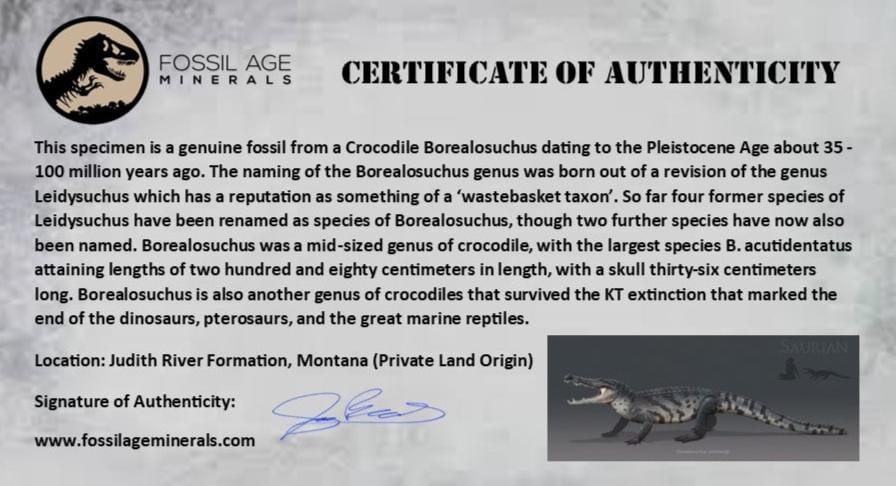
Comes with a Certificate of Authenticity.
Comes with a Free Display.
The item pictured is the one you will receive.
Cretaceous Age through to the Eocene Age
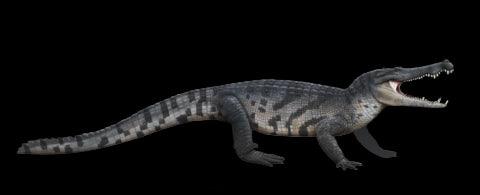
Name: Borealosuchus (Boreal crocodile).
Named By: Chris Brochu - 1997.
Classification: Chordata, Reptilia, Crocodylomorpha, Crocodylia.
Diet: Carnivore/Piscivore.
Size: Up to 2.8 meters long, though there is some variance between species.
Time period: Campanian of the Cretaceous through to the Eocene.
Fossil representation: Skulls and postcranial remains.
The genus Borealosuchus was established after a revision of the genus Leidyosuchus, which had long been regarded as a “wastebasket taxon”, a catch-all for species that did not clearly belong elsewhere. As a result of this revision, four species previously assigned to Leidyosuchus were reclassified under Borealosuchus, with two additional species described more recently.
Borealosuchus was a mid-sized crocodile, with the largest species, Borealosuchus acutidentatus, reaching lengths of approximately 2.8 meters (280 centimeters) and possessing a skull about 36 centimeters long. Its build suggests a capable predator that navigated rivers and wetlands, hunting fish and smaller vertebrates with agility.
Notably, Borealosuchus was among the crocodile genera that survived the K–T extinction, the event that ended the reign of dinosaurs, pterosaurs, and many giant marine reptiles. Other crocodiles, such as Dyrosaurus and Brachychampsa, also survived, highlighting how certain physiological traits, ecological flexibility, and semi-aquatic habits may have enabled these reptiles to endure one of Earth’s most dramatic extinction events.
