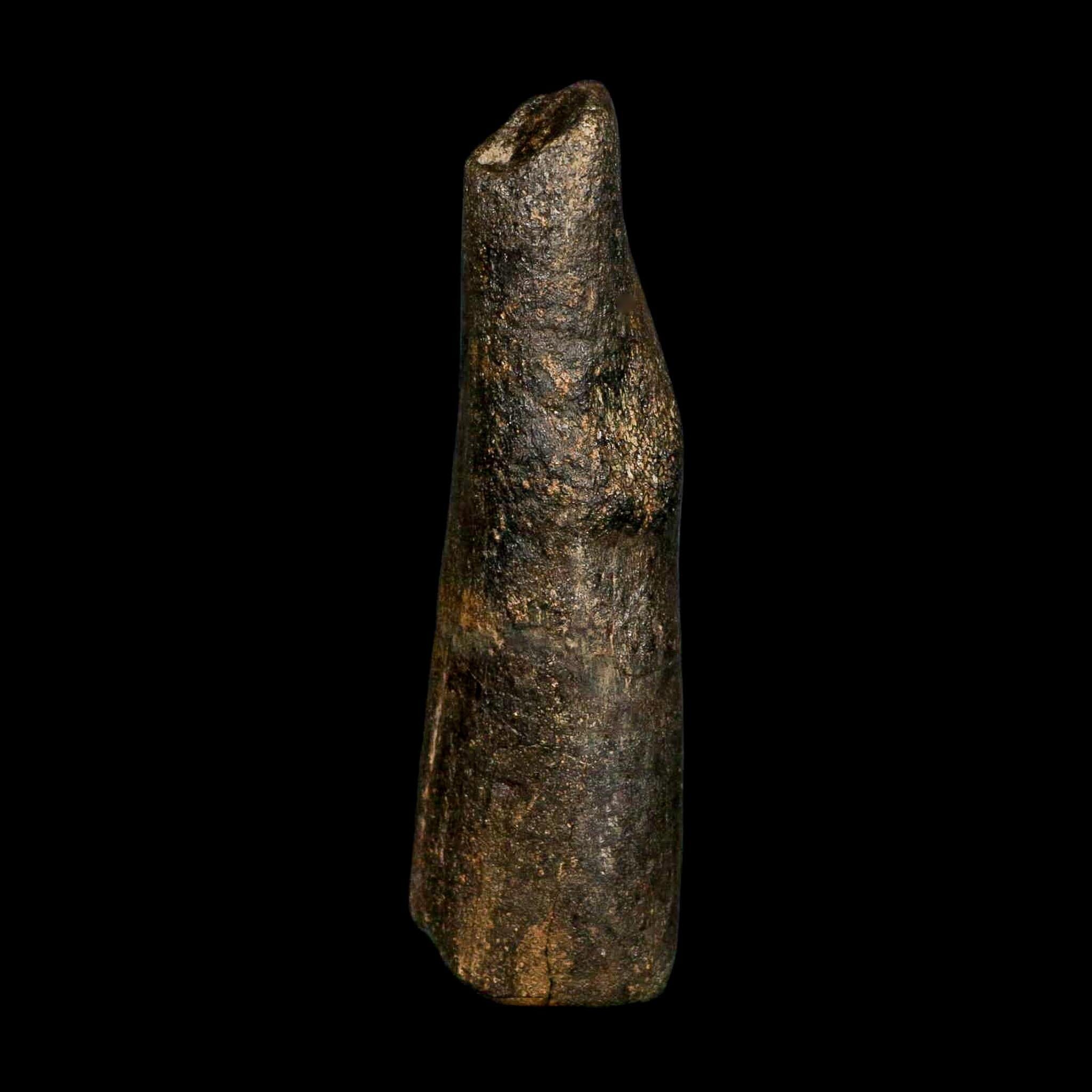
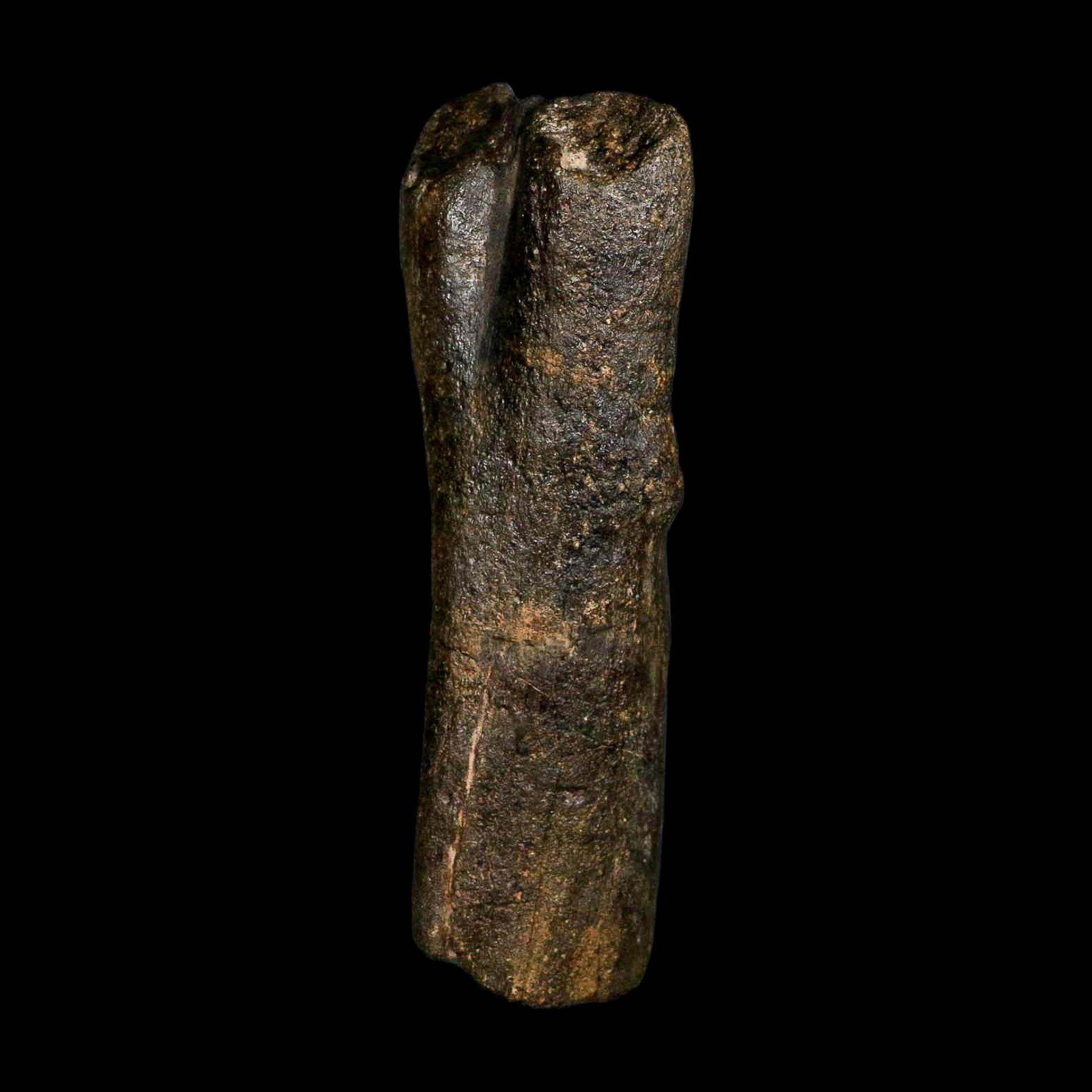
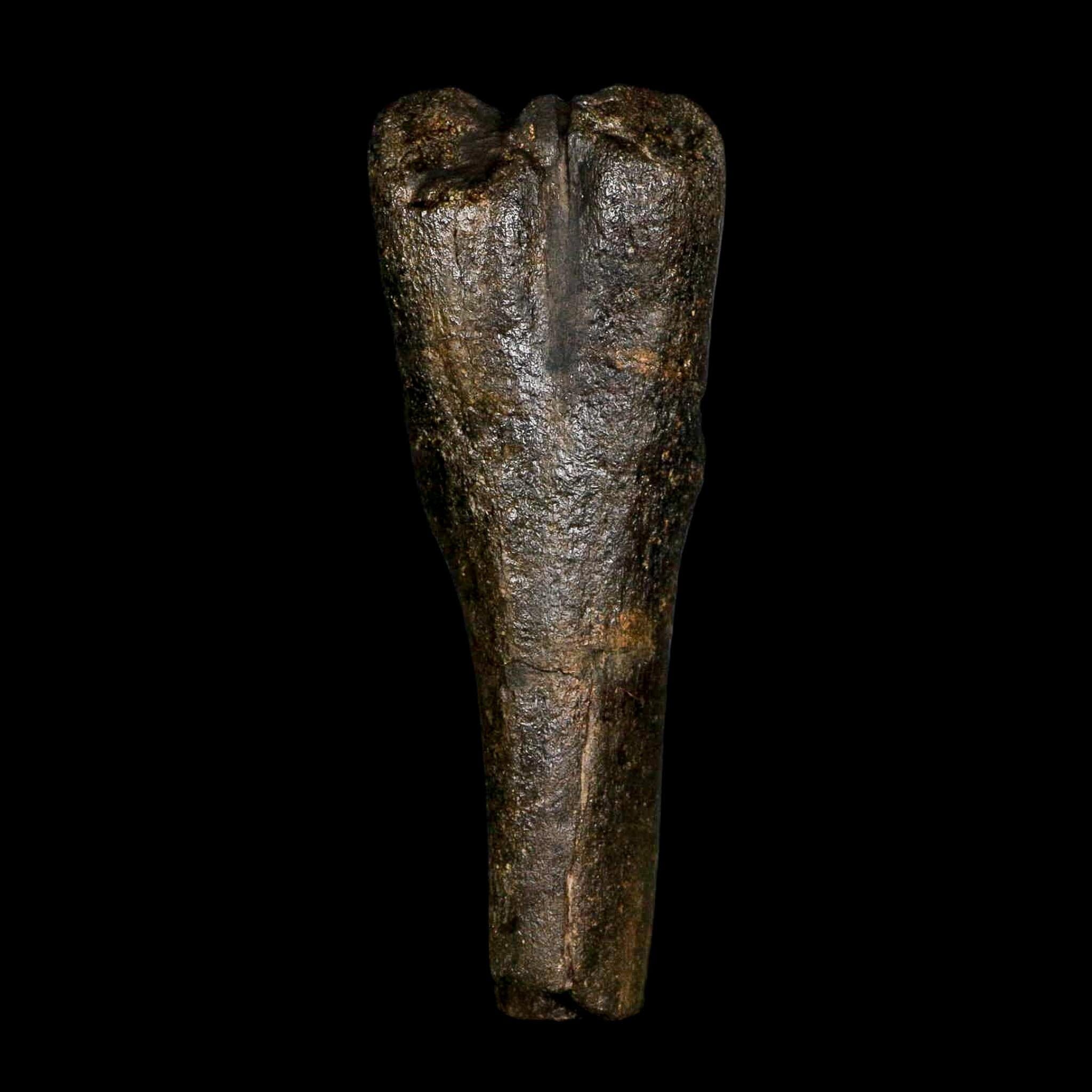
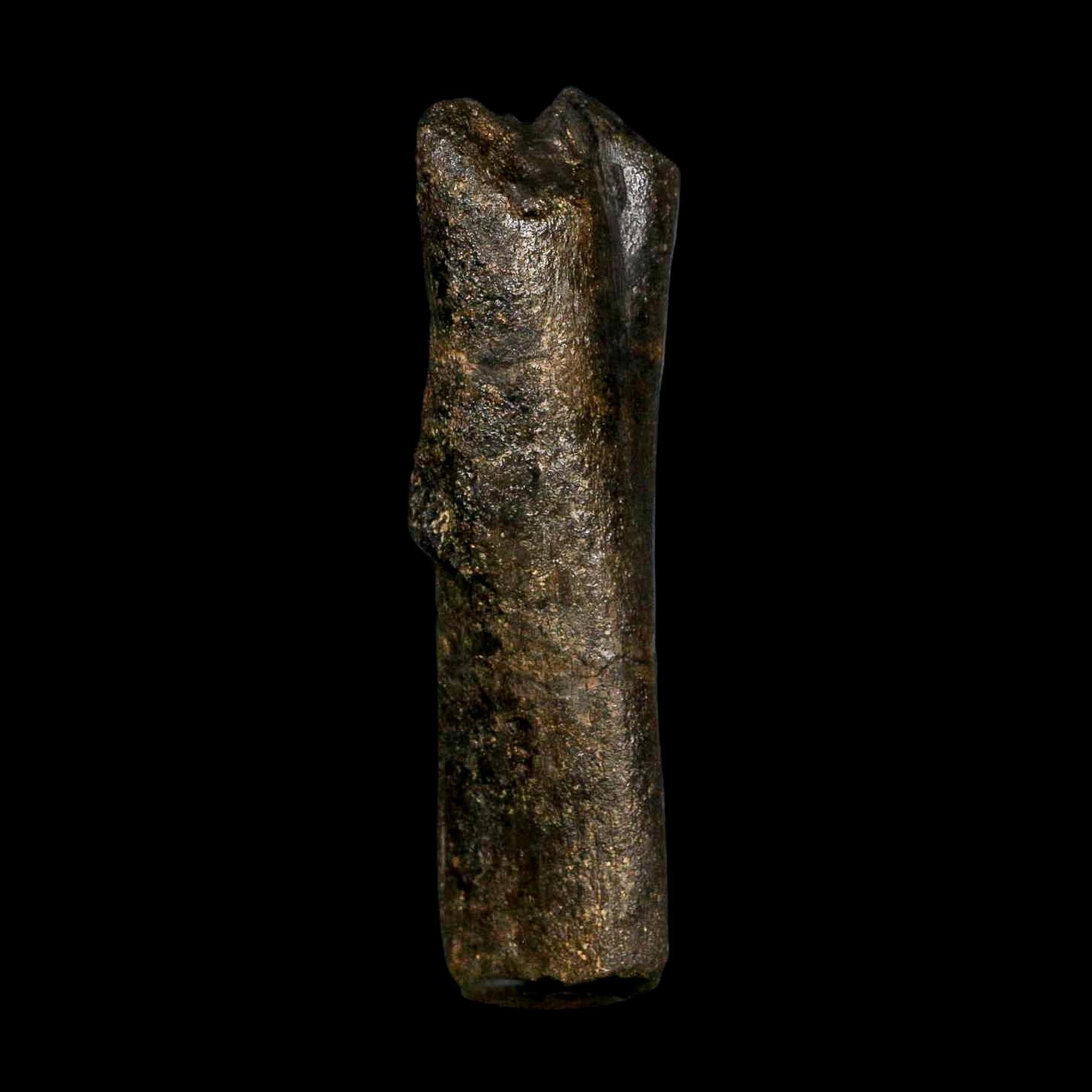
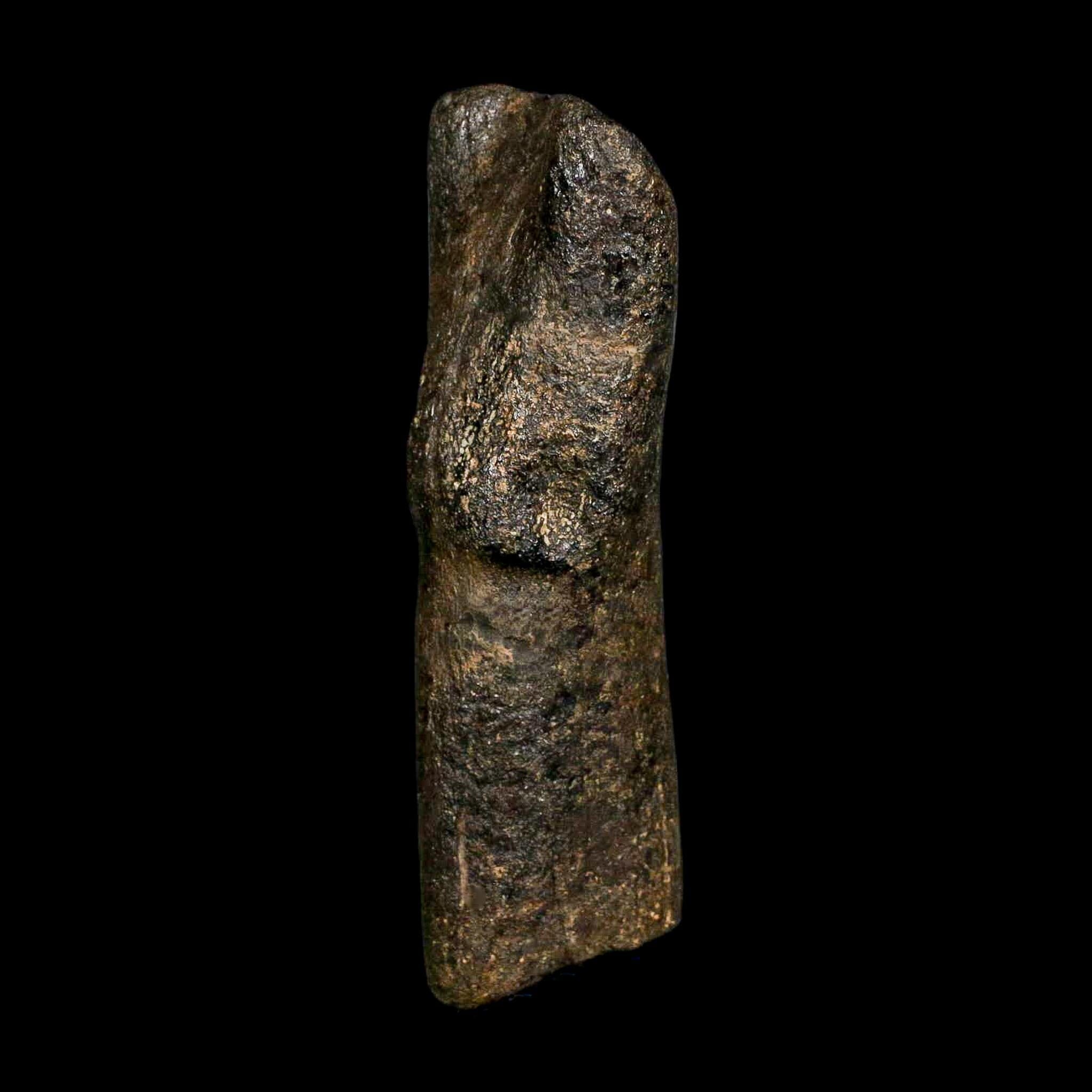


Description
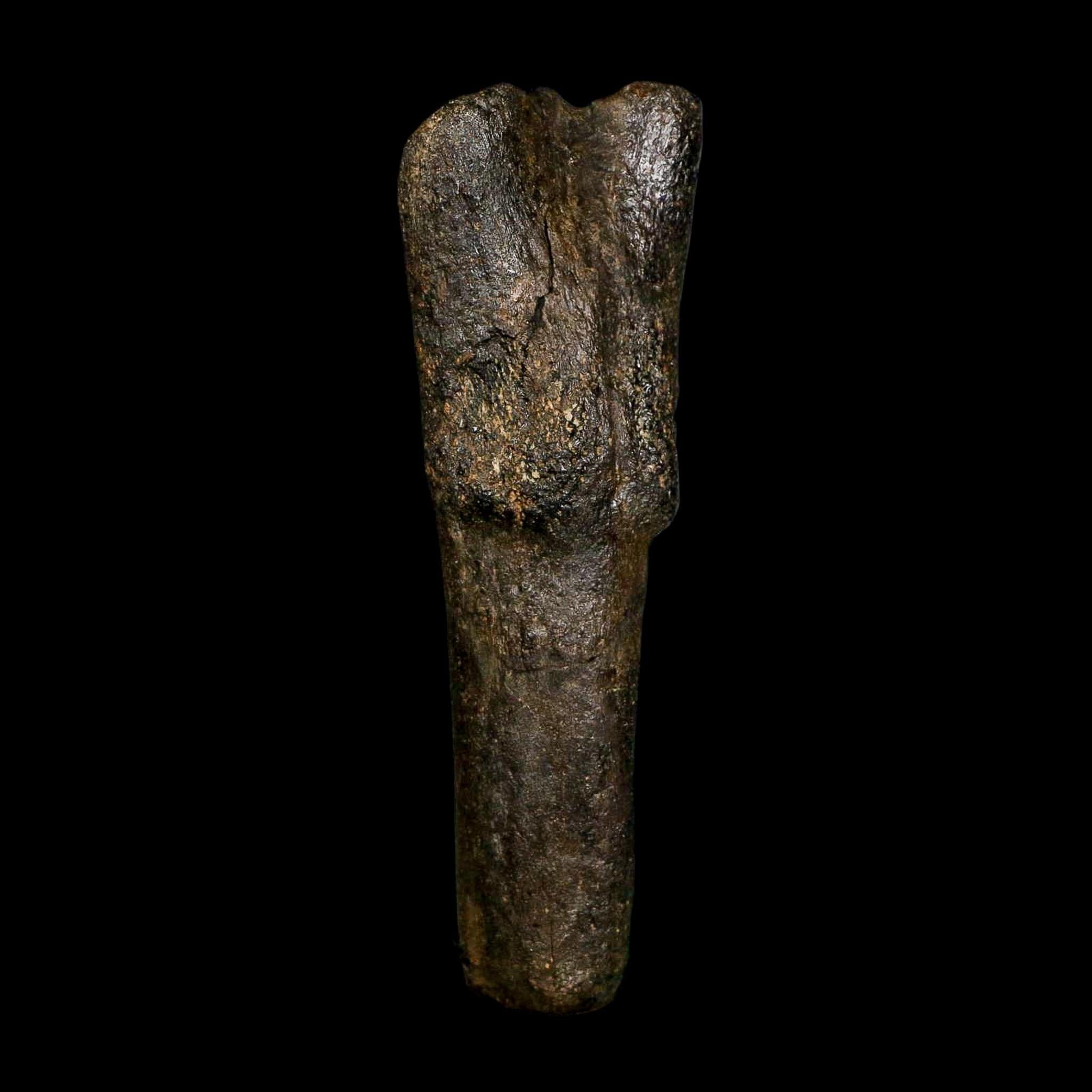
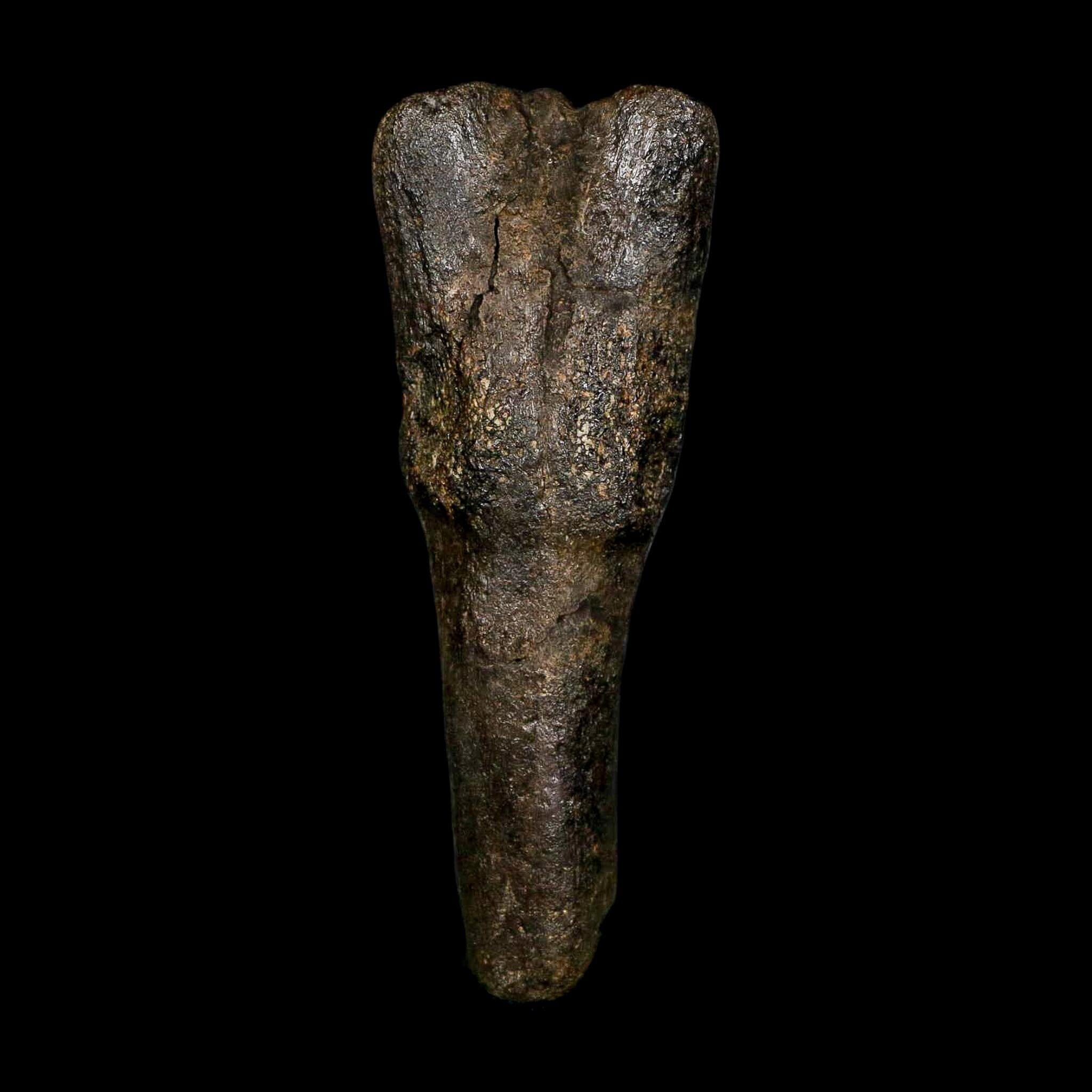
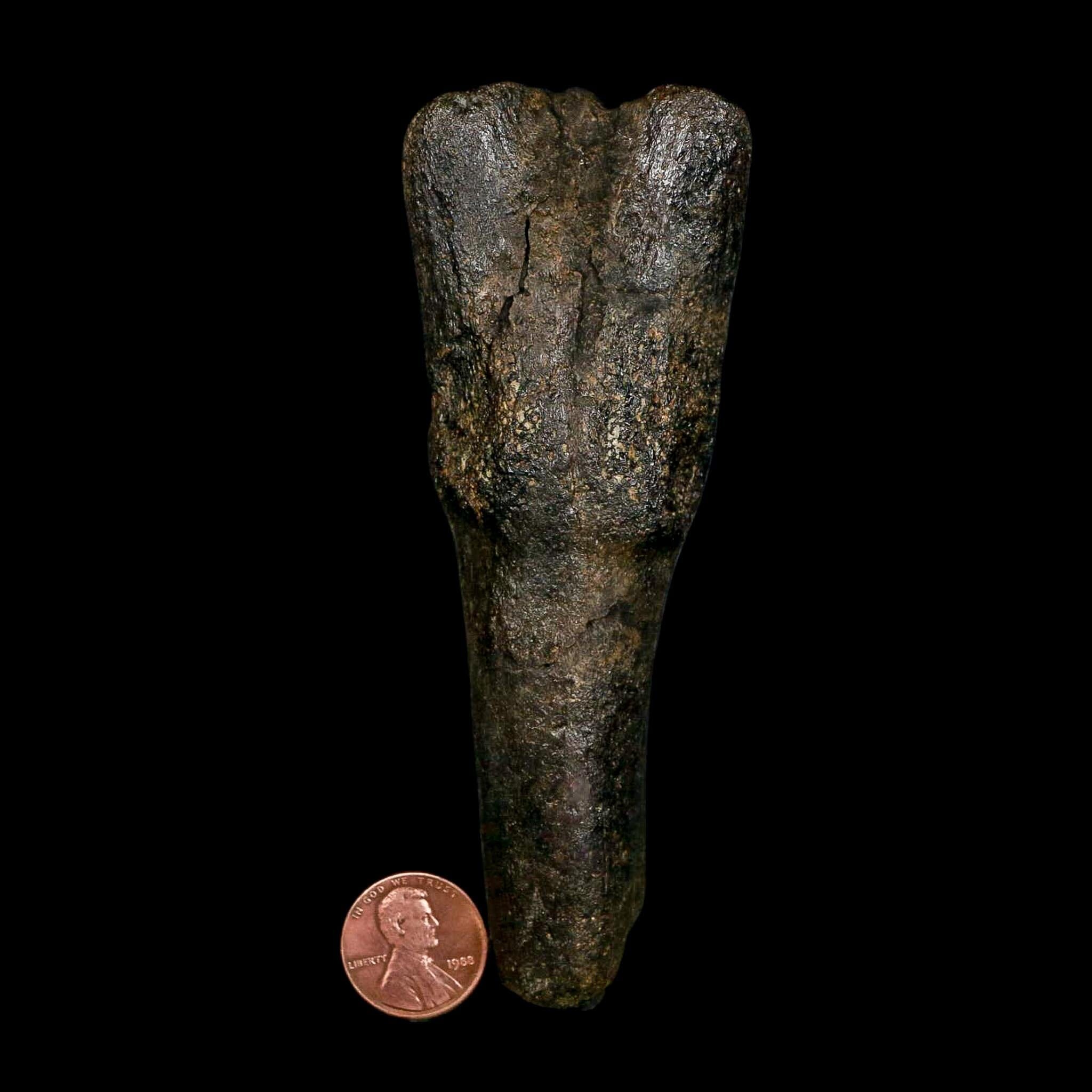
Location: Two Medicine Formation, Montana (Private Land Origin)
Fossil Bone Weight: 6 Ounces
Fossil Dimensions: 4.5 Inches Long, 1.7 Inches Wide, 1.1 Inches Thick
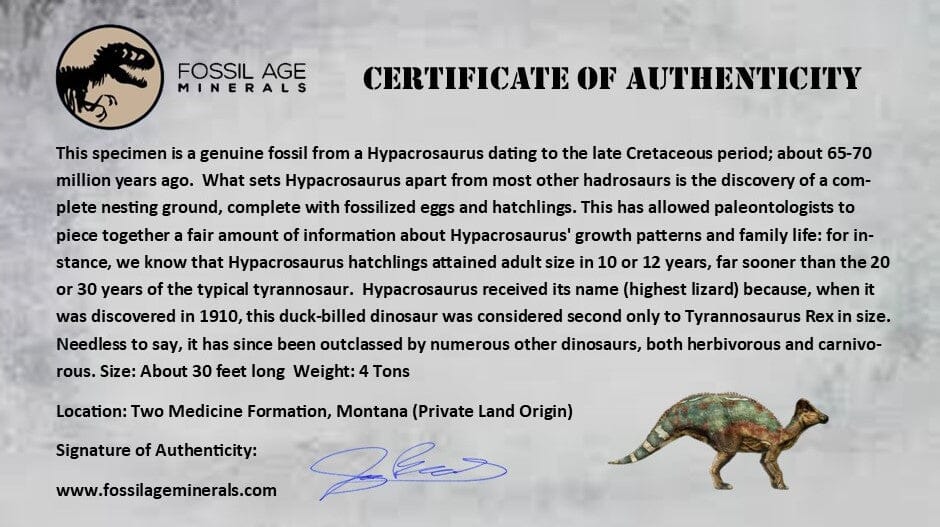
Comes with a Certificate of Authenticity.
The item pictured is the one you will receive.
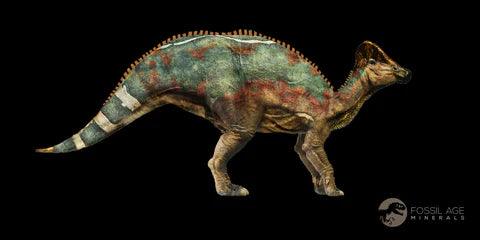
Hypacrosaurus Dinosaur
The large duck-billed dinosaur Hypacrosaurus lived in Late Cretaceous North America and was among the most common herbivores of its time. Growing to about nine meters in length, it was smaller than the largest Tyrannosaurus but still massive enough to dominate the landscape. Its name, meaning “near the highest lizard,” reflects this close size comparison with the largest predators of its ecosystem.
Despite its size, Hypacrosaurus likely served as prey for powerful carnivores including tyrannosaurids such as Albertosaurus. Fossil evidence from other hadrosaurs, including healed bite marks on Edmontosaurus, shows that tyrannosaurs actively hunted large herbivores rather than relying solely on scavenging. High predation pressure may explain why Hypacrosaurus laid large clutches of eggs, with nests containing up to twenty eggs, to increase survival rates despite heavy juvenile losses.
Its hollow cranial crest, similar to but broader than that of Corythosaurus, likely served for visual communication and species recognition. As a member of the lambeosaurine group, Hypacrosaurus demonstrates how social behavior and display structures evolved alongside survival strategies in Late Cretaceous ecosystems.
