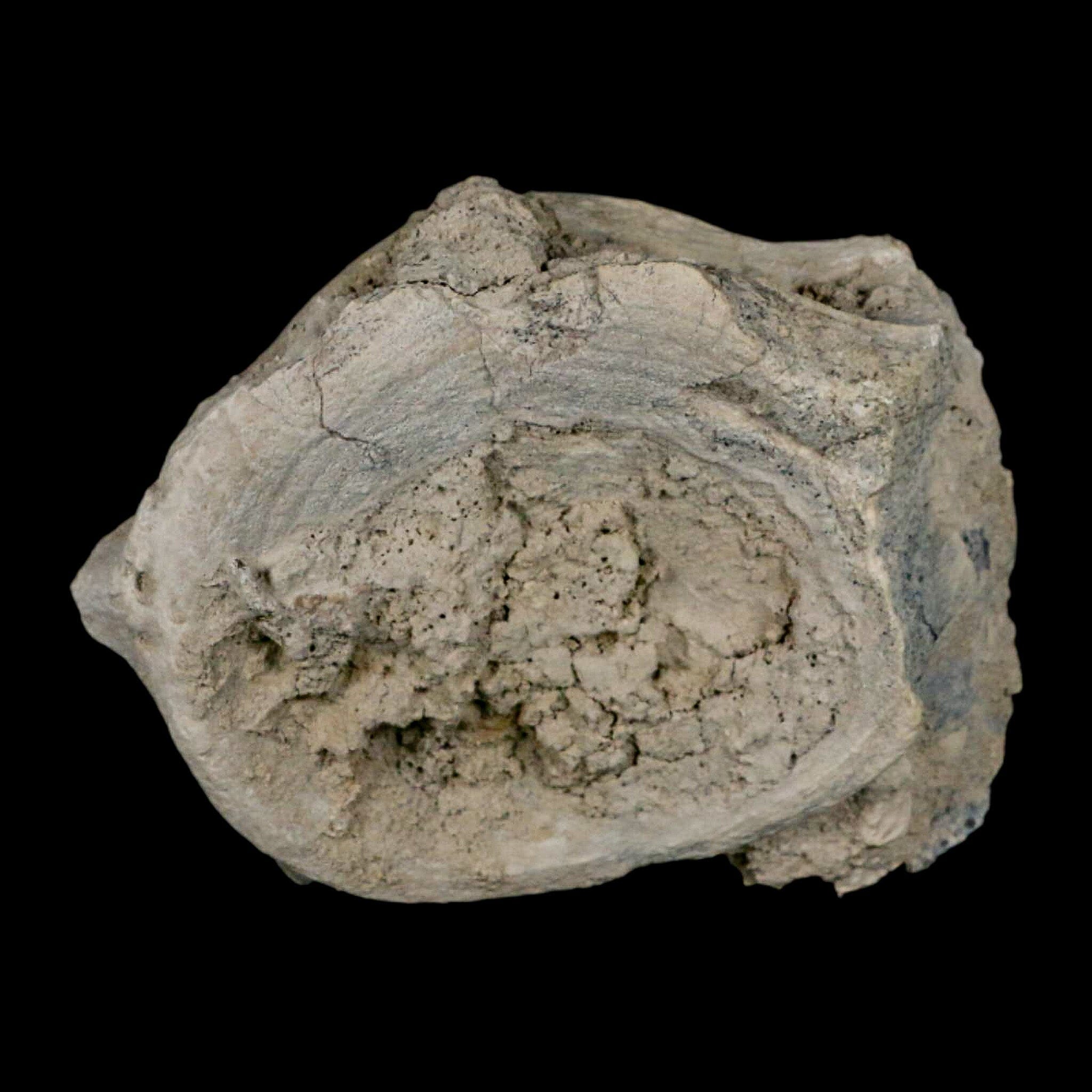
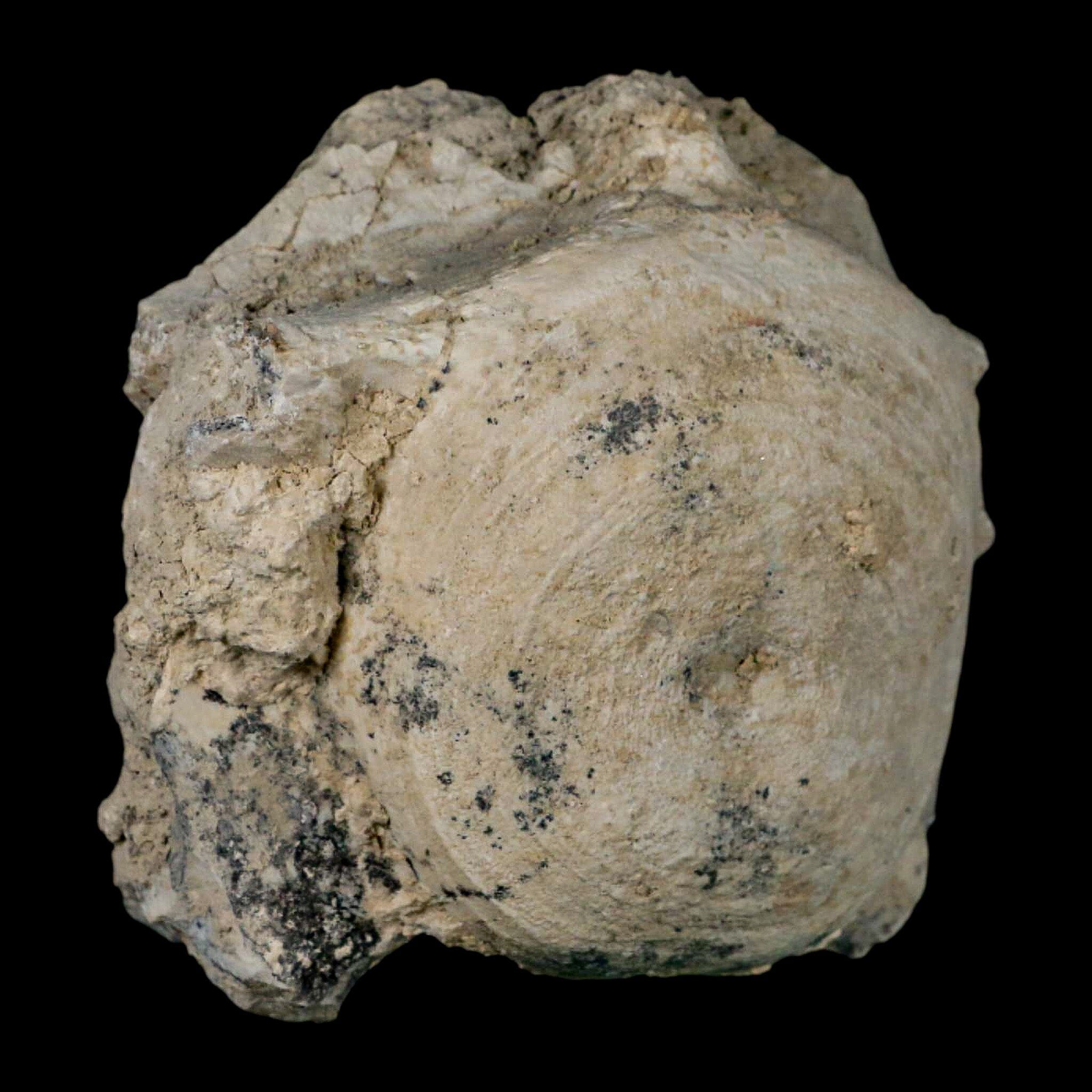
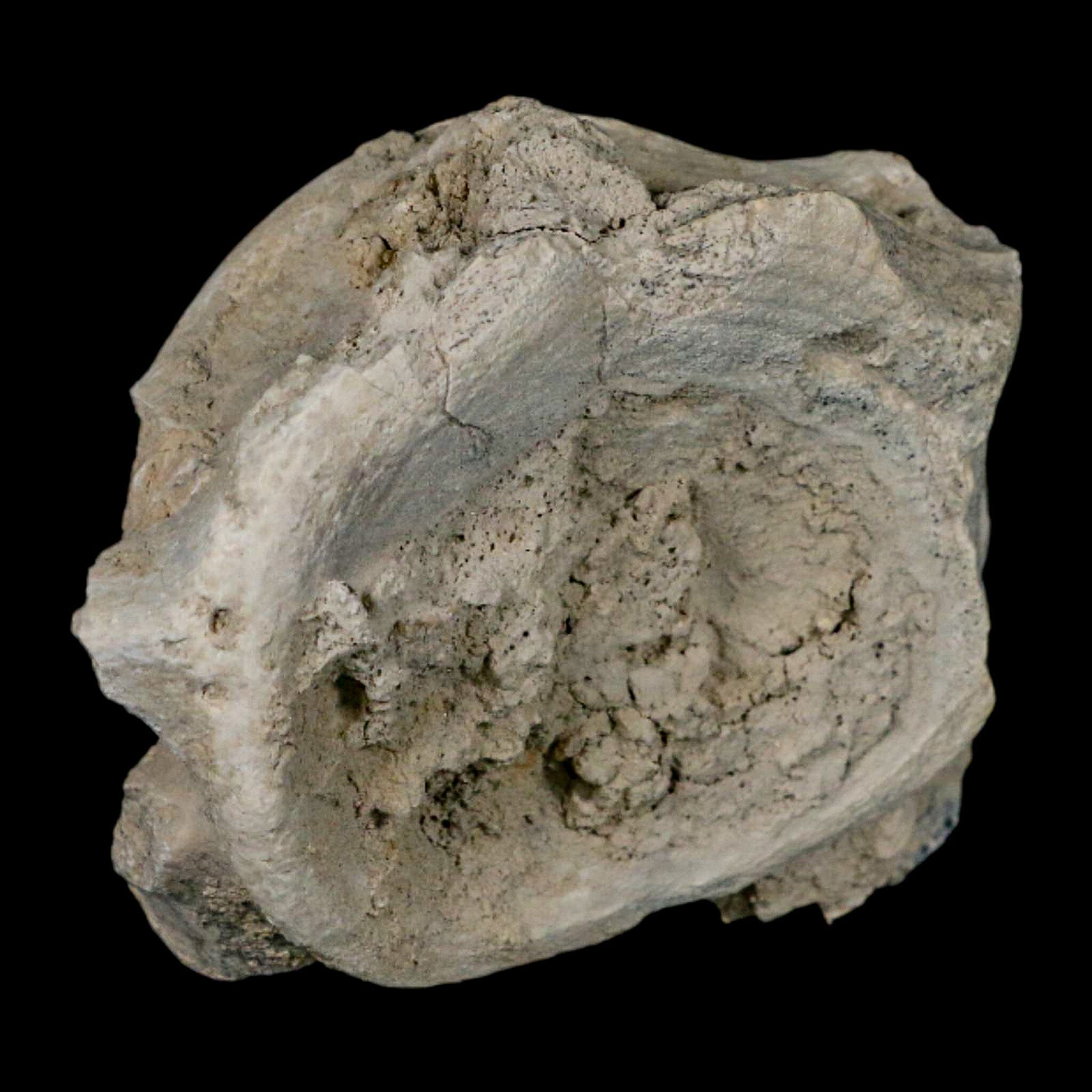
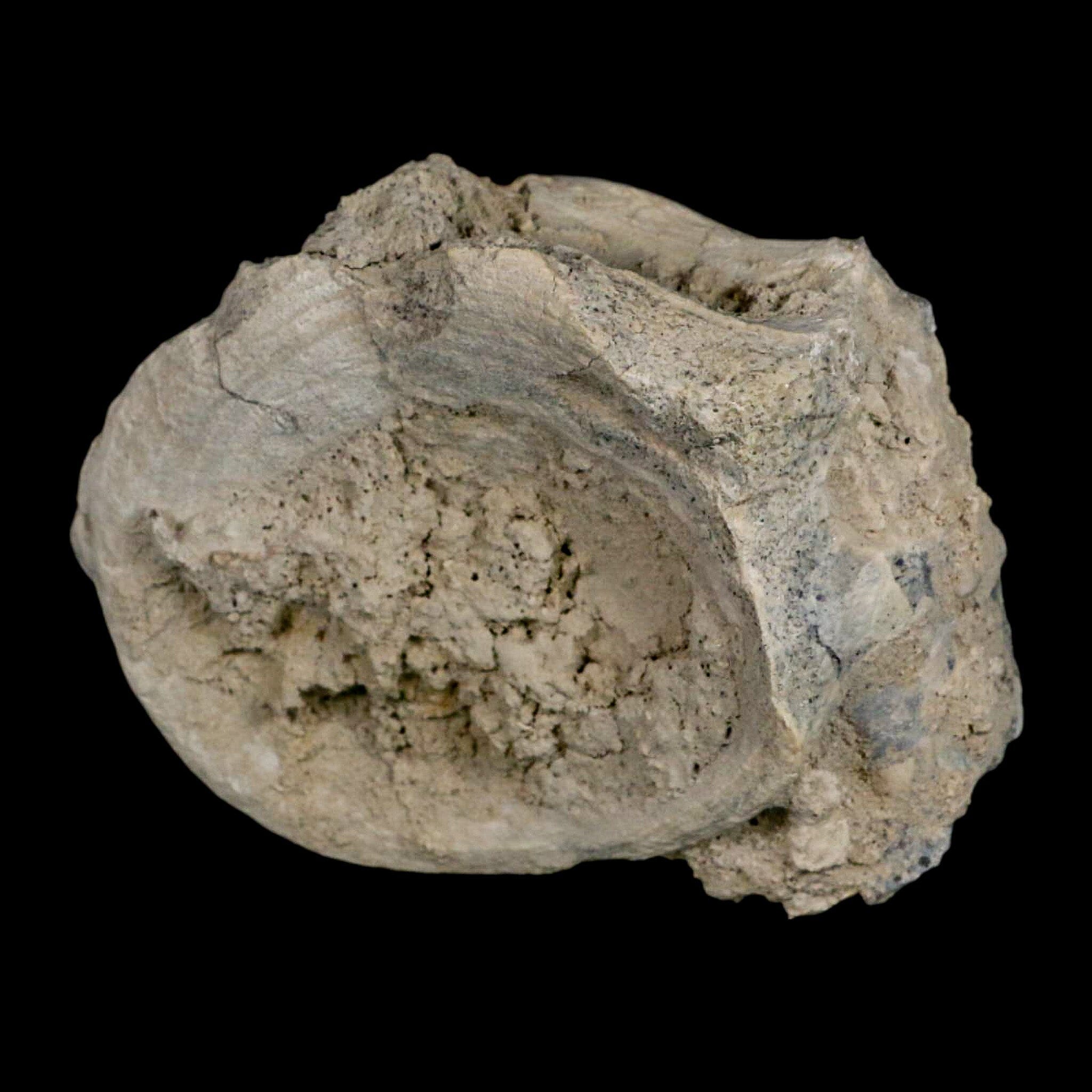


Description
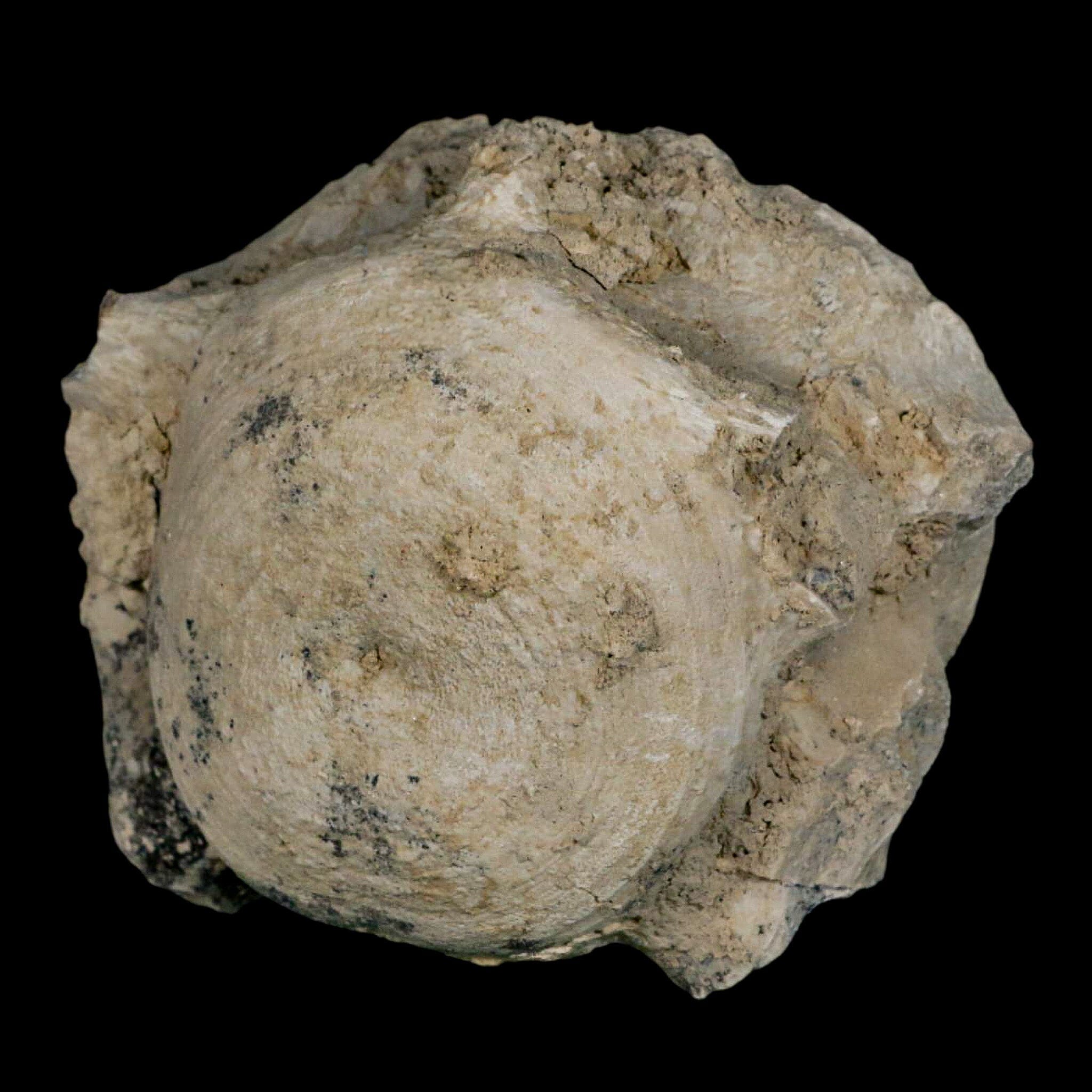
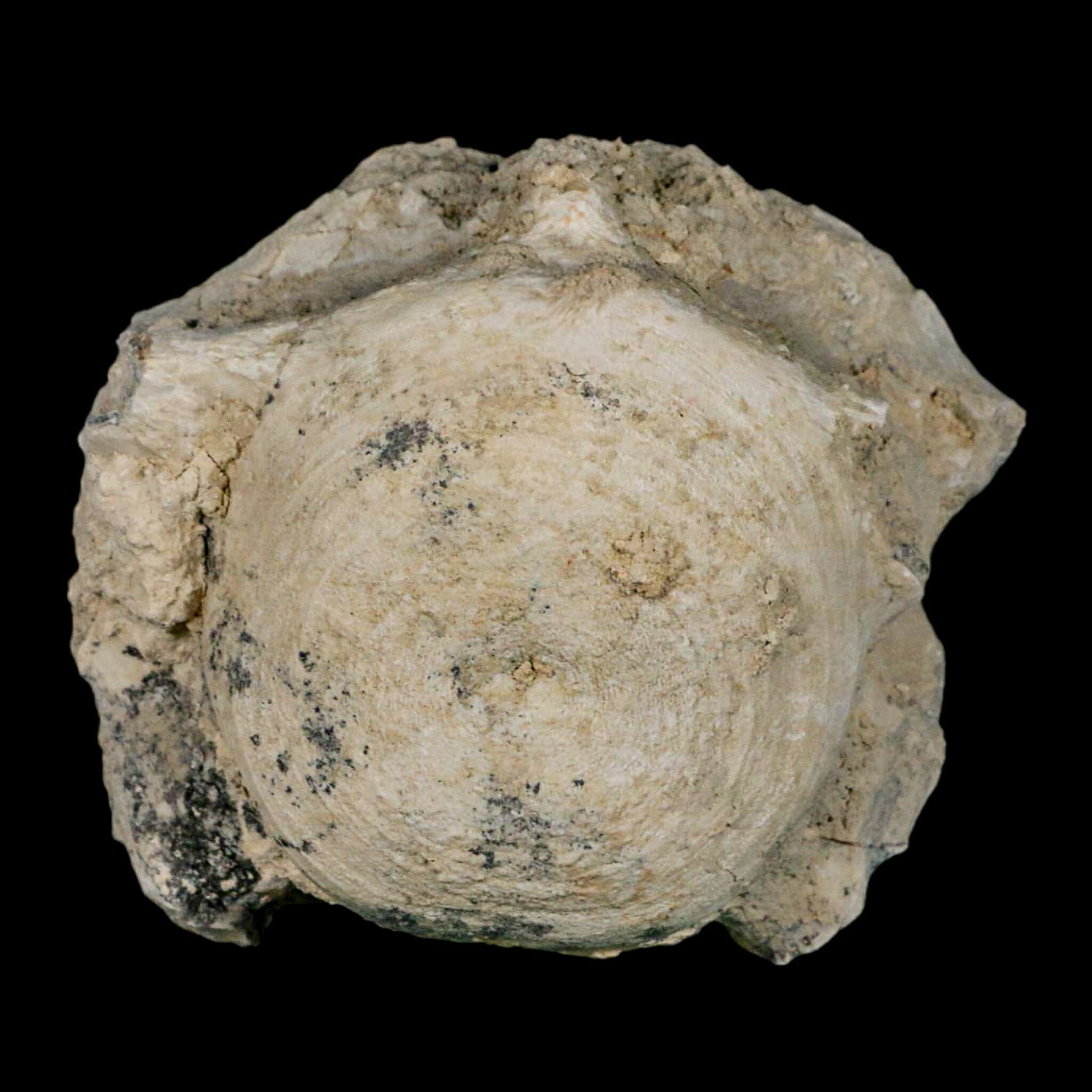
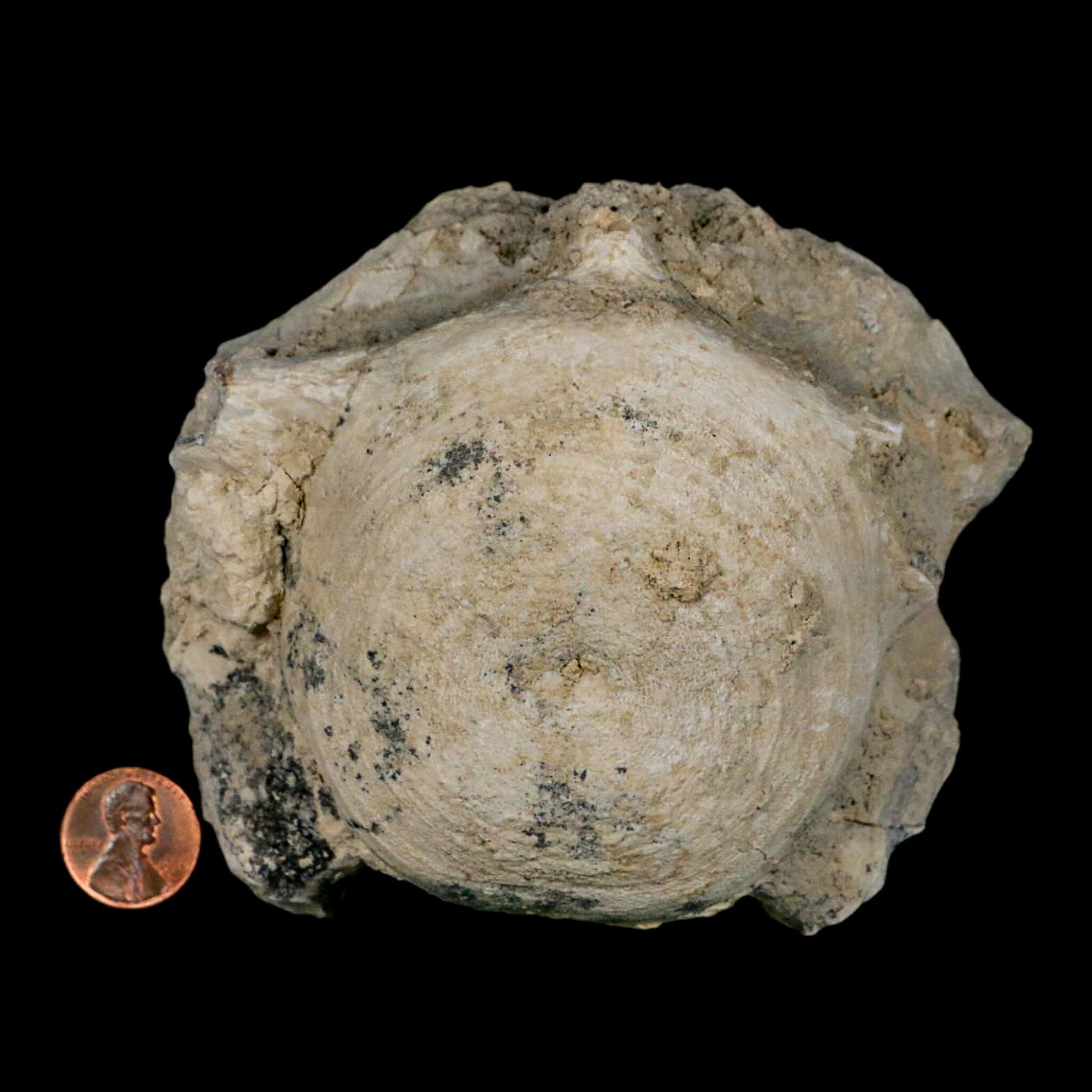
Location: White River Badlands, South Dakota
Weight: 1 Pound 10.6 Ounces
Dimensions: 4.5 Inches Long, 3.6 Inches Wide, 2.5 Inches Thick (Matrix)
Eocene Age, 56 to 33.9 million years Old.
Comes with a Certificate of Authenticity.
The item pictured is the one you will receive.
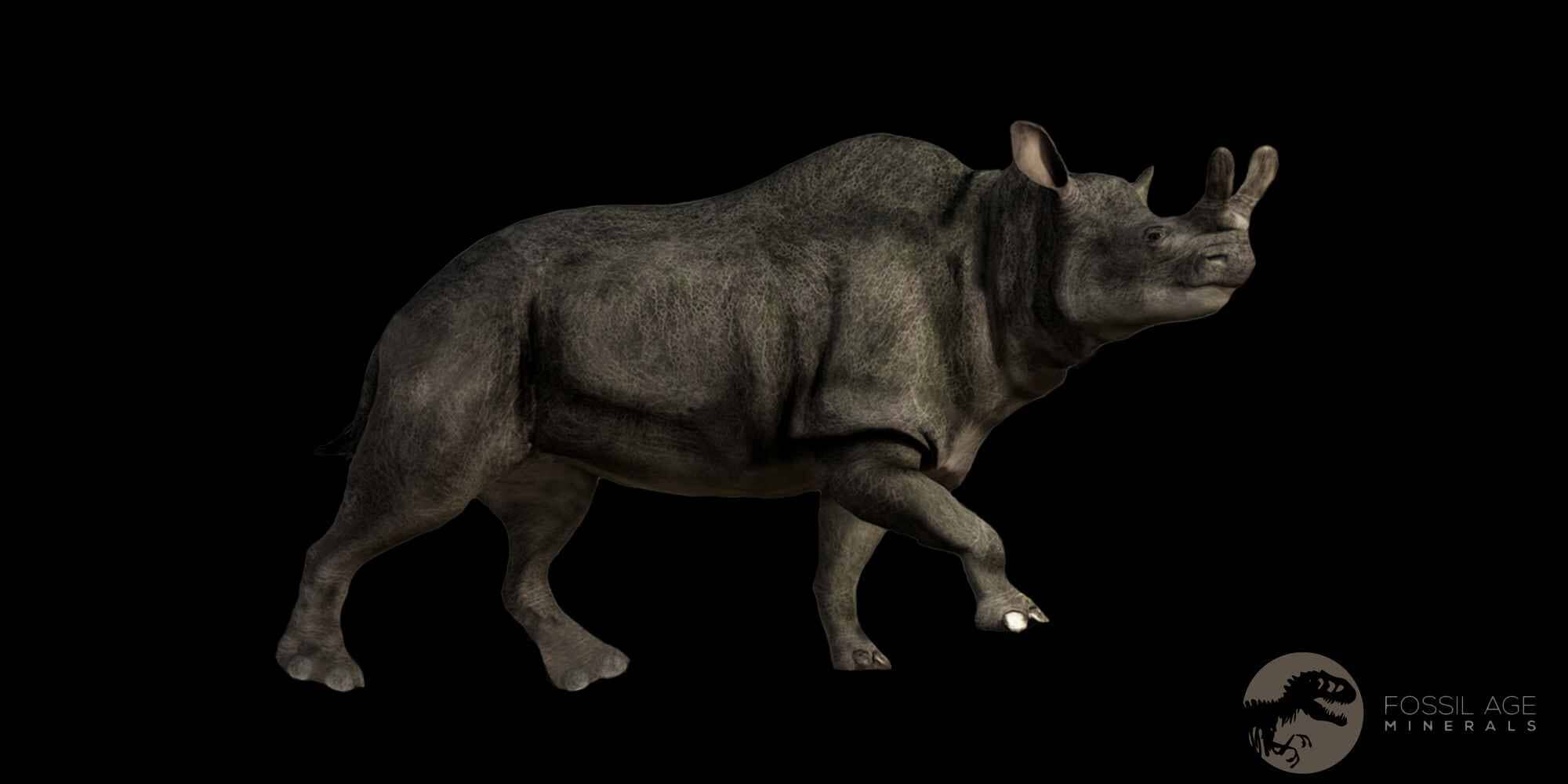
Brontotheres were enormous, extinct mammals that roamed what is now Badlands National Park between approximately 56 and 33.9 million years ago. Known in scientific literature as Megacerops coloradensis, these prehistoric giants are sometimes called “titanotheres,” meaning “thunder beasts.” This evocative name reflects the imagined sound of a herd of these massive creatures moving across the ancient landscape, their steps thundering through forests, plains, and river valleys.
These animals were part of a rich and diverse ecosystem that included early primates, small mammals, reptiles, and a variety of plant life. Fossil evidence from the Badlands provides a detailed glimpse into how brontotheres lived, evolved, and interacted with their environment, offering one of the clearest views of North America’s Eocene epoch. Their massive size, herd behavior, and unique anatomy made them some of the most impressive mammals of their time.
Brontotheres found in the Badlands would have measured around 8 feet tall and 16 feet long, the size of a large rhino or small elephant today, but brontotheres began as only dog-sized animals in the early Eocene epoch. Over the next 20 million years of the Eocene, brontotheres became larger as they evolved and diversified. By the late Eocene, brontotheres reached the massive size we see in Badlands fossil brontotheres today.
Brontotheres are usually known for the blunt paired horns that stuck out from their noses. These horns developed from small nubs into the giant horns that stretch over 3.3 feet (1 meter) long in Badlands brontotheres. Horns tend to be larger in males and smaller in females. Although these horns usually inspire thoughts of rhinos, brontotheres are related to modern rhinos. Even so, Badlands fossils include animals like Subhyracodon, which are true ancestors of the modern rhinomembers of rhino family.
