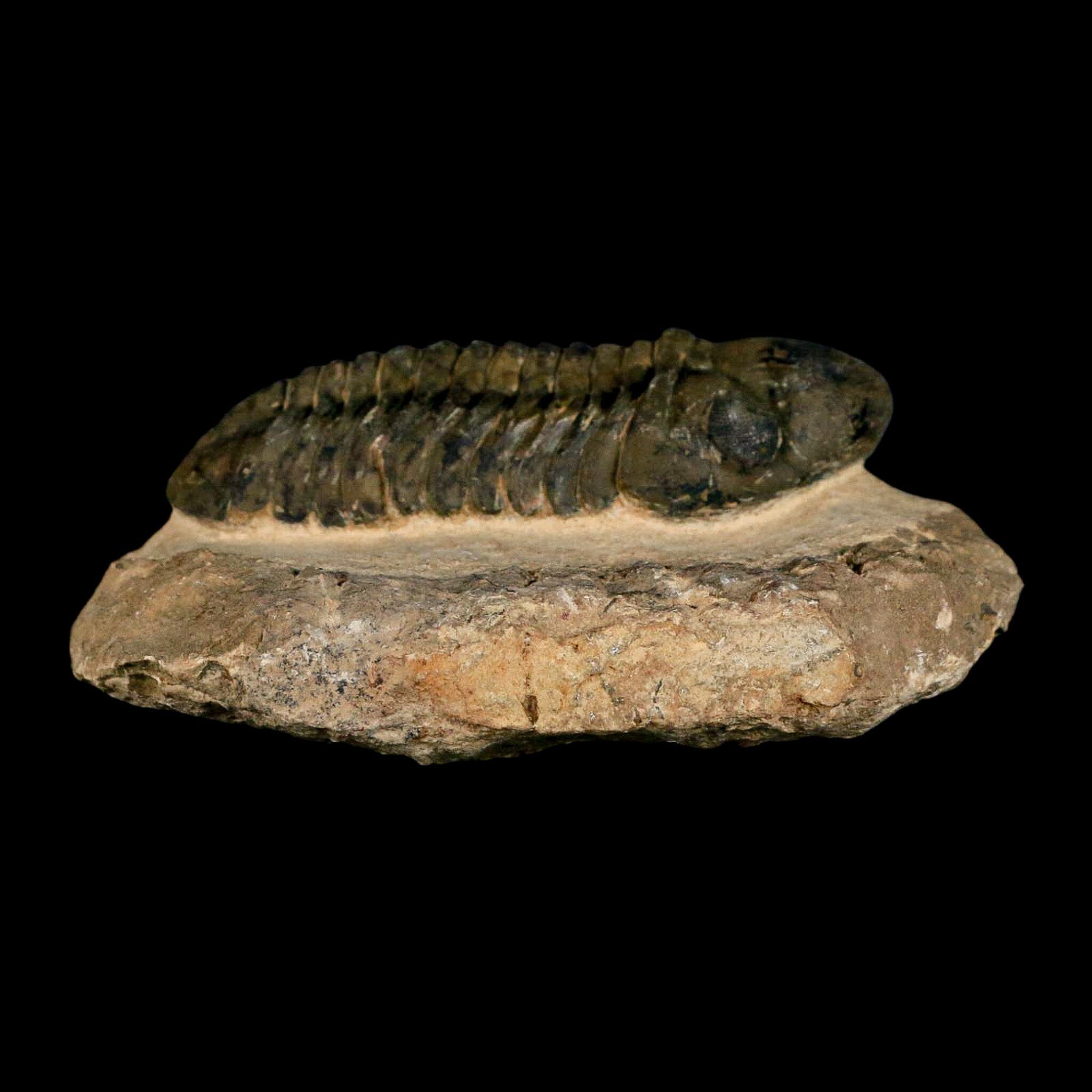
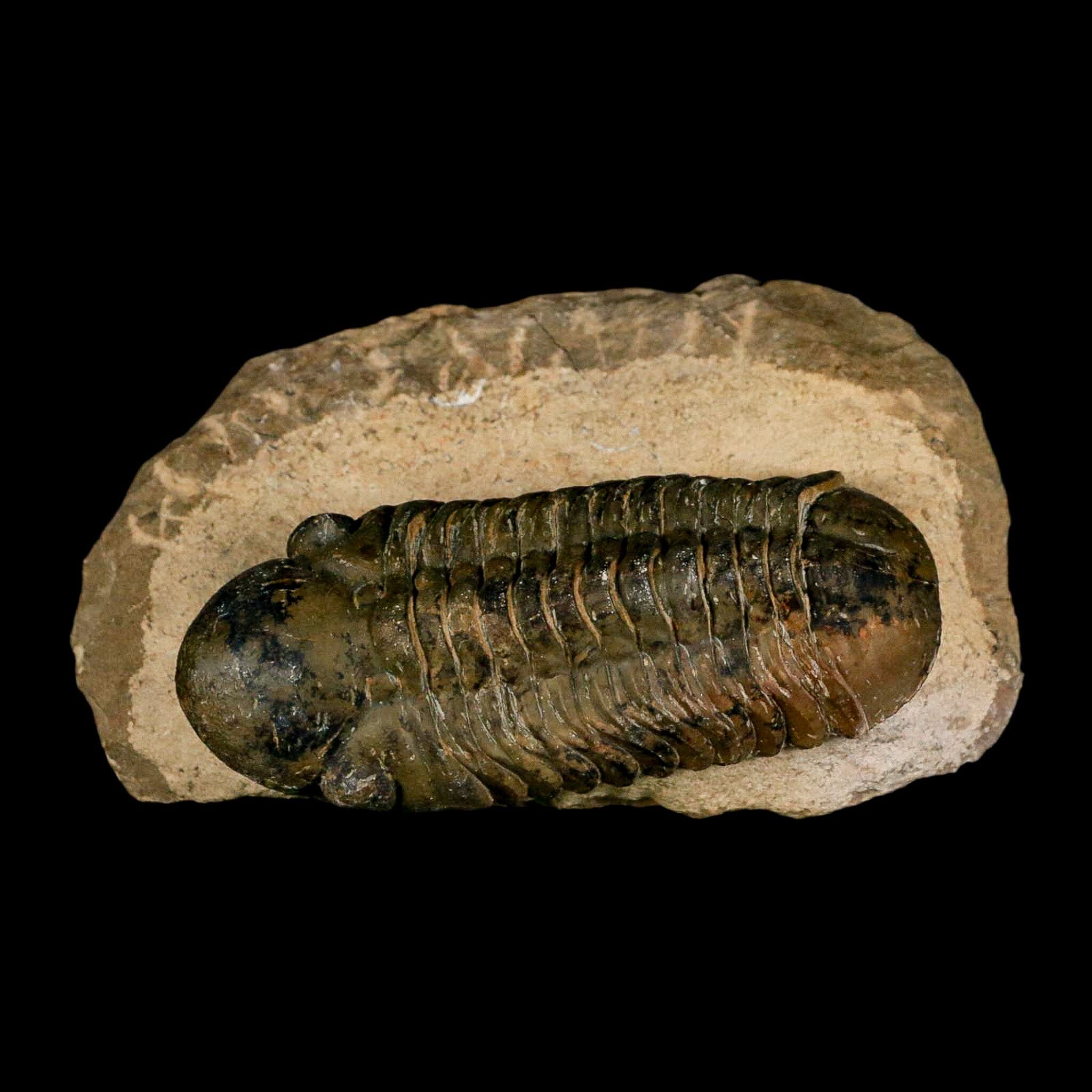
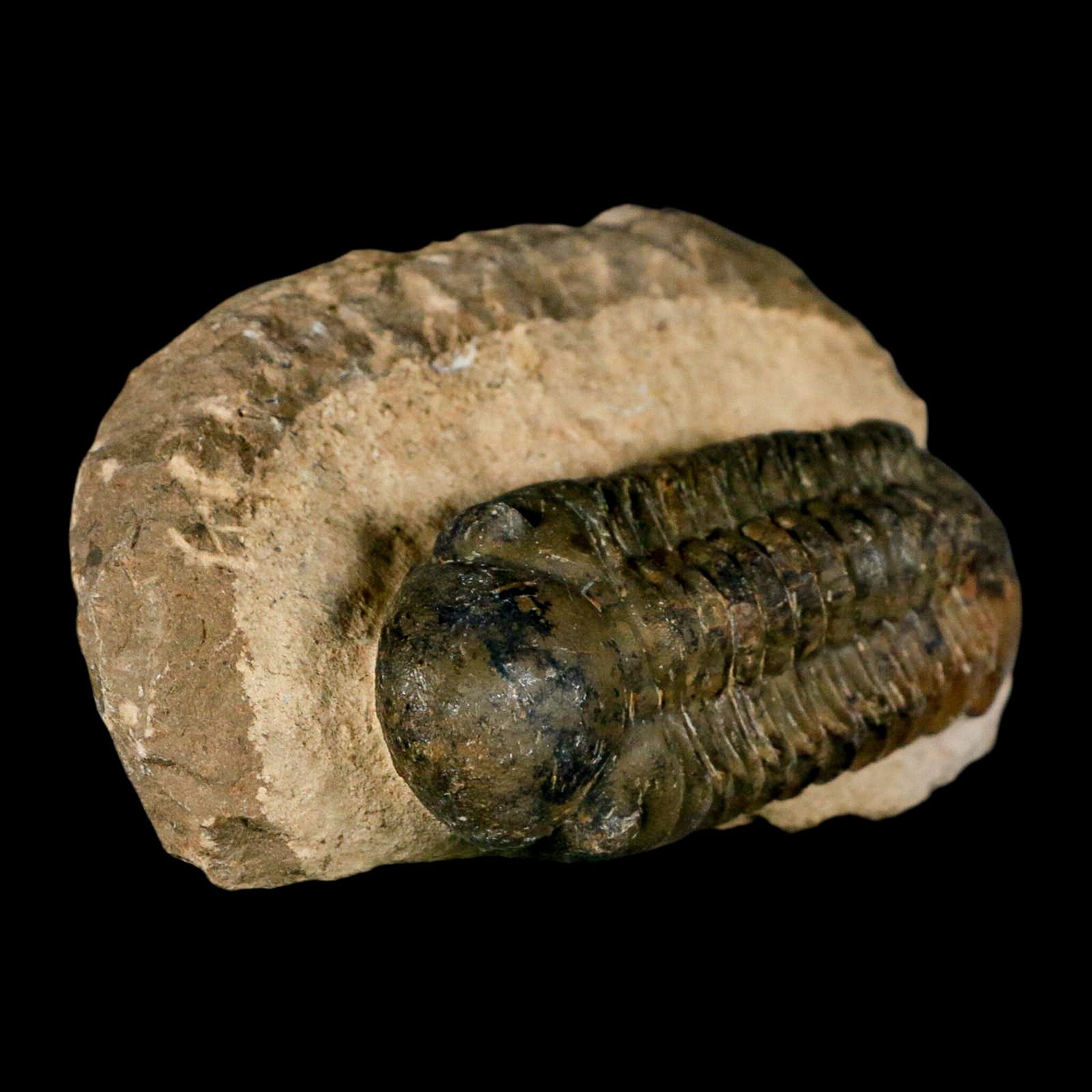
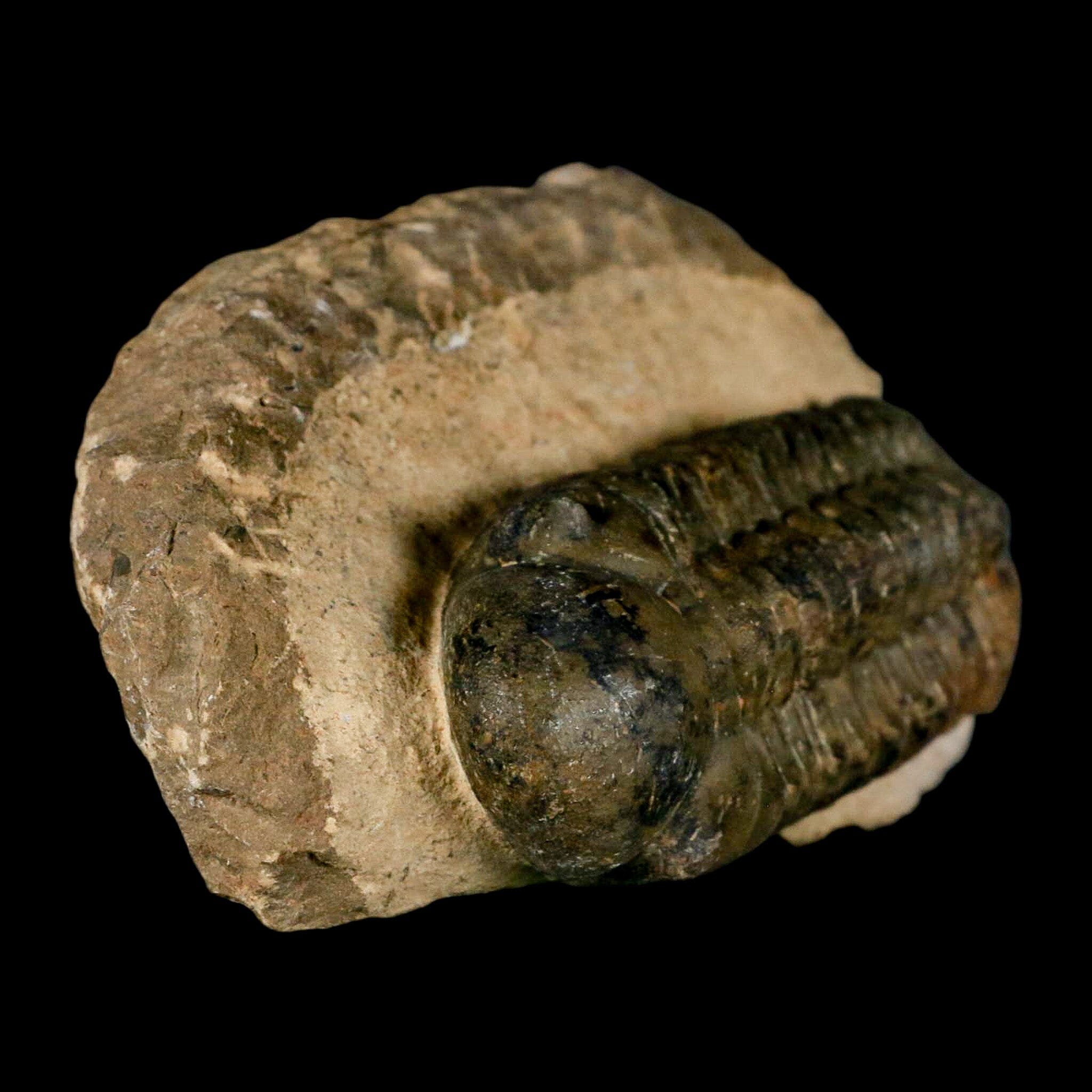


Description
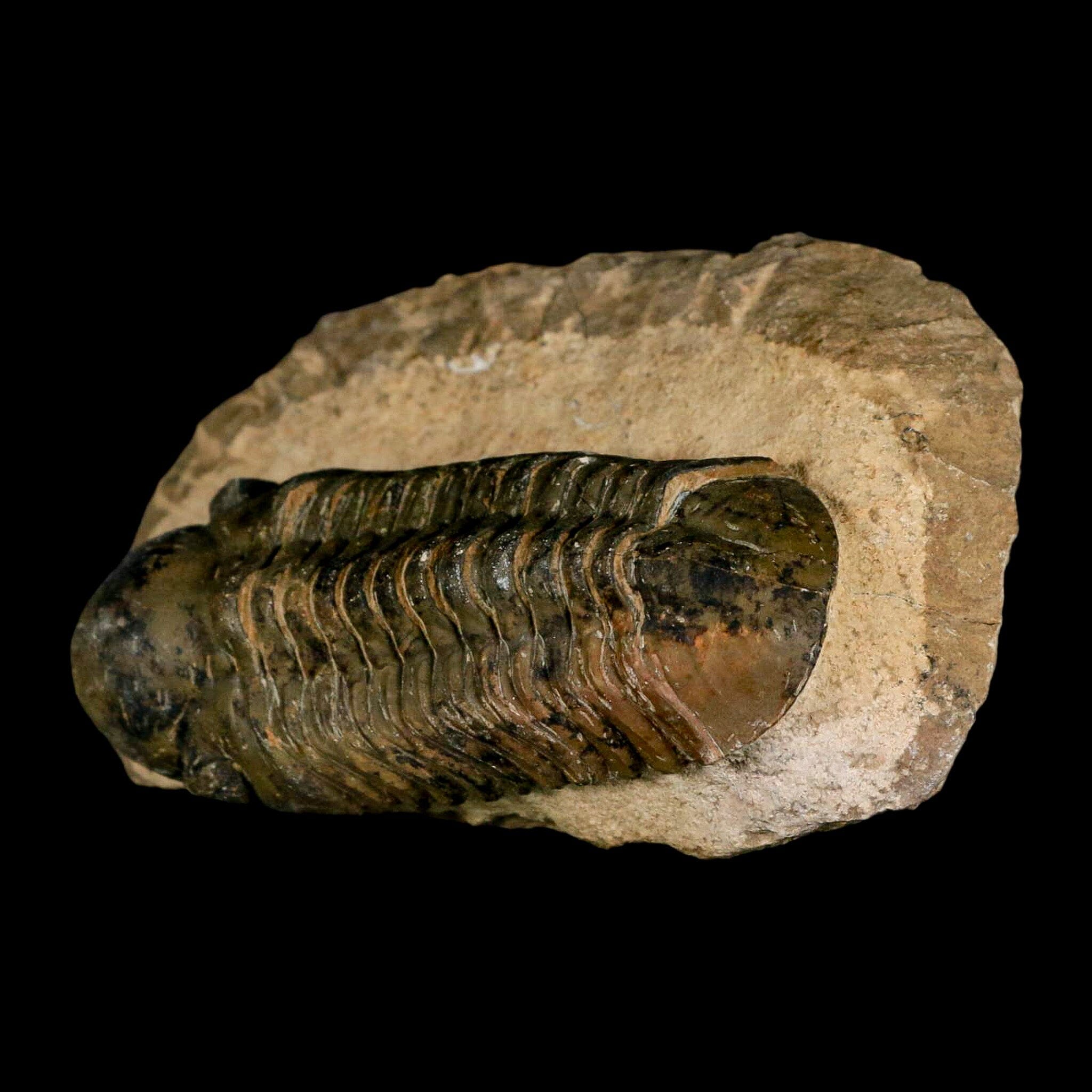
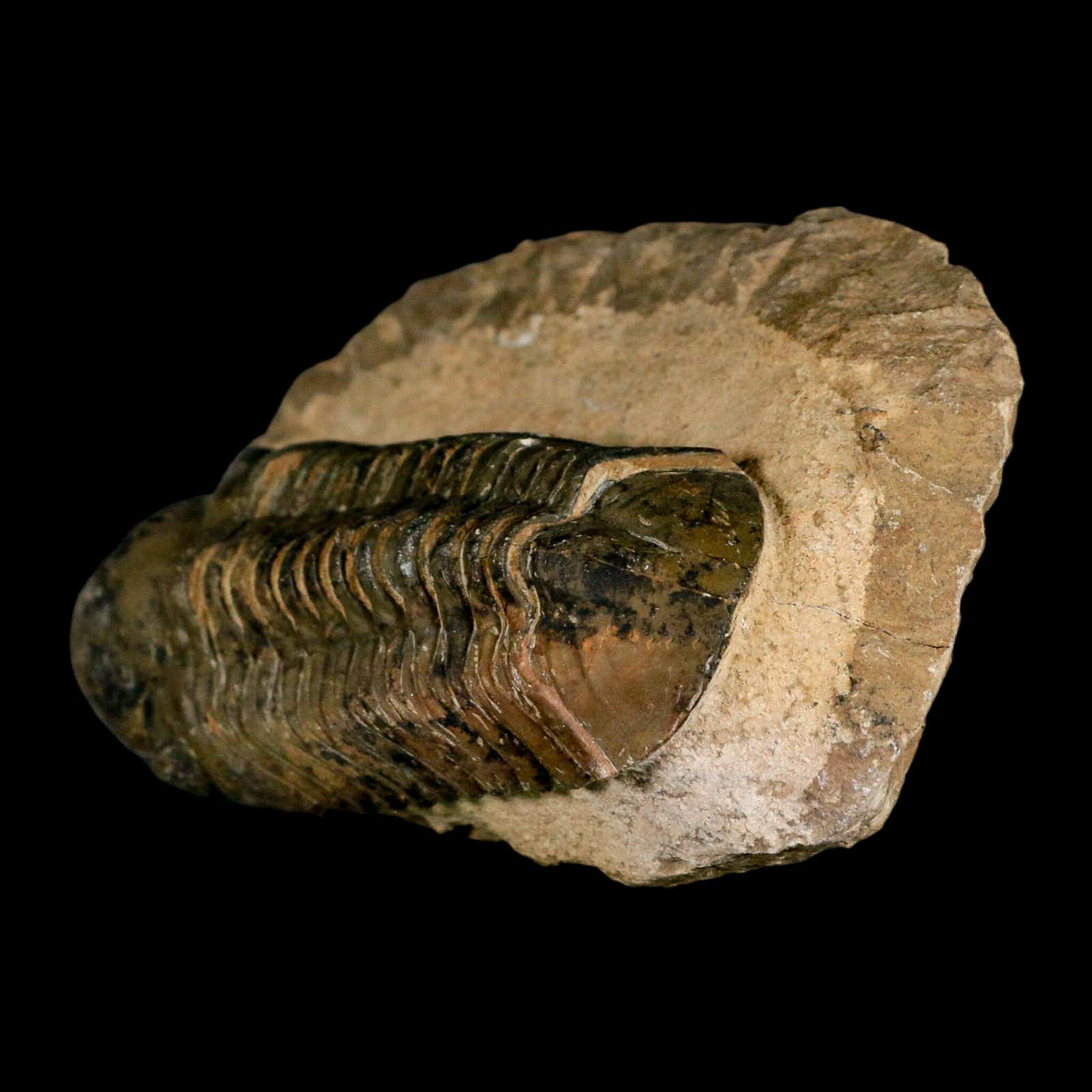
Location: Lghaft, Morocco
Weight 9.5 Ounces
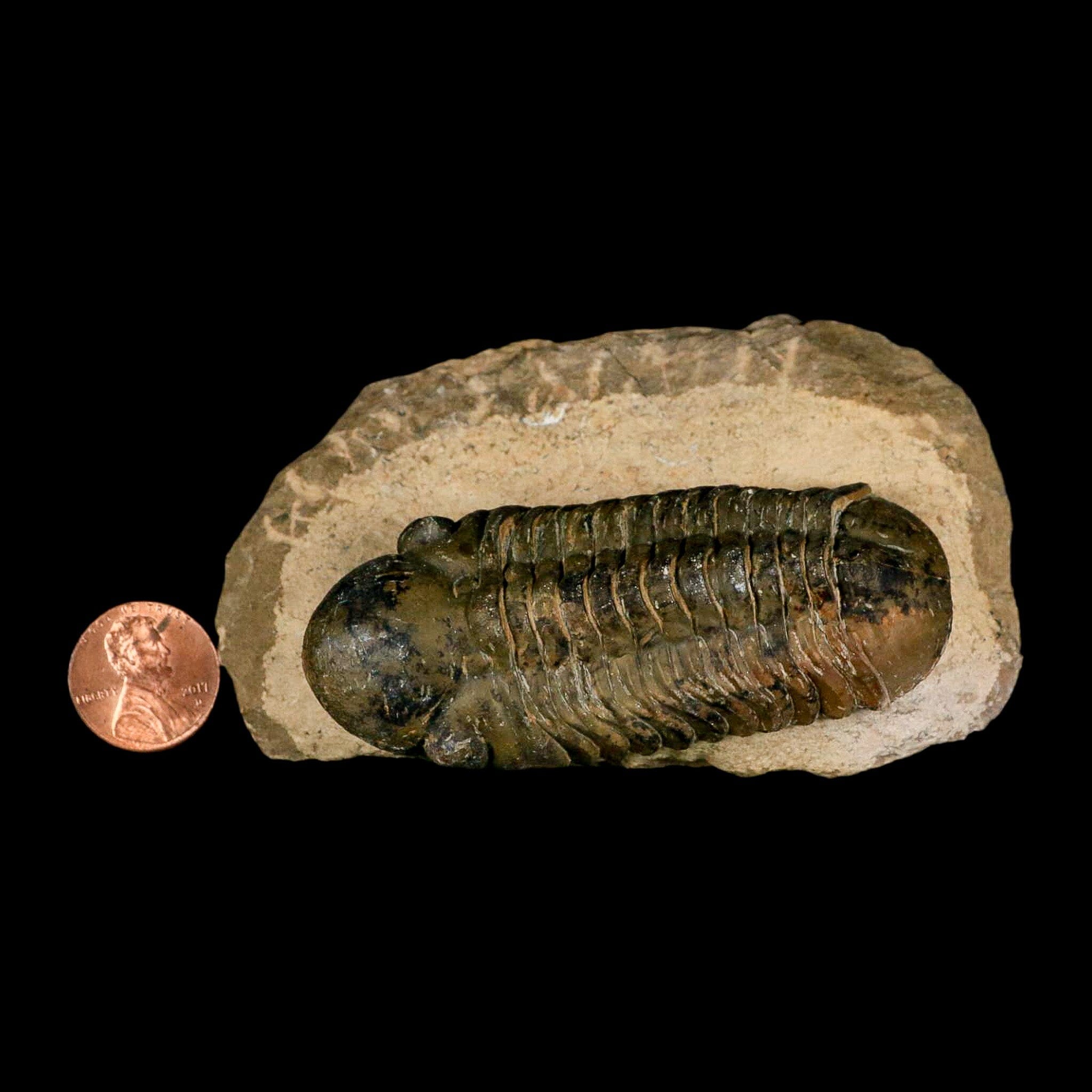
Dimensions: 3.8 Inches Tall, 2.4 Inches Wide, 1.6 Inches Thick (Matrix)
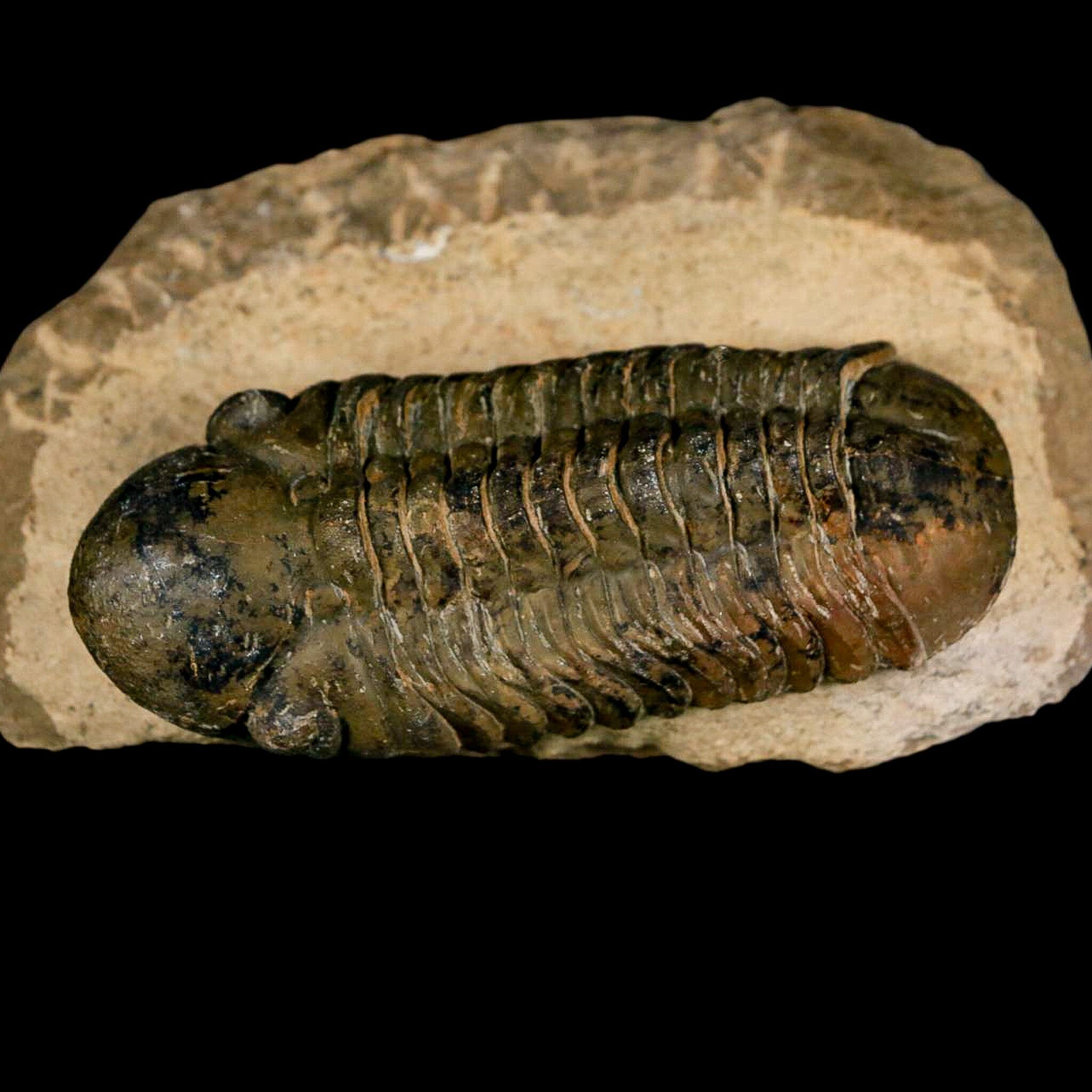
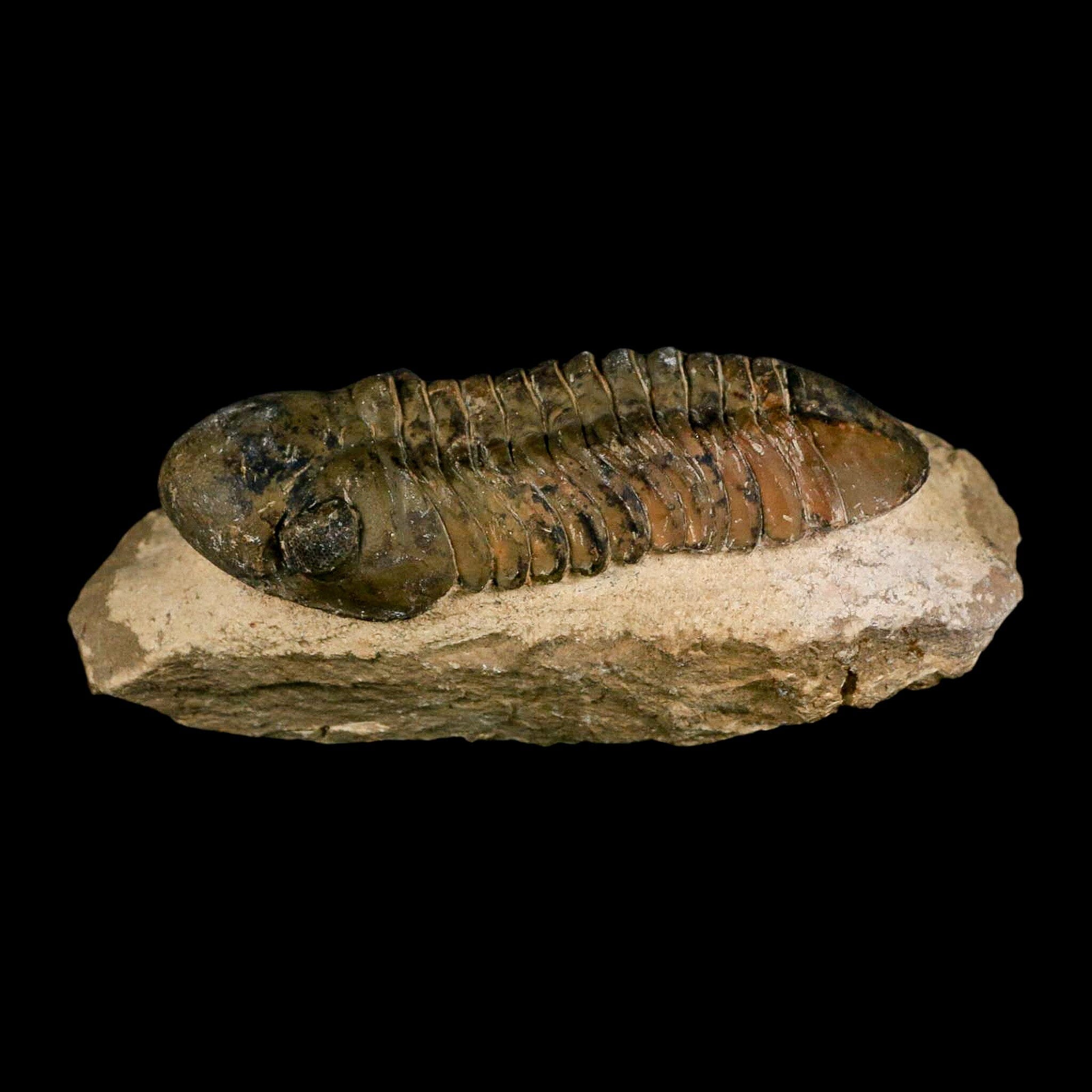
Trilobite Dimensions: 3 Inches Long, 1.2 Inches Wide, 0.7 Inches Thick (Head To Tail)
Comes with a Certificate of Authenticity.
The item pictured is the one you will receive.
Reedops Cephalotes Trilobite
Trilobites are an extinct group of marine arthropods from the class Trilobita, representing some of the earliest complex animals on Earth. They first appeared approximately 521 million years ago during the Early Cambrian period (Atdabanian stage). These creatures thrived in ancient Paleozoic seas, long before dinosaurs existed, and serve as vital indicators of early marine ecosystems.
Trilobites were the first animals to develop a hard exoskeleton, which allowed their bodies to be well-preserved as fossils. Their shells are divided into three longitudinal lobes—a central axial lobe flanked by two pleural lobes—earning them the name “trilobite,” meaning “three-lobed.”
Key Characteristics of Trilobites:
-
Exoskeleton: Hard, segmented shell that enabled excellent fossilization
-
Three-lobed design: Axial lobe (center) + two pleural lobes (sides)
-
Body sections:
-
Cephalon (head): Eyes, mouthparts, and sensory organs such as antennae
-
Thorax (middle): 2–61 overlapping segments for movement and flexibility
-
Pygidium (tail): Fused segments forming the rear section
-
-
Habitat: Oceans during the Cambrian through the Paleozoic Era
-
Importance: Among the first complex life forms; key to understanding Paleozoic marine ecosystems
-
Fossil significance: Provides insight into prehistoric marine life, arthropod evolution, and ancient biodiversity

Please be aware of the nature of fossils:
Being buried under the ground for millions of years under tons of pressure tends to be rough. No fossil comes out of the ground whole and perfect. Most fossils have undergone some restoration, while others are altered by man simply to enhance their presentation in different ways. The workers in Morocco do a very professional job of unearthing and preserving these natural treasures; however, commonly, natural cracks are visible on the surface. These are part of the natural beauty of the fossil and are not considered defects.