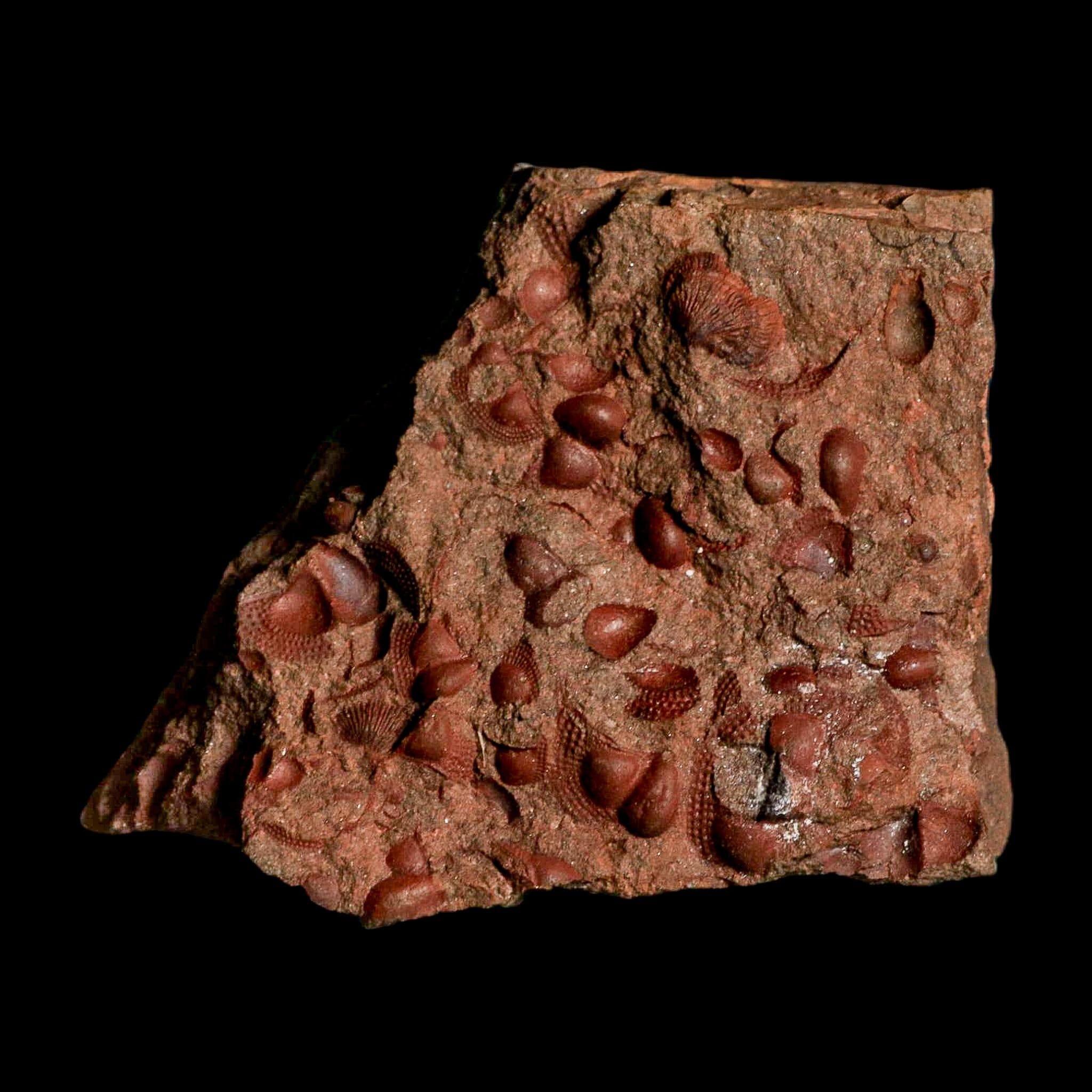
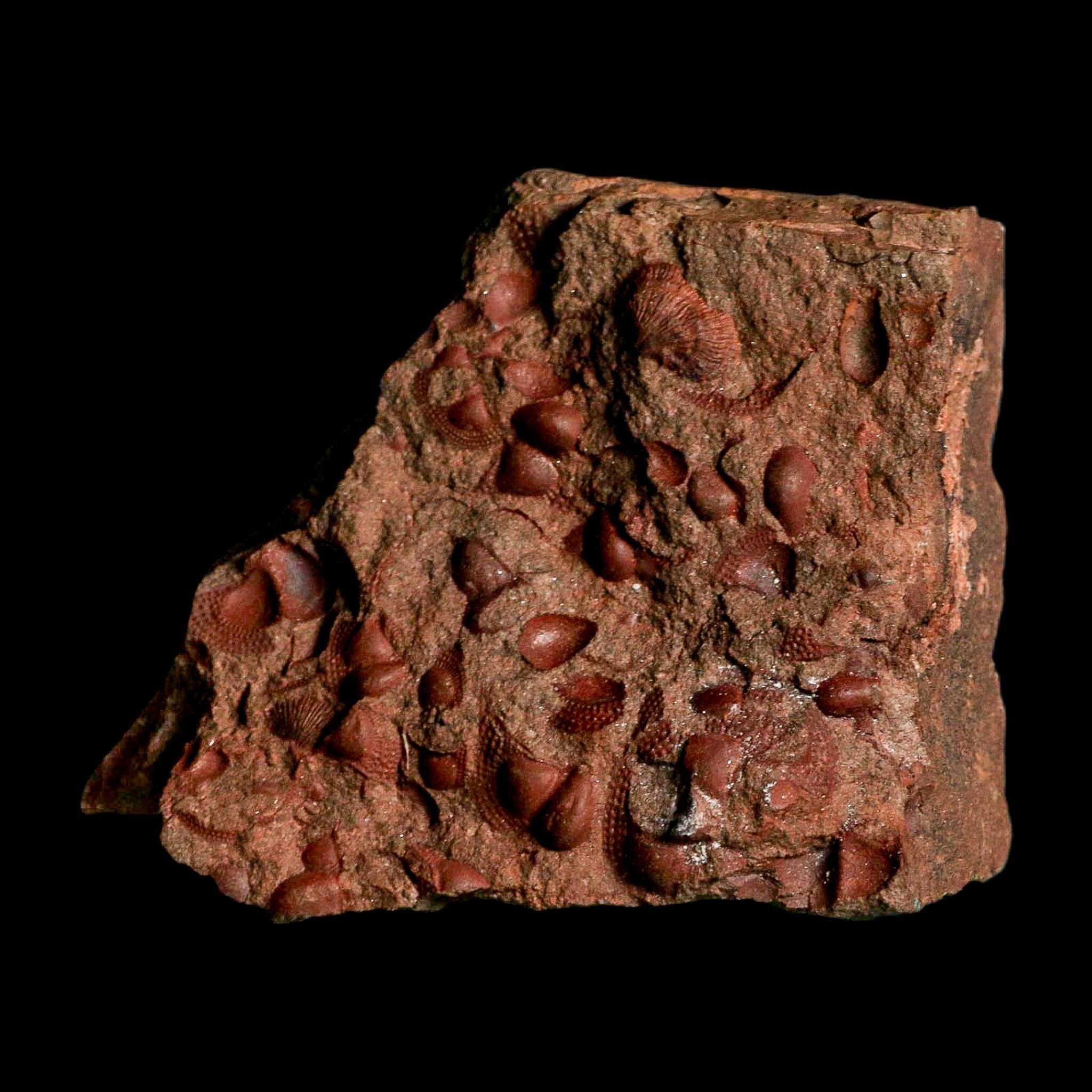
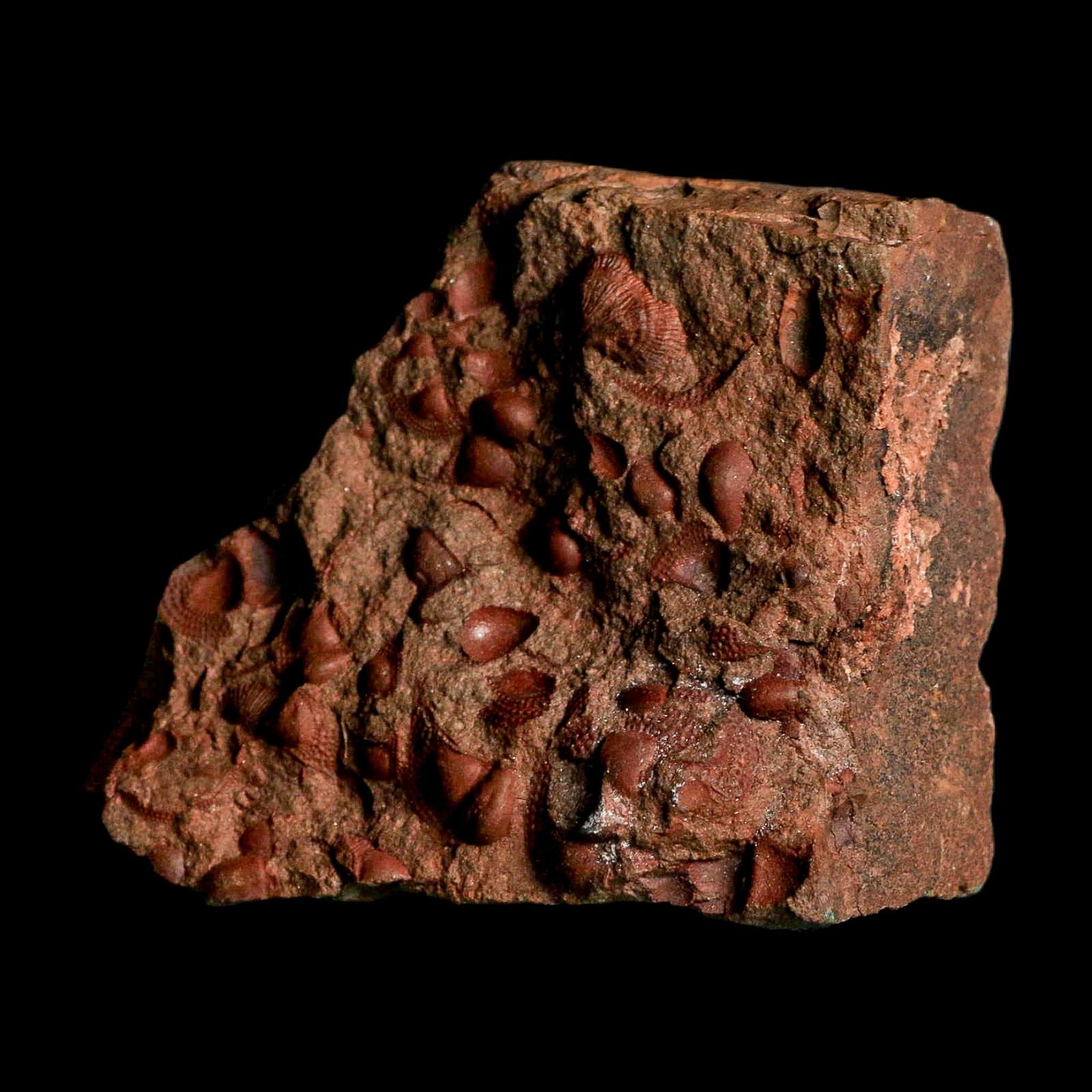
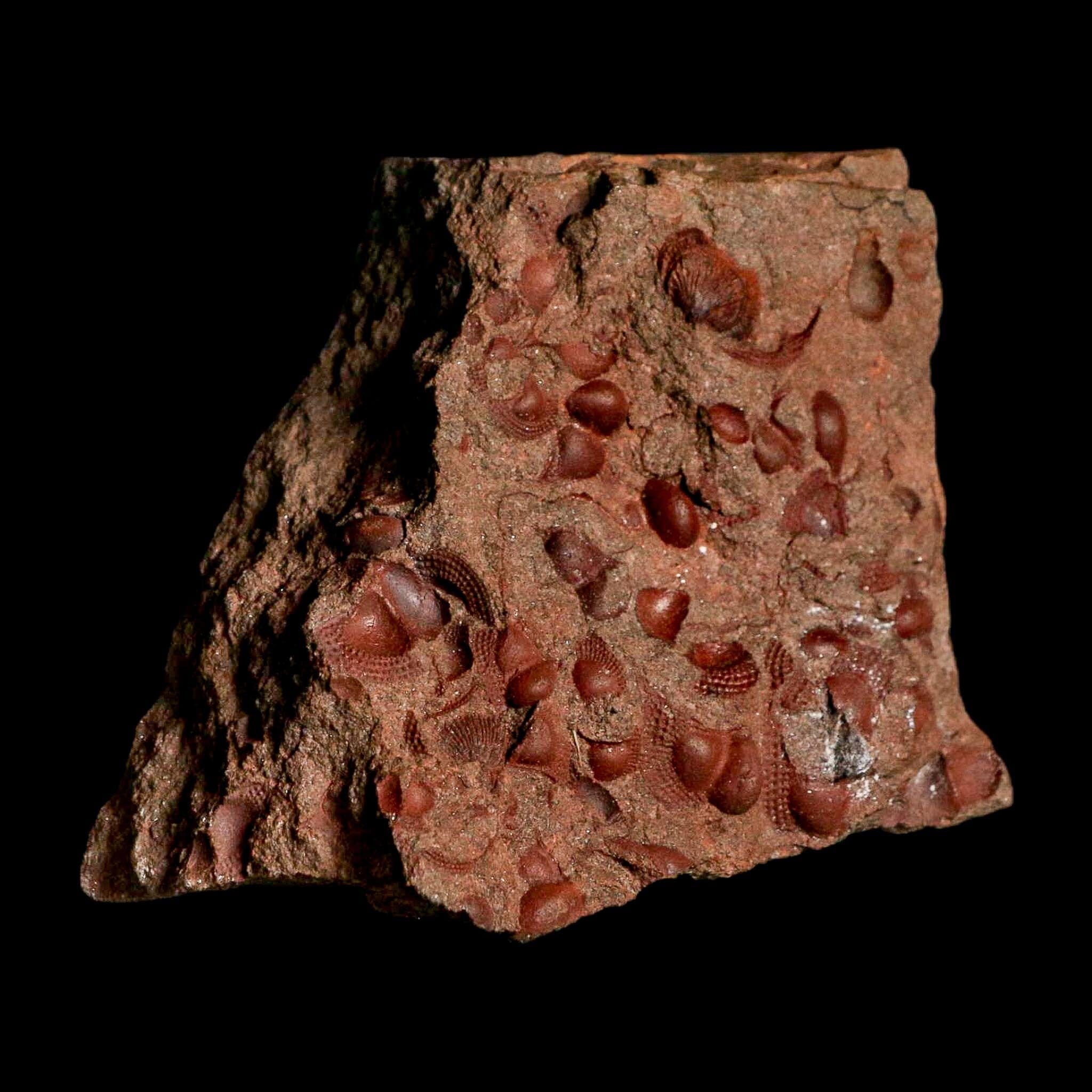
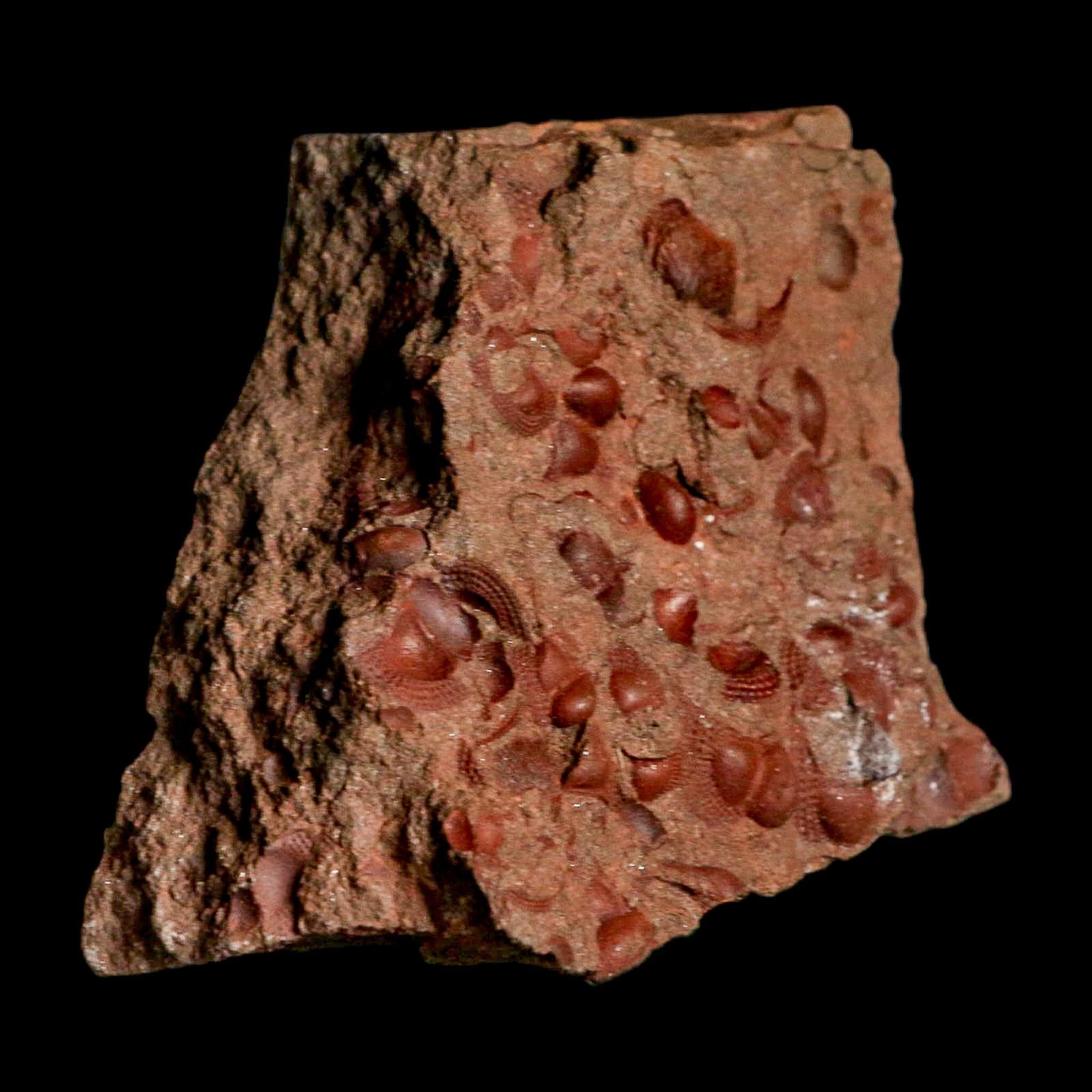


Description
Location: Morocco
Weight: 12.7 Ounces
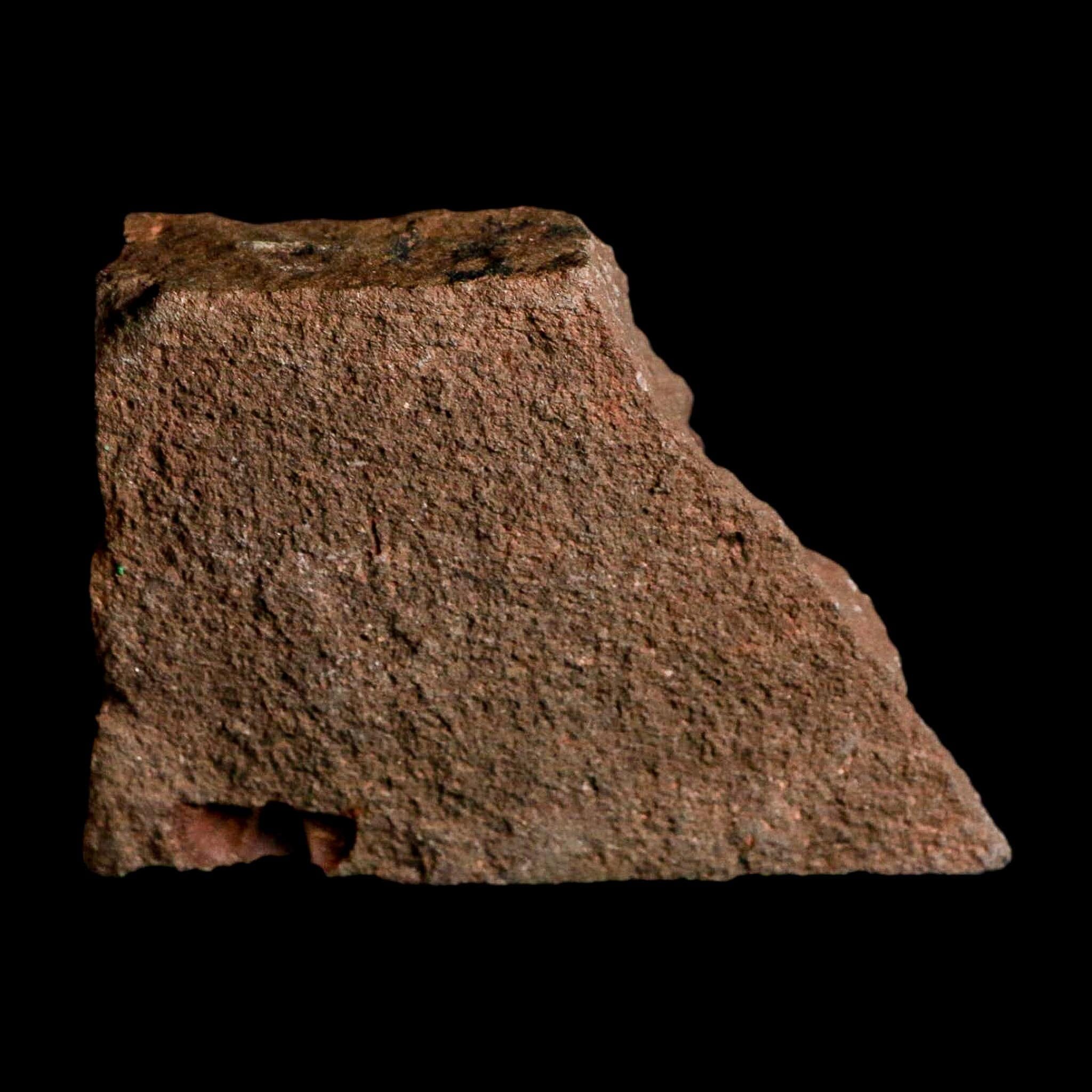
Dimensions: 3.9 Inches Long, 3 Inches Wide, 1.5 Inches Thick (Matrix)
Comes with a Certificate of Authenticity.
The item pictured is the one you will receive.
This exceptional trilobite fossil represents one of the earliest and most successful arthropod lineages in Earth’s history. Belonging to the extinct class Trilobita, trilobites thrived in ancient oceans for over 270 million years, beginning in the Early Cambrian period.
The specimen beautifully displays the iconic three-lobed body plan that defines trilobites: a prominent axial lobe flanked by two pleural lobes. The articulated thoracic segments, clearly defined cephalon (head shield), and well-formed pygidium (tail shield) demonstrate the remarkable preservation made possible by their calcified exoskeleton.
Such fossils are not only visually striking but scientifically significant. Trilobites serve as key index fossils, helping geologists date Paleozoic rock formations and reconstruct early marine ecosystems. Their advanced compound eyes and segmented anatomy reveal early arthropod innovation at a time when complex life was rapidly diversifying.
Why Are They Called Trilobites?
The name trilobite means “three-lobed”, referring to the body being divided lengthwise into:
-
a central axial lobe
-
two symmetrical pleural lobes
This three-lobed structure is a defining feature of trilobite fossils.
How Was a Trilobite’s Body Structured?
The trilobite body was divided into three main anatomical regions:
-
Cephalon (head): Included compound eyes, mouthparts, and sensory organs such as antennae
-
Thorax: A flexible middle section composed of 2 to 61 articulated segments
-
Pygidium (tail): A fused rear section forming a protective shield
Why Are Trilobite Fossils So Common?
Thanks to their durable exoskeletons, trilobites fossilized easily. As a result, they are one of the most abundant, diverse, and well-studied fossil groups in the world, prized by scientists, educators, and fossil collectors alike.

Please be aware of the nature of fossils:
Being buried under tons of pressure for millions of years makes fossils rough. No fossil emerges perfect; most are restored or altered to improve presentation. Moroccan workers are professional in unearthing and preserving treasures, though surface cracks are visible—part of their natural beauty, not defects.