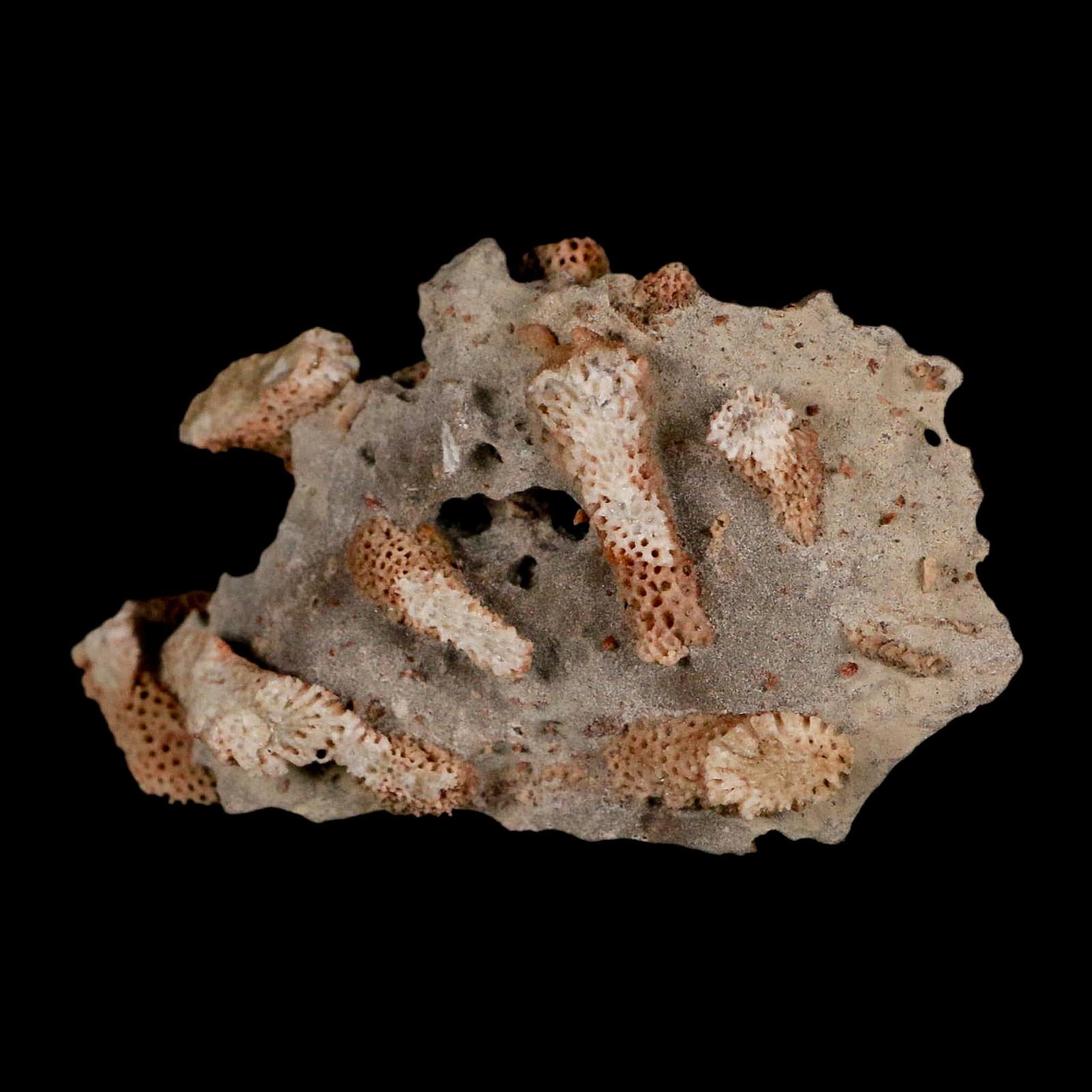


Description
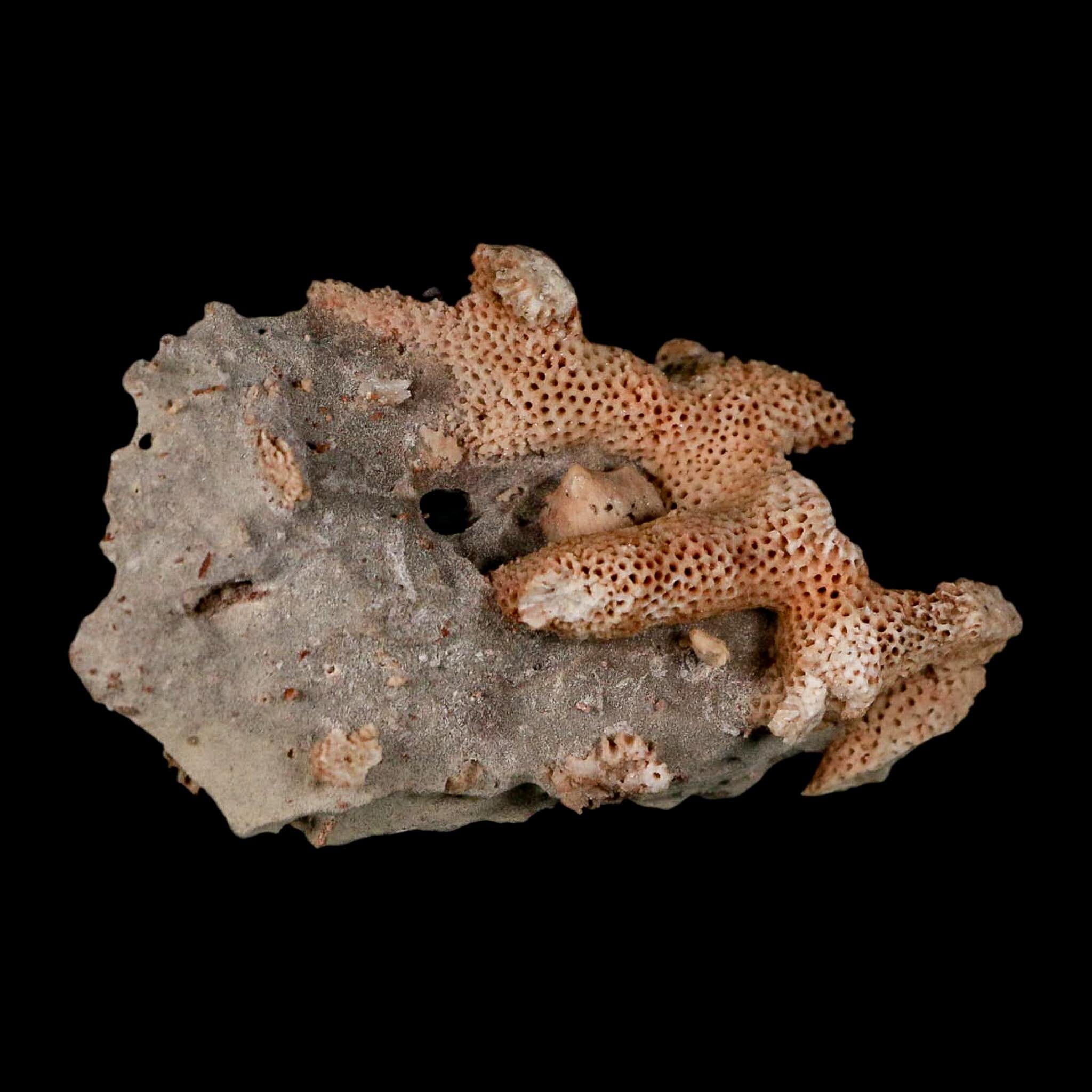
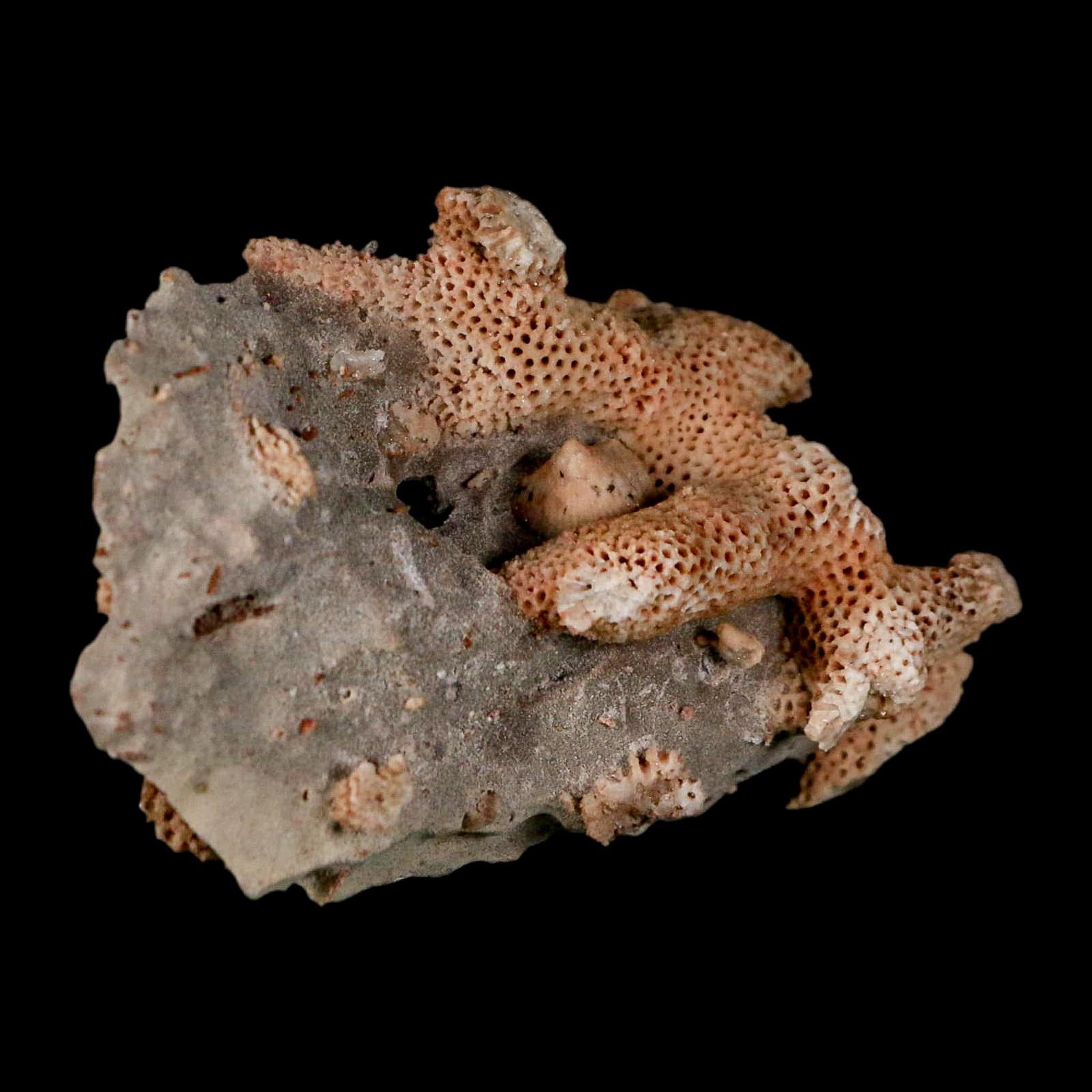
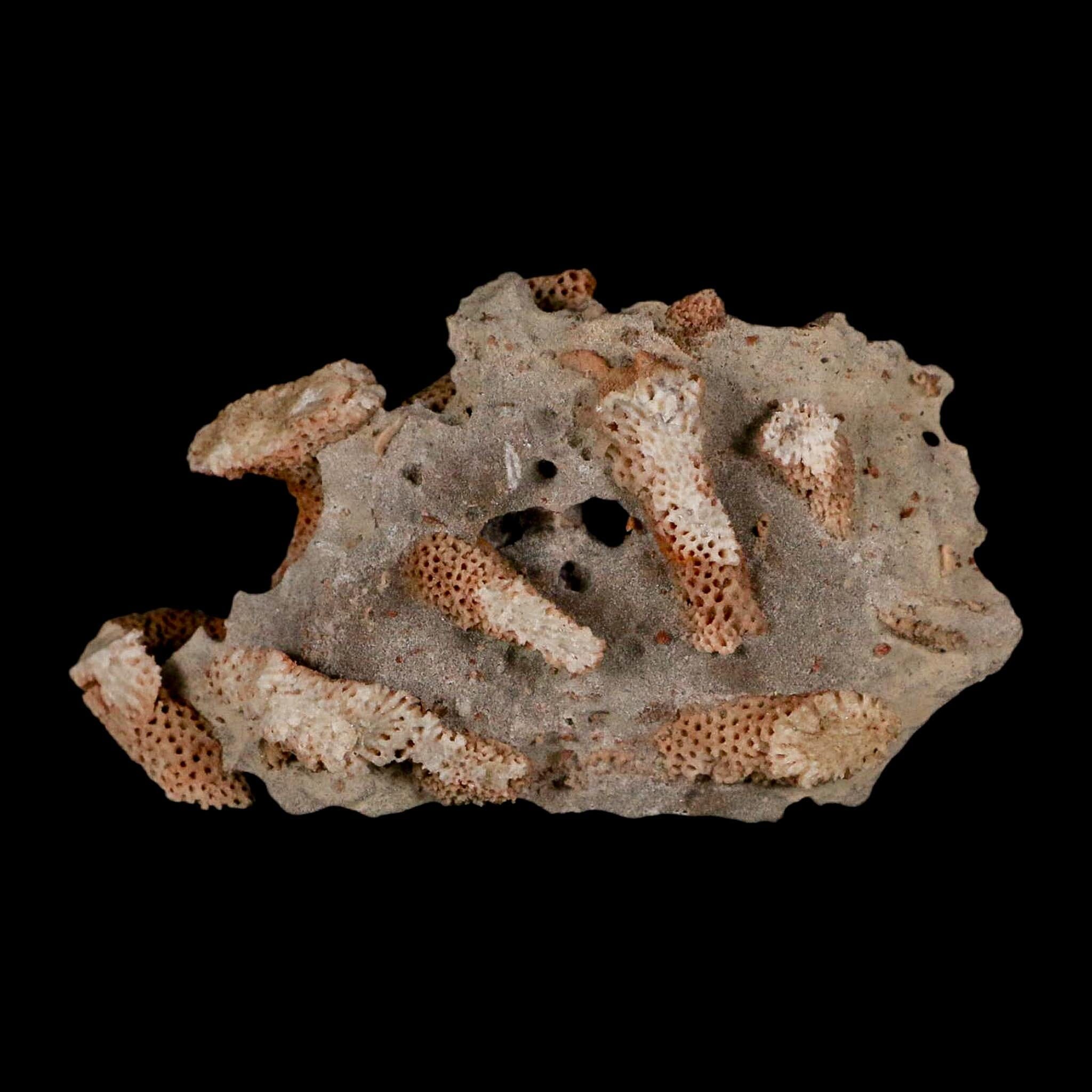
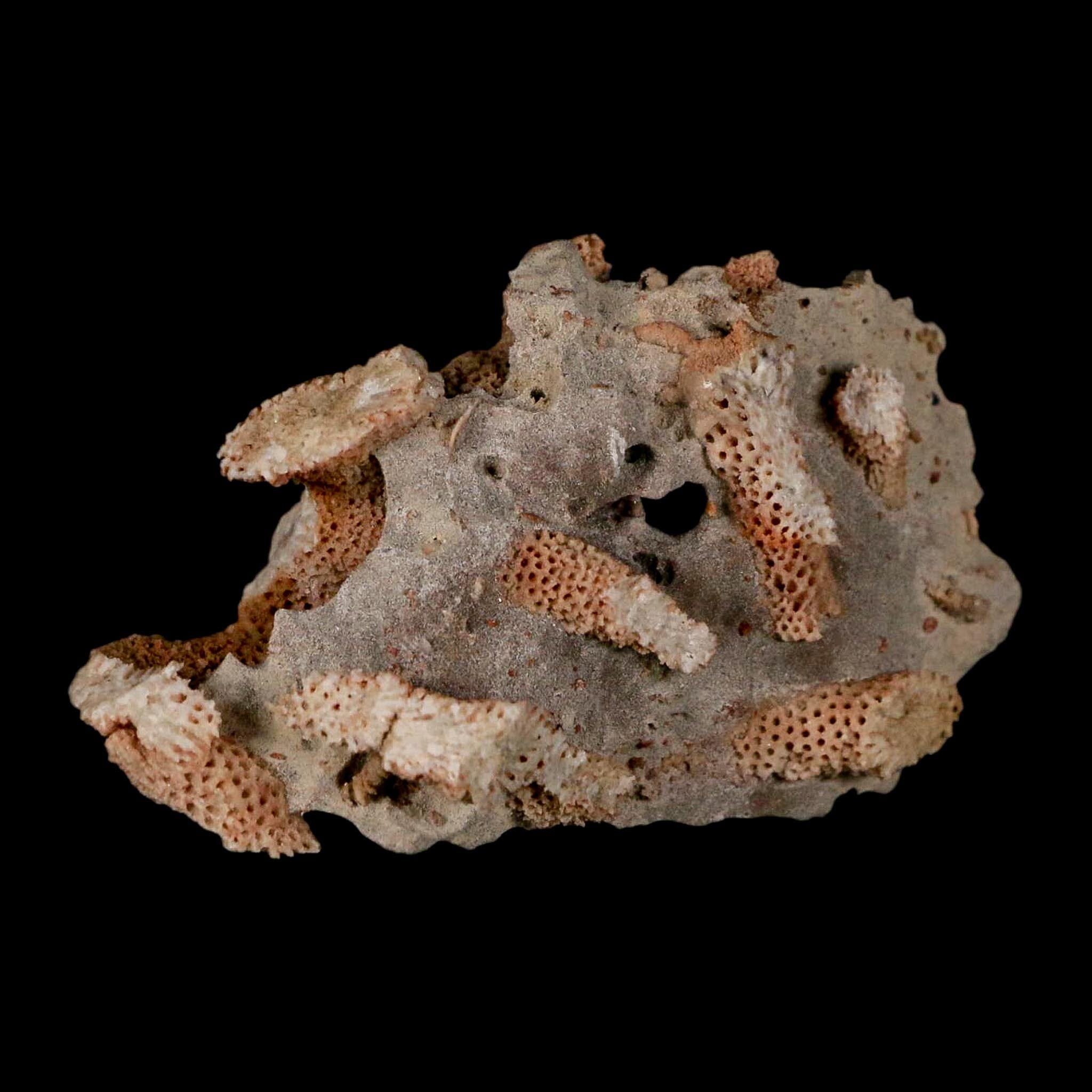
Location: Martin Formation, Verde Valley, Arizona, United States
Weight: 1.5 Ounces
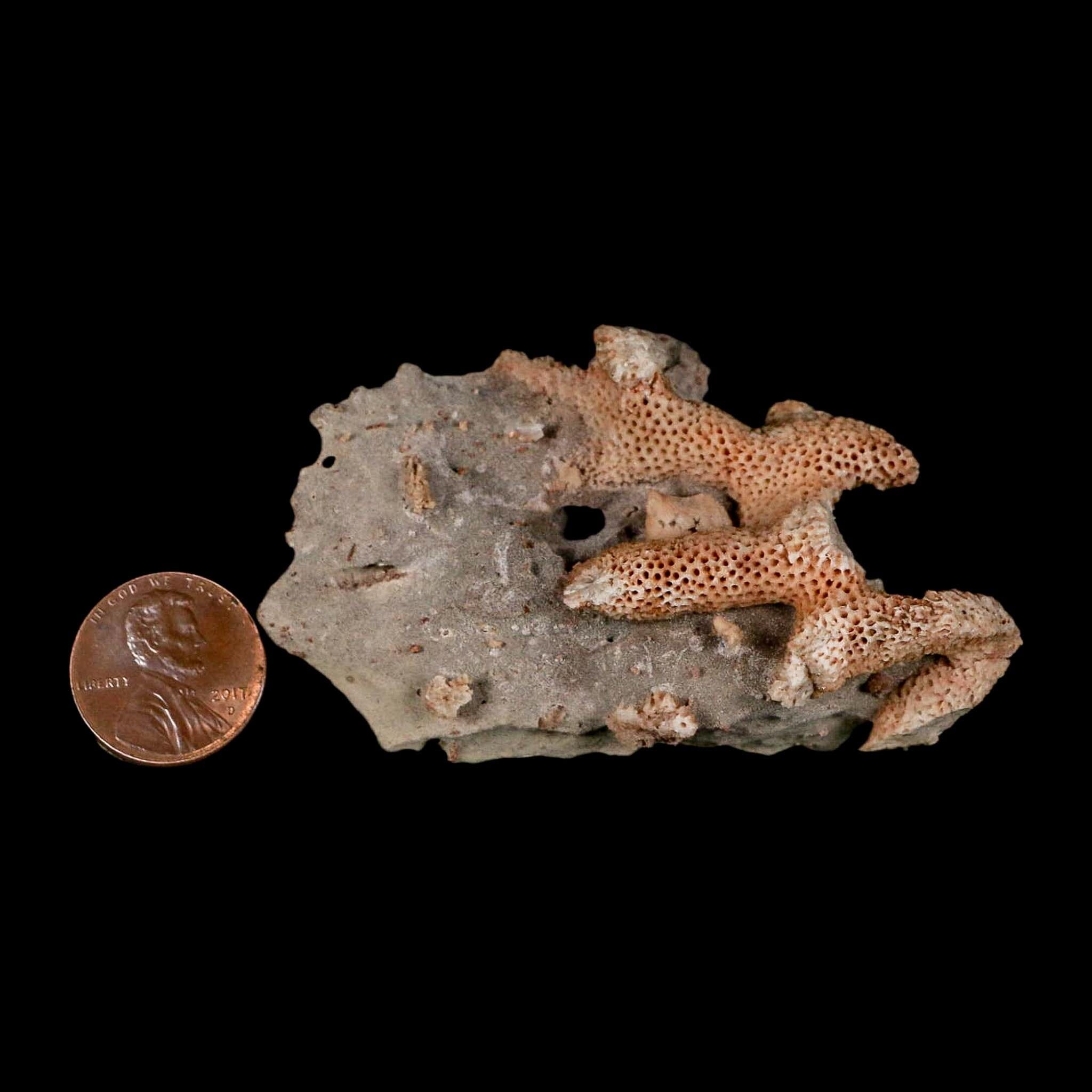
Dimensions: 2.8 Inches Long, 1.6 Inches Wide, 1.1 Inches Thick
Devonian Age 380 Million Years Old
The item pictured is the one you will receive.
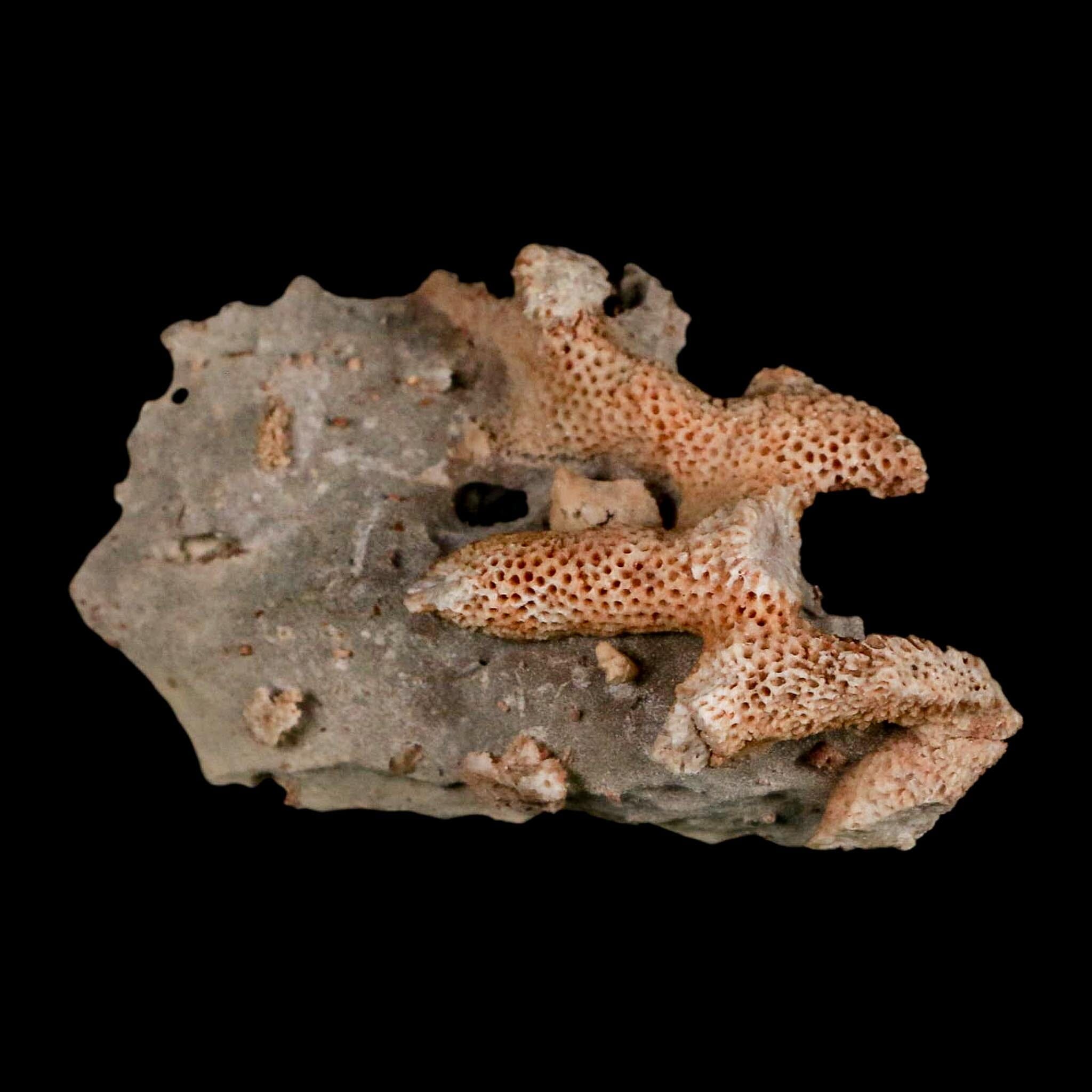
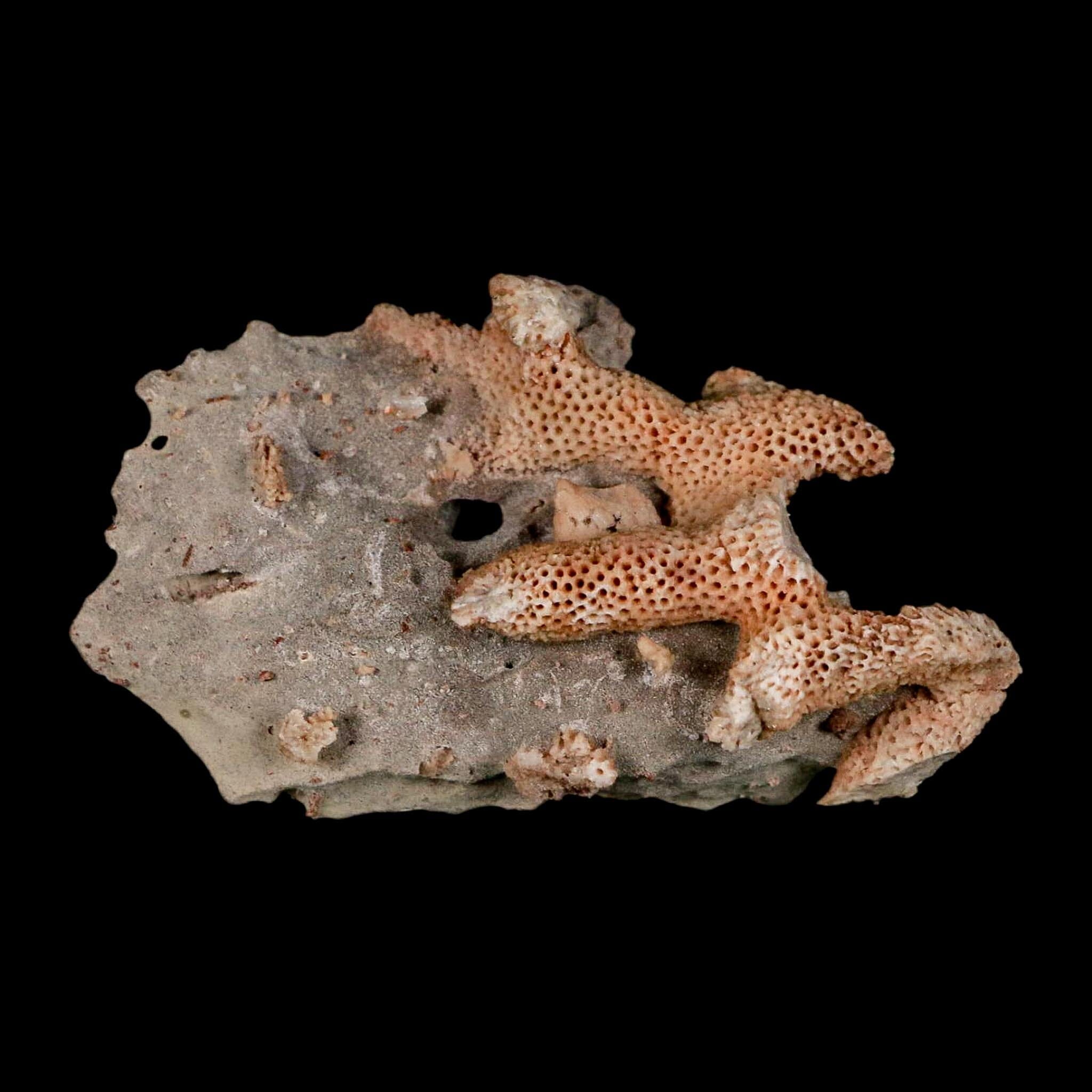
Thamnopora SP Fossil Coral
Around 410 million years ago, during the Devonian period, corals re-emerged and began forming the first extensive reef systems. These early reefs were vibrant and complex underwater structures, built primarily by stromatoporoids, coral-like sponges that provided a sturdy framework; tabulate corals, which grew into mounds, branches, and organ-like shapes; rugose corals, horn-shaped species adding vertical dimension; and the ancestors of modern coralline algae, colorful encrusting algae that helped cement the reef together.
By the end of the Devonian, scleractinian, or “stony,” corals appeared for the first time. These corals laid down hard calcium carbonate skeletons and became the foundation for the modern coral reefs that dominate today’s oceans.
However, approximately 350 million years ago, corals disappeared from the fossil record. While the exact cause remains uncertain, research suggests that rapid sea-level changes and a sudden drop in atmospheric carbon dioxide disrupted reef ecosystems, leading to their decline. Despite this setback, corals would later recover, continuing their long evolutionary story in the world’s oceans.
