
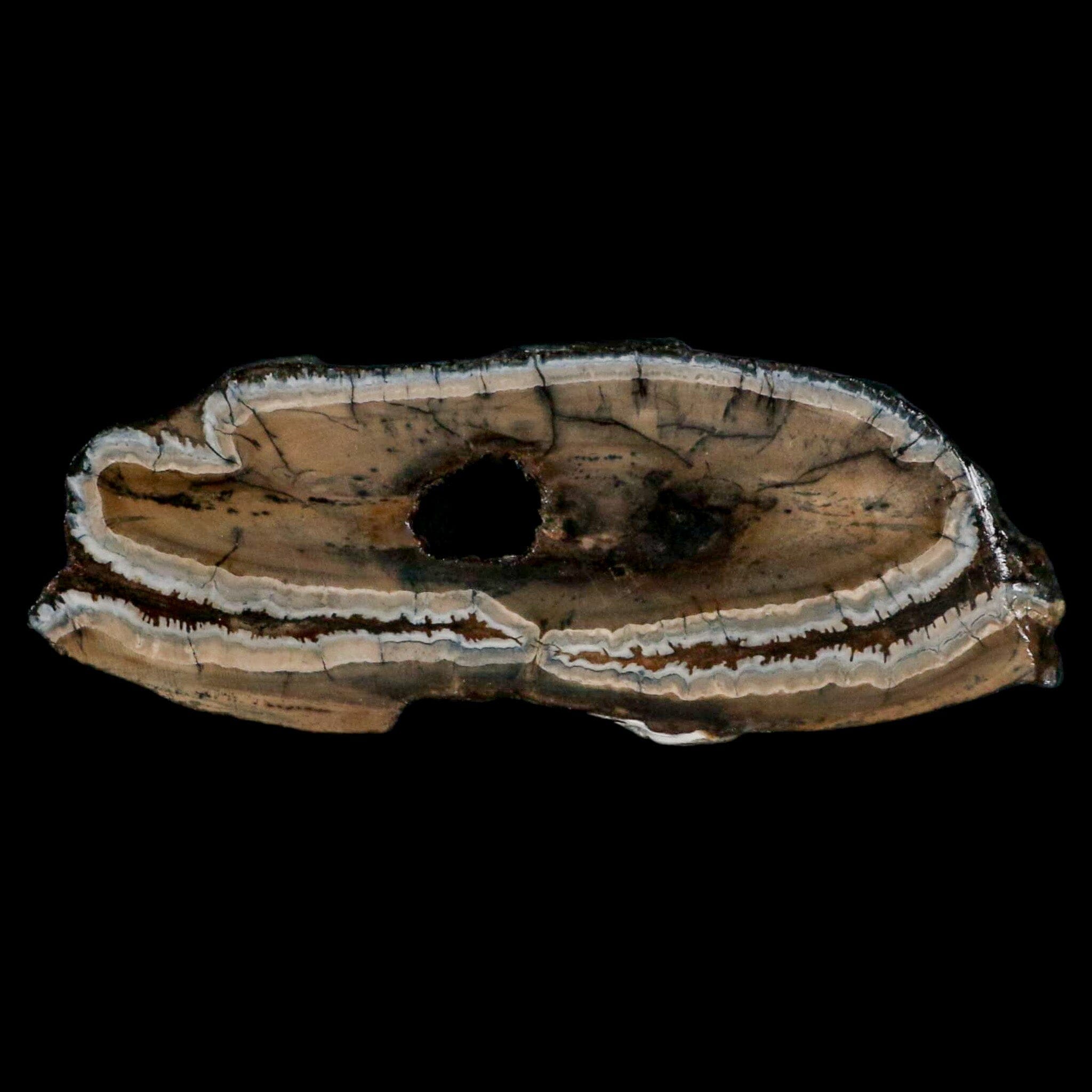
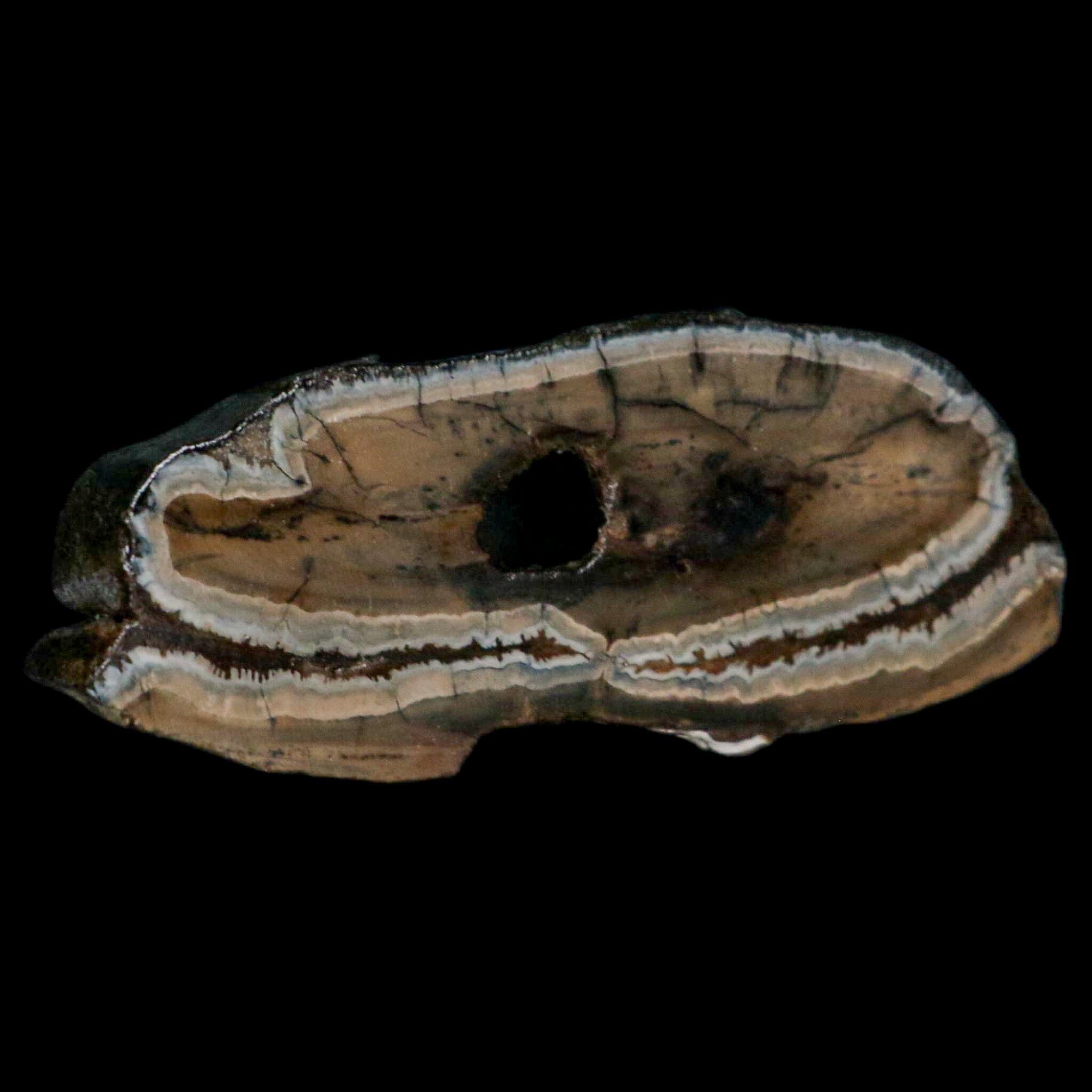
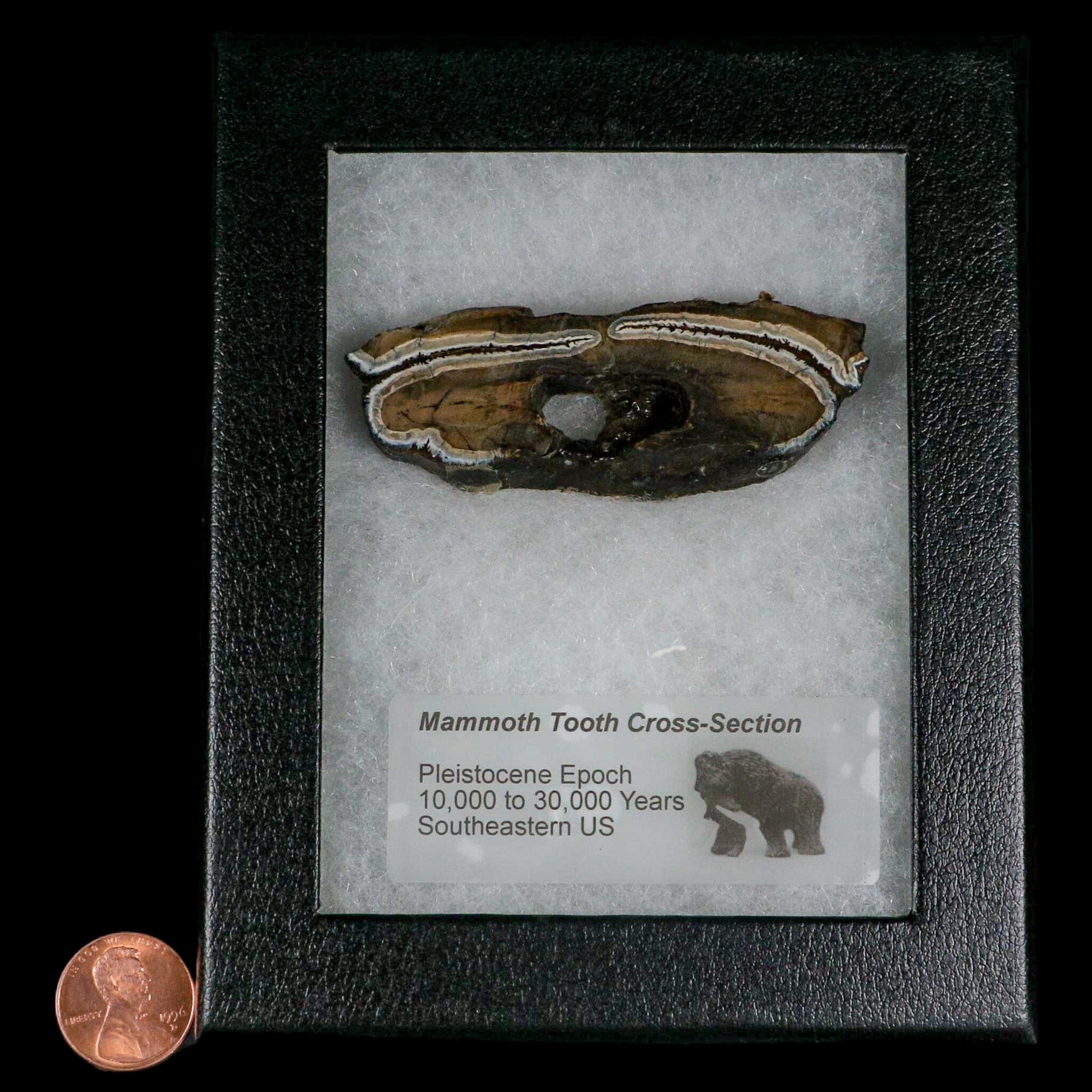
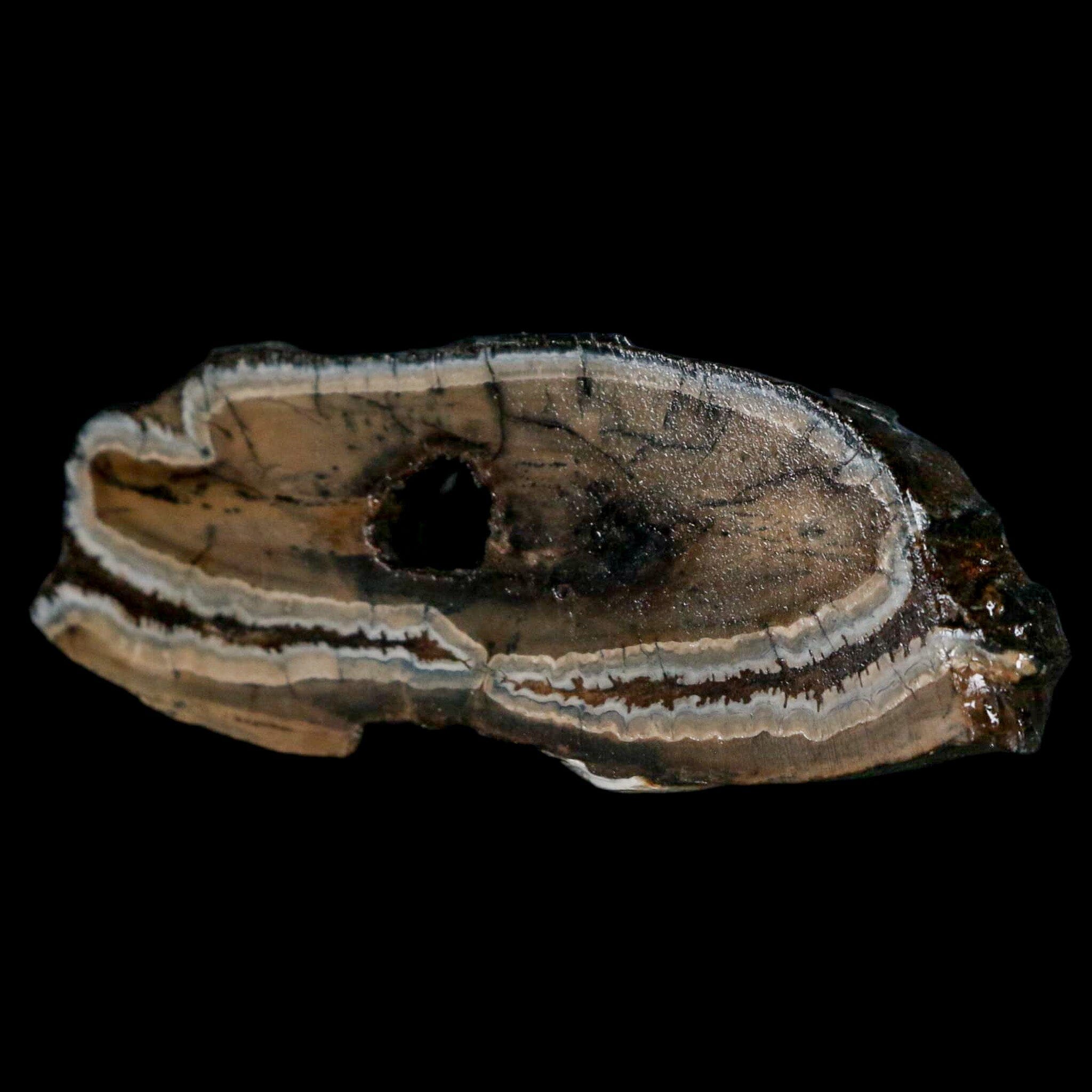
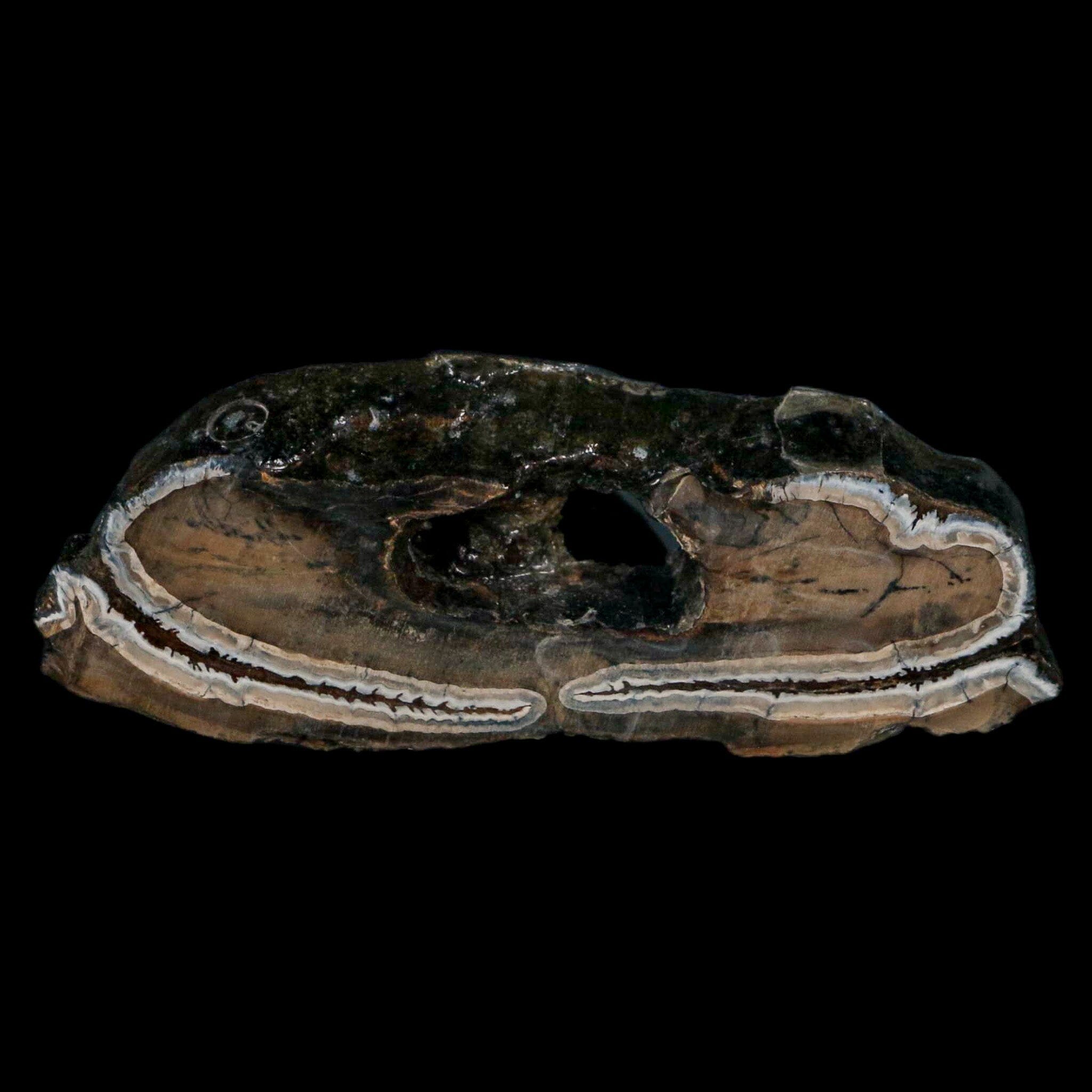
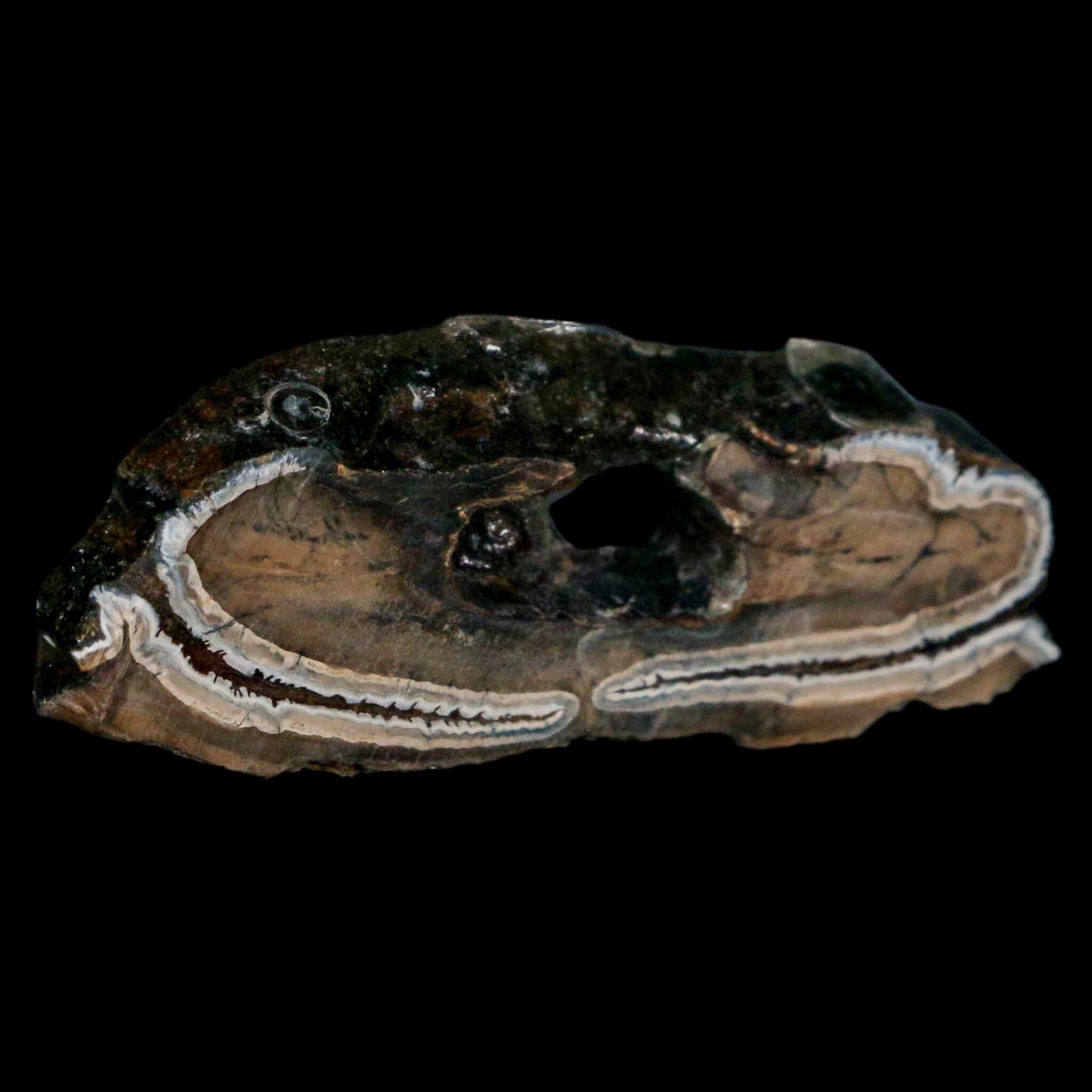
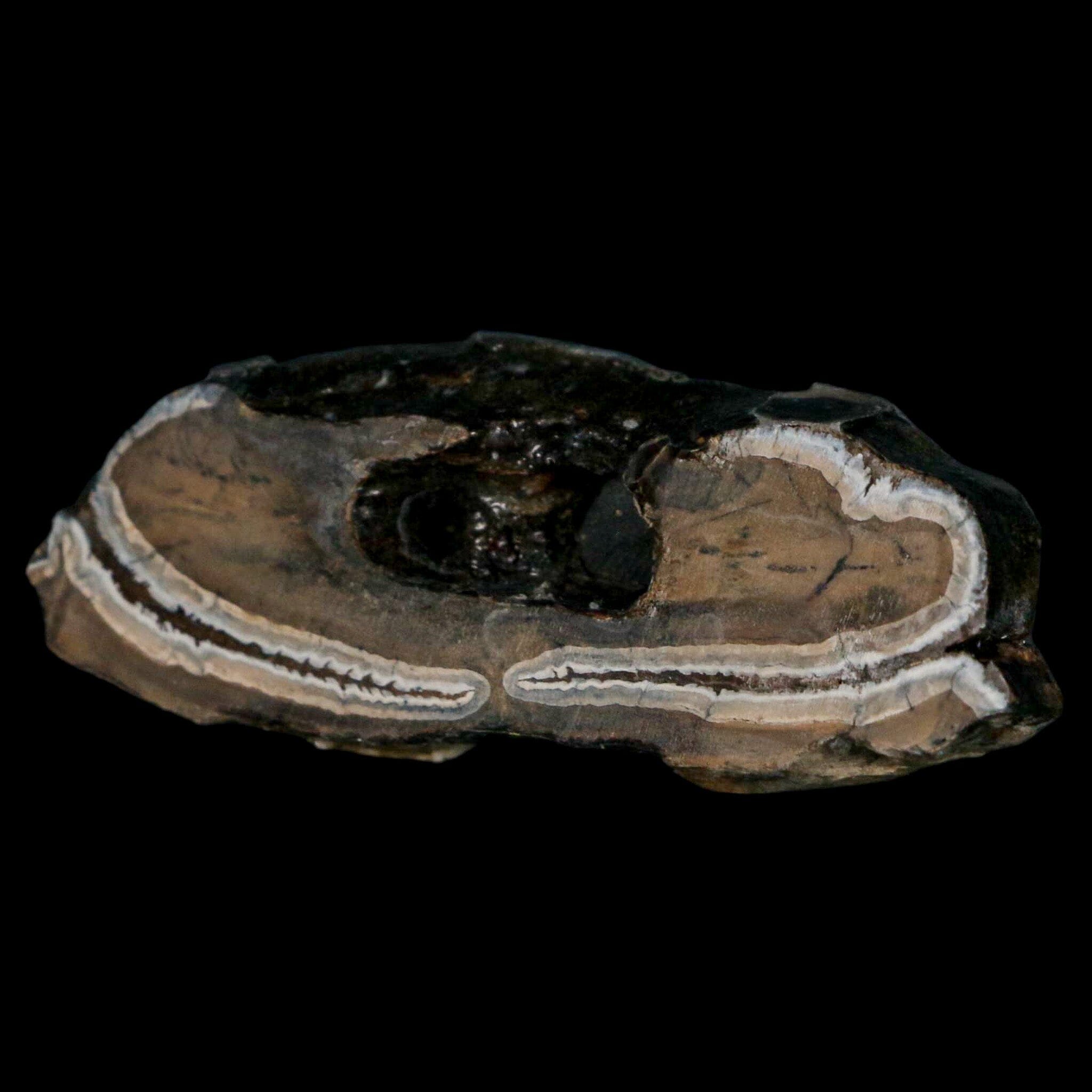
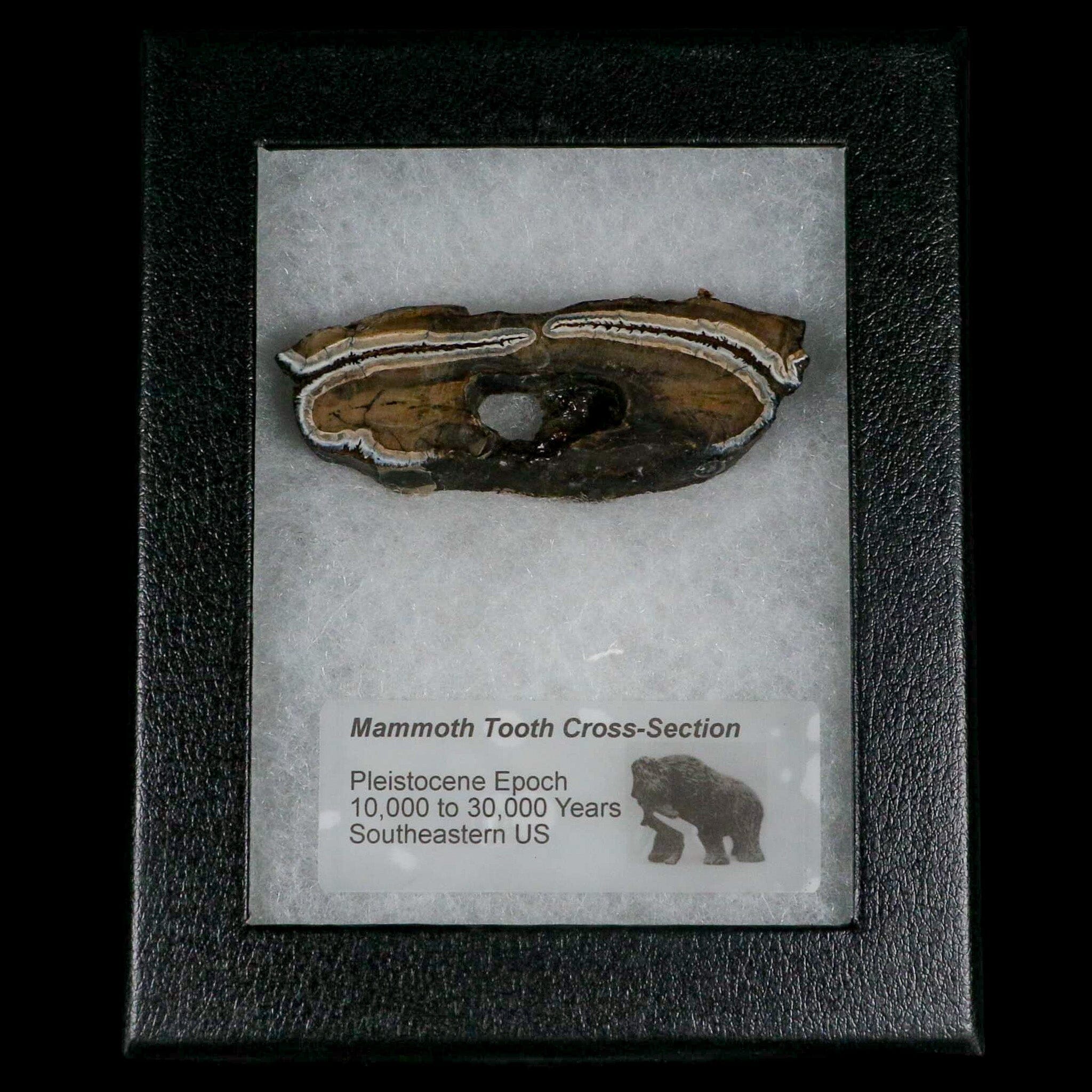


Description
Location: United States, Off The Gulf Coast, Florida. Hawthorne Formation
Weight: 4.8 Ounces with box
Dimensions of Tooth: 2.8 Inches Long, 1 Inch Wide, 0.3 Inches Thick
Comes with a Riker Display Box.
The item pictured is the one you will receive.
Pleistocene Epoch, 20 Million Years old.
Trade in raw fossil “Mammoth” ivory is illegal in CA, HI, IL, NJ, NV, and NY
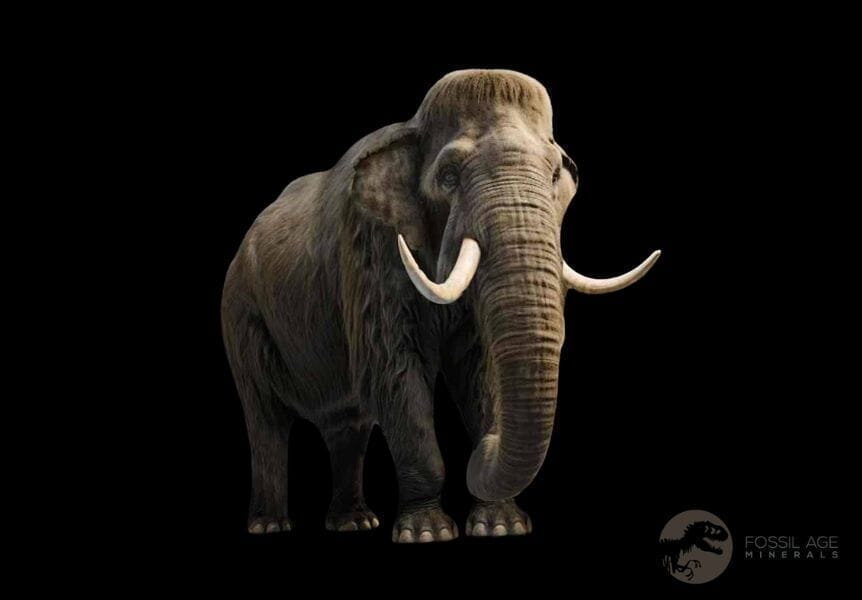
Mammoths were giant prehistoric elephants that roamed the Earth during the Pleistocene epoch. They evolved from the steppe mammoth around 400,000 years ago in East Asia and are most closely related to today’s Asian elephants. Thanks to remarkably well-preserved frozen specimens from Siberia and Alaska, scientists have been able to study their skeletons, teeth, stomach contents, and even dung, offering rare insight into their appearance, diet, and behavior. Before their formal identification in 1796 by Georges Cuvier, mammoth fossils discovered in Asia were often mistaken for the remains of mythical creatures.
The woolly mammoth was comparable in size to today’s African elephants. Adult males stood between 2.7 and 3.4 meters (9–11 feet) at the shoulder and could weigh up to 6 metric tons, while females were slightly smaller, standing 2.6–2.9 meters (8.5–9.5 feet) tall and weighing around 4 metric tons. Newborn calves weighed about 90 kilograms (200 pounds). Adapted to the frigid conditions of the Ice Age, woolly mammoths were covered in thick fur, with long guard hairs and a dense undercoat. Their ears and tails were short to reduce frostbite, and their long, curved tusks and trunks were used for foraging, manipulating objects, and defense. Feeding primarily on grasses and sedges, they lived on the vast mammoth steppe that spanned northern Eurasia and North America, with lifespans of up to 60 years.
