

Description
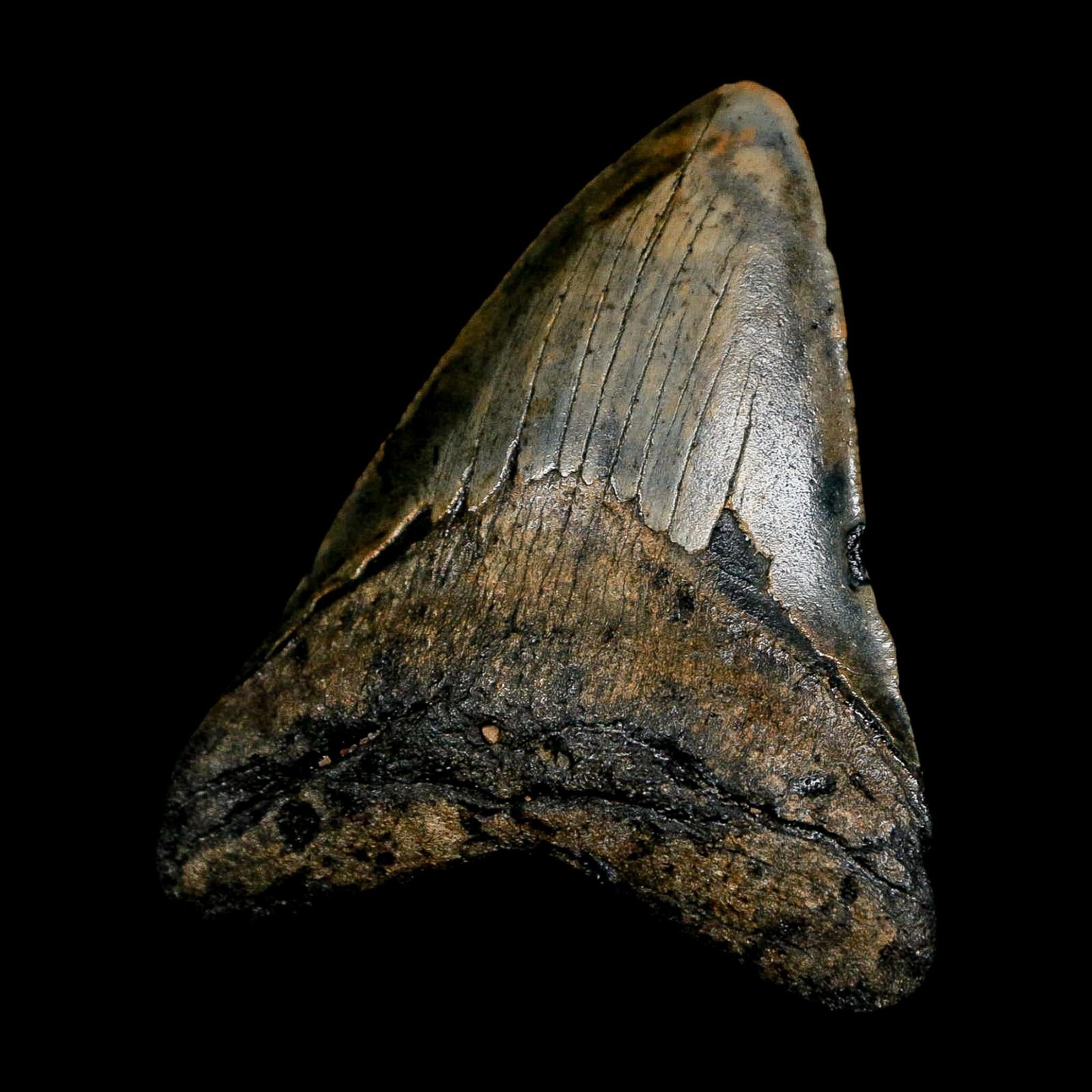
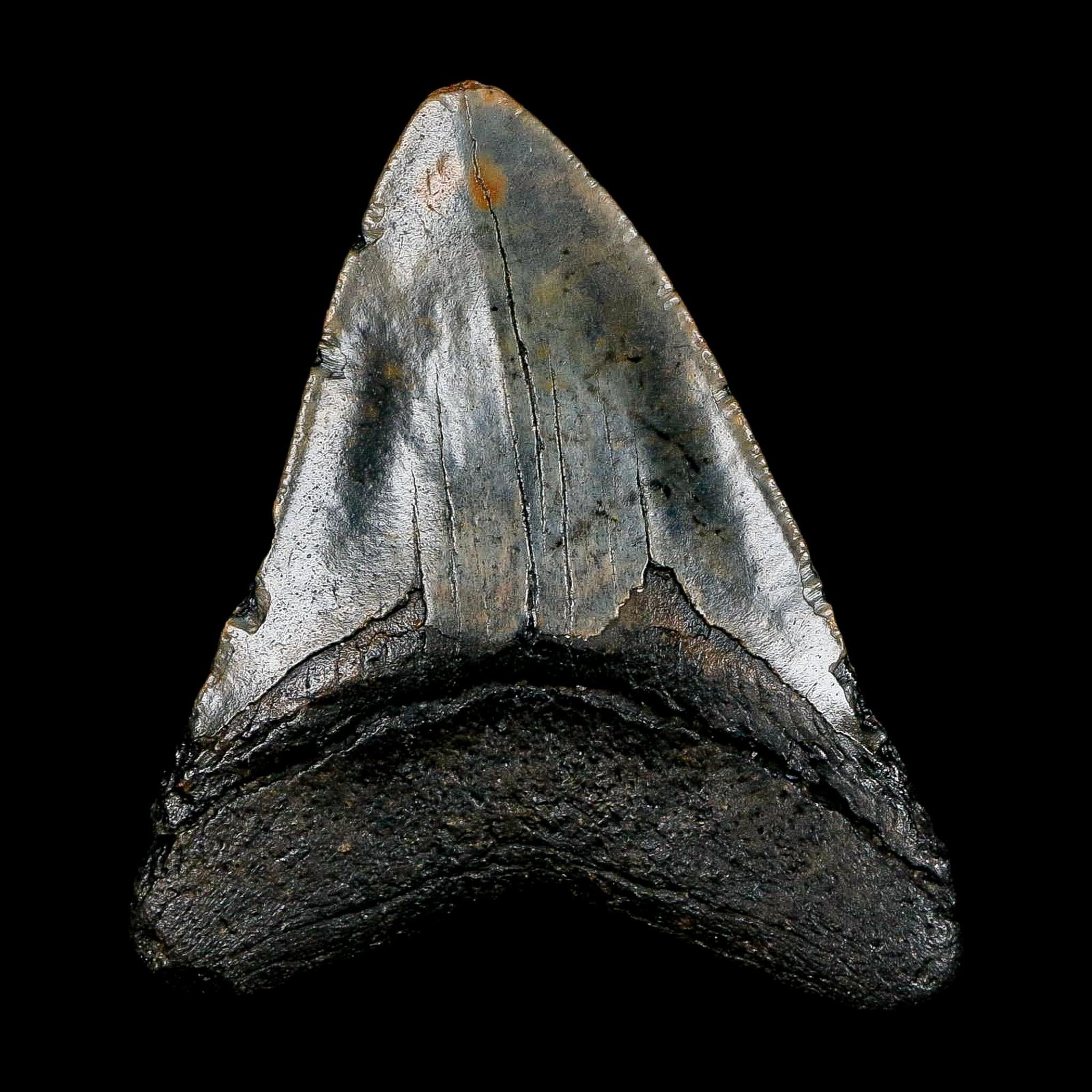
Location: South Carolina, United States
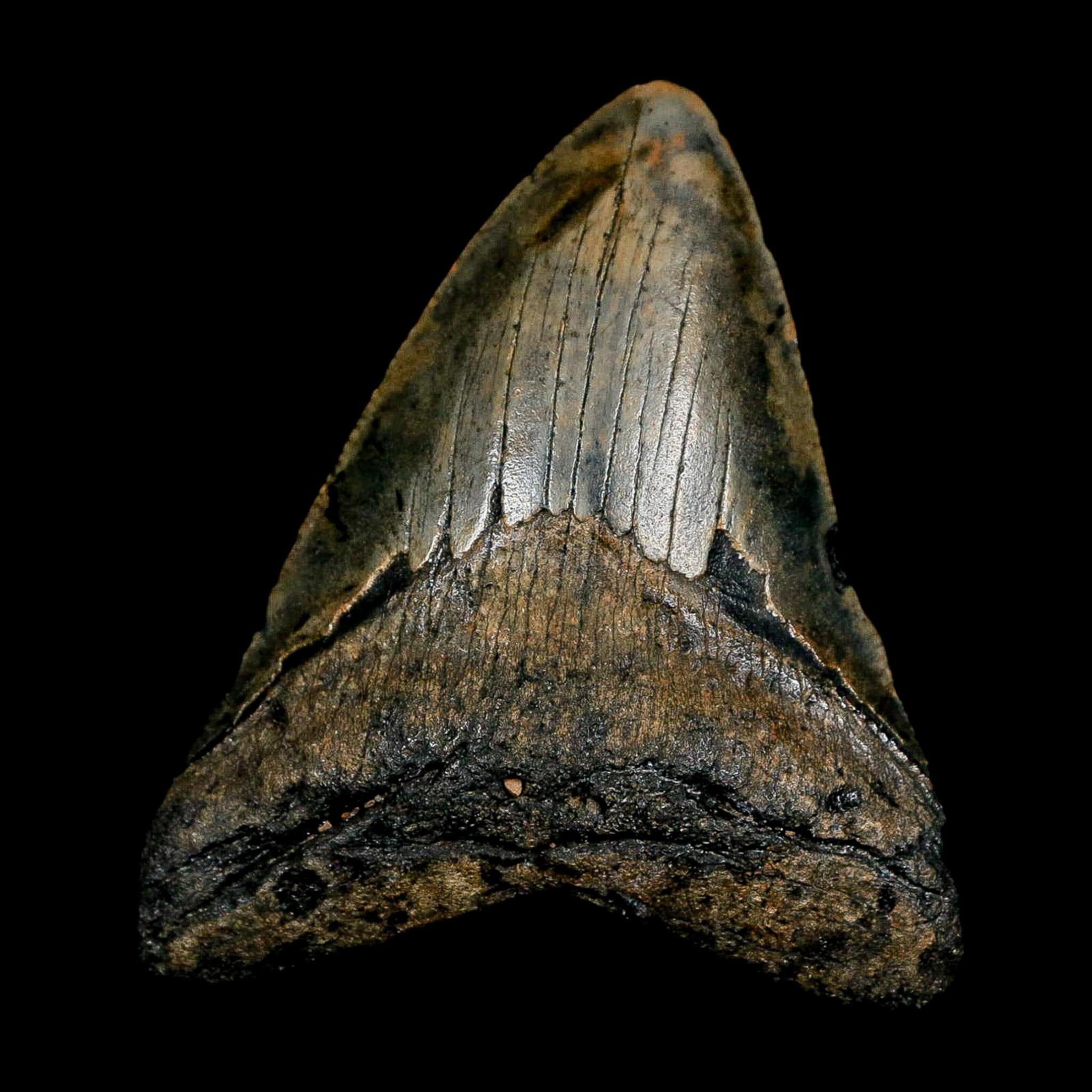
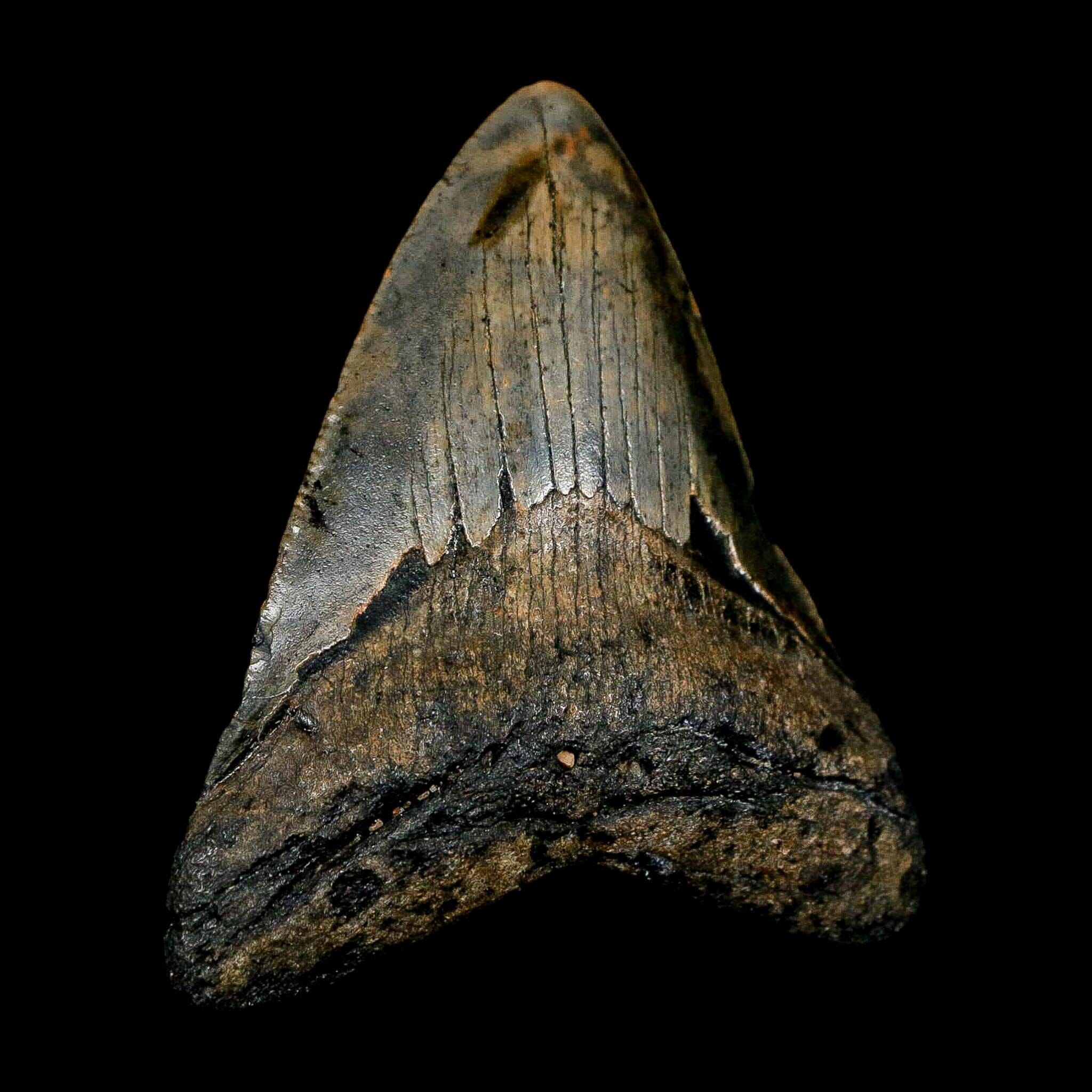
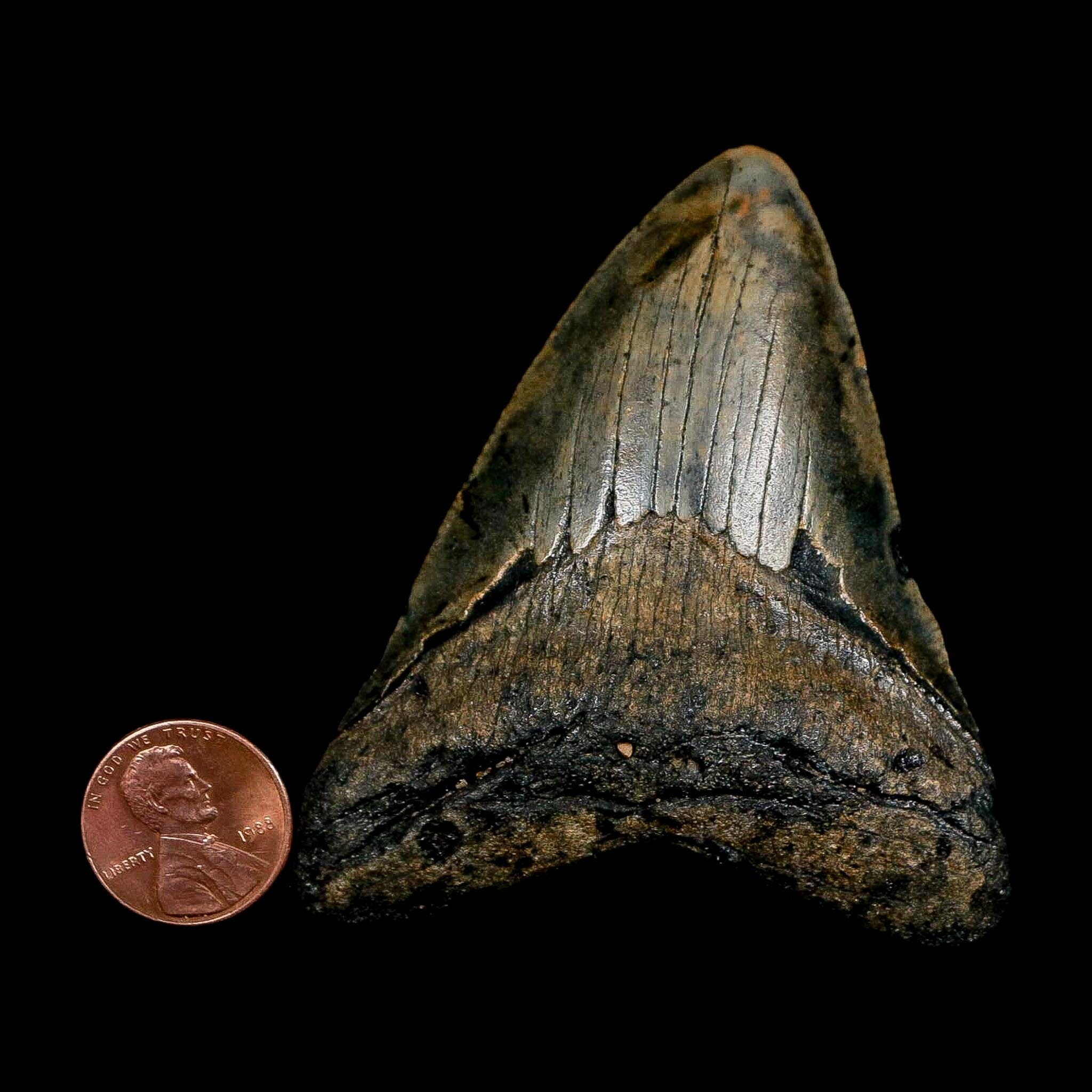
Weight: 2 Ounces
Dimensions: 2.7 Inches Long, 2.5 Inches Wide, 0.6 Inches Thick
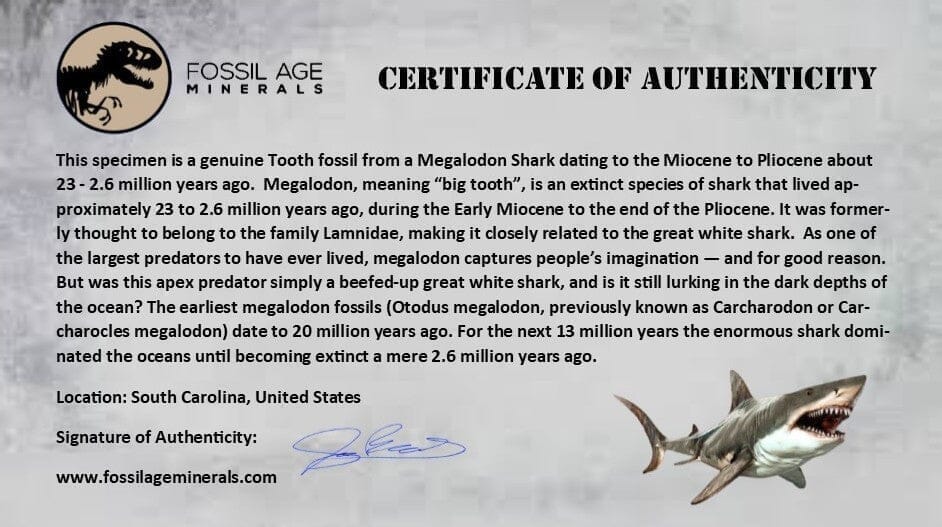
Comes with a Certificate of Authenticity.
The item pictured is the one you will receive.
Early Miocene to Pliocene, 5-23 million years old
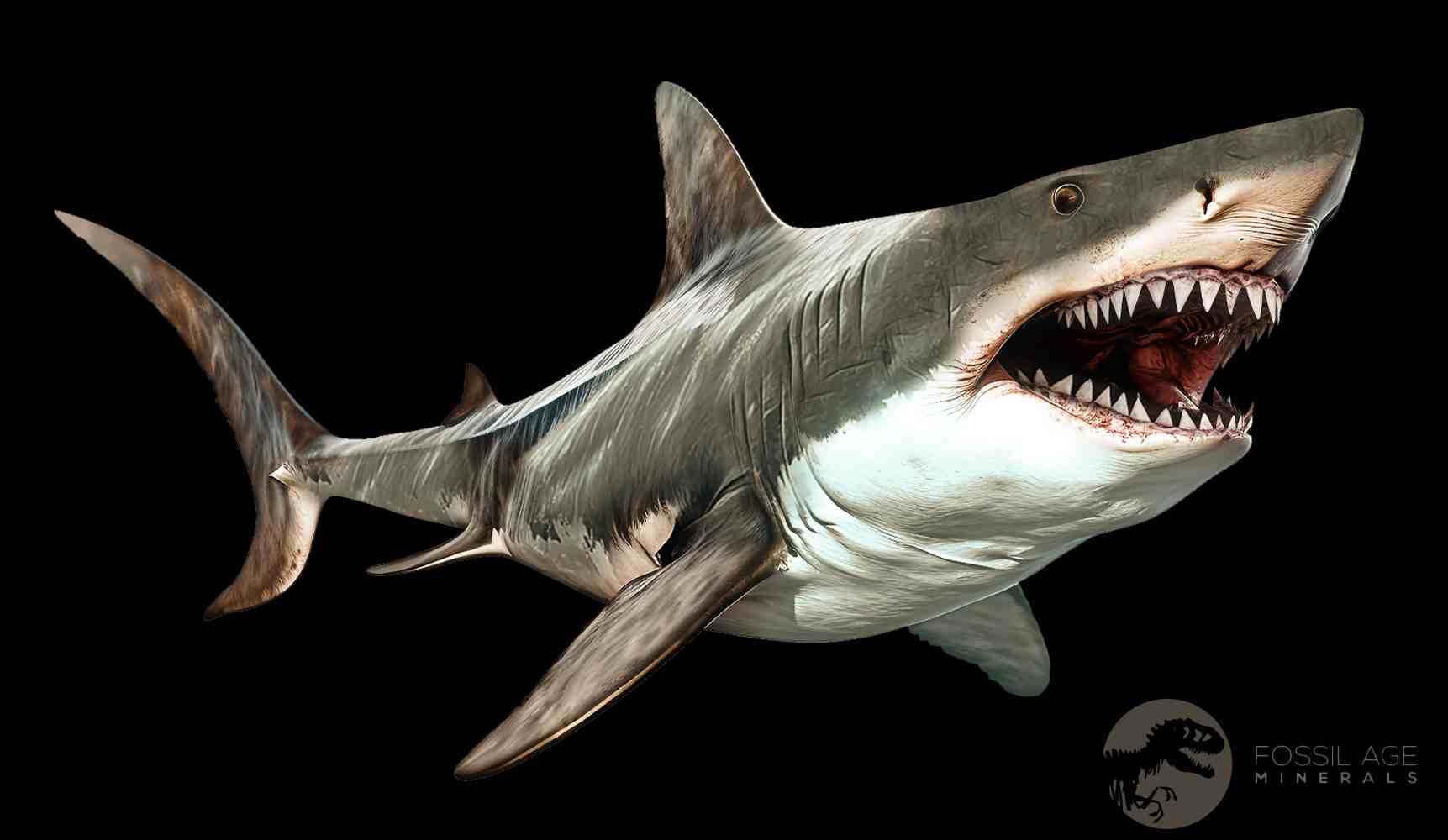
Megalodon, meaning “big tooth,” was a gigantic prehistoric shark that dominated the oceans from approximately 23 to 5 million years ago. Recognized as one of the largest predators in history, Megalodon is famed for its enormous jaws and serrated teeth, which could reach up to 18 centimeters in length, perfectly designed for gripping, slicing, and crushing large prey.
Size and Body Structure:
Megalodon could grow between 15 and 18 meters long, nearly three times the length of the largest great white shark alive today. Its massive, streamlined body allowed it to swim powerfully and strike with incredible speed, making it a highly effective predator in both coastal and open ocean environments. Fossil evidence suggests that it had a robust skeletal structure capable of withstanding immense pressure during hunting and biting.
Teeth and Feeding:
The shark’s gigantic, triangular teeth were serrated along the edges, enabling it to cut through the flesh and bones of whales, large fish, and marine mammals. Tooth size and wear patterns provide scientists with insight into Megalodon’s diet, growth patterns, and hunting strategies, revealing its role as a dominant apex predator in prehistoric seas.
Habitat:
Megalodon inhabited warm, shallow waters, continental shelves, and open oceans, with fossils discovered across all continents, indicating a near-global distribution in tropical and subtropical seas. Its adaptations made it capable of long migrations, allowing it to pursue prey and maintain large populations across vast marine regions.
Ecological Importance:
As an apex predator, Megalodon shaped the structure of Miocene and Pliocene marine ecosystems, controlling populations of large marine mammals and other fish. Its predatory dominance lasted for over 13 million years, reflecting its efficiency as a hunter and its evolutionary success.
Fossil Significance:
Megalodon fossils, particularly its massive teeth, are among the most sought-after by paleontologists and collectors. Each fossil provides a tangible connection to prehistoric oceans, offering insight into predator-prey dynamics, evolutionary adaptations, and the extraordinary scale of ancient marine life.
Megalodon remains one of the most iconic and awe-inspiring prehistoric predators, a true giant of the oceans, whose fossil record continues to illuminate the incredible power and diversity of life in Earth’s ancient seas.
