


Basilosaurus (Whale) Fossils


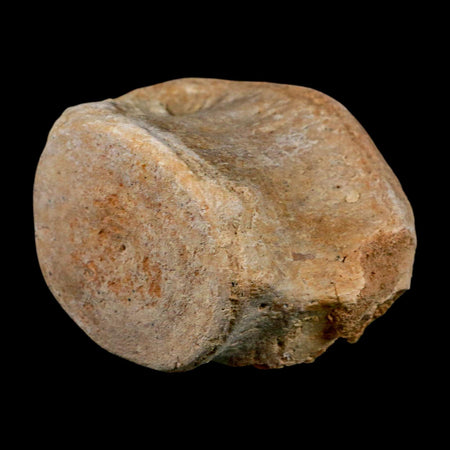
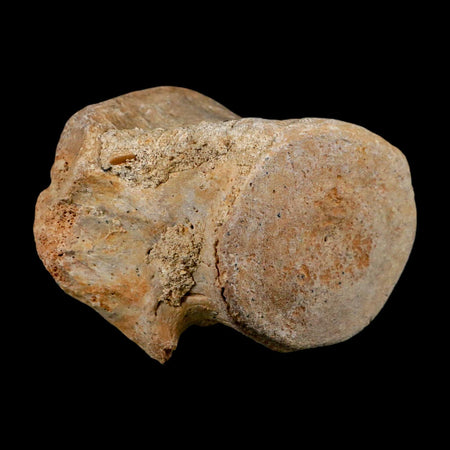
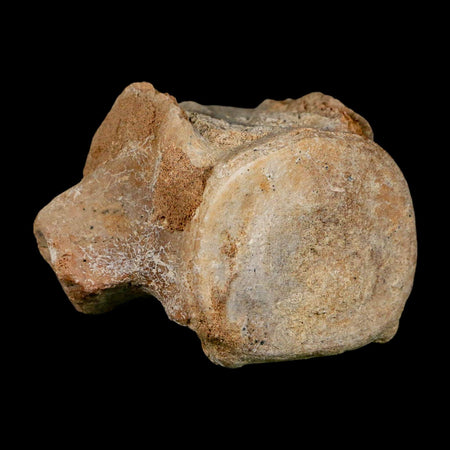
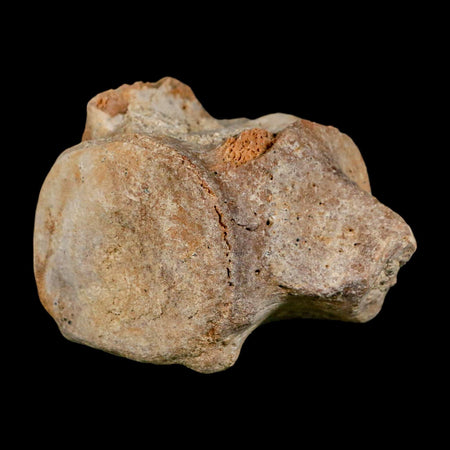
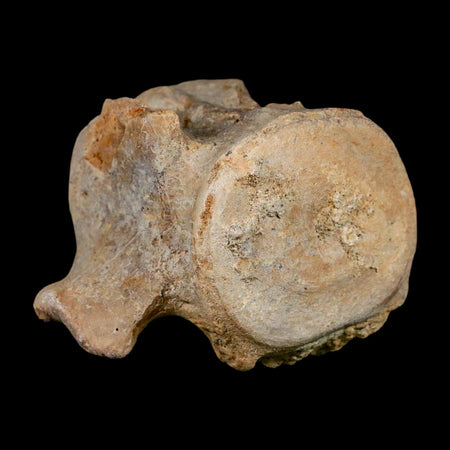
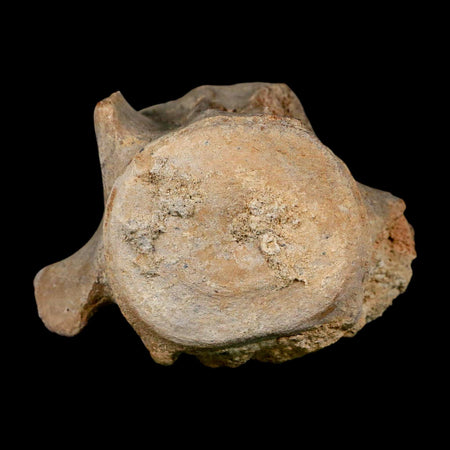
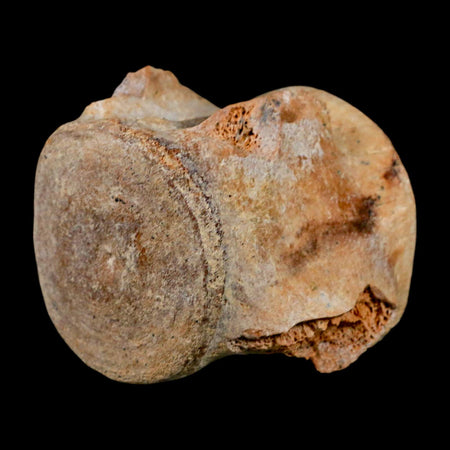
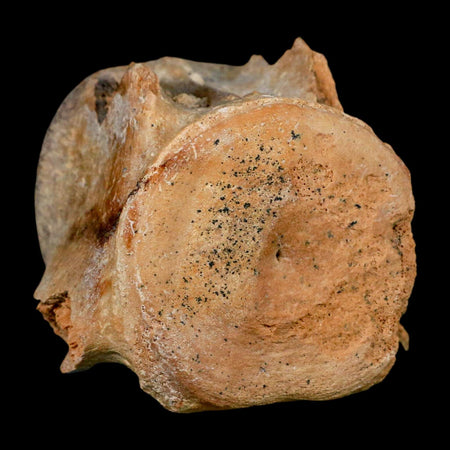
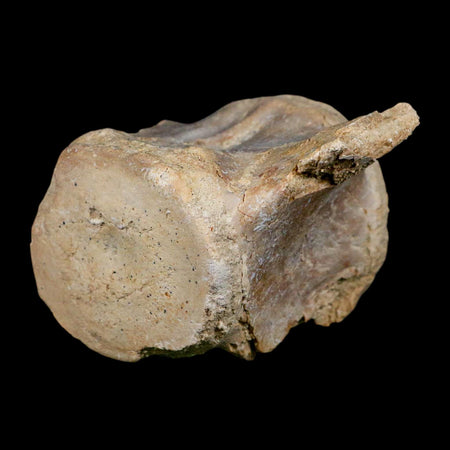
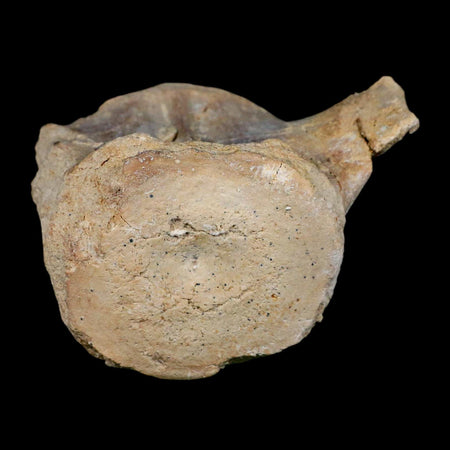
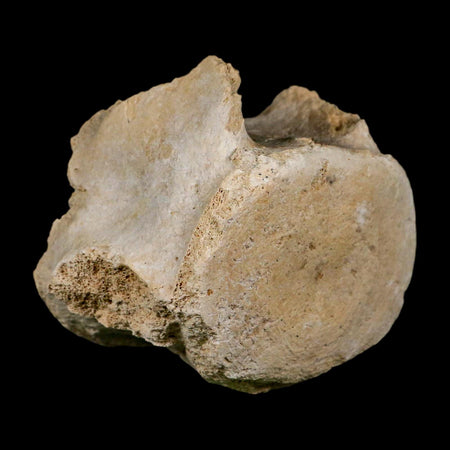
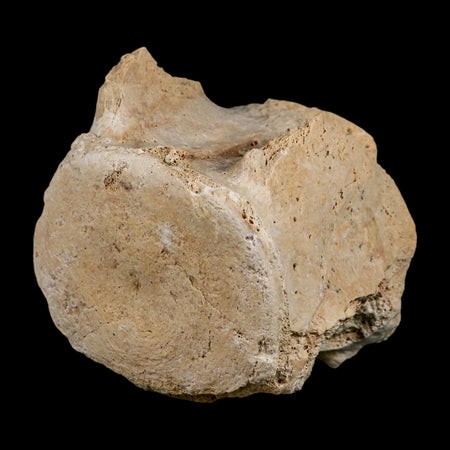
Basilosaurus Prehistoric Whale – Rare Fossils of Ancient Ocean Giants
Meet the Eocene Predator
Take a step back in time and land at 40–41 million years ago during the Eocene period when the earliest known fully aquatic whale, Basilosaurus, ruled the seas. Basilosaurus was a giant predatory marine mammal about 50 feet long, and its mouth was armed with knife-like, saw-shaped teeth, making it a fearsome ocean predator in its era.
Fortunately, temporal shifts or archaeological discoveries of prehistoric whale fossils help modern collectors, teachers, and amateurs temporarily travel into the world of the giant of the sea. Remains of the past, stunningly captured in every sample, are a unique chapter in the history of seas.
Anatomy of a Giant
Our collection highlights real Basilosaurus bones and Basilosaurus teeth for sale, giving you a detailed view of this extinct predator:
-
Jaw and Teeth: Razor-sharp teeth designed for hunting prey, preserved with remarkable clarity.
-
Vertebrae and Ribs: Illustrate the skeletal structure and immense size of this prehistoric whale.
-
Exceptional Preservation: Each fossil retains minute anatomical details, providing valuable insight for study or display.
These fossils are more than objects — they are a window into the evolutionary journey from early whales to modern cetaceans.
Treasures from the Deep – Stories Behind Each Fossil
Every Basilosaurus fossil carries a story millions of years in the making. From burial in ancient sediments to careful excavation today, each specimen connects you to the Eocene seas.
Collectors don’t just acquire a fossil — they hold a piece of marine history. The fossils reveal predator behavior, skeletal adaptations, and the ecological interactions of an extinct ocean ecosystem. Owning one is like holding a chapter of Earth’s deep history in your hands.
From the Stage of Discovery to the Step of the Collection
We source our authentic whale fossils from renowned fossil sites. As is the needful, there is recovery, accumulation of material, as well as its improvement and protection, all done by the individuals in this business. After that, every single fossil is checked for and guaranteed in terms of both authenticity and quality; hence, you will obtain a museum-quality specimen.
If you are a collector, a learning paleontologist, or a teaching professional, these fossils will take you to a world of millions of years.
Your Window into Prehistoric Oceans – Acquiring a Basilosaurus
Getting a prehistoric whale fossil includes a few easy steps:
-
Hunt for a Treasure: Catalog of Basilosaurus fossils for sale, illustrated in great detail alongside images that rest easy on the eyes.
-
Pick up the Fitting Item: Discover what every fossil denotes in terms of dimensions, specimen, and condition – this includes parts such as teeth, vertebrae, and bones.
-
Go to Secure Payment: Use our secure and convenient online system to pay for the item.
-
Consult Professionally: Specialists are always around to address questions related to the care, presentation, or even importance of fossils in science.
Each specimen serves as a captivating display piece and a rich educational resource.
Bring Ancient Oceans Home with Fossil Age Minerals
Owning a fossil of Basilosaurus is much more than collecting it- it's a stunning link to the ancient seas. At Fossil Age Minerals, we are selling genuine and wonderful fossils to collectors, educators, and fascinated individuals who wish to gain knowledge about Earth and its marine life during ancient times.
Frequently Asked Questions
1. Are these fossils authentic?
Yes, all fossils of Basilosaurus have been professionally authenticated and properly sourced
2. Can I buy a single Basilosaurus tooth for sale?
Definitely — some selected tooth specimens are also available to collectors.
3. How should these fossils be displayed?
Placing it inside a secure case or on a shelf without exposing it to sunlight and moisture preserves all the delicate features.
4. Are these fossils suitable for educational or research use?
Yes — perfect for classrooms, museums, and scientific study of prehistoric marine life.