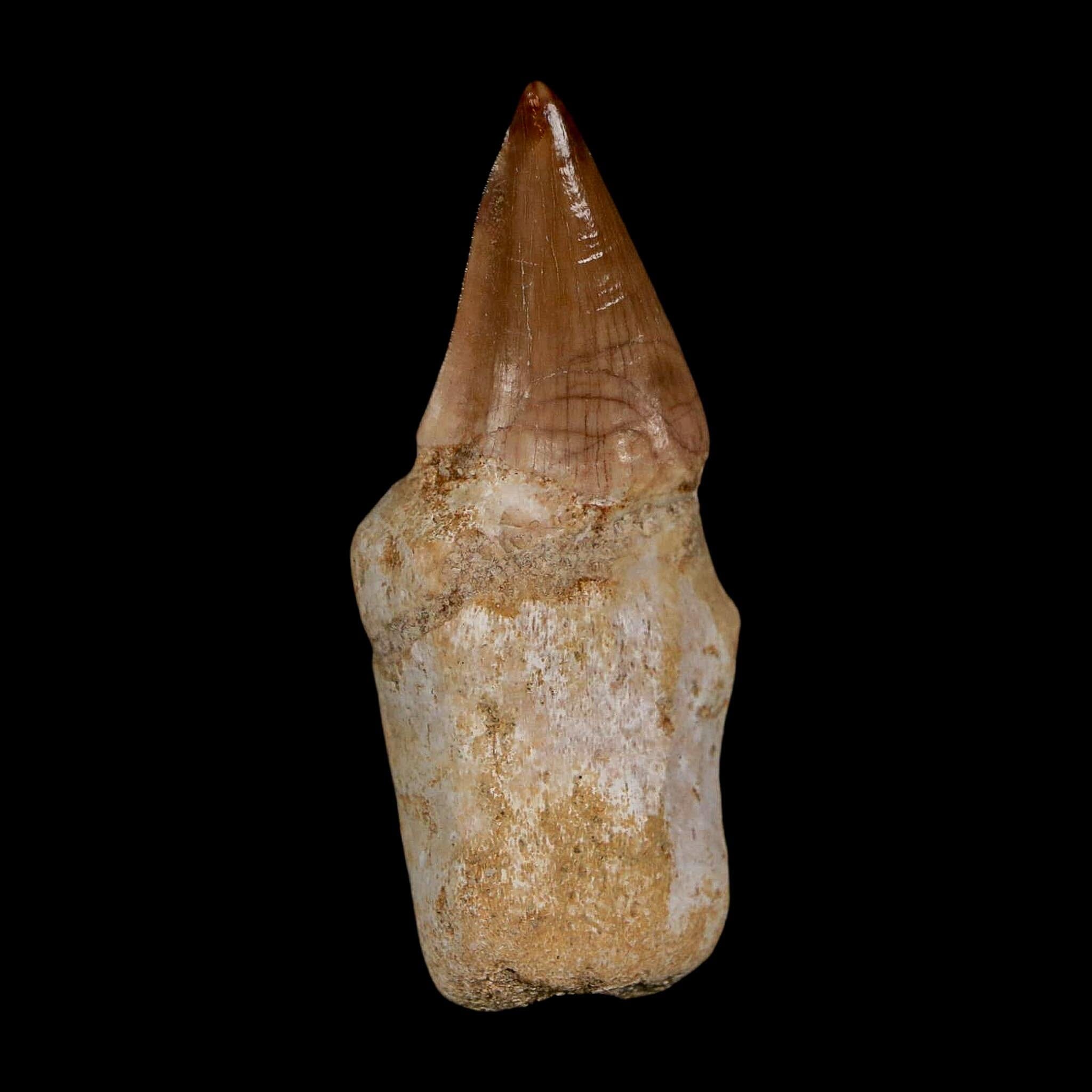
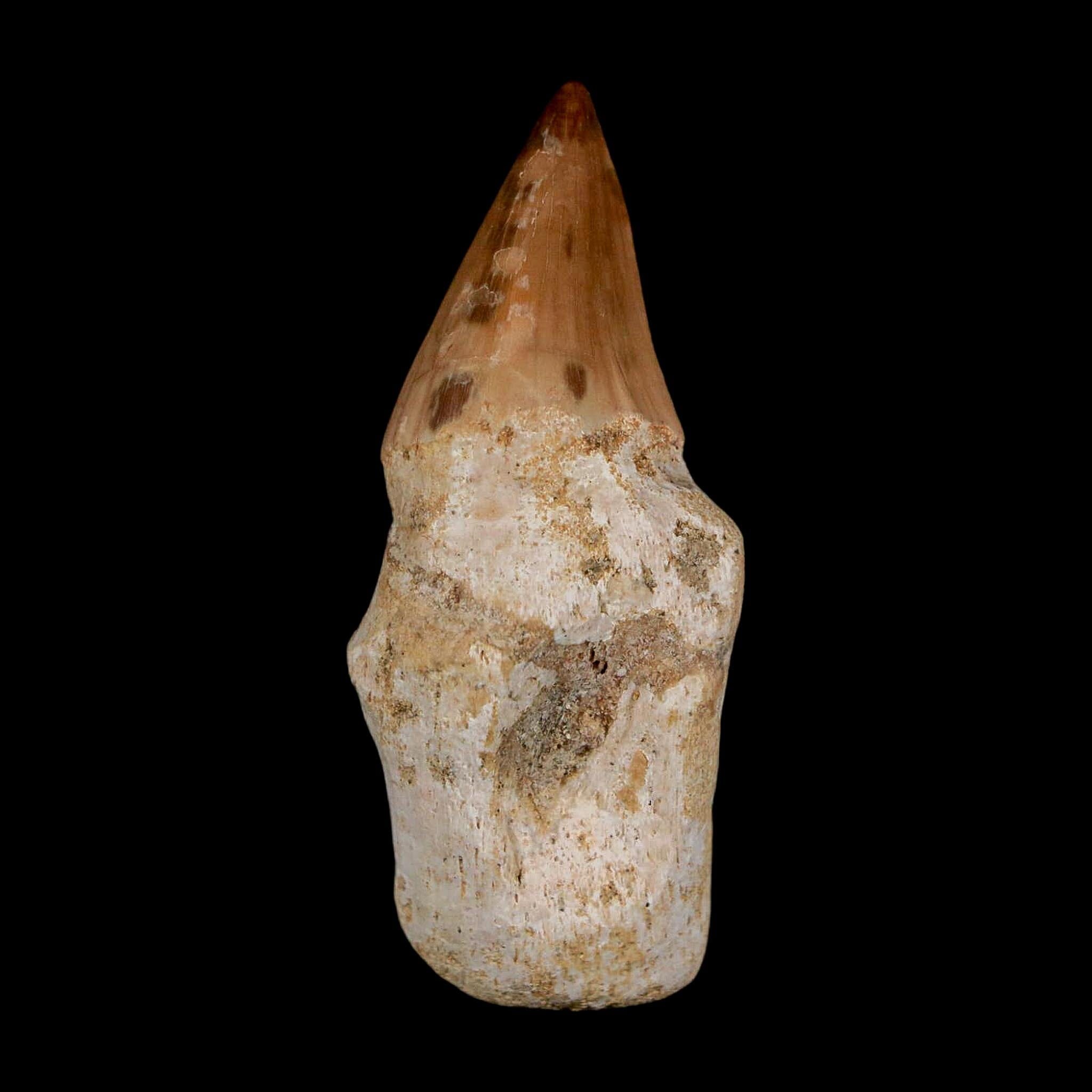
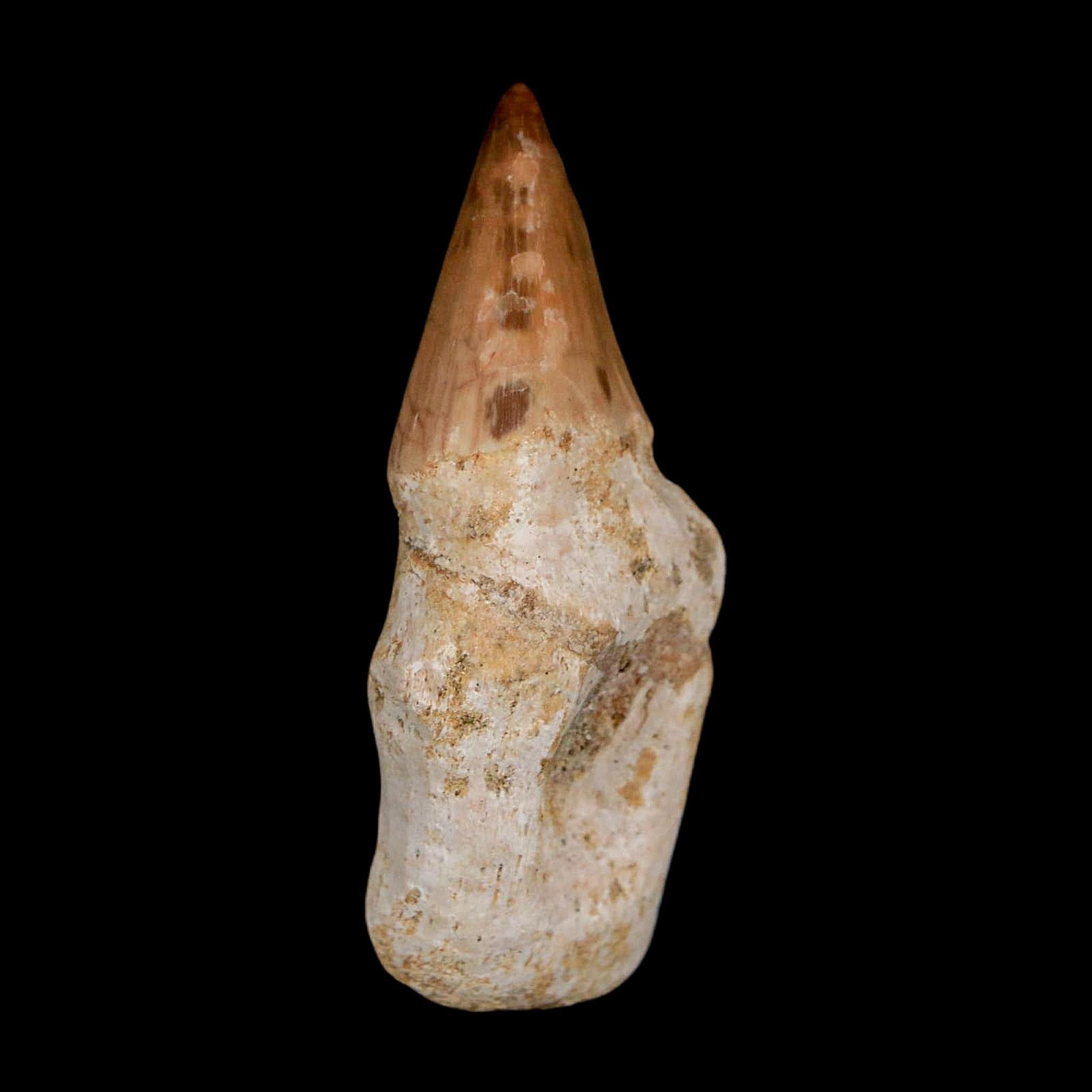
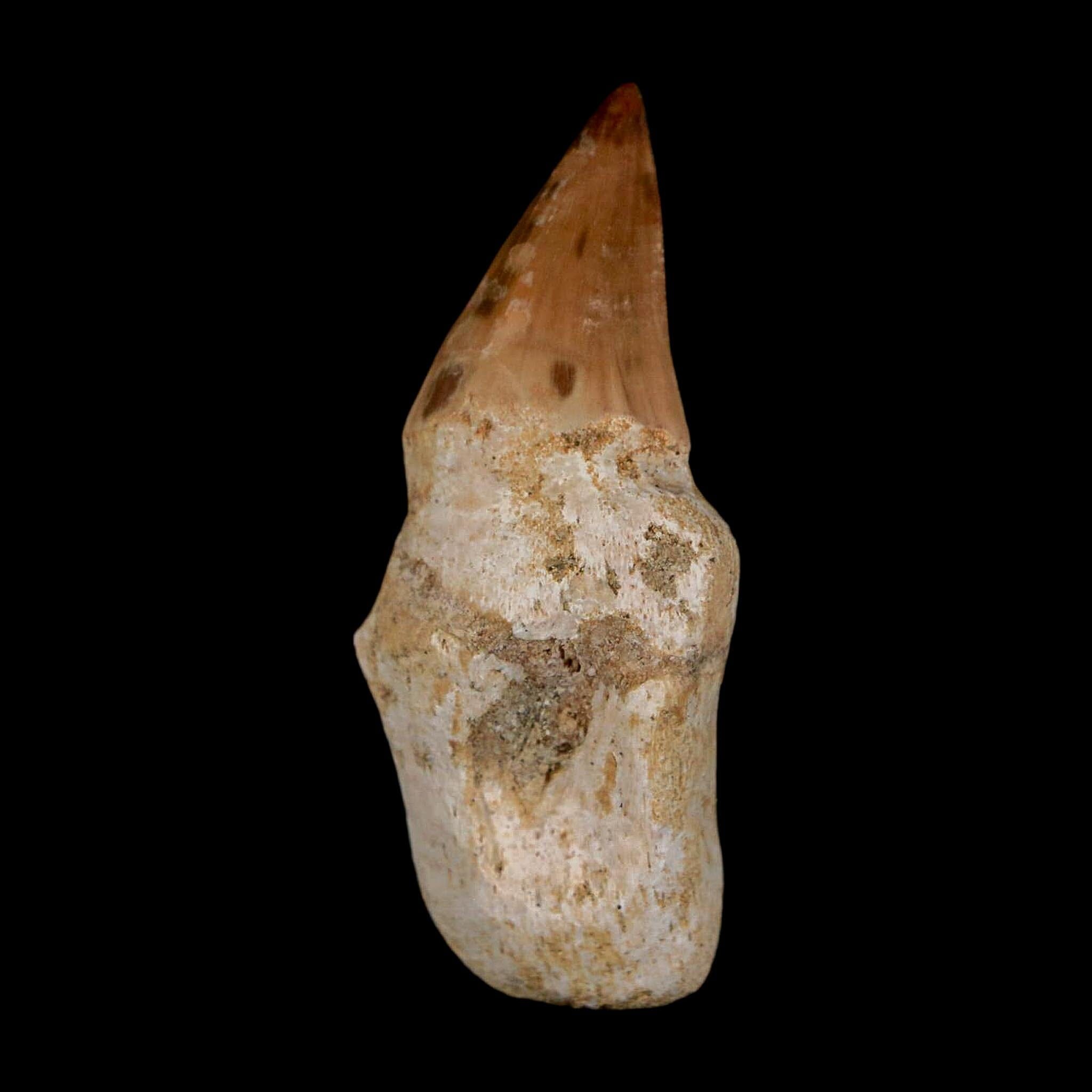


Description
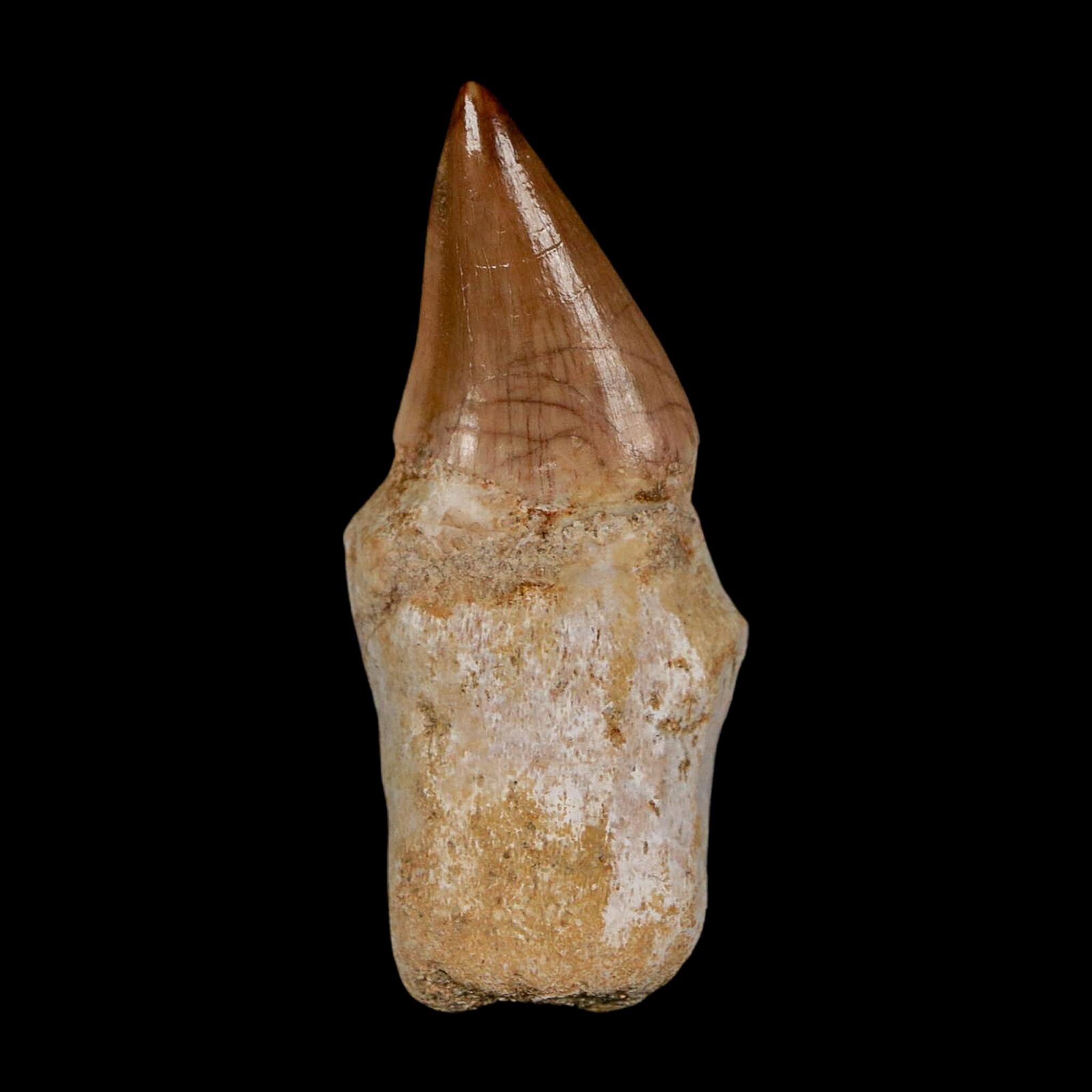
Location: Oued Zem, Morocco
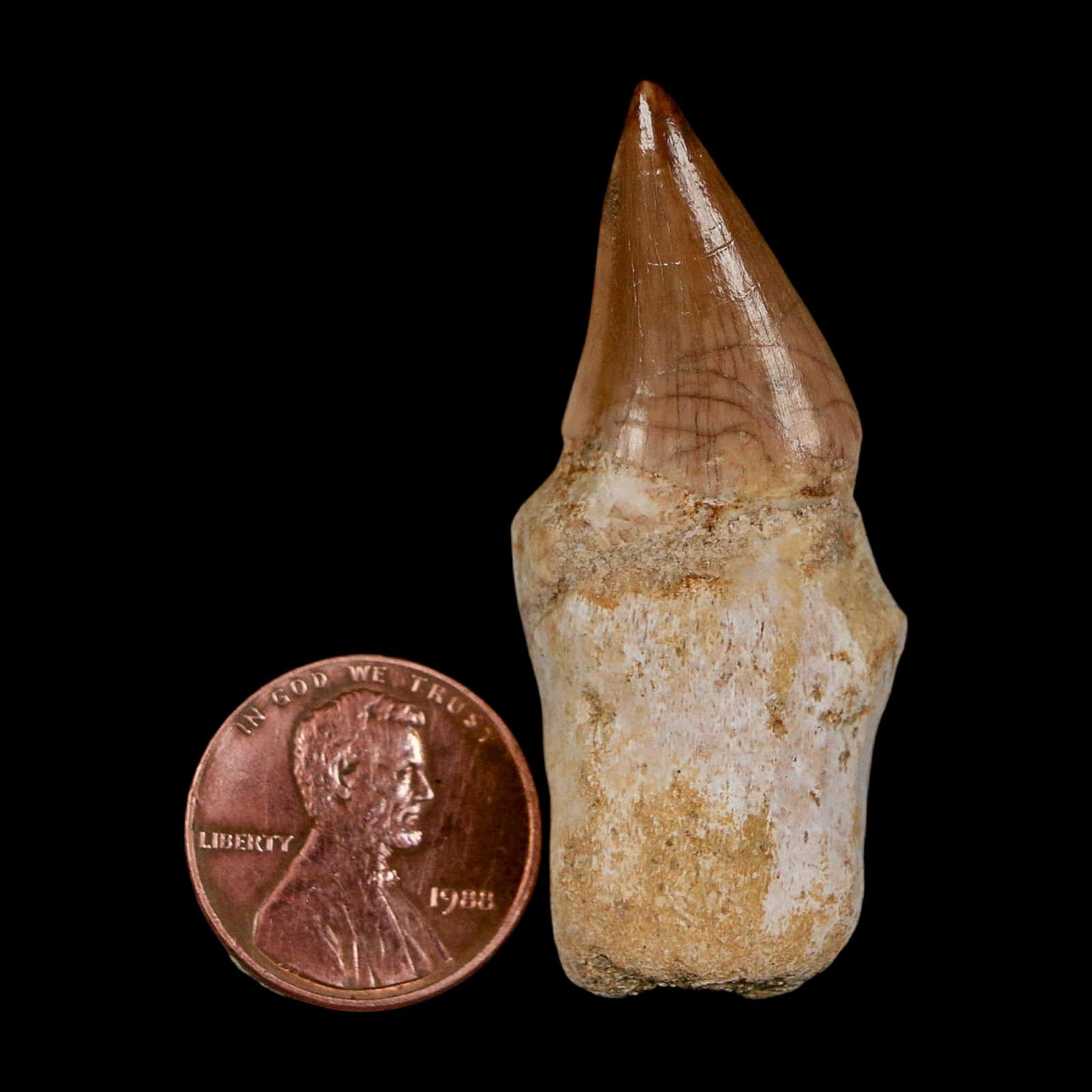
Weight: 0.3 Ounces
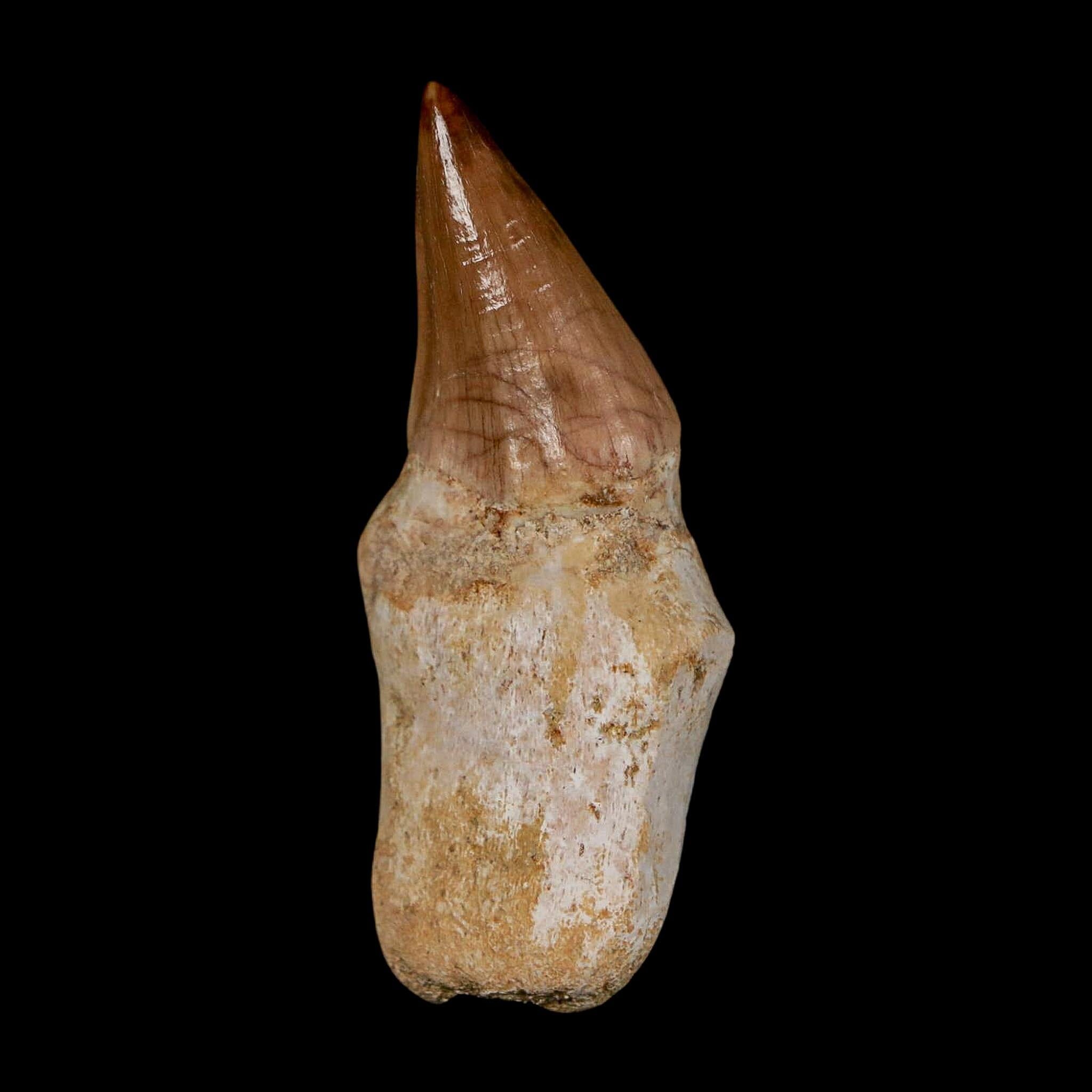
Dimensions: 1.9 Inches Long, 0.5 Inches Wide, 0.5 Inches Thick
Comes with a Certificate of Authenticity.
Comes with a Free Stand And Mineral Tack.
The item pictured is the one you will receive.
85 - 66 Million Years old, Early Campanian, Maastrichtian Epoch.
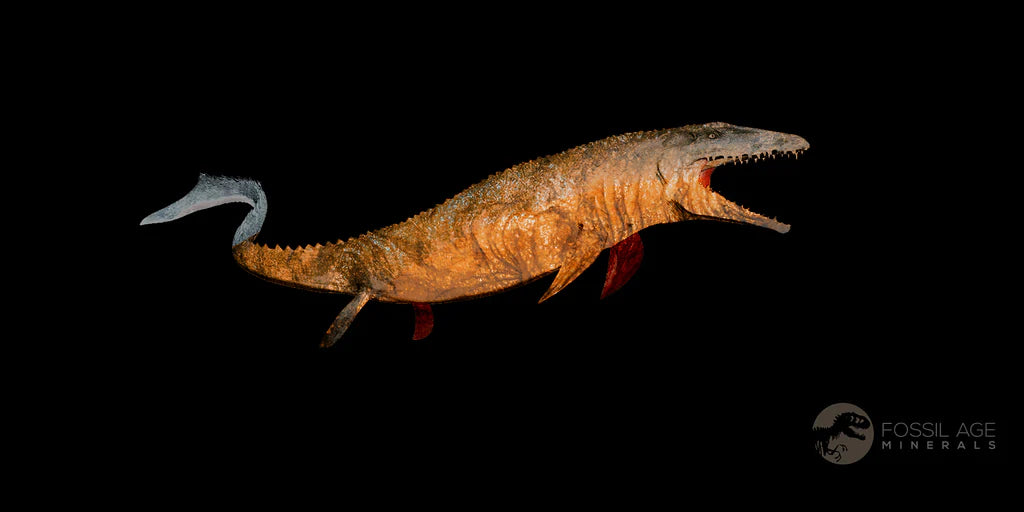
Name: Halisaurus
Type: Carnivore / Piscivore
Size: 3 to 4 meters in length.
Halisaurus represents one of the more specialized branches of the mosasaur lineage during the Maastrichtian stage of the Late Cretaceous. With an estimated body mass between 200 and 350 kilograms, it was modest in size but well adapted to its ecological role.
Evidence from fossilized skull material indicates a feeding mechanism designed for efficiency. The lower jaw could expand outward due to flexible joints, increasing its ability to capture prey larger than the width of its skull might suggest. Pterygoid teeth located on the palate functioned as internal hooks, guiding prey toward the esophagus.
The shape of its teeth further clarifies its hunting style. Long and pointed rather than blade-like, they were effective at gripping rather than cutting. This implies a diet composed primarily of small vertebrates and soft-bodied cephalopods, consumed whole.
Halisaurus likely occupied a mid-level predatory position within its environment, competing with similarly sized marine reptiles while avoiding confrontation with larger mosasaurs. Its anatomy demonstrates evolutionary refinement tailored to a specific ecological niche. Though less imposing than some relatives, Halisaurus contributes significantly to our understanding of mosasaur diversity shortly before the end-Cretaceous extinction event reshaped marine life.

Please be aware of the nature of fossils:
Being buried underground for millions of years under immense pressure can be quite harsh. Rarely does a fossil emerge fully intact and perfect. Most fossils have been restored to some extent, and some are even modified by humans to improve their appearance. In Morocco, workers perform their jobs professionally when uncovering and conserving these natural treasures. However, natural cracks are often visible on the surface, which are part of the fossil's natural beauty and are not seen as flaws.