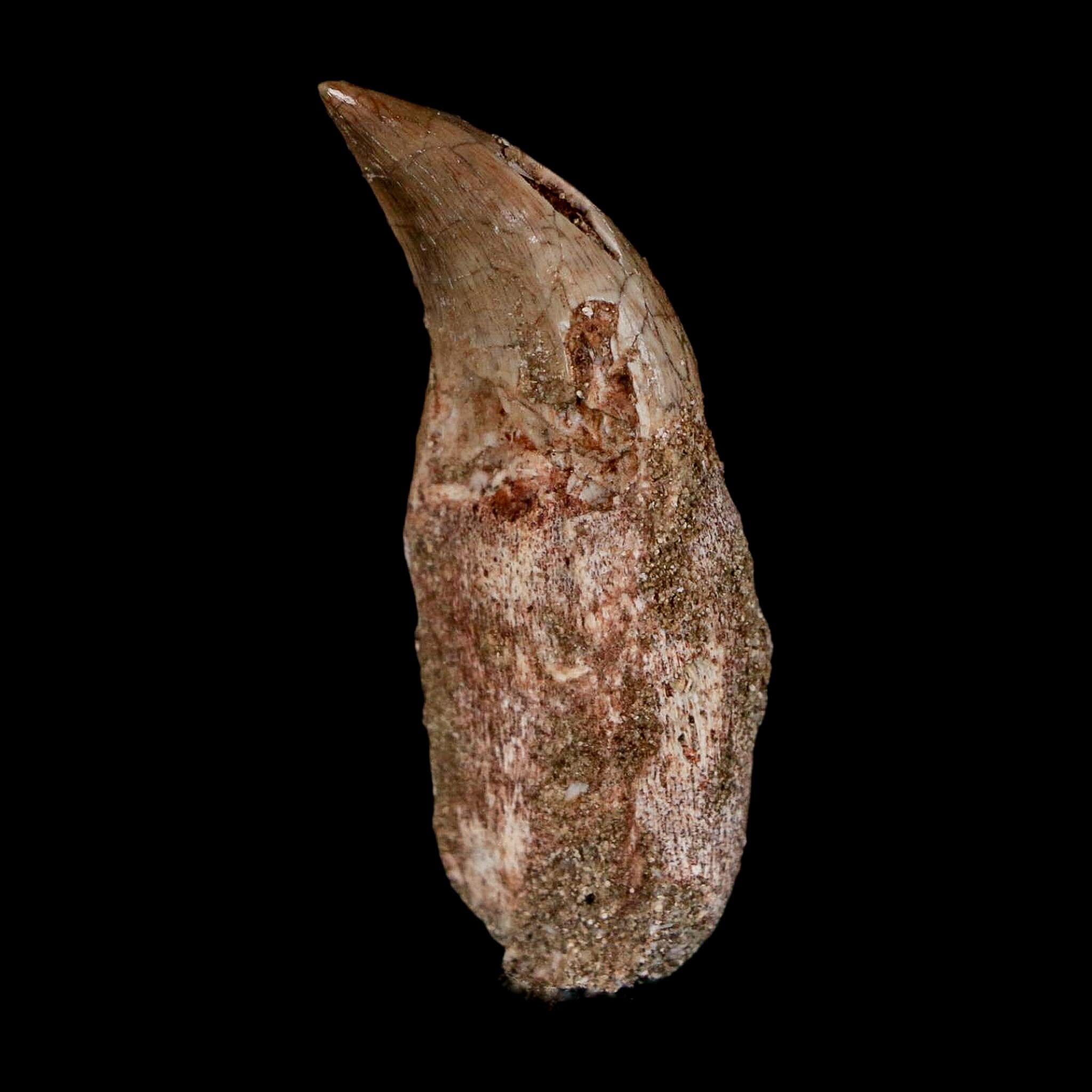


Description
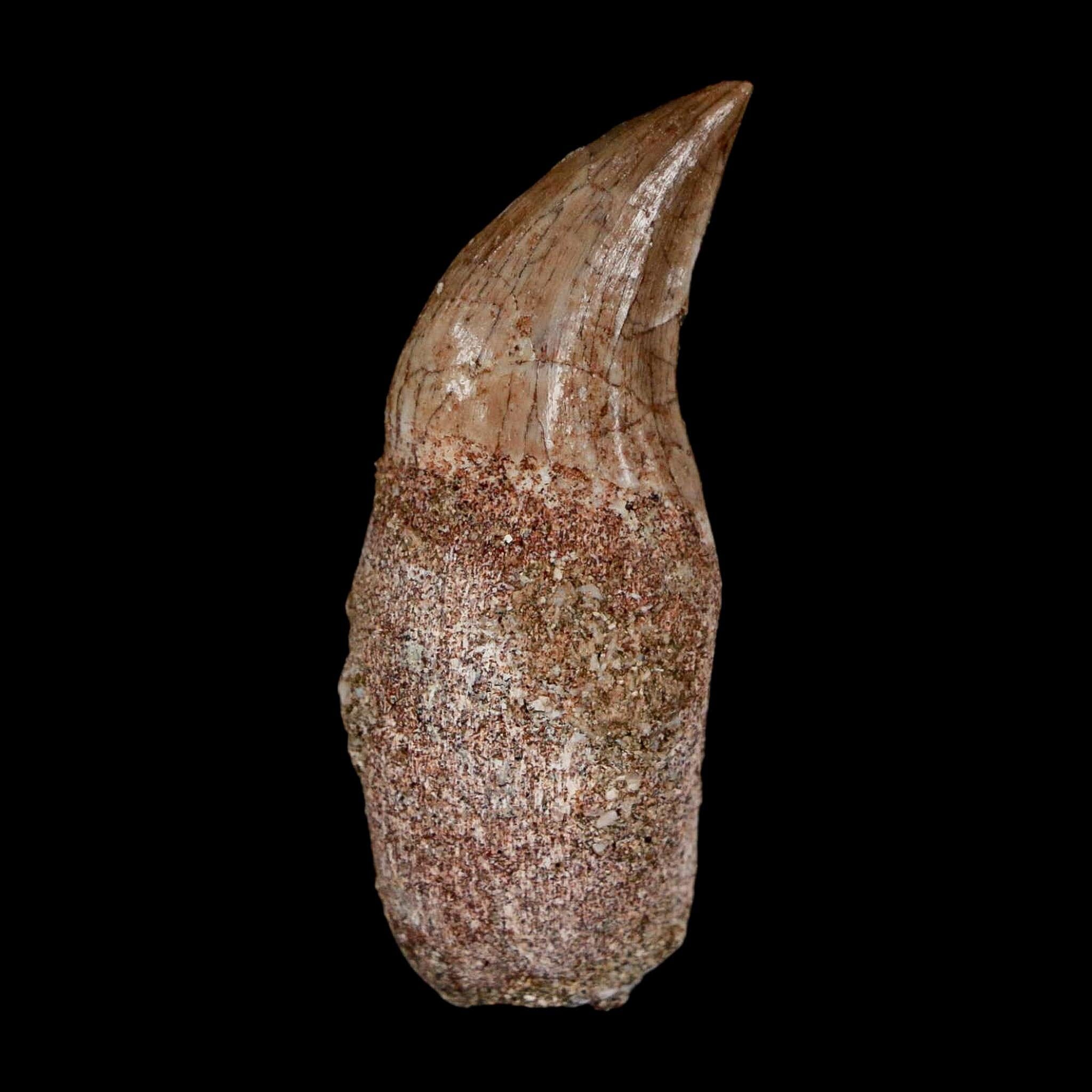
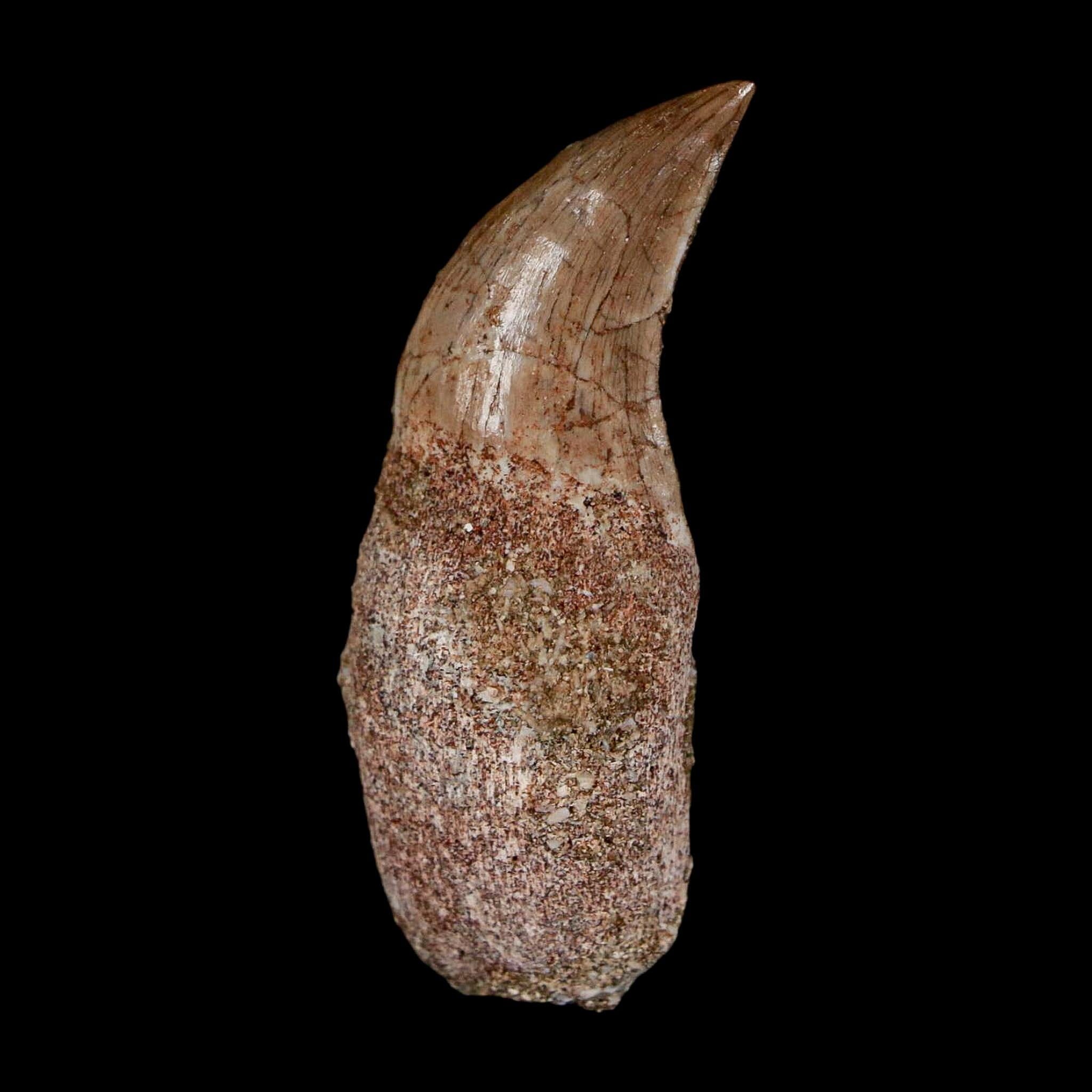
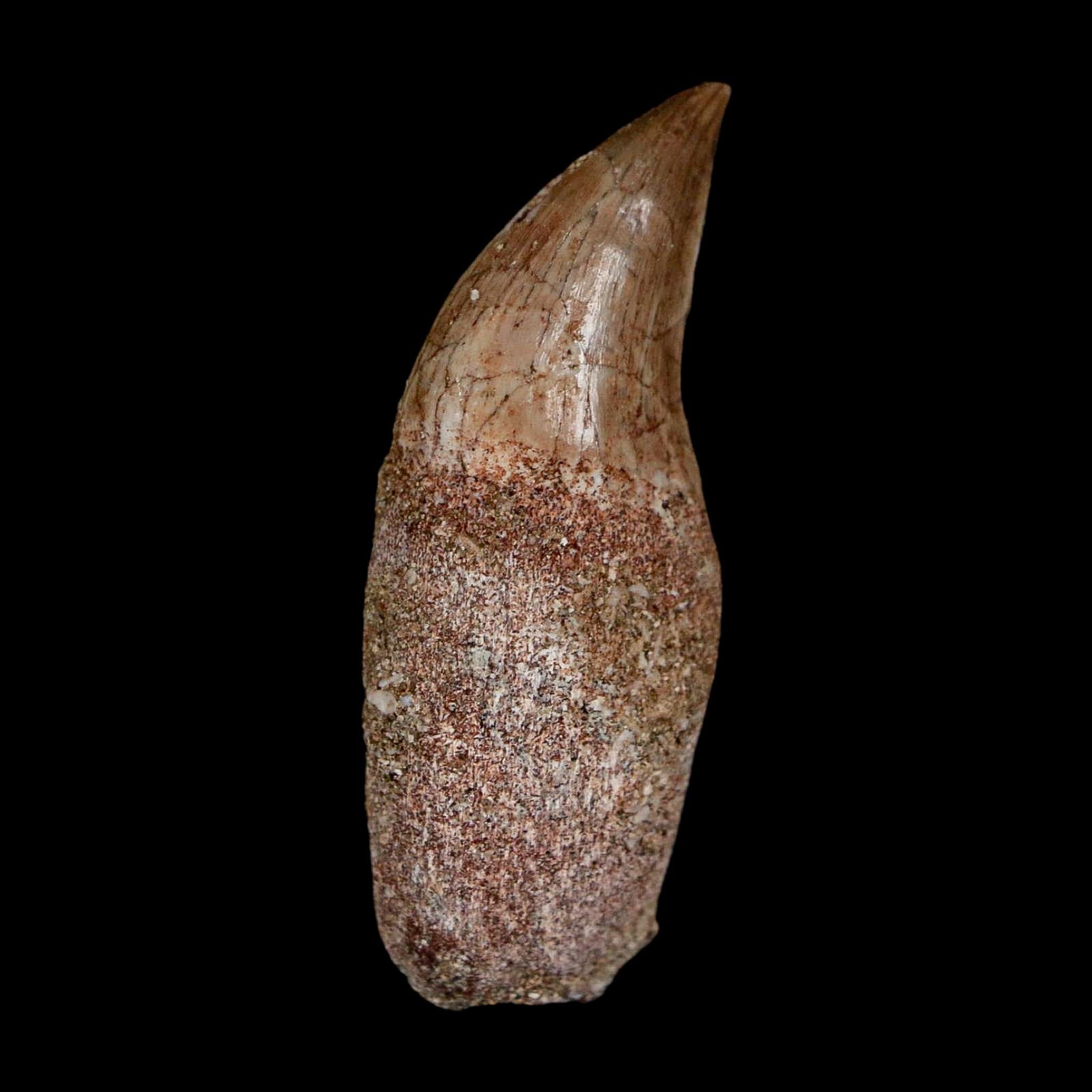
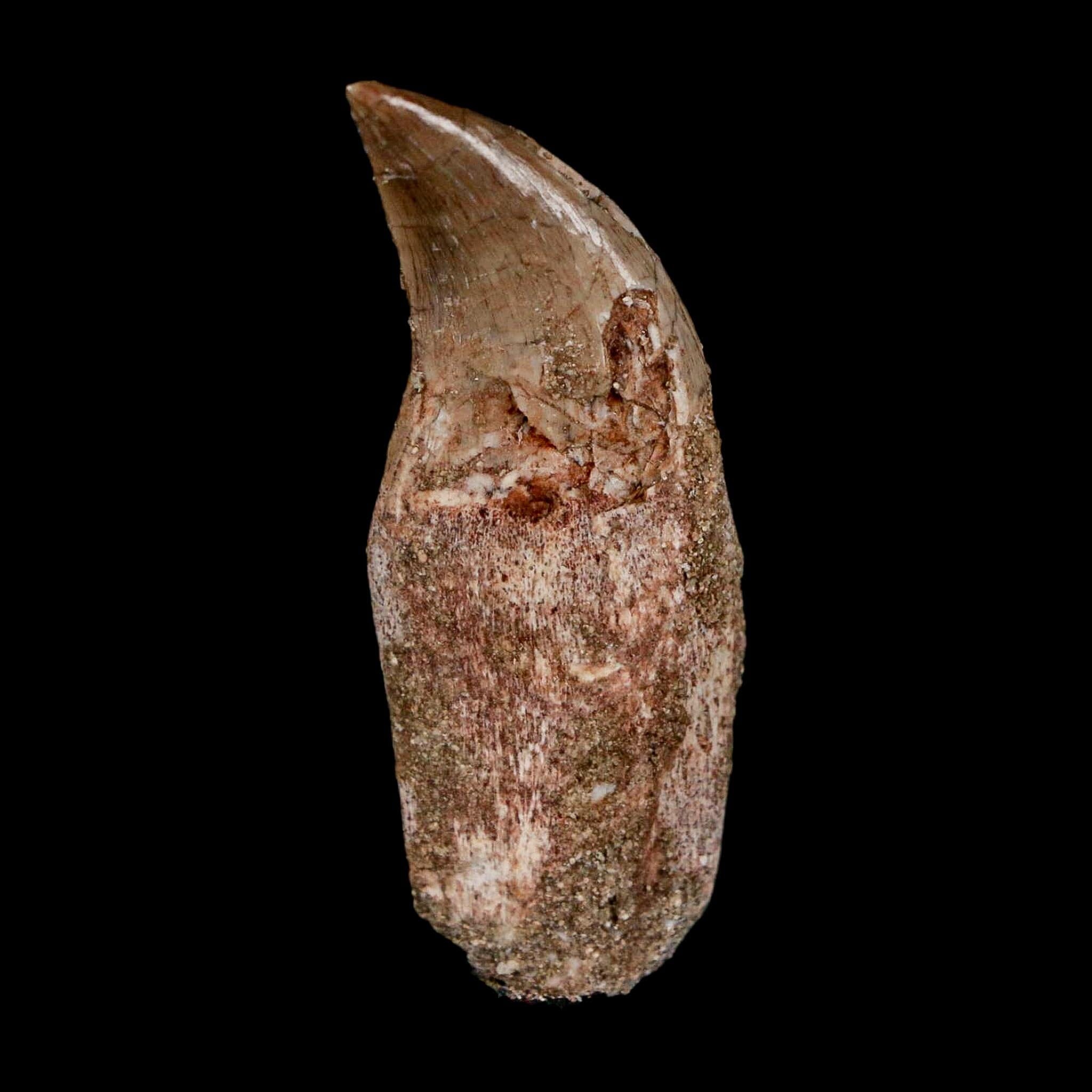
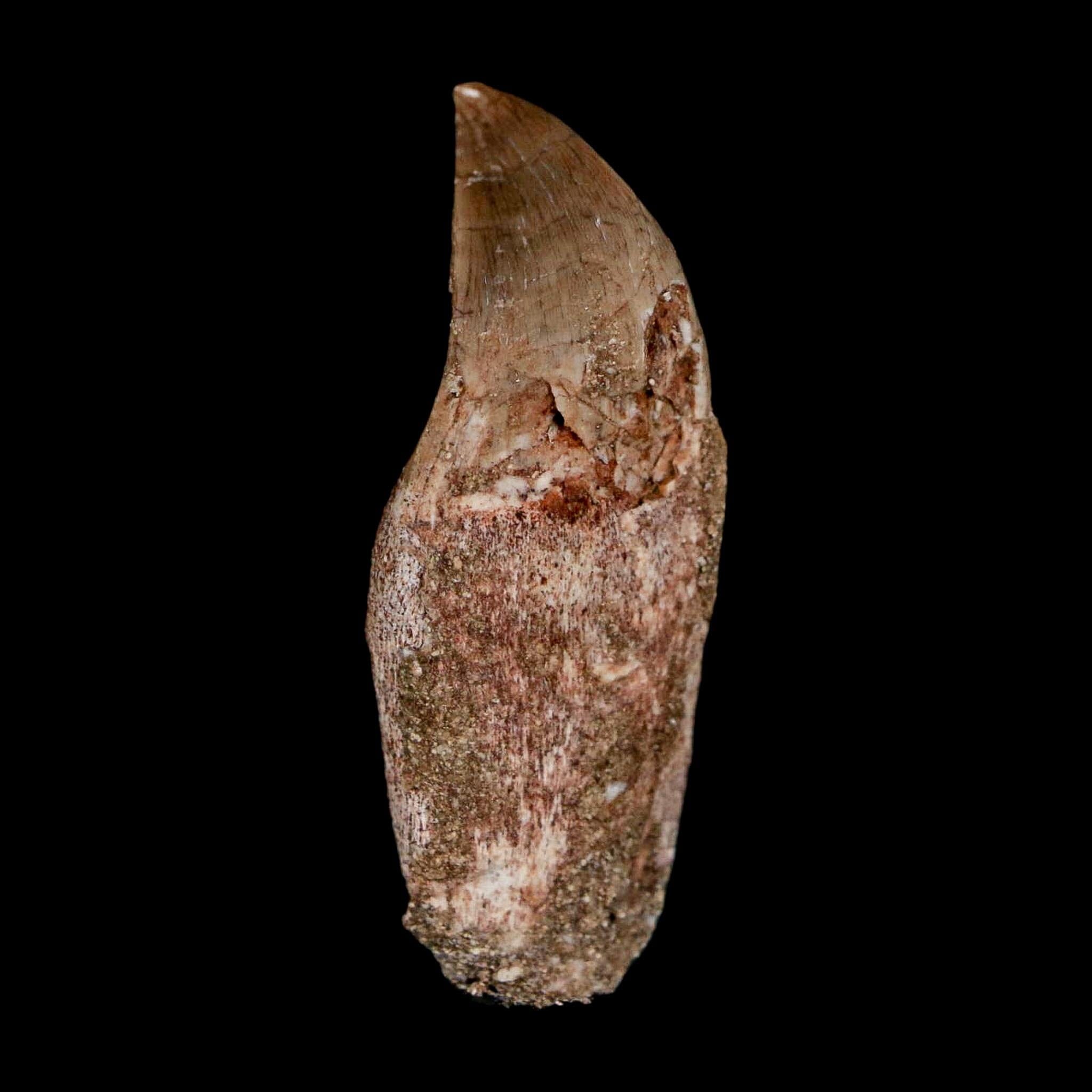
Location: Oued Zem, Morocco
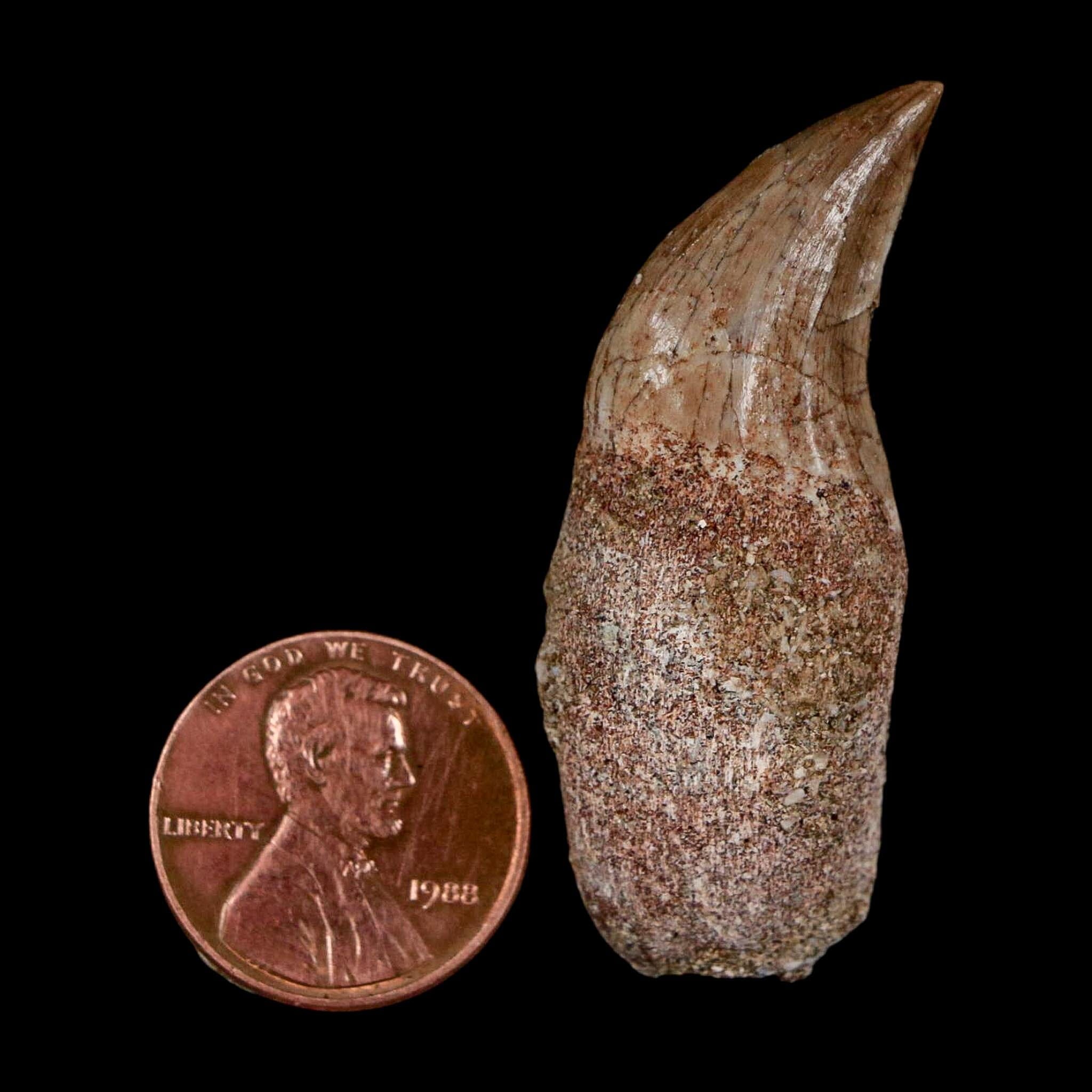
Weight: 0.3 Ounces
Dimensions: 1.8 Inches Long, 0.7 Inches Wide, 0.4 Inches Thick
Comes with a Certificate of Authenticity.
Comes with a Free Stand And Mineral Tack.
The item pictured is the one you will receive.
85 - 66 Million Years old, Early Campanian, Maastrichtian Epoch.
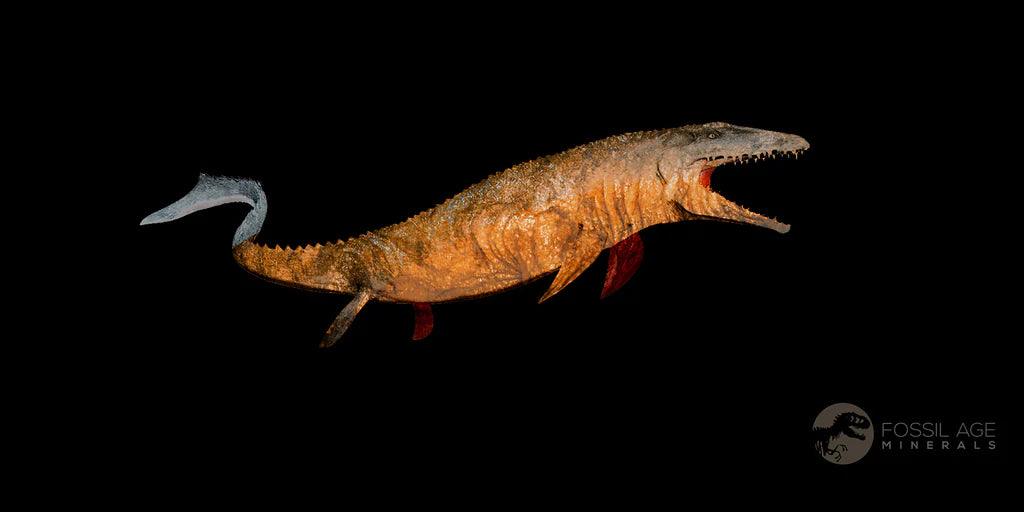
Name: Halisaurus
Type: Carnivore / Piscivore
Size: 3 to 4 meters in length.
During the closing chapter of the Cretaceous Period, Halisaurus occupied a specialized ecological niche within the vast marine ecosystems of the Maastrichtian seas. Though a member of the powerful mosasaur lineage, it was comparatively moderate in size, estimated at 200–350 kilograms. Its lighter skeletal build suggests a reptile adapted for maneuverability rather than sustained bursts of speed.
Halisaurus demonstrates how evolutionary diversification allowed mosasaurs to fill multiple predatory roles. Instead of competing directly with massive apex hunters, it targeted smaller prey such as fish and cephalopods. Its skull anatomy reveals key adaptations: flexible jaw articulations, increased gape capacity, and palatal pterygoid teeth functioned as internal anchors. These features worked together to secure prey efficiently once seized.
The teeth themselves were slender and pointed, ideal for puncturing and gripping rather than cutting. This indicates a feeding strategy based on swallowing prey whole. Such specialization reflects an energy-efficient hunting method suited to open-water environments where quick capture was more advantageous than prolonged struggle.
Halisaurus may not have dominated the seas by size, but it exemplifies evolutionary refinement. Its fossils help paleontologists understand the varied survival strategies that characterized Late Cretaceous marine life shortly before the mass extinction event reshaped Earth’s ecosystems.

Please be aware of the nature of fossils:
Being buried underground for millions of years under immense pressure can be quite harsh. Rarely does a fossil emerge fully intact and perfect. Most fossils have been restored to some extent, and some are even modified by humans to improve their appearance. In Morocco, workers perform their jobs professionally when uncovering and conserving these natural treasures. However, natural cracks are often visible on the surface, which are part of the fossil's natural beauty and are not seen as flaws.