
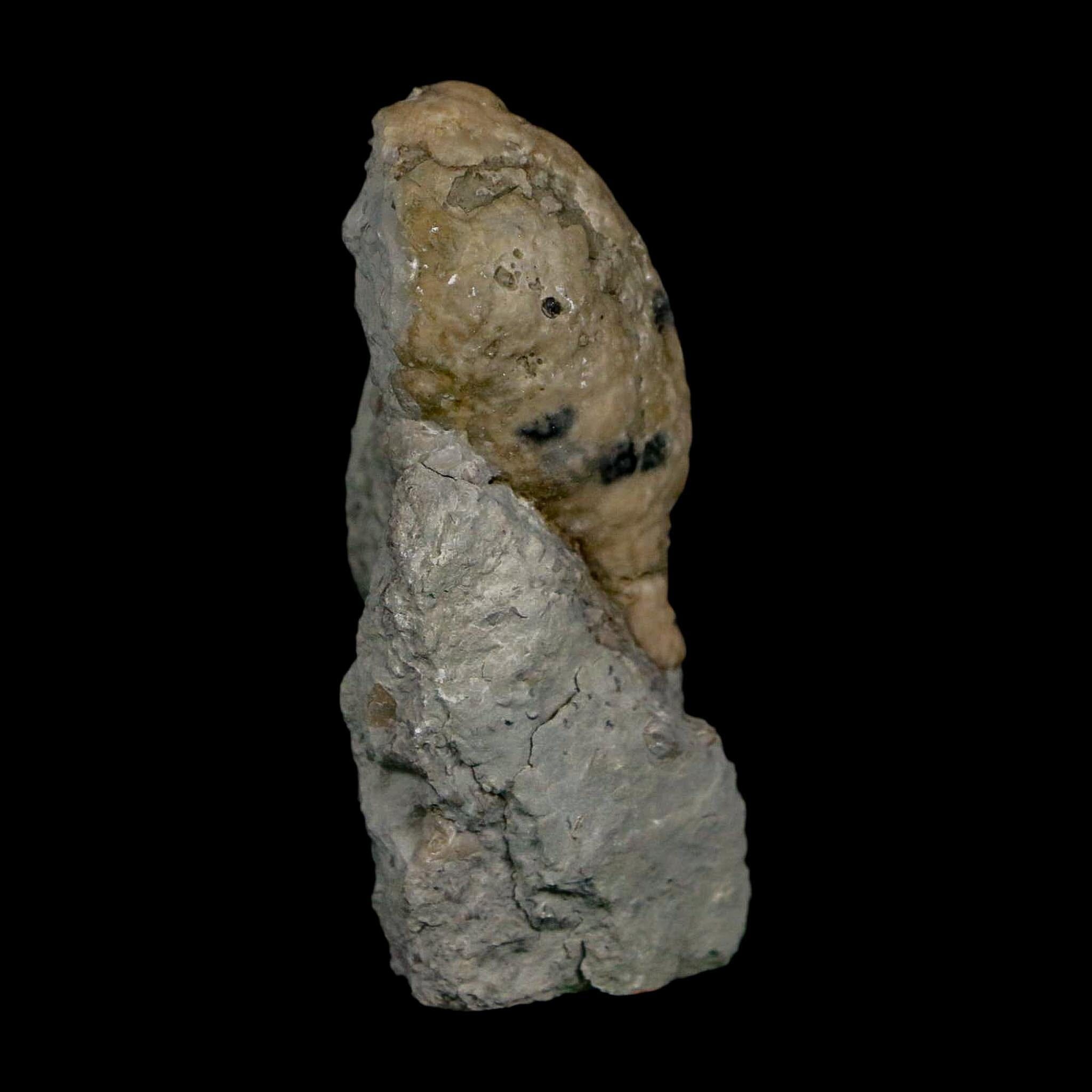
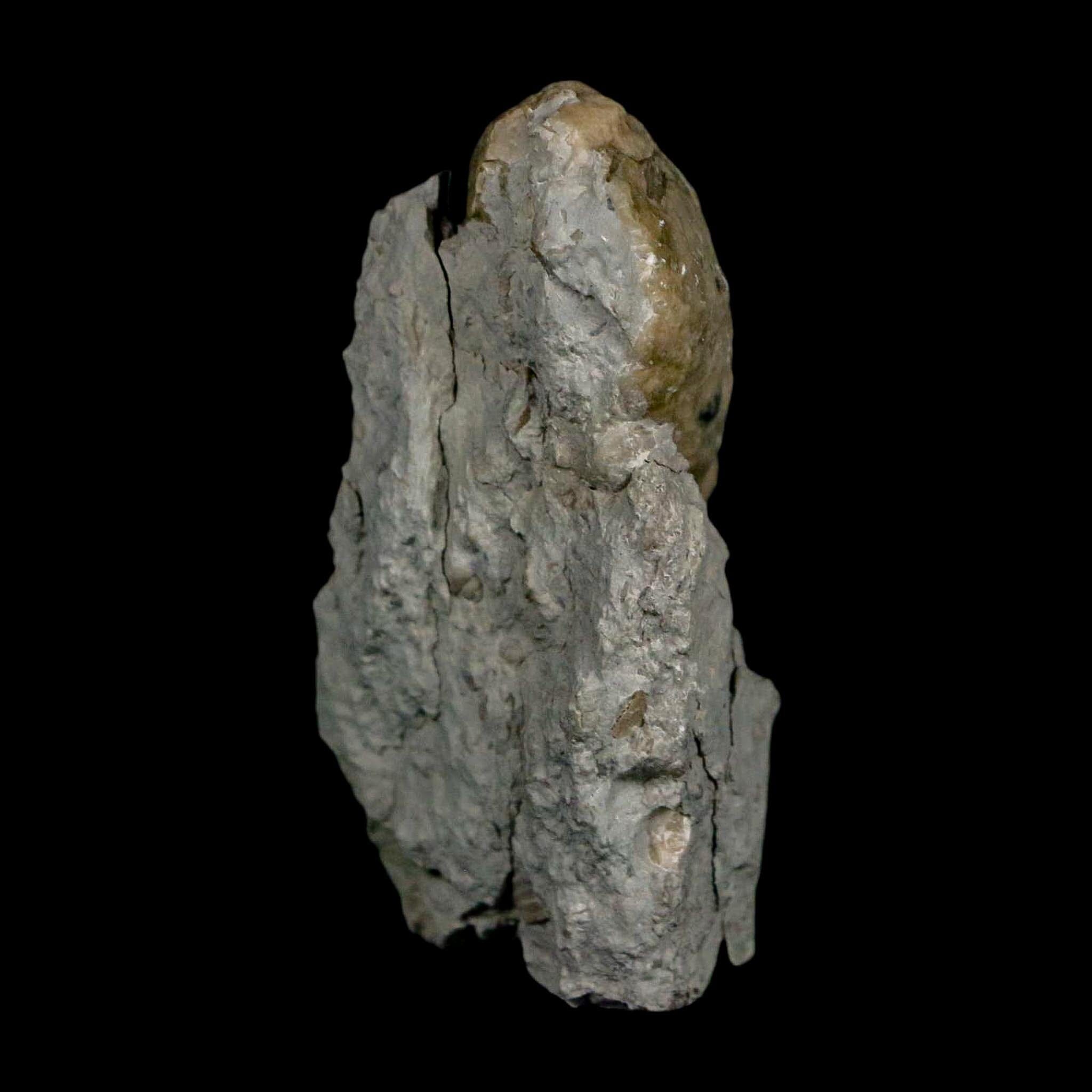
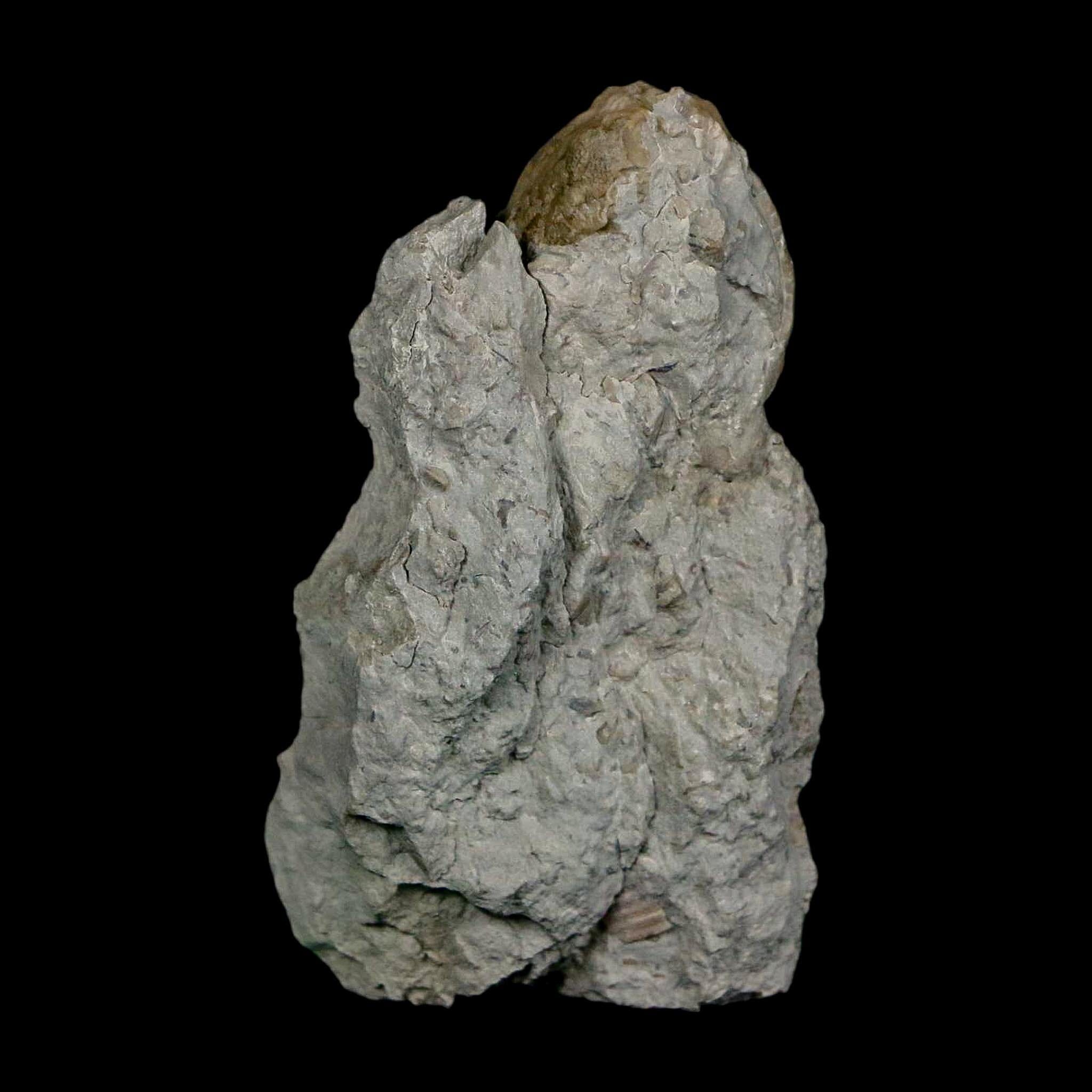
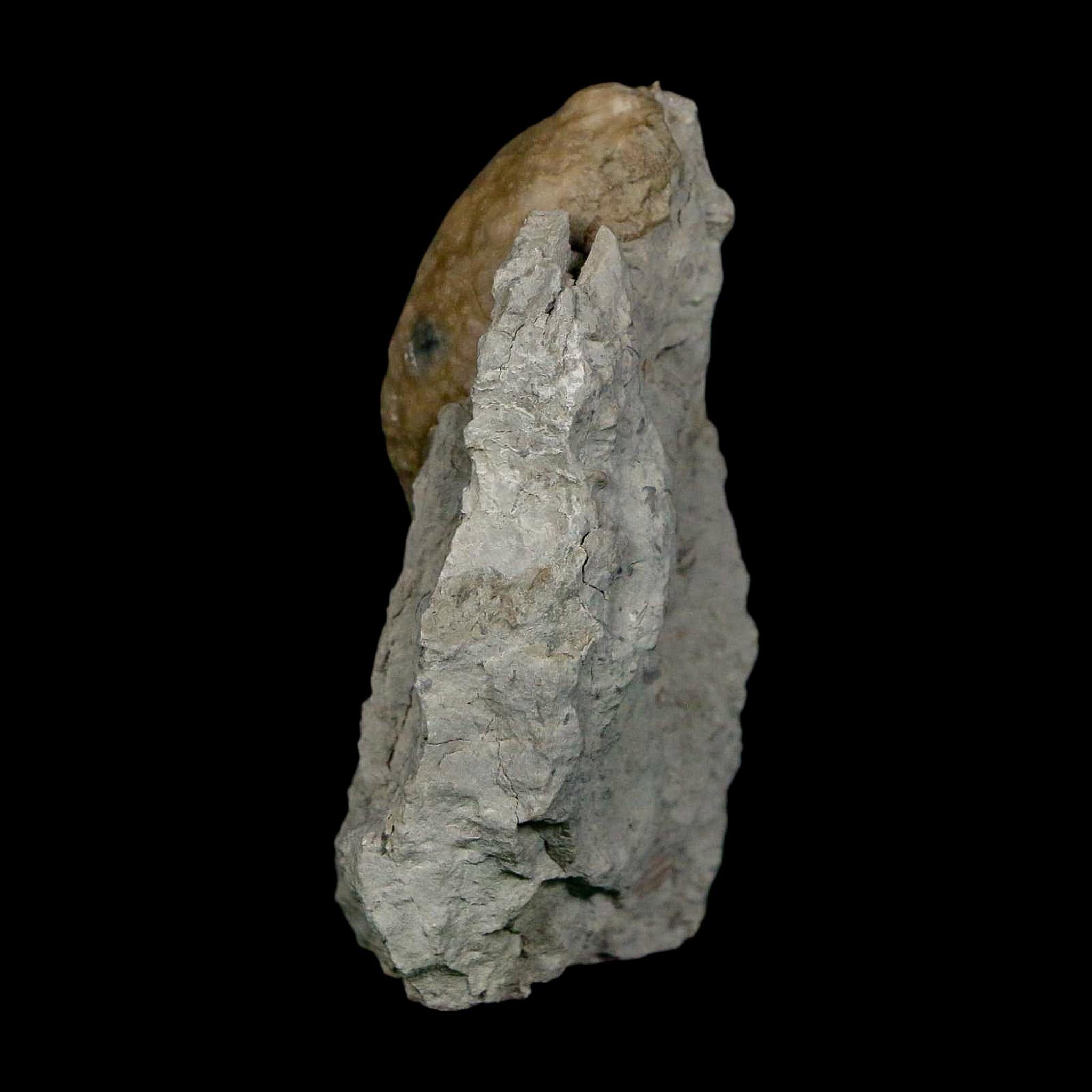
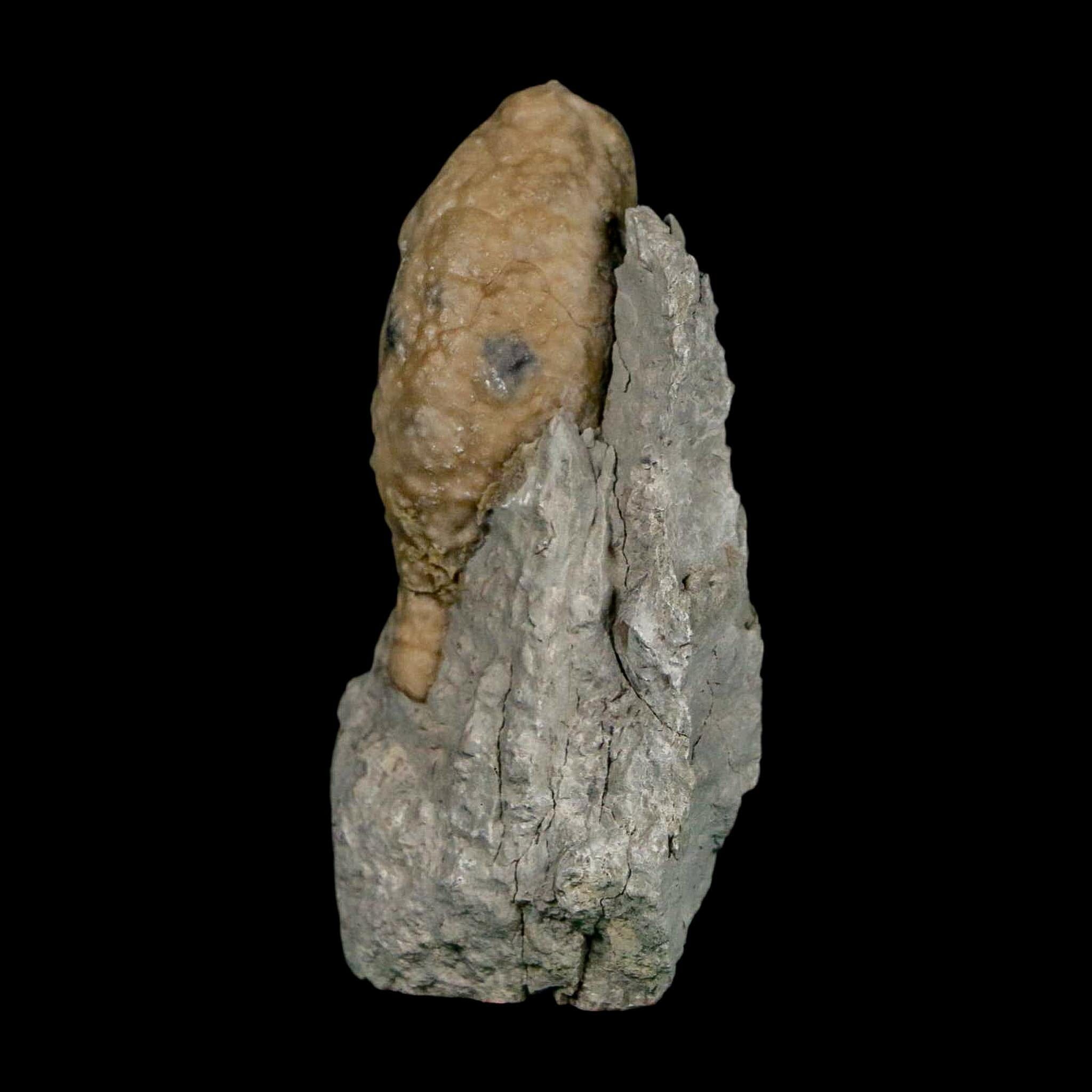
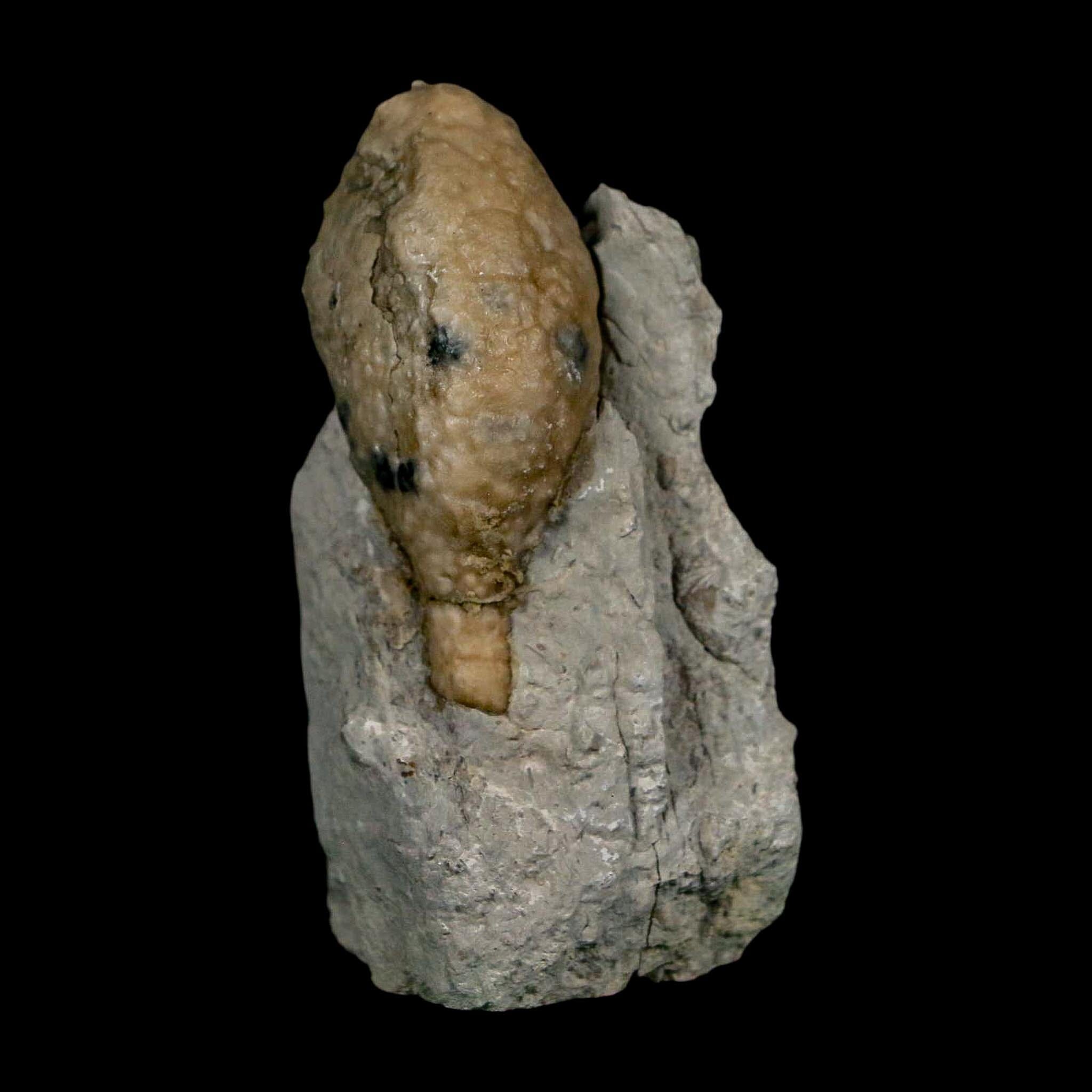


Description
Location: Osgood Shale, Napoleon, Indiana
Weight: 2.1 Ounces
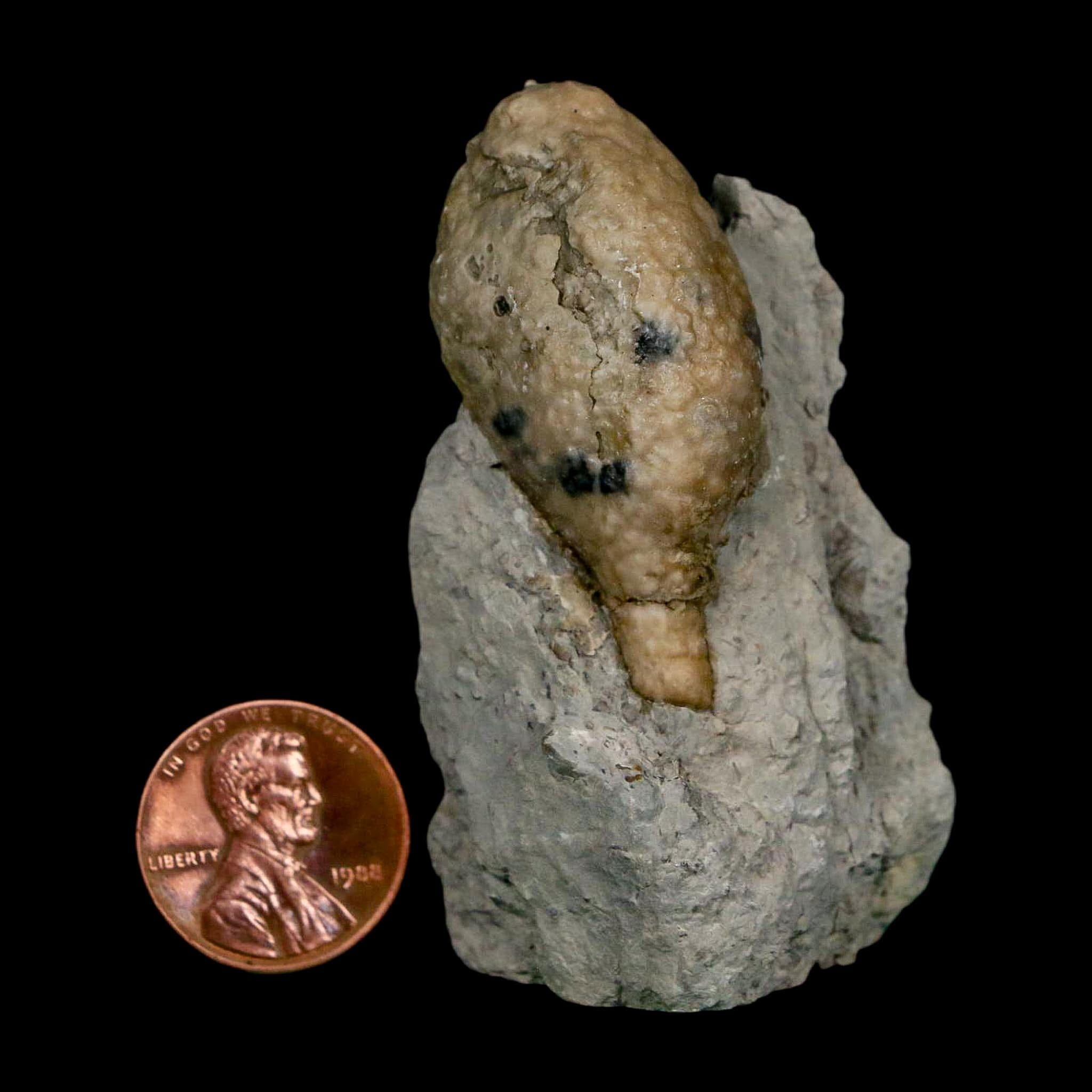
Dimensions: 2.5 Inches Tall, 1.2 Inches Wide, 0.9 Inches Thick (Matrix)
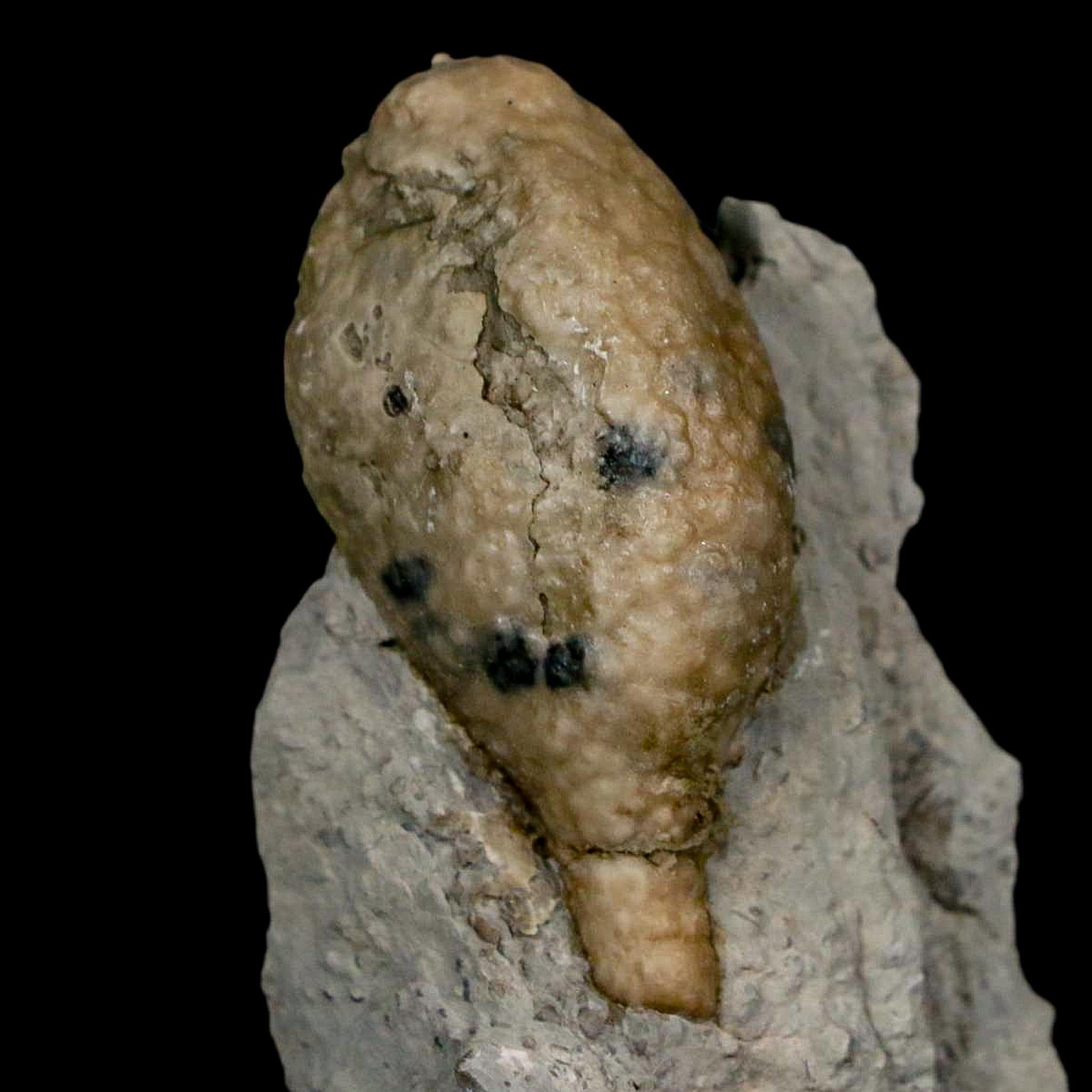
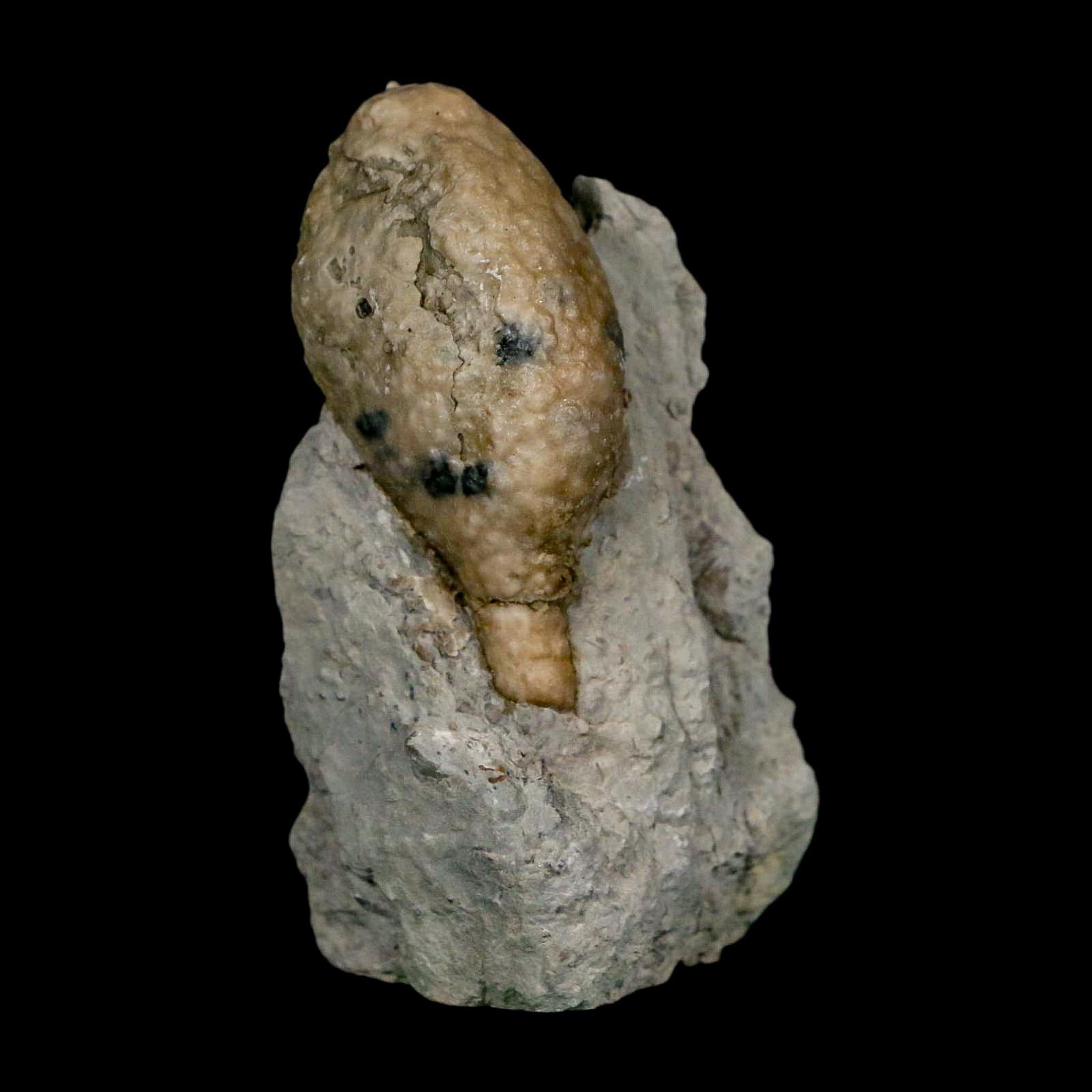
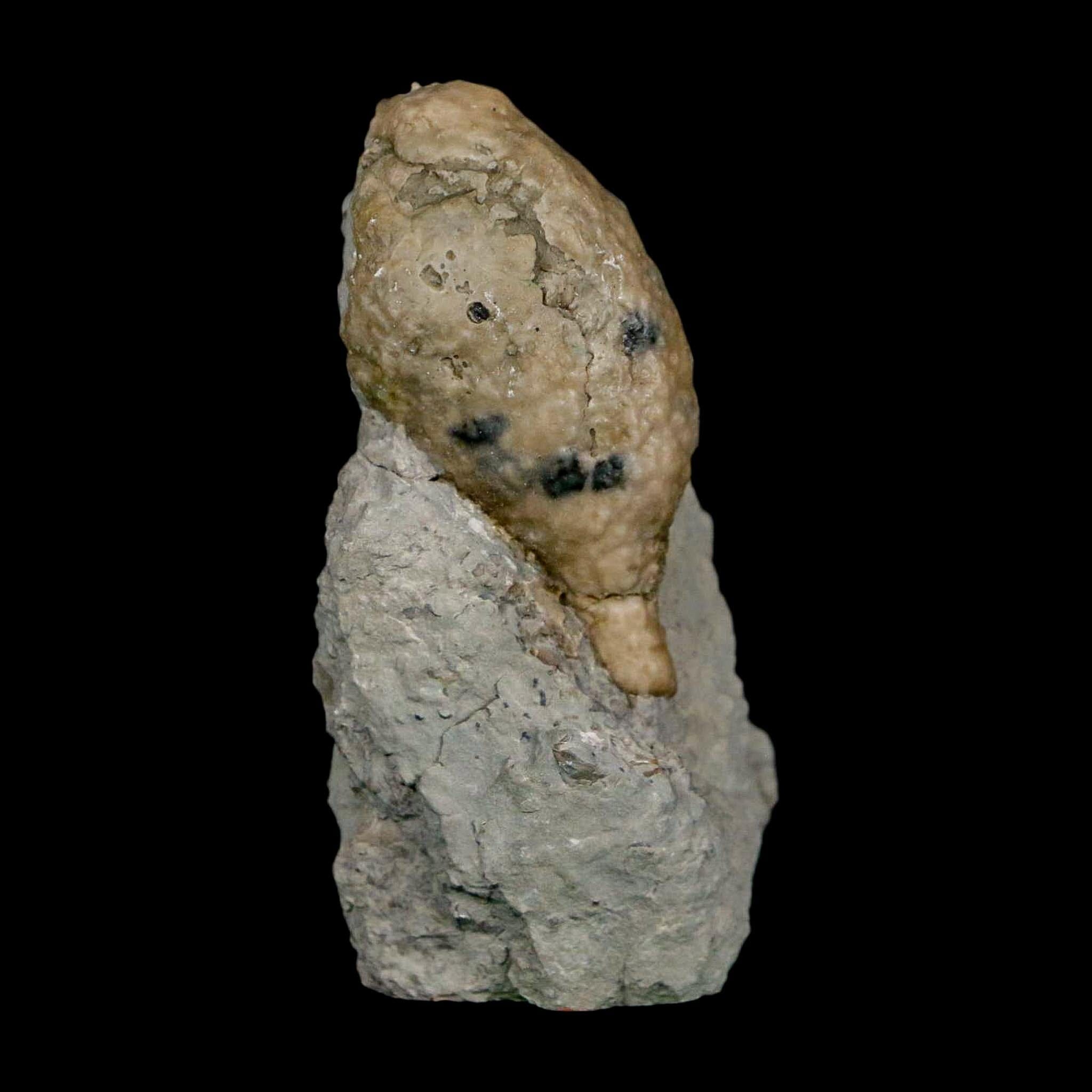
Crinoid Dimensions are: 1.6 Inches Tall, 0.8 Inches Wide
The Item Pictured is the one you will receive.
Holocystites Sp
Silurian in age (420 million years old)
Holocystites is an extinct genus of echinoderms belonging to the class Cystoidea and sub-phylum Blastozoa. These organisms thrived during the Paleozoic Era, mainly in the Middle Ordovician and Silurian periods, before going extinct in the Devonian. Morphologically, Holocystites and other cystoids have ovoid, rigid skeletons made of calcareous plates, setting them apart from the cup-shaped bodies of crinoids. A key feature is the presence of specialized pores, often called pore-rhomb structures, within their skeletal plates, which served as respiratory organs for gas exchange. Although frequently classified as cystoids, Holocystites has sometimes been conflated with crinoids due to their shared echinoderm heritage and stalked attachment to the seafloor. Modern paleontology recognizes cystoids as a separate evolutionary group. These animals were usually sessile, anchoring to the substrate with a stalk, although some lacked one. Their mouth was at the upper pole, and the lateral anus enabled effective filter-feeding in Paleozoic reef environments. The study of Holocystites is important in invertebrate paleontology, with extensive collections in institutions such as the Yale Peabody Museum, which contain thousands of specimens used for taxonomic and stratigraphic analysis.
