

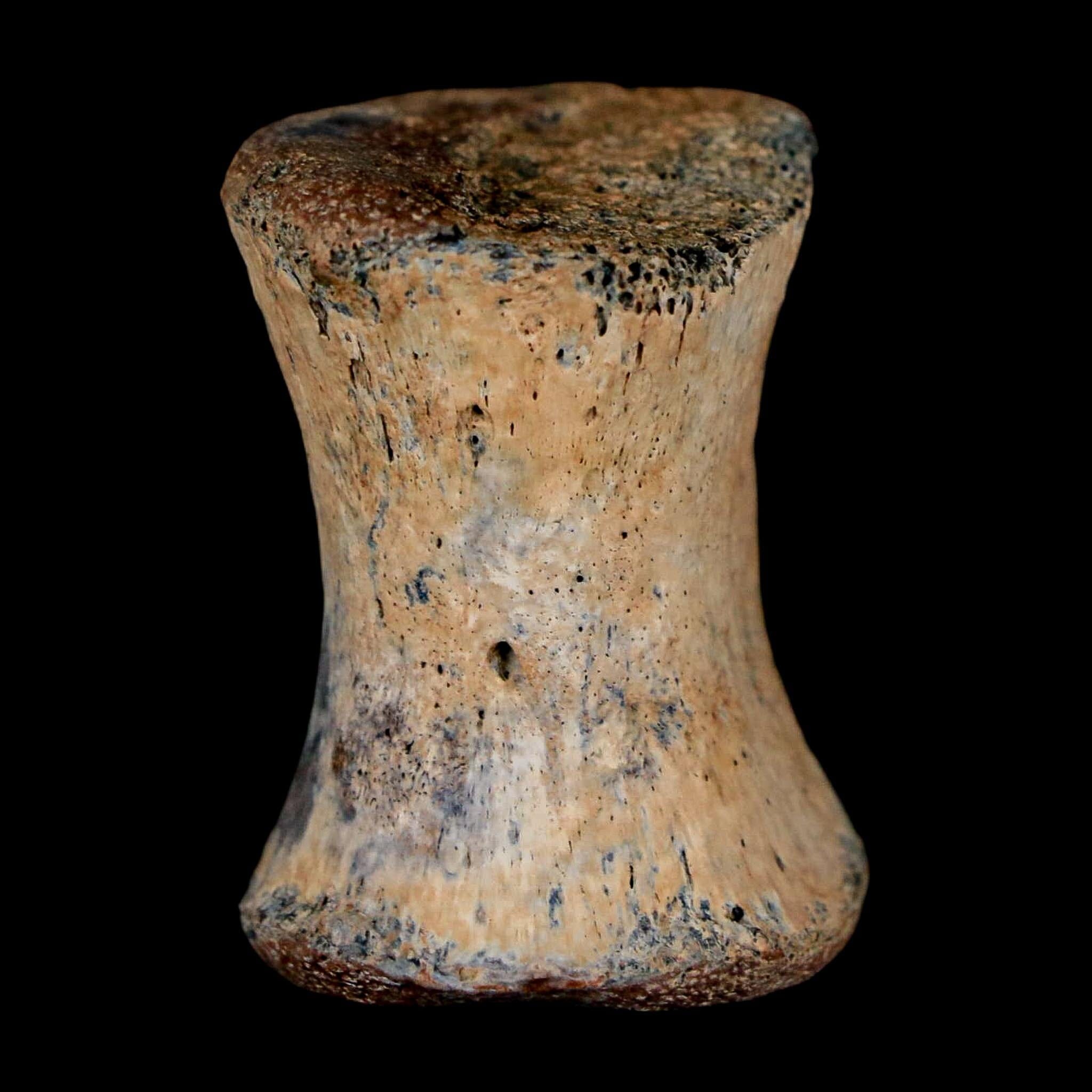
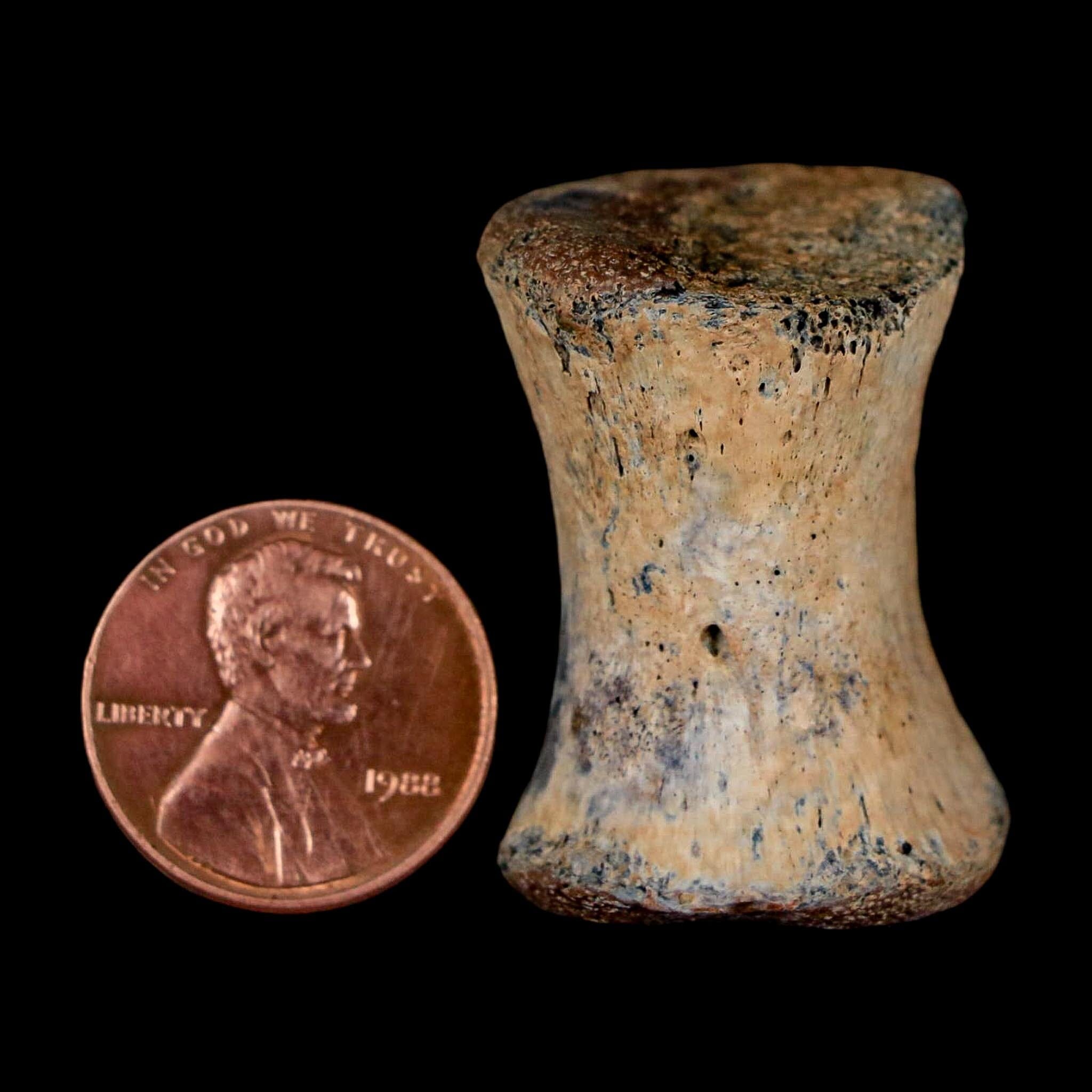
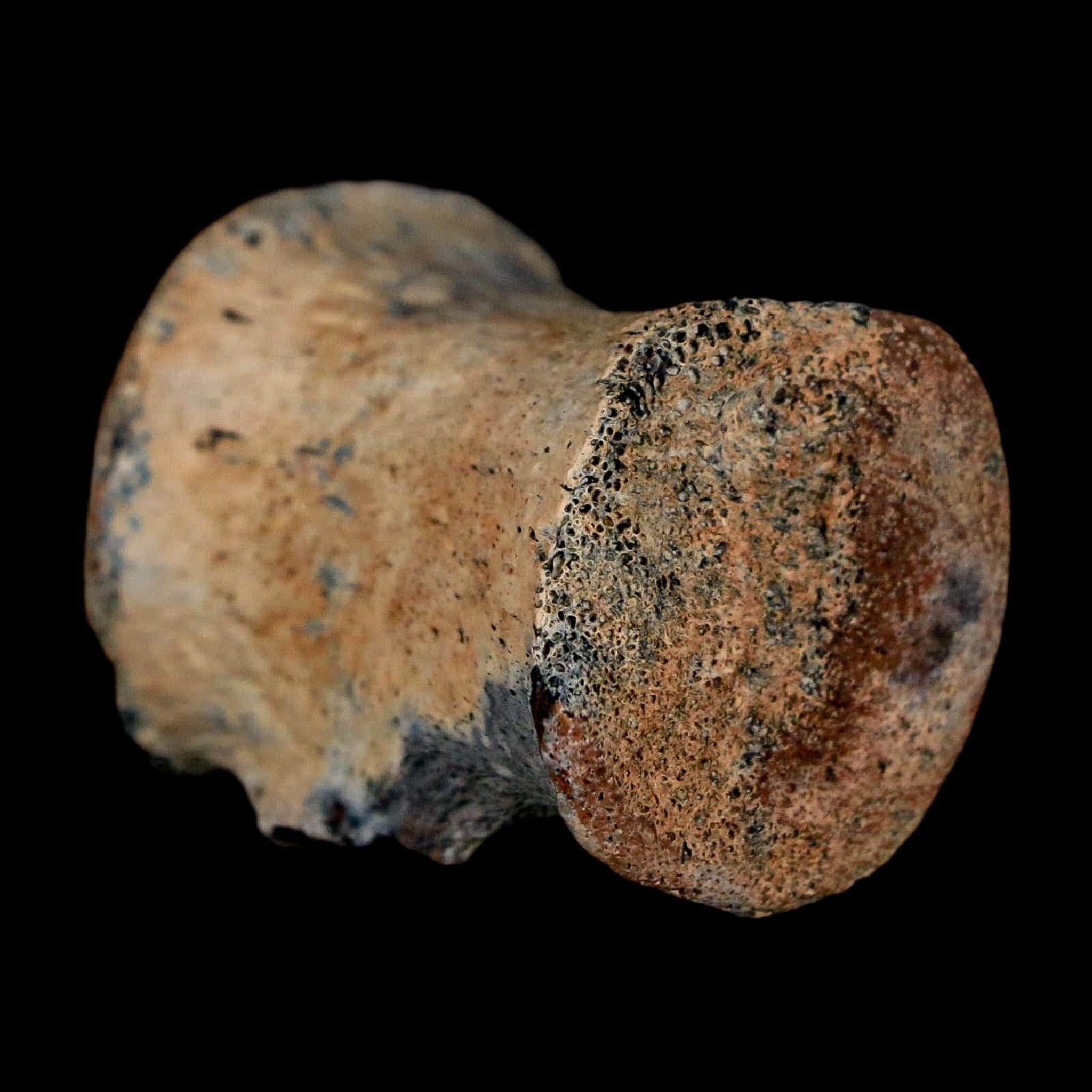


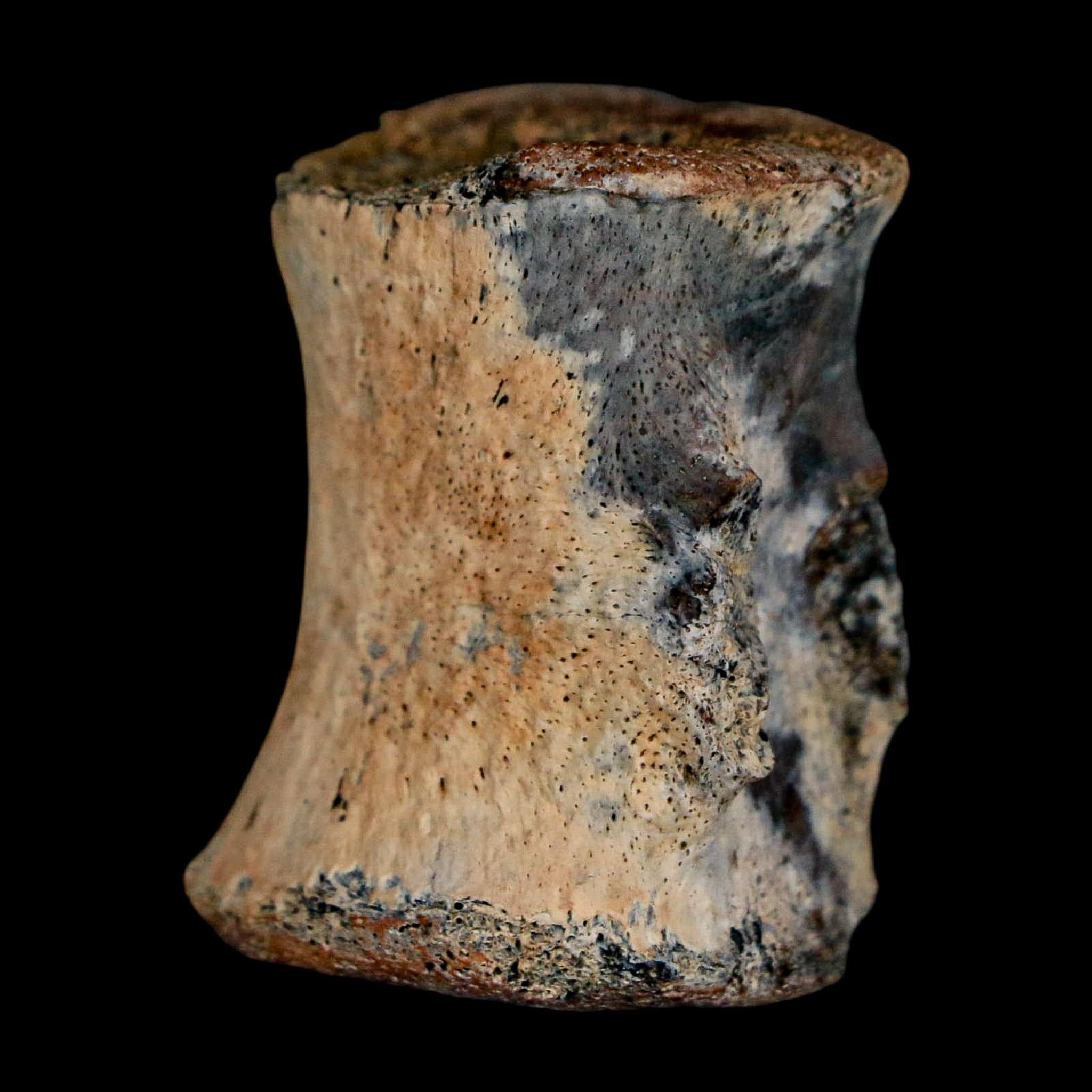
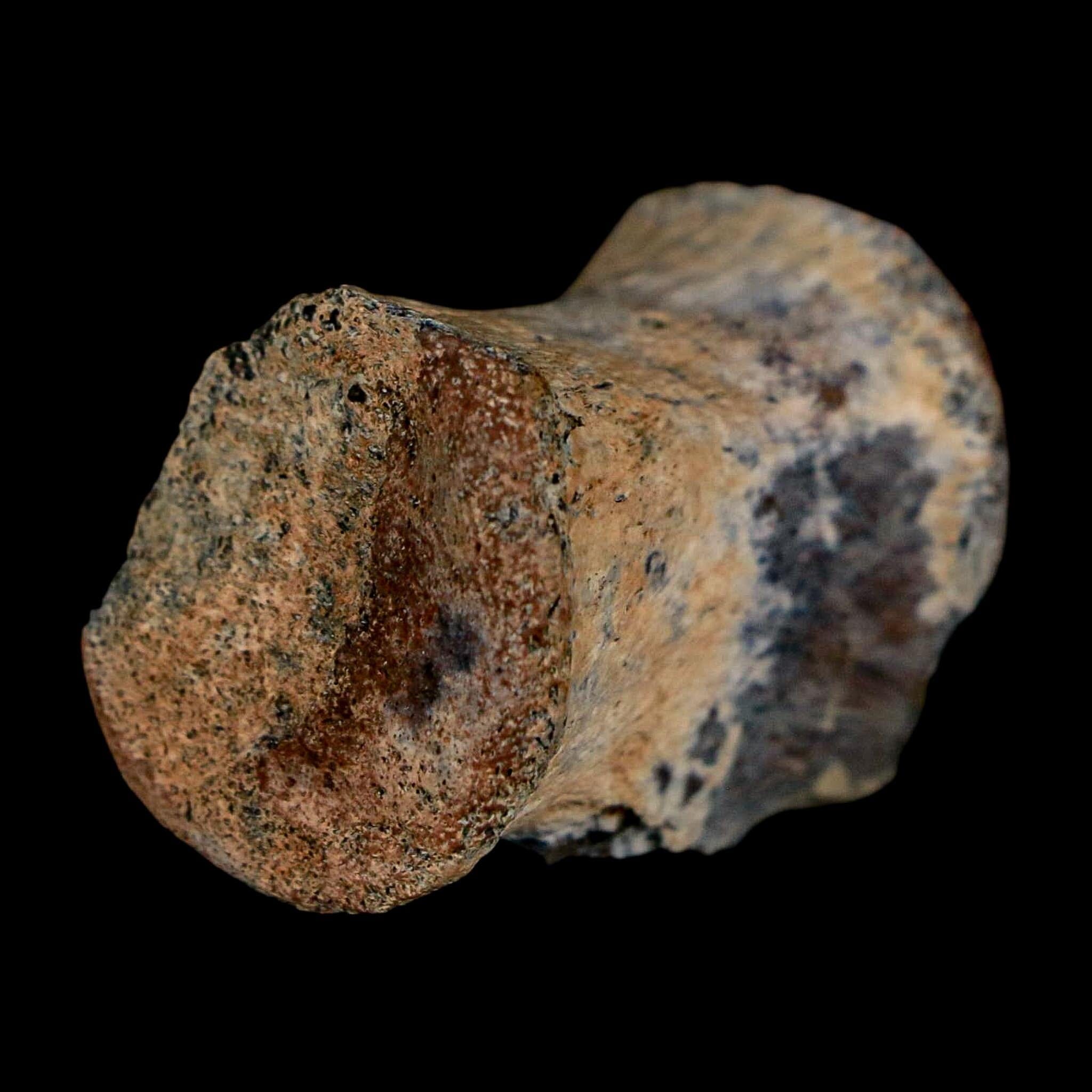


Description
Location: Lance Creek Formation, Weston County, Wyoming (Private Land Origin)
Weight: 0.9 Ounces
Dimensions: 1.2 Inches Long, 1 Inch Wide, 0.9 Inches Thick
The item pictured is the one you will receive.
Comes with a Certificate of Authenticity.
Late Cretaceous 67 Million Years Old
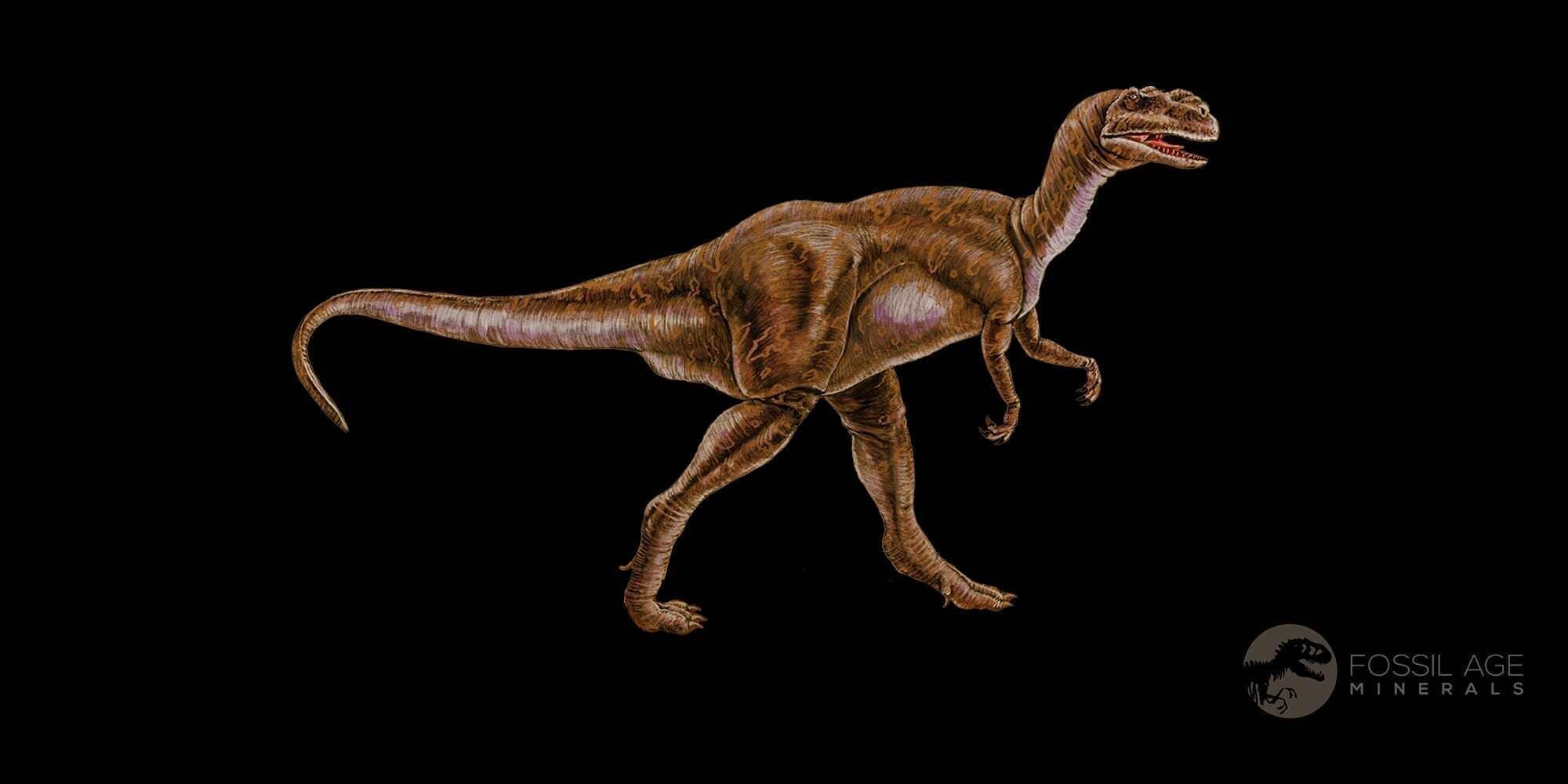
Name: Thescelosaurus (Wondrous lizard).
Diet: Herbivore.
Size: Between 2.5 and 4 meters,
Known locations: Canada, Alberta - Dinosaur Park Formation, Oldman Formation, Scollard Formation, Saskatchewan - Frenchman Formation, Ravenscrag Formation. USA, Colorado - Laramie Formation, Montana - Hell Creek Formation, Lance Formation, New Mexico - Fruitland Formation, North Dakota - Hell Creek Formation, South Dakota - Hell Creek Formation, Lance Formation, Wyoming - Lance Formation.
Time period: Maastrichtian of the Cretaceous.
Thescelosaurus was a small to medium-sized herbivorous dinosaur that lived during the final stages of the Late Cretaceous period and appears to have been one of the most common plant-eaters across North America at that time. Fossils of this ornithopod dinosaur were first discovered in the late nineteenth century and later formally described in 1913 by paleontologist Charles W. Gilmore, who provided a more comprehensive description in 1915. Over the following century, numerous specimens were recovered across central North America, leading to the identification of multiple species within the genus.
Taxonomic research has refined its classification over time. The former genus Bugenasaura is now considered a junior synonym of Thescelosaurus, while Parksosaurus, once thought by some researchers to be closely related enough to merge, is currently recognized as a distinct genus. These discoveries highlight the diversity of smaller herbivorous dinosaurs living alongside larger Late Cretaceous species.
Thescelosaurus possessed a specialized feeding system that included pointed teeth at the front of the jaw and leaf-shaped teeth farther back, suggesting a diet mainly composed of soft vegetation. The combination of tooth types has led some paleontologists to propose that it may have occasionally consumed small animals or carrion, indicating possible omnivorous tendencies. Muscular cheeks and a horny beak at the front of the mouth helped the dinosaur efficiently crop and process food, making Thescelosaurus an important example of dietary adaptation among ornithopod dinosaurs.
