


Epidote Crystal Collection


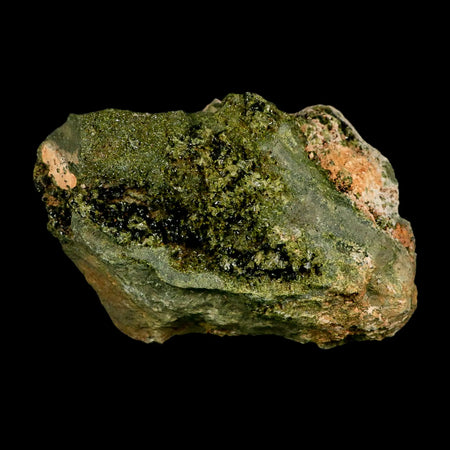
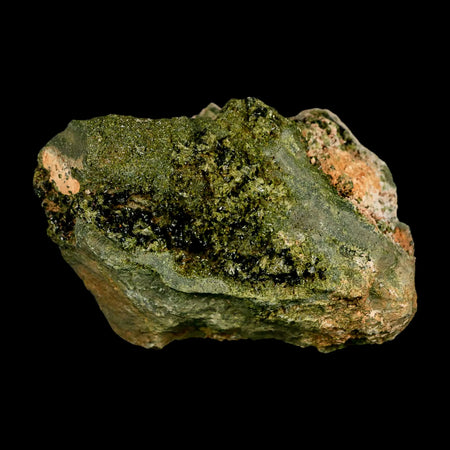
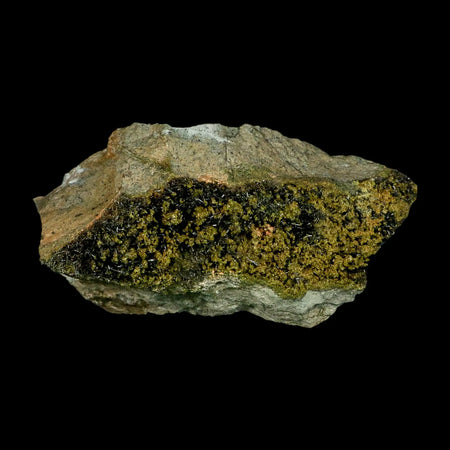
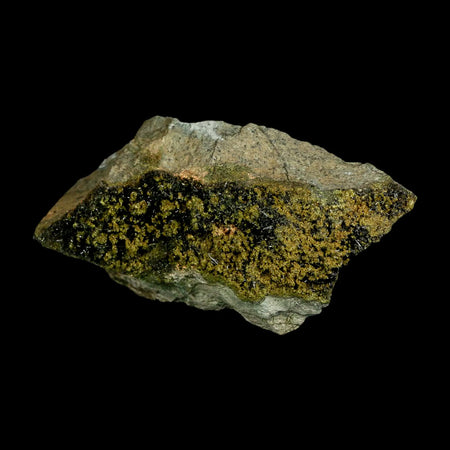
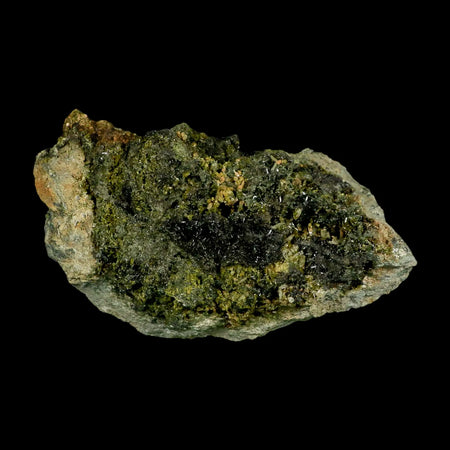
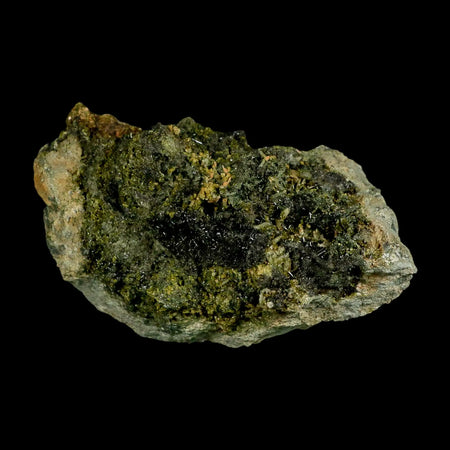
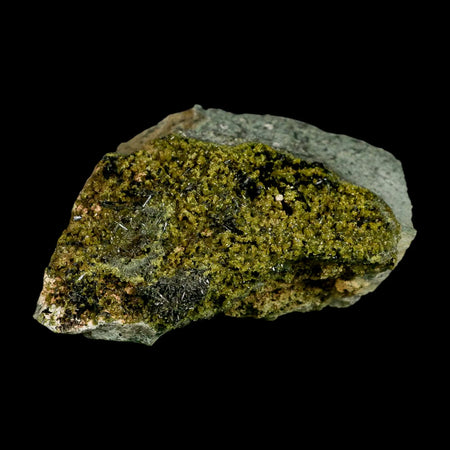
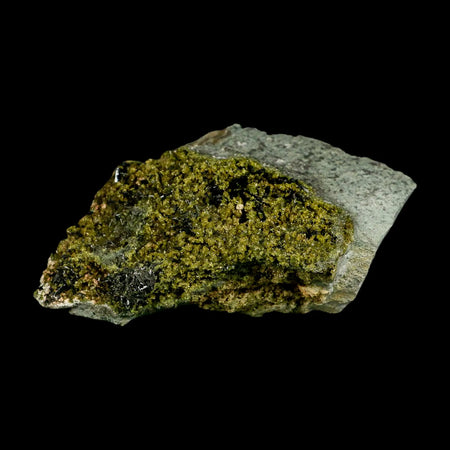
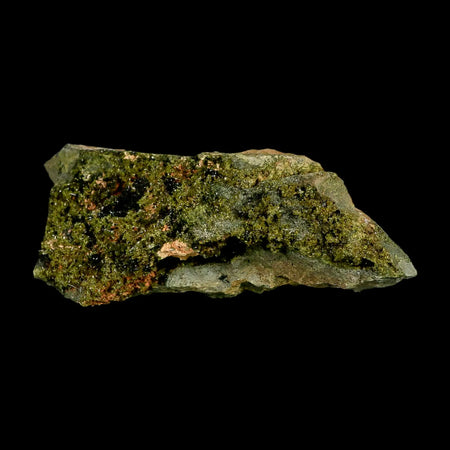
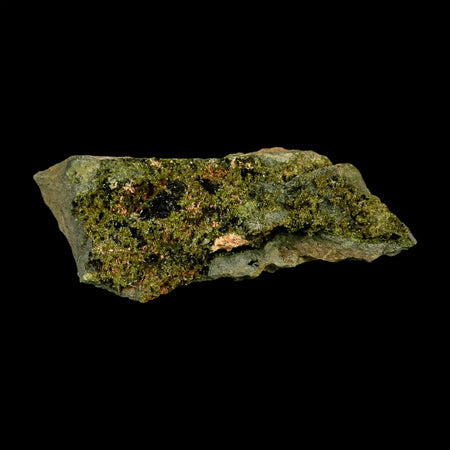
Epidote is a great display mineral, creating delicate elongated crystals that are extremely lustrous and often interconnected. This form is highly treasured by collectors and creates a fine mineral showpiece. The color of epidote mineral is mostly green—in all different shades and tones—with a pistachio color being typical. Epidote occurs in marble and schistose rocks. It is also a product of hydrothermal alteration of various minerals: feldspars, micas, pyroxenes, amphiboles, and garnets composing igneous rocks.amphiboles, & garnets) composing igneous rocks.
FAQs
Q: What is the normal coloration of an epidote mineral?
A: Epidote minerals generally vary from different shades of green, with pistachio green being one of the most common colors.
Q: Where does epidote typically occur?
A: Epidote typically occurs in marble, schistose rocks, and igneous rocks of hydrothermal alteration.
Q: Why do collectors prefer epidote?
A: Epidote is popular because of the brilliant lustrous elongated crystals and intergrown formations.
Q: How does epidote form?
A: It forms as a result of the alteration of feldspars, micas, pyroxenes, amphiboles, and garnets.
Q: What are the characteristics of epidote mineral specimens that make them stand out?
A: The fine crystals and vibrant green colors of an epidote specimen make it very attractive to any collection.