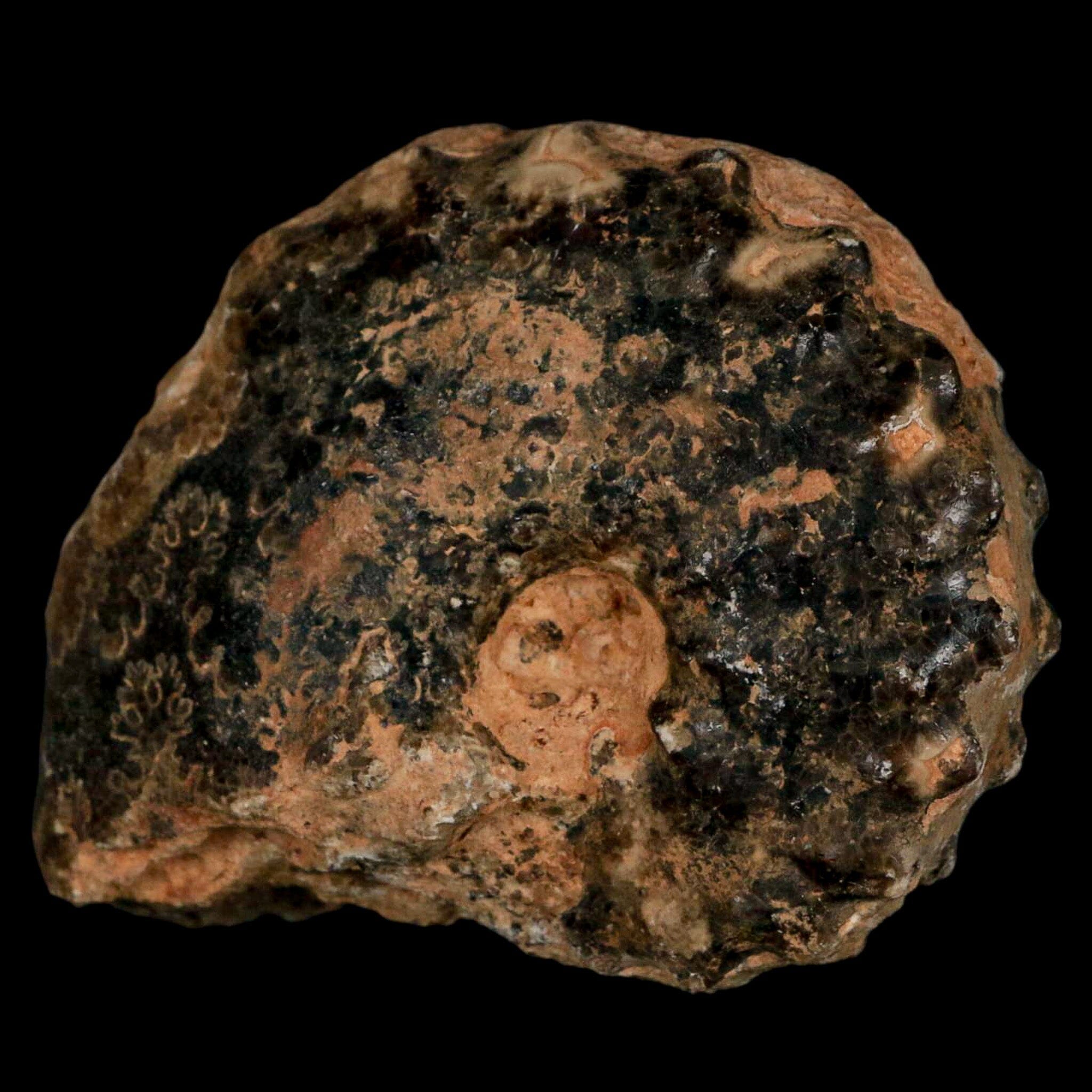
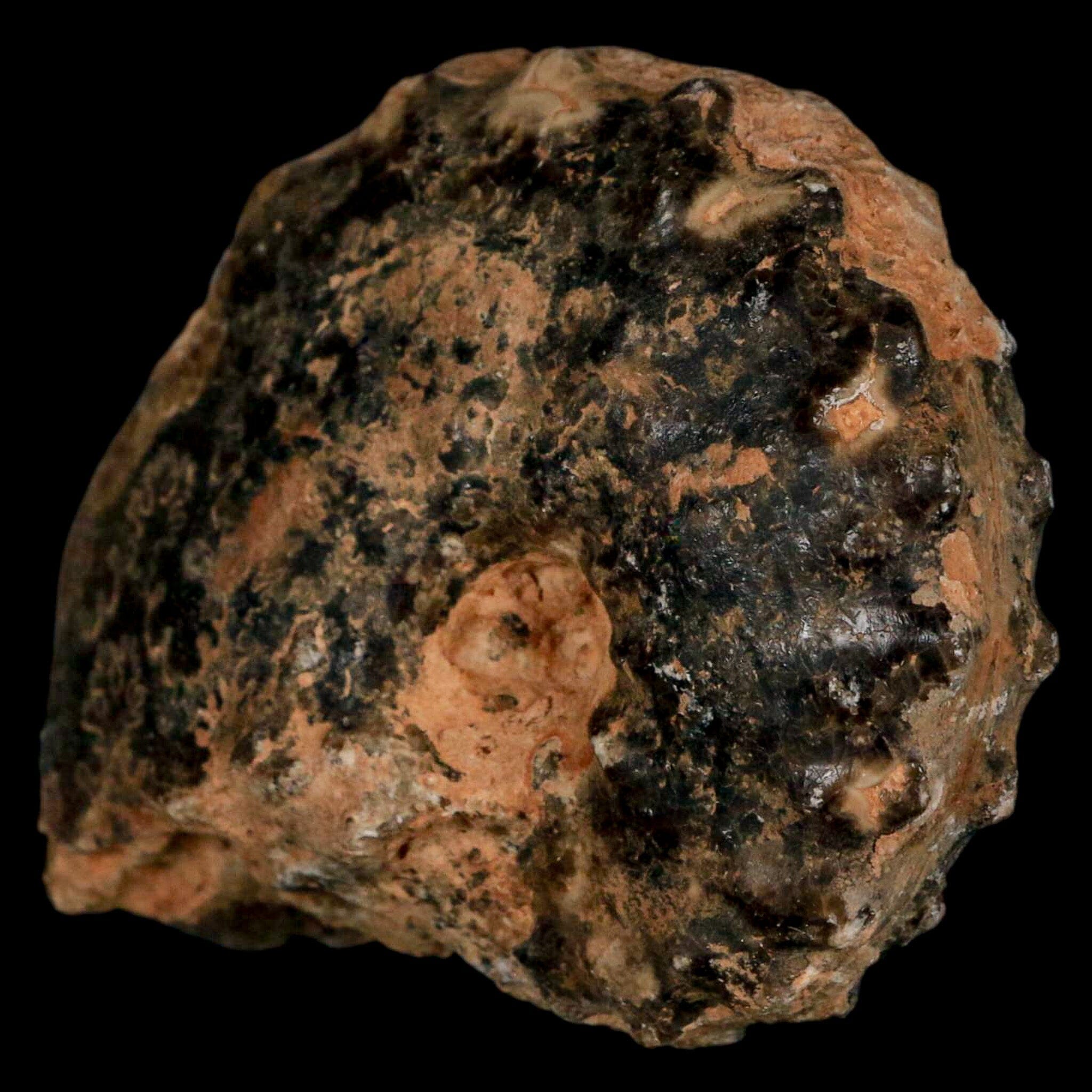
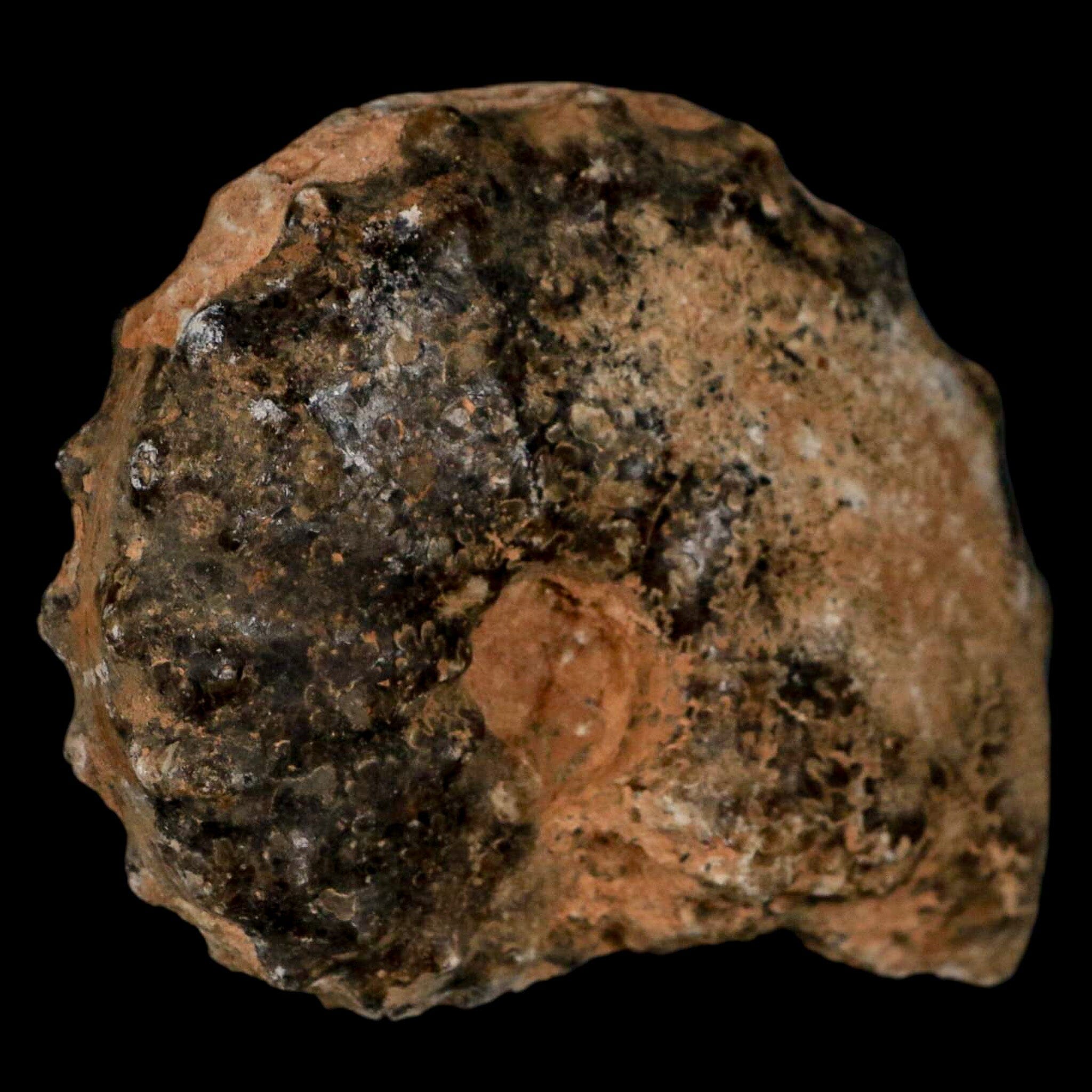
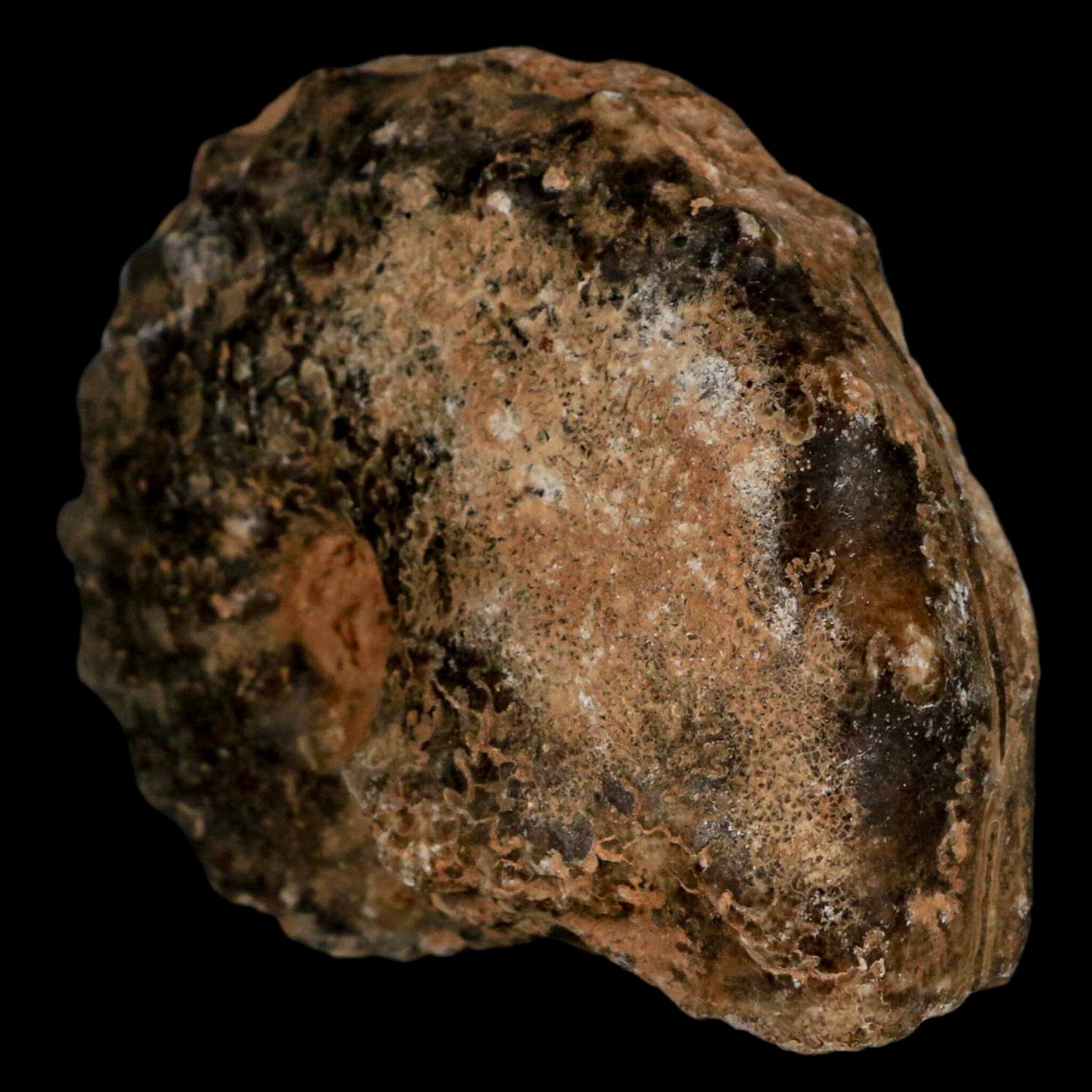


Description
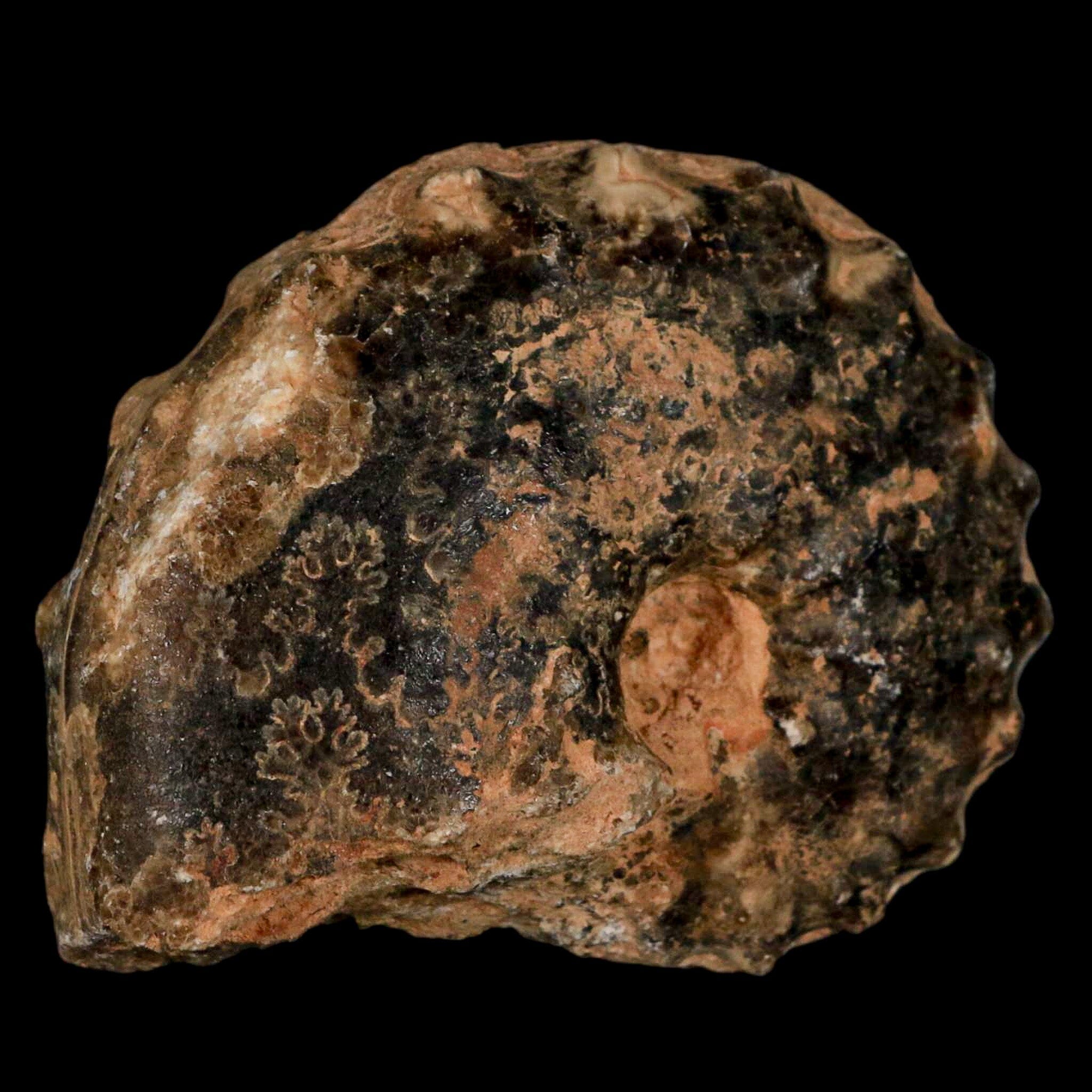
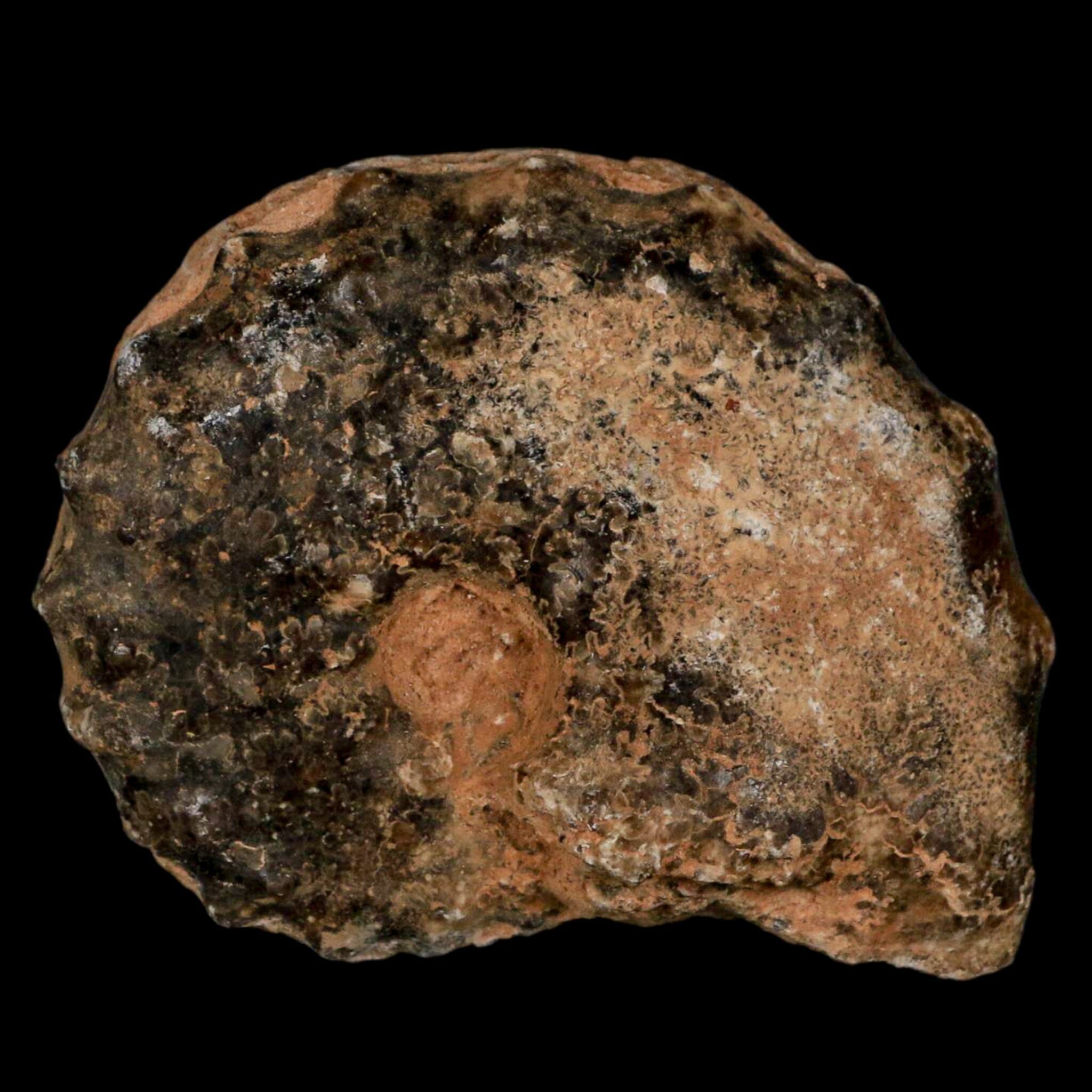
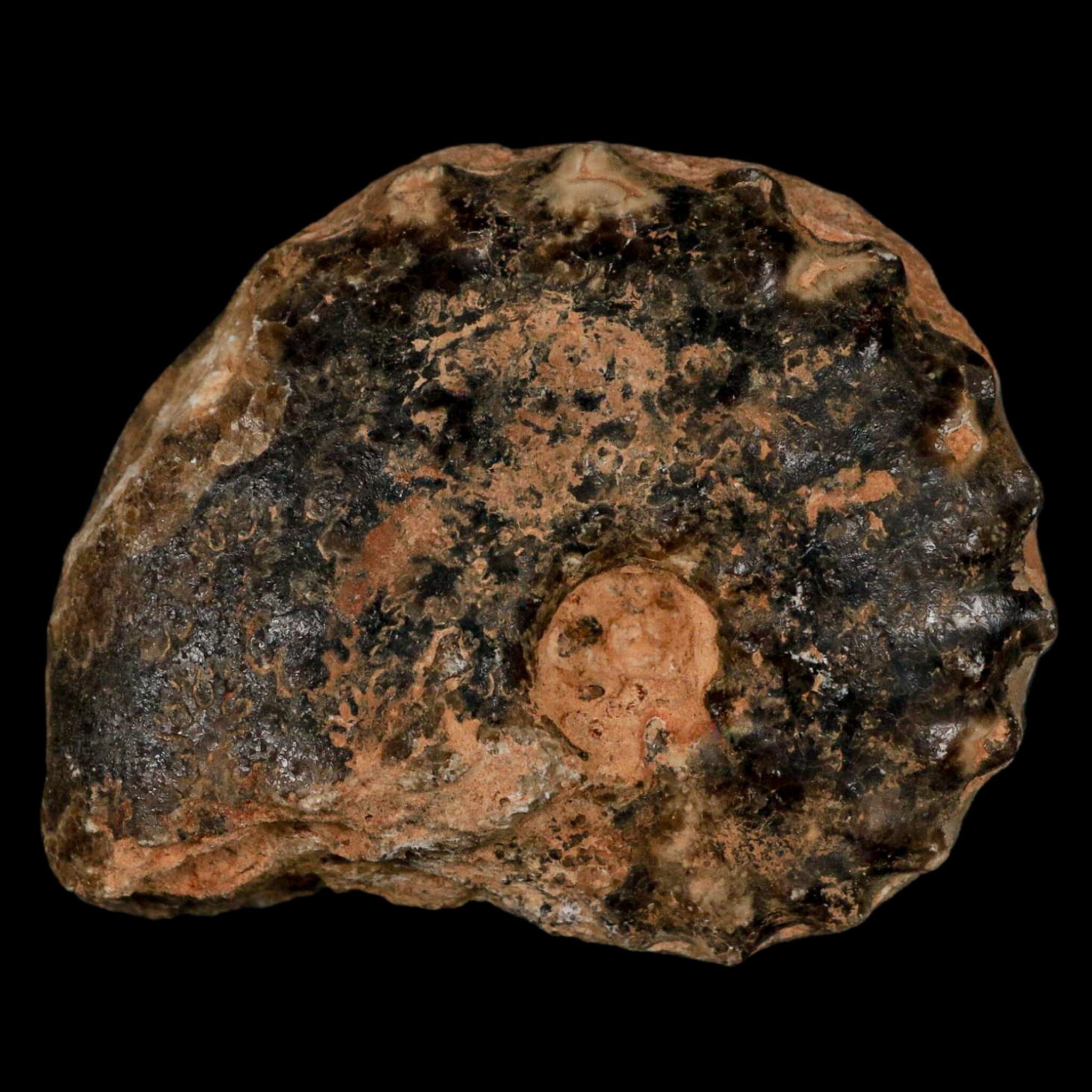
Location: Jbel Toubkal, Atlas Mountains, Morocco
Weight: 5.8 Ounces
Dimension: 2.8 Inches Long, 2.3 Inches Wide, 1.2 Inches Thick
This is a real fossil
Upper Cretaceous, 80 Million Years Old
The items pictured are the ones you will receive.
Mammites Nodosoides Ammonite
Ammonites were an extinct group of marine cephalopods belonging to the subclass Ammonoidea, within the class Cephalopoda—the same group that includes modern squids, octopuses, and cuttlefish. They flourished throughout the Mesozoic Era, particularly during the Jurassic and Cretaceous periods, thriving for nearly 140 million years. Their extinction around 66 million years ago, at the end of the Cretaceous, coincided with the demise of the dinosaurs and is believed to have resulted from catastrophic environmental changes, including a massive asteroid impact that altered global climates and marine ecosystems.
Ammonites are instantly recognizable by their distinctive coiled shells, which varied greatly in size, shape, and ornamentation. Their shells were divided into chambers by thin walls called septa. The animal itself lived only in the outermost chamber, known as the body chamber, while the inner chambers were filled with gas or fluid to regulate buoyancy. The complex suture patterns, formed where the septa met the outer shell wall, are distinctive features used to classify different ammonite species.
These shells served multiple functions—providing protection from predators and enabling buoyant movement in the water. Ammonites were carnivorous, likely preying on plankton, crustaceans, and even smaller ammonites. They possessed tentacle-like arms for capturing prey and beak-like jaws for feeding, much like modern cephalopods. Fossil evidence suggests they were active, agile swimmers that thrived in warm, shallow seas, dominating marine environments for millions of years.
Their evolutionary history shows a remarkable diversity; over 10,000 species have been identified from fossil records found globally. Ammonites evolved rapidly over geological time scales, making them excellent index fossils for dating rock layers due to their short geological lifespan.
The evolutionary lineage of ammonites can be traced back to straight-shelled nautiloids during the Devonian period. Throughout their existence, they underwent significant morphological changes leading to more complex shell structures with intricate suture patterns that improved buoyancy control. Despite surviving several mass extinction events throughout their history—including the Permian-Triassic extinction—they ultimately succumbed during the Cretaceous-Paleogene extinction event around 66 million years ago.
This final extinction is believed to have been triggered by a massive asteroid impact that drastically altered global climates and disrupted food chains in marine ecosystems.
