

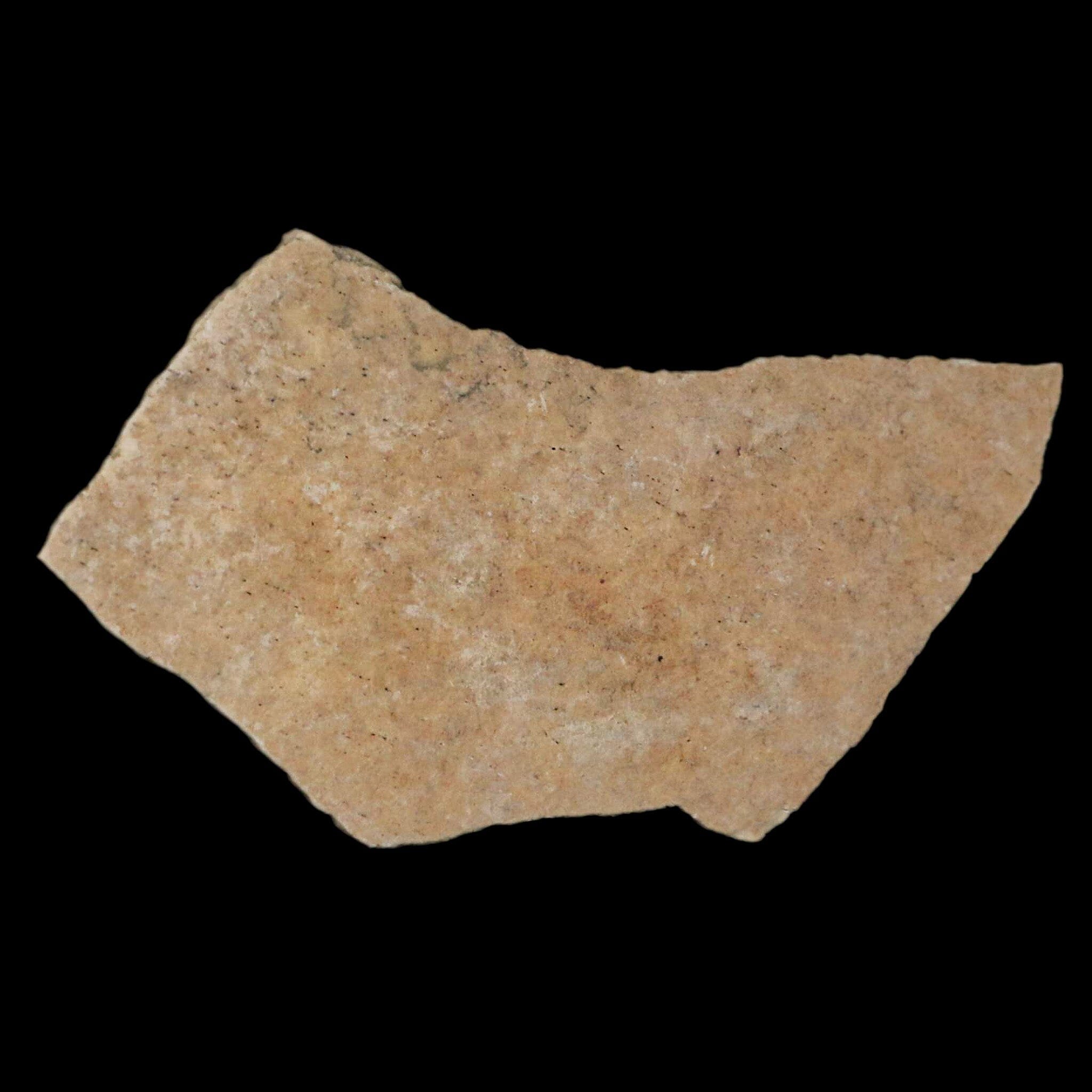
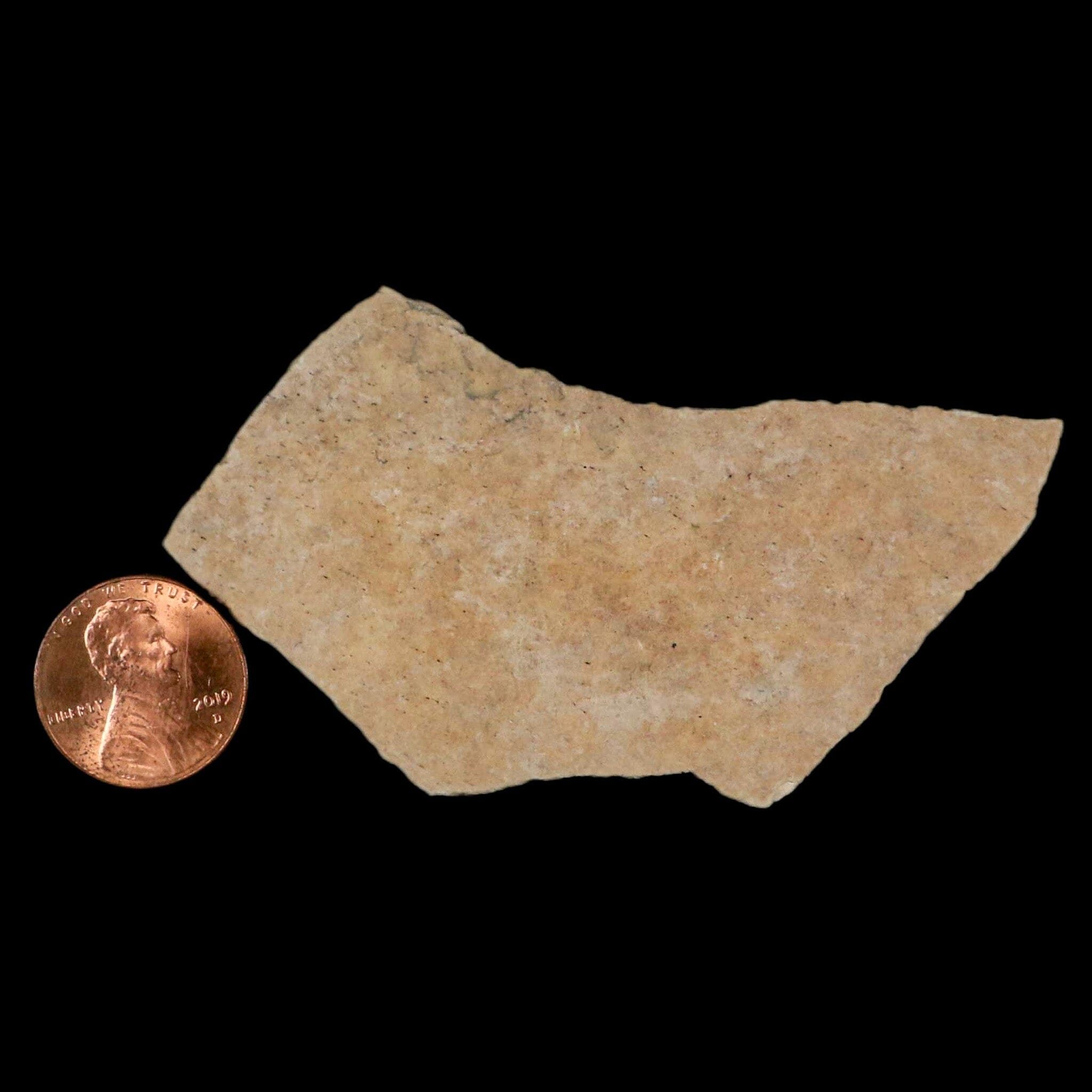
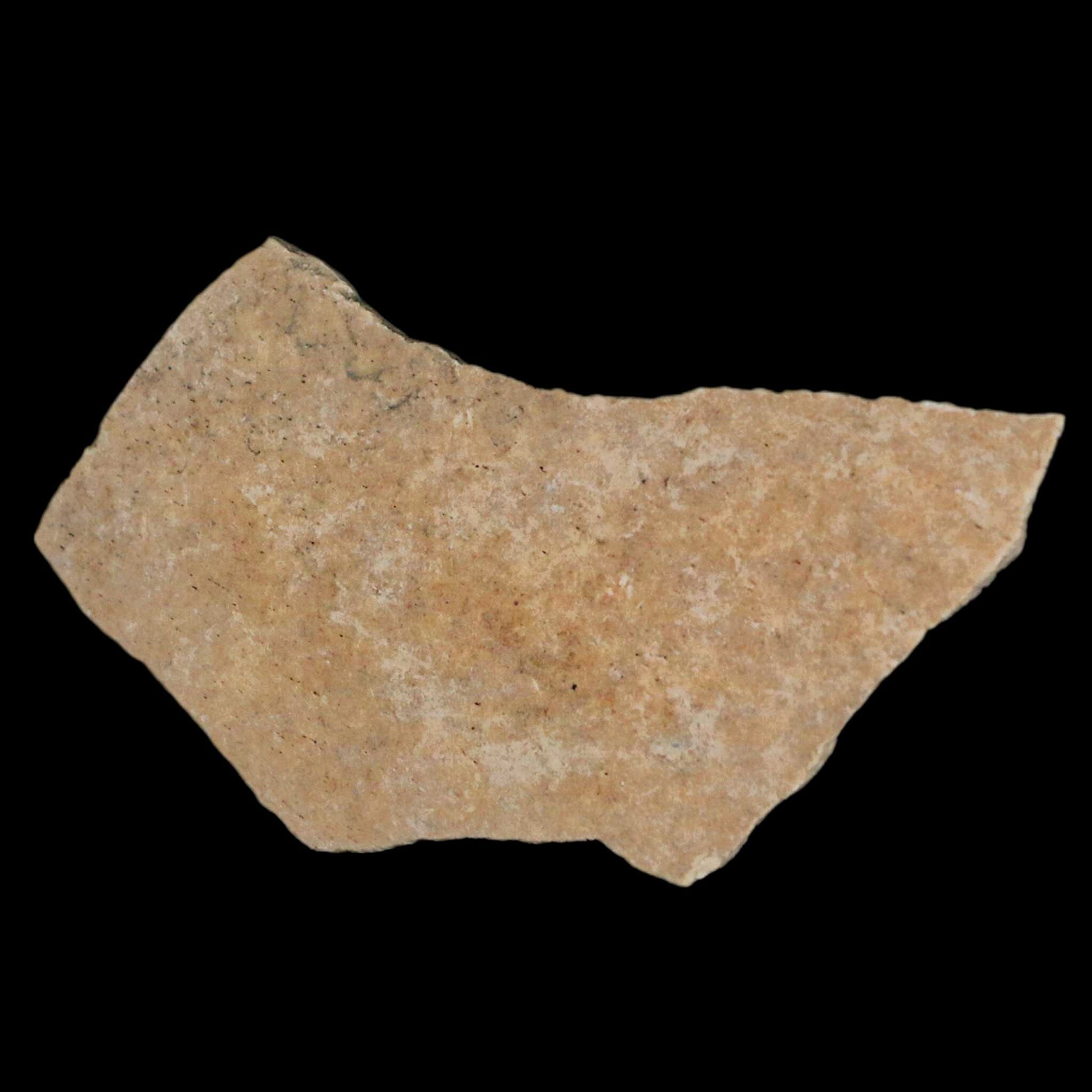





Description
Location: Madagascar Coast
Weight: 0.7 Ounces
Dimensions: 2.8 Inches Long, 2.3 Inches Wide, 0.15 Inches Thick
Comes with a Certificate of Authenticity.
The item pictured is the one you will receive.
Lived during the Late Pleistocene and Holocene epochs. They are thought to have existed from around 43,000 years ago until their extinction approximately around 1000–1200 CE.
The Elephant Bird, scientifically known as Aepyornis, was an enormous flightless bird that once thrived in Madagascar. These gigantic birds were famed for their impressive size, with some species growing up to three meters tall (around 10 feet) and weighing more than 500 kilograms (about 1,100 pounds). One of their most extraordinary features was their eggs—the largest eggs ever laid by any terrestrial animal. With a capacity of up to 1.9 gallons (7 liters), these massive eggs far exceed the size of those produced by any modern bird, making them remarkable relics of Madagascar’s prehistoric wildlife.
Size and Structure
Elephant bird eggshells are characterized by their impressive thickness, averaging around 3.3 mm for larger specimens. This robust structure is essential for protecting the developing embryo inside, allowing it to grow until hatching. The strength of these eggshells has been compared to pottery due to their durability and resilience against environmental factors.
Preservation and Research
Fossilized Elephant Bird eggshells are widely distributed throughout Madagascar, especially in coastal regions where fragments are scattered across dunes and beach deposits. Because the island’s humid climate causes skeletal remains to deteriorate quickly, eggshells offer a far more dependable source of well-preserved material. Their durability has made them invaluable for scientific study. In recent years, researchers have successfully recovered ancient DNA from these shells, providing important insights into the evolutionary history and genetic diversity of the Aepyornis lineage.
Diet and Ecology
Stable isotope analyses performed on Elephant Bird eggshells have offered valuable insight into the feeding habits of these massive birds. Isotopic signatures preserved within the shells show that different species had distinct dietary preferences, ranging from grasses to shrubs and even succulent plants. These variations help scientists better understand the ecological niches Elephant Birds occupied and how they interacted with the diverse environments of ancient Madagascar.
Extinction Factors
The extinction of elephant birds is believed to be closely linked to human activities following their arrival in Madagascar around 2,000 years ago. Evidence suggests that hunting and habitat alteration contributed significantly to their decline. The last known populations likely vanished around 1,000 years ago.
