
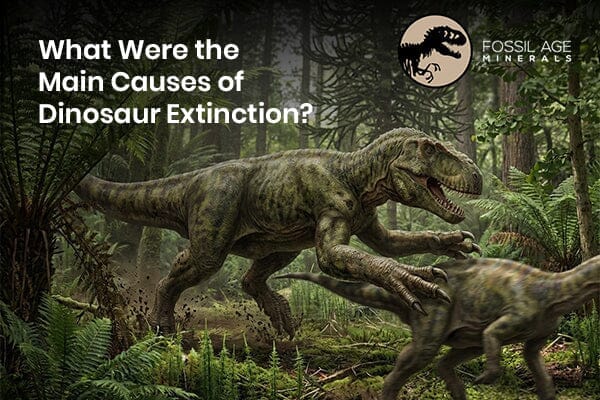
The epic tale of dinosaur extinction represents a captivating period in the annals of the planet. The reptiles lived on land, in water, and in the air for millions of years. Then almost all of them died out over a few million years, which is a blink of an eye in the geological time scale. This highly consequential event reorganized the planet's evolutionary history in favor of mammals and, eventually, humans.
For decades, scientists have been endeavoring to examine fossils, rock layers, and chemical evidence to learn what, in large measure, led to that extinction. According to research, it appears not so much as to leave room for a combined fingerprint of various natural forces colliding to shatter the planet.
A World Before the Extinction
Dinosaurs thrived across several different biomes that existed even before these large reptiles disappeared. Forests, grasslands, and coastal areas supported a wide variety of species, from huge plant-eaters to small, fast carnivores. Oceans were equally productive with marine reptiles and fish.
During Late Cretaceous time, Earth experienced:
- Warm global climate
- High sea levels
- Rich plant life carries herbivorous animals
- Complex food chains
These conditions remained relatively stable, allowing dinosaurs to persist without external challenges for millions of years. However, these changes eventually reached a point at which the evolving conditions began to challenge existing ecosystems and, in some respects, to favor larger-scale changes.
Did an Asteroid Really Cause Dinosaur Extinction?
The most widely accepted theories include the asteroid impact. Evidence pointing in that direction indicates that a massive asteroid struck Earth about 66 million years ago near modern-day Mexico.
The impact most likely resulted in:
- Powerful shocks and earthquakes
- Extensive heat and mass wildfires
- The blocking out of sunlight by dust and debris
- Initiation of quick drops in global temperatures
The absence of sunlight meant that fewer plants could survive. This would therefore decrease the food web to herbivores, followed by carnivores. This chain reaction resulted in widespread damage to land-based ecosystems.
Scientists uncovered a fundamental layer of iridium-rich material worldwide, dating to this period. Iridium is very rare on Earth but is a common element in asteroids, thereby further corroborating the asteroid theory.
Volcanic Activity and Environmental Change
The asteroid's impact was enormous, though volcanic eruptions also contributed to the complete environmental disruption. Huge volcanic eruptions in present-day Indian territory produced immense volumes of lava and gases over very long periods.
The eruptions released:
- Carbon dioxide, increasing global temperatures
- Sulphur gases, leading to acid rain
- Ash clouds that blocked sunlight
- Changes in ocean chemistry
The long-term exposure of many species to environmental stressors. These, in conjunction with the asteroid impact, apparently accelerated the extinction process and impeded the recovery of large animals.
What Environmental Changes Happened Before Dinosaurs Disappeared?
Climate change had been influencing Earth preceding the terminal extinction. Colder temperatures and shifting sea levels also altered habitats across continents. Coastal regions shrank, and plant distributions shifted.
Due to changes in habitats:
- Some species struggled
- Food chains became unstable
- Competition for resources increased
This gradual environmental change undermined ecosystems, making them even more vulnerable to sudden disasters. The dinosaurs, which had persisted for millions of years, underwent a drastic change over a short period.
How Do Scientists Know When Dinosaurs Went Extinct?
The existence of fossils and geological discoveries are indicators that helps scientists determine when dinosaurs go extinct. Through stratigraphy and the study of fossil distribution, these scientists can identify a particular boundary indicative of the end of the Cretaceous.
This boundary indicates:
- The abrupt extinction of a taxon
- Global environmental stress evidence
- Chemical signatures indicative of an impact event
Most non-avian dinosaurs probably went extinct around 66 million years ago, as verified by radiometric dating. Such a relatively accurate timescale links environmental changes to the extinction.
Did Any Creatures Survive the Extinction Event?
Life was not destroyed during that catastrophic period: some surviving organisms adapted to the disturbed ecological balance. Small mammals, birds, reptiles, and marine animals confronted a life-threatening situation but escaped total annihilation.
The survivors at least had two opportunities for survival:
- Eating all the waste generated
- A relatively smaller body size requires less food
- Living either by water or underground
- Reproduction is favorably arranged at intervals of a few or more years
Because they survived so well, they were able to create life and life forms that persist to the present, thereby helping restore balance in the ecosystem. In a sense, the extinction created a runway for new life, allowing future generations to reshape the landscape.
Understanding Earth After the Dinosaurs
Understanding when did dinosaurs become extinct and the process of how the Earth healed matters to scientists. After that period, which spanned millions of years, plants regrew, temperatures shifted less than before, and mammals increased their trophic levels.
This indicated a fresh start in the history of the planet. Through extinction and recovery studies, scholars can ascertain how life adapts to environmental change and how the structure and composition of communities are restored following a systematic disruption.
Conclusion
The dinosaurs' disappearance was due to several powerful natural events. Asteroid impacts, volcanic activity, climatic changes, and environmental alterations are among the events that have decisively shaped Earth's evolution.
For those interested in exploring the depths of prehistory through firsthand discoveries, Fossil Age Minerals faithfully presents genuine fossils that bring the life of antiquity closer to life today. Their collection enables learners, collectors, and enthusiasts to hold the real elements from Earth's past in their hands.
Check in at Fossil Age Minerals and begin your exploration of some incredibly fascinating real fossil specimens.


