
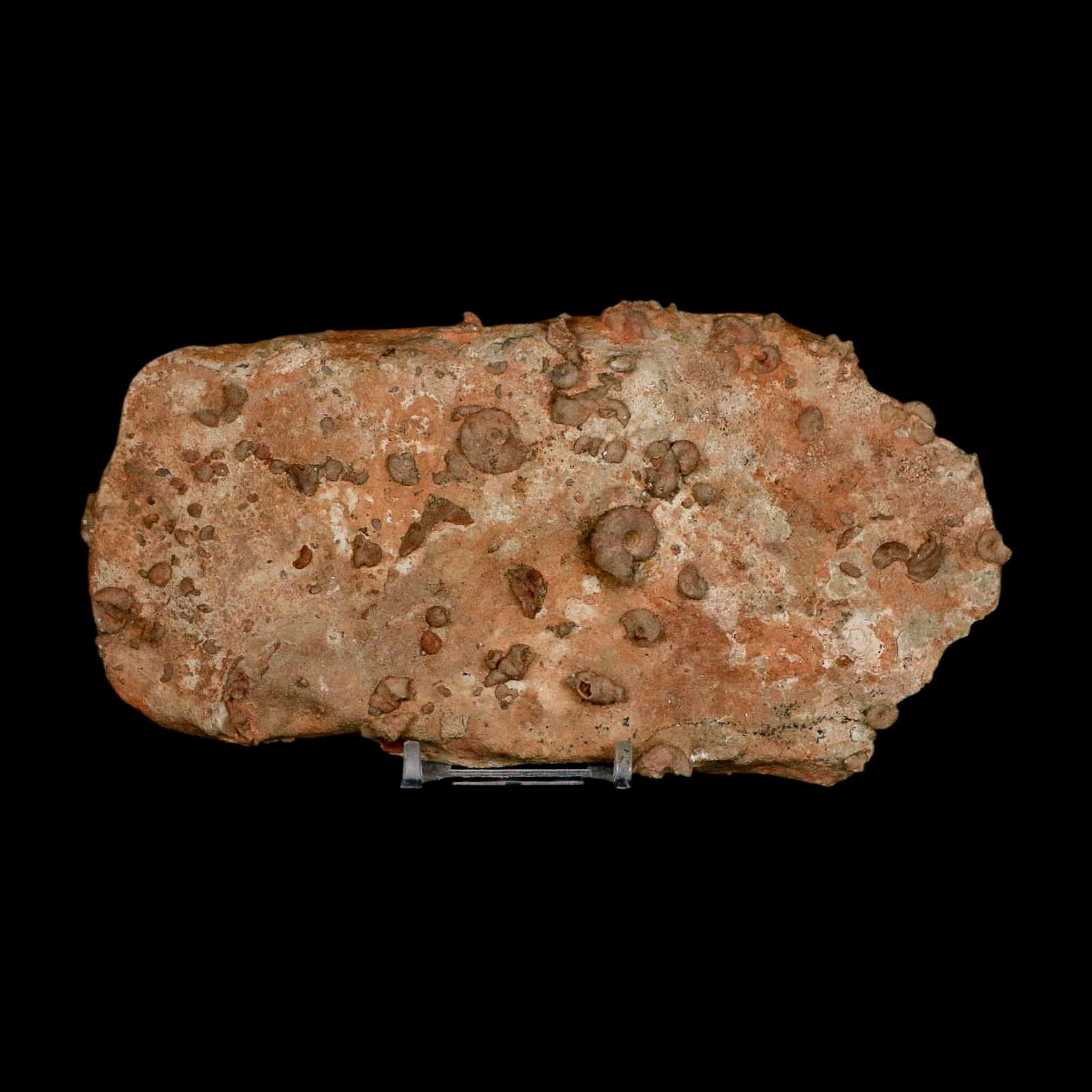
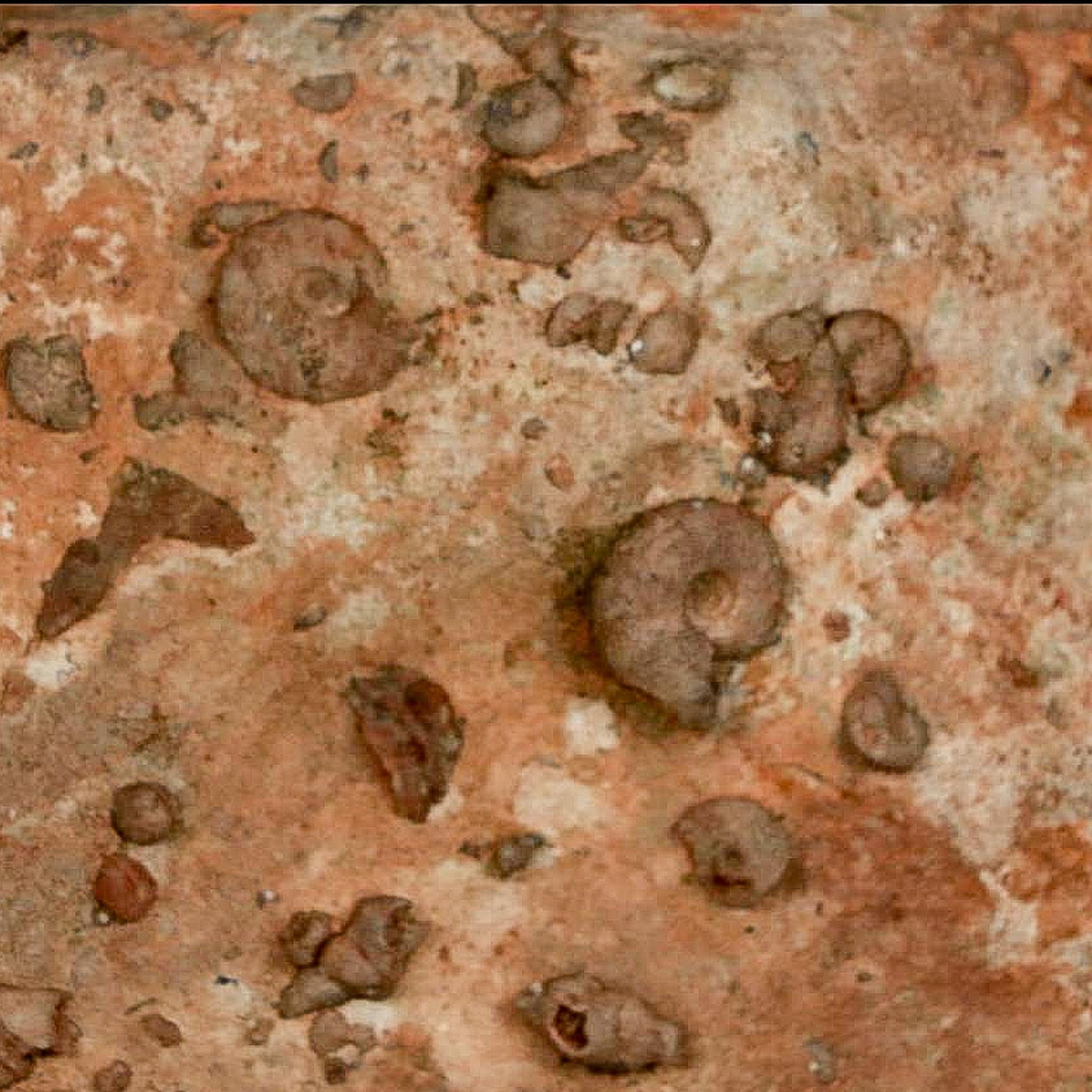
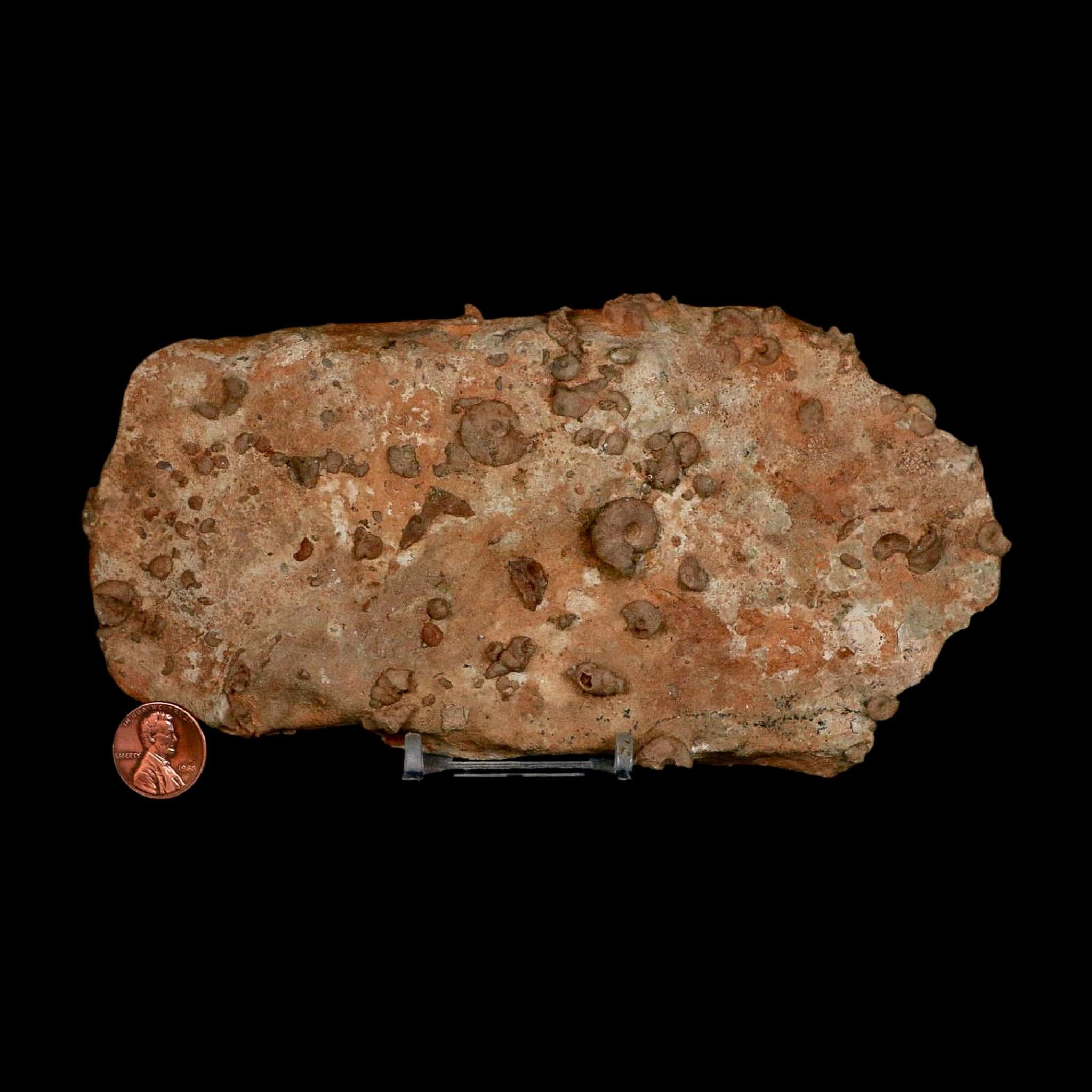
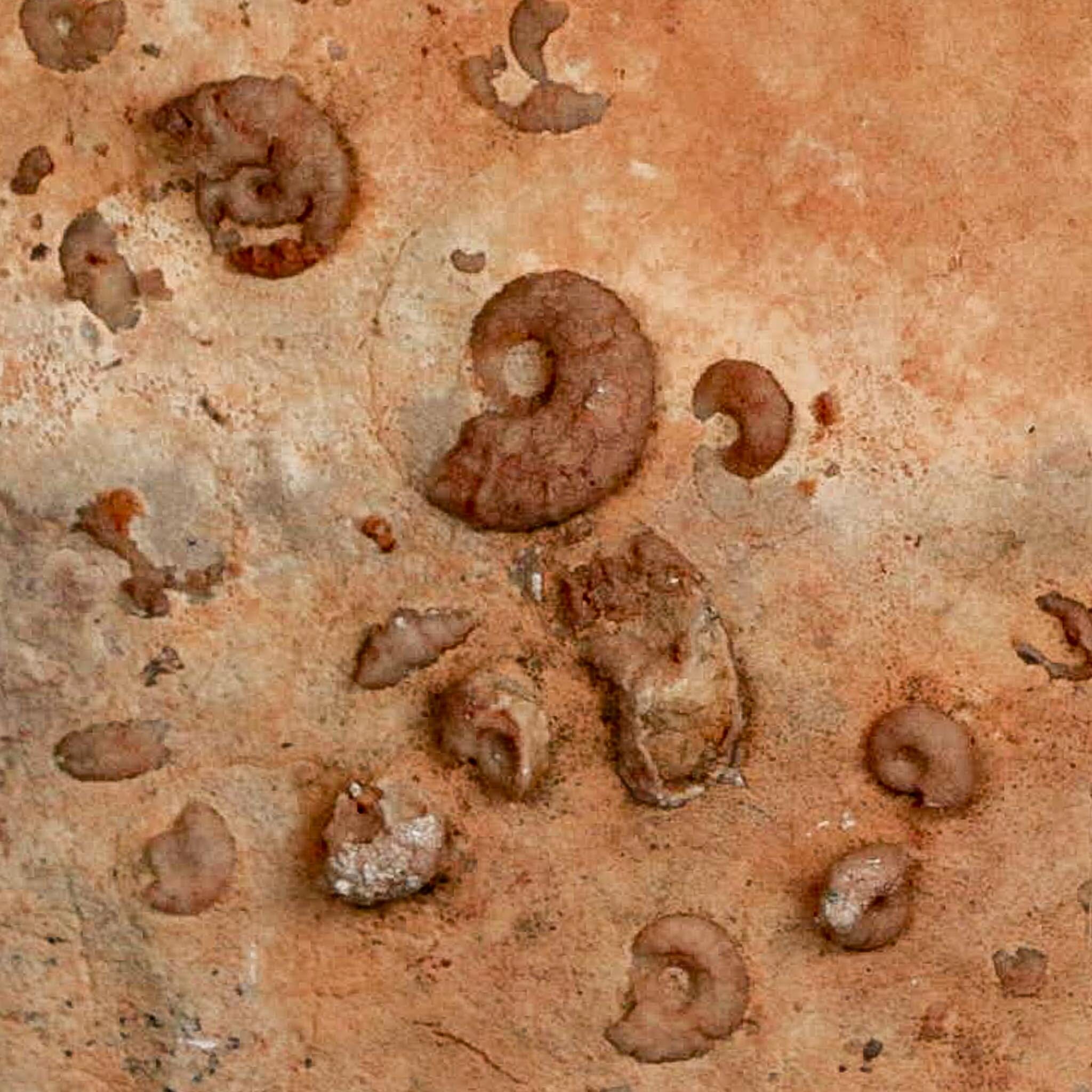
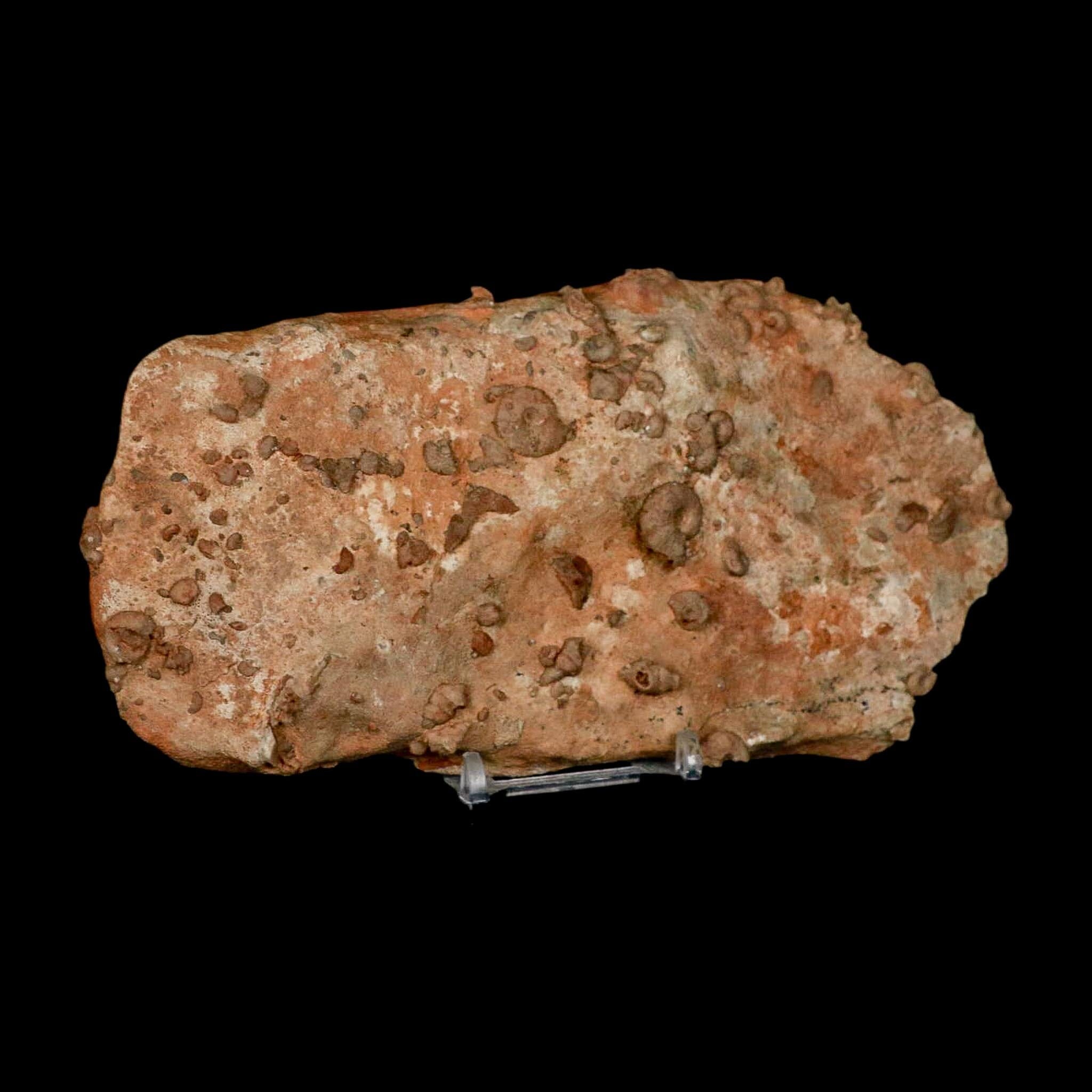
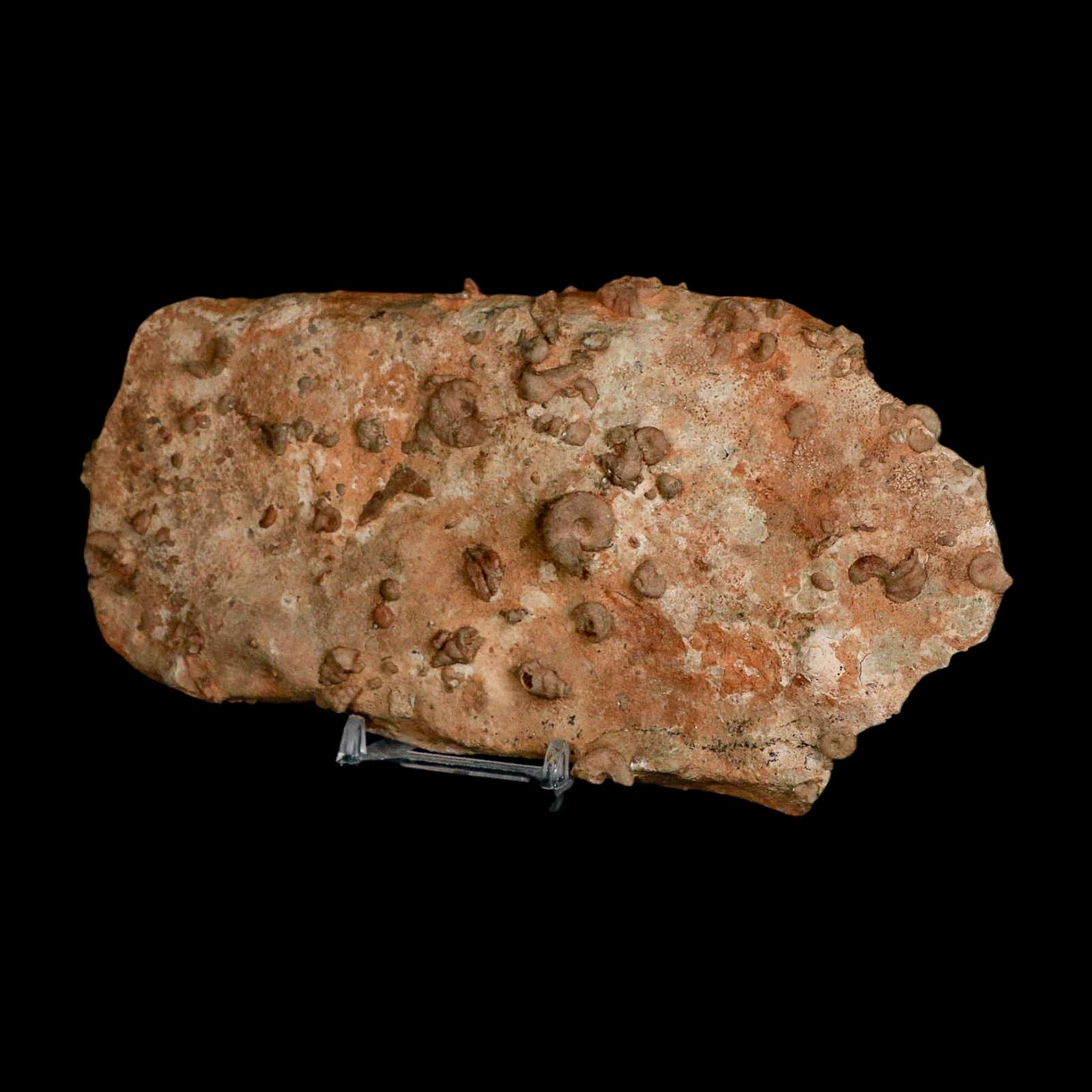
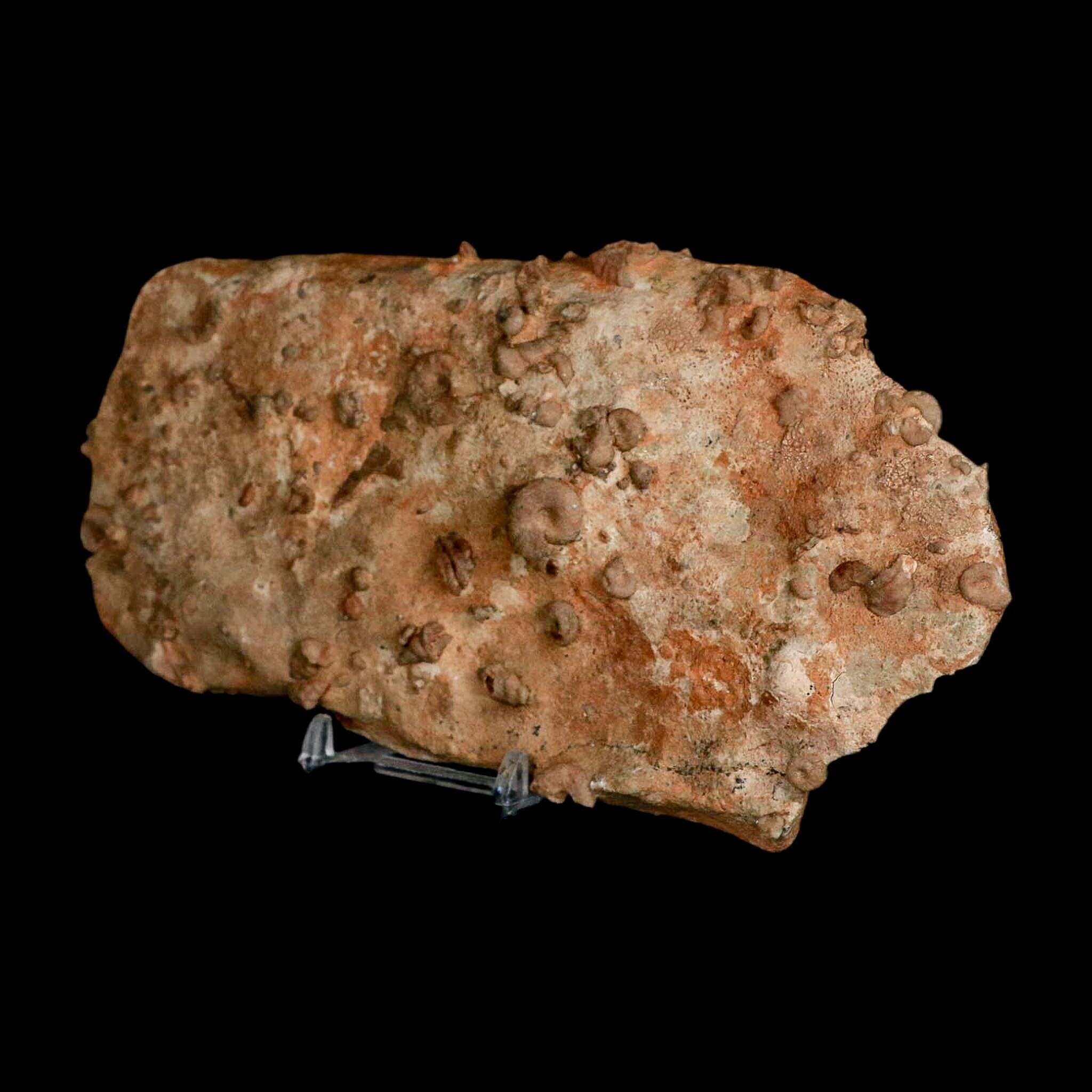
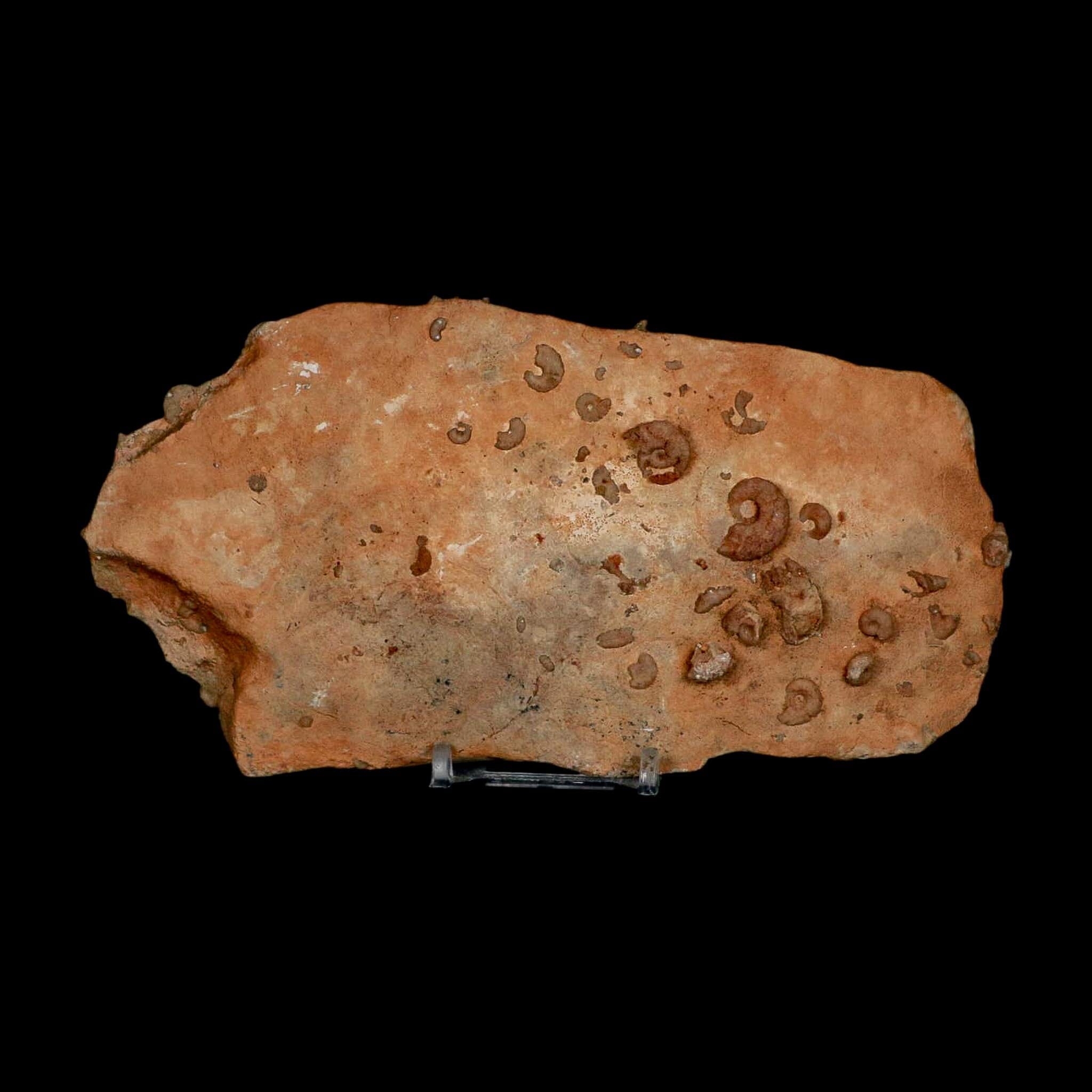


Description
Location: Agadir, Morocco
Weight: 14.2 Ounces
Dimensions: 7 Inches Long, 3.4 Inches Wide, 0.7 Inches Thick
Comes with a Certificate of Authenticity.
Comes with a Free Stand.
The item pictured is the one you will receive.
360 million years old.
Ammonoids were highly successful marine cephalopods that inhabited Earth’s oceans from the Devonian through the end of the Cretaceous period. Classified within the extinct subclass Ammonoidea, these remarkable invertebrates diversified into thousands of species and became dominant components of ancient marine ecosystems.
Their distinctive coiled shells, often compared to a ram’s horn, inspired their name—derived from the Egyptian deity Amun, traditionally depicted with curved horns. Though their shell form resembles modern nautiluses, ammonoids are evolutionarily closer to today’s squid, octopus, and cuttlefish.
The shell of an ammonoid was divided internally into a series of gas-filled chambers separated by thin walls called septa. As the animal grew, it constructed new chambers, maintaining buoyancy and mobility. The lines where septa met the outer shell formed intricate suture patterns that are essential for classification. Early ammonoids, known as Goniatites, displayed simple angular sutures, while later Ammonites developed highly complex, fern-like designs reflecting evolutionary refinement.
Because ammonoids evolved rapidly and were globally distributed, they serve as important index fossils for dating marine rock layers. Their elegant spiral geometry and elaborate sutures make ammonoid fossils both scientifically invaluable and visually striking additions to any fossil collection.
