


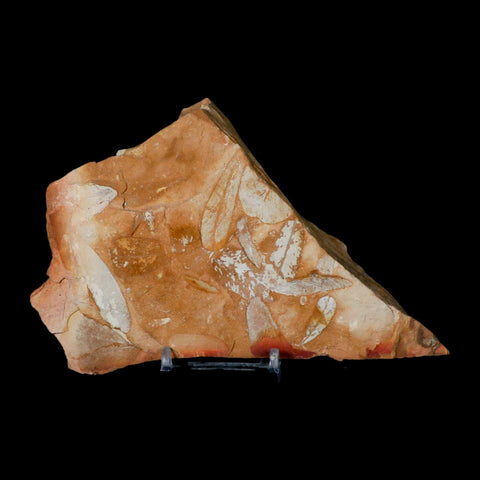
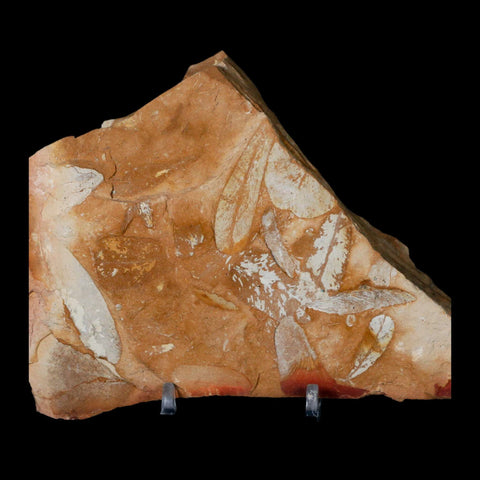
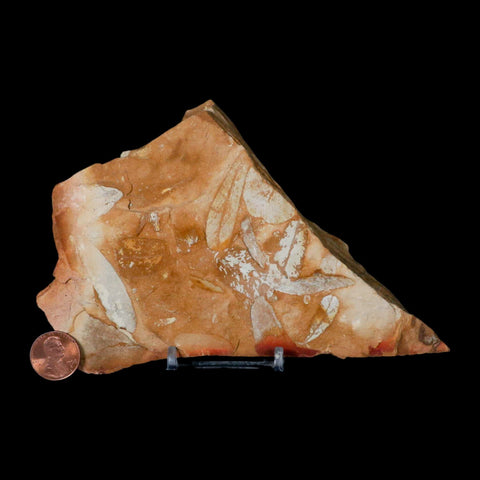
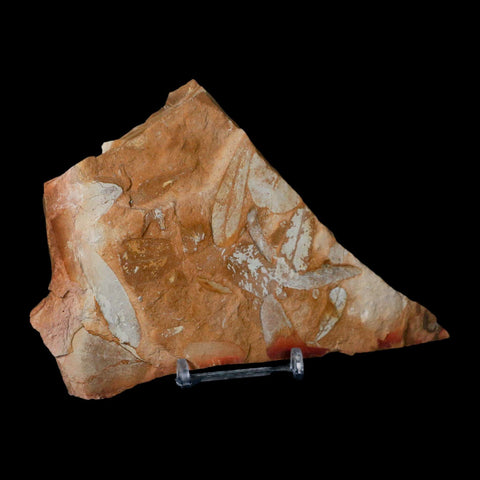
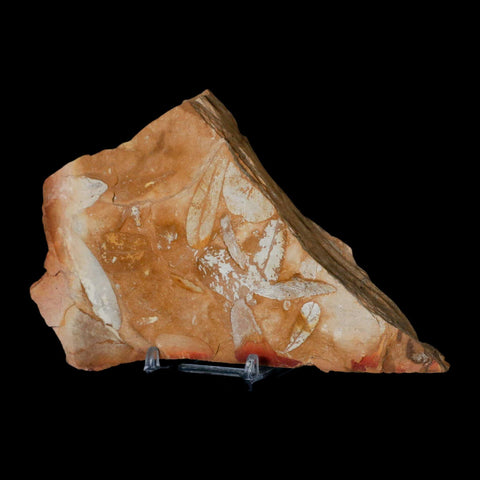
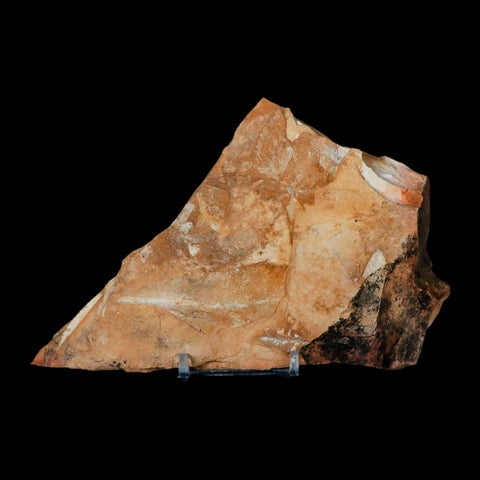
6.2" Detailed Glossopteris Browniana Fossil Plant Leafs Permian Age Australia Stand
Location: Dunedoo, New South Wales, Australia
Weight: 11.6 Ounces
Dimensions: 6.2 Inches Long, 4.2 Inches Wide, 0.9 Inches Thick (Plate)
Comes with a Free Stand.
The item pictured is the one you will receive.
This is a genuine fossil.
Glossopteris Browniana is the largest and best-known genus of the extinct Permian order of seed ferns known as Glossopteridales. The genus Glossopteris refers only to leaves, within a framework of form genera used in paleobotany
Step back in time with this exceptional Glossopteris Browniana fossil leaf, one of the most iconic members of the extinct Permian seed fern genus Glossopteris (Glossopteridales). Known for its distinctive tongue-shaped leaves with a prominent midrib and reticulate venation, Glossopteris leaves often occur in thick mats, suggesting they may have been deciduous. Many specimens also preserve ovule-bearing and pollen-bearing reproductive structures, providing rare insight into the reproductive biology and ecology of ancient Gondwanan flora.
Glossopteris thrived during the Permian and Triassic periods (approximately 300–200 million years ago) across the southern supercontinent Gondwana, becoming a dominant feature of prehistoric forests. Its widespread distribution contributed to the first geological evidence supporting continental drift, making Glossopteris fossils historically and scientifically significant.
Ideal for fossil collectors, paleobotany enthusiasts, educators, and museums, this Glossopteris Browniana leaf fossil combines scientific value, rarity, and visual appeal. It provides a tangible connection to the prehistoric landscapes of Gondwana, showcasing the diversity, resilience, and evolutionary importance of one of Earth’s most iconic prehistoric seed ferns. A rare and beautiful specimen, it is perfect for display, study, or as a centerpiece in any fossil collection or educational exhibit.


