


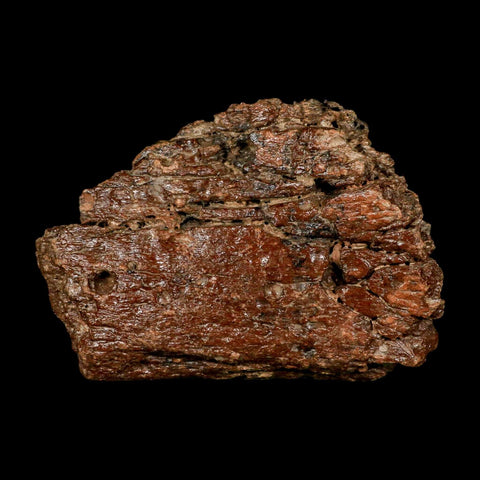
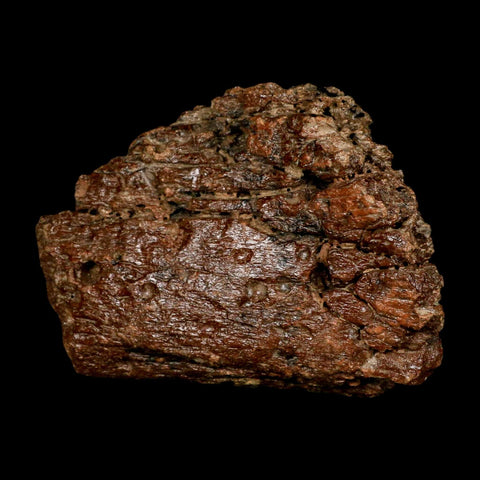
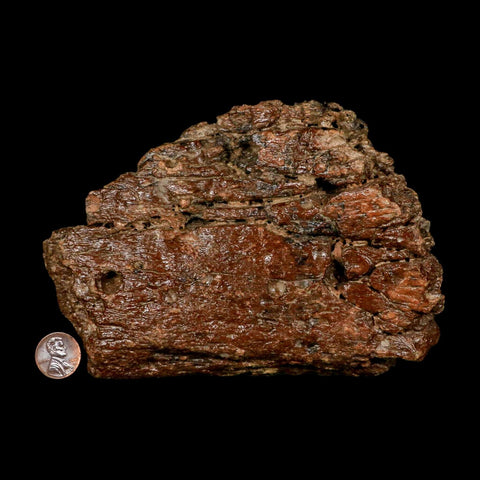
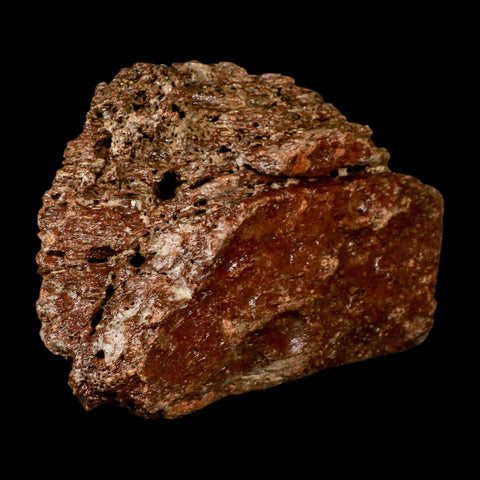
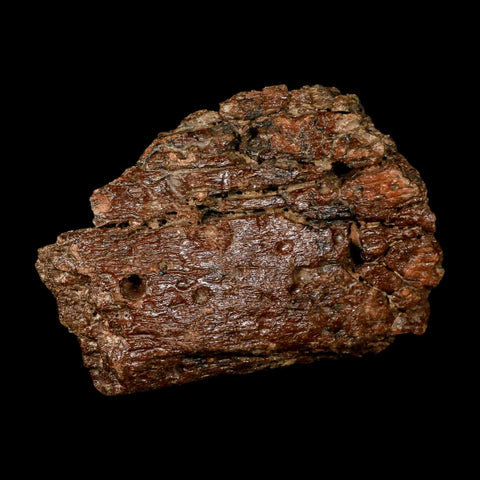
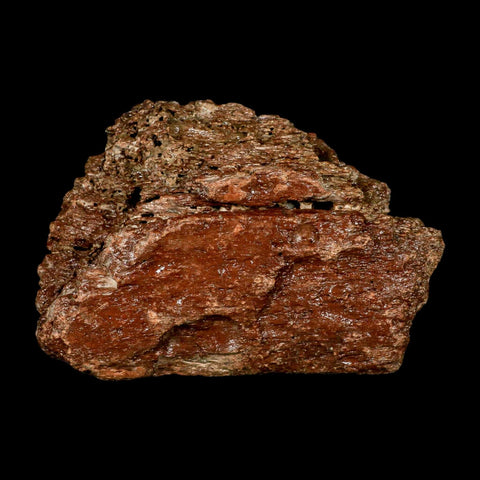
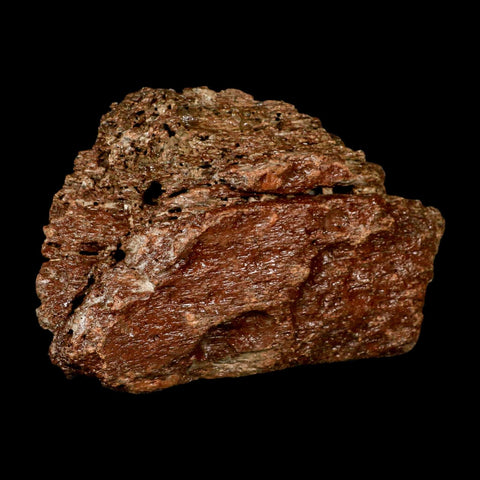
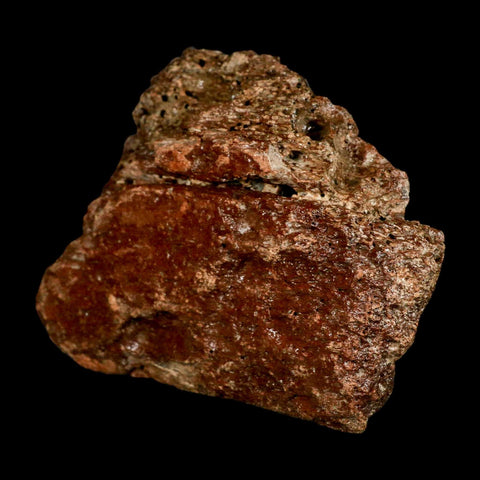
6.1" Ichthyosaurus Fossil Bone Section Dorset England Jurassic Marine Reptile COA
Location: Dorset, England (Dorset Coast)
Weight: 1 Pound, 9.5 Ounces
Dimensions: 6.1 Inches Long, 4.3 Inches Wide, 1.9 Inches Thick.
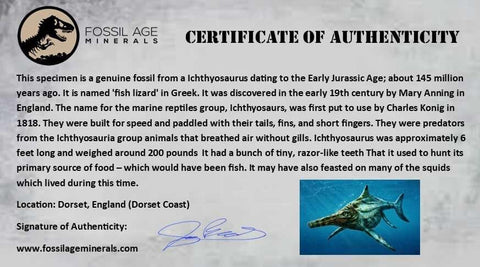
Comes with a Certificate of Authenticity.
The item pictured is the one you will receive.
Upper Jurassic Age, 145 Million Years old.
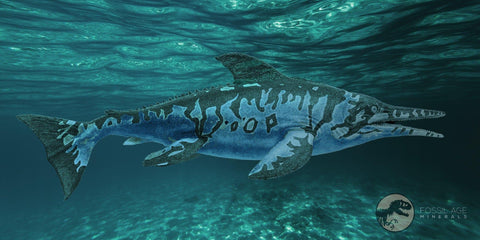
Ichthyosaurs were among the most successful marine reptiles of the Mesozoic Era, dominating ancient oceans during the Early Jurassic, approximately 145 million years ago. Though reptilian in origin, they evolved bodies perfectly suited for life in open water. Their smooth, torpedo-shaped forms, strong tails, and well-developed fins allowed them to glide effortlessly through the seas, making them efficient and agile hunters.
The name Ichthyosaur, meaning “fish lizard,” reflects their fish-like appearance, a feature that fascinated early fossil hunters. Many of the first specimens were uncovered along the cliffs of England in the early 1800s, with Mary Anning playing a pivotal role in their discovery. In 1818, scientist Charles König formally introduced the term, and for much of the nineteenth century, nearly all known ichthyosaur fossils were classified under the genus Ichthyosaurus.
A typical Ichthyosaurus reached lengths of around six feet and weighed close to 200 pounds. Its long jaws were lined with countless small, needle-like teeth designed for gripping slippery prey. Fish made up the bulk of its diet, while squid and other marine invertebrates were also likely consumed. As air-breathing predators, ichthyosaurs regularly surfaced to breathe, yet spent nearly their entire lives in the water.
Unlike many reptiles, ichthyosaurs gave birth to live young, an adaptation that freed them from the need to return to land. This reproductive strategy, combined with their streamlined build and keen hunting abilities, ensured their success for millions of years. Today, ichthyosaurs stand as a remarkable example of evolutionary adaptation, illustrating how reptiles independently evolved forms strikingly similar to modern marine mammals.
