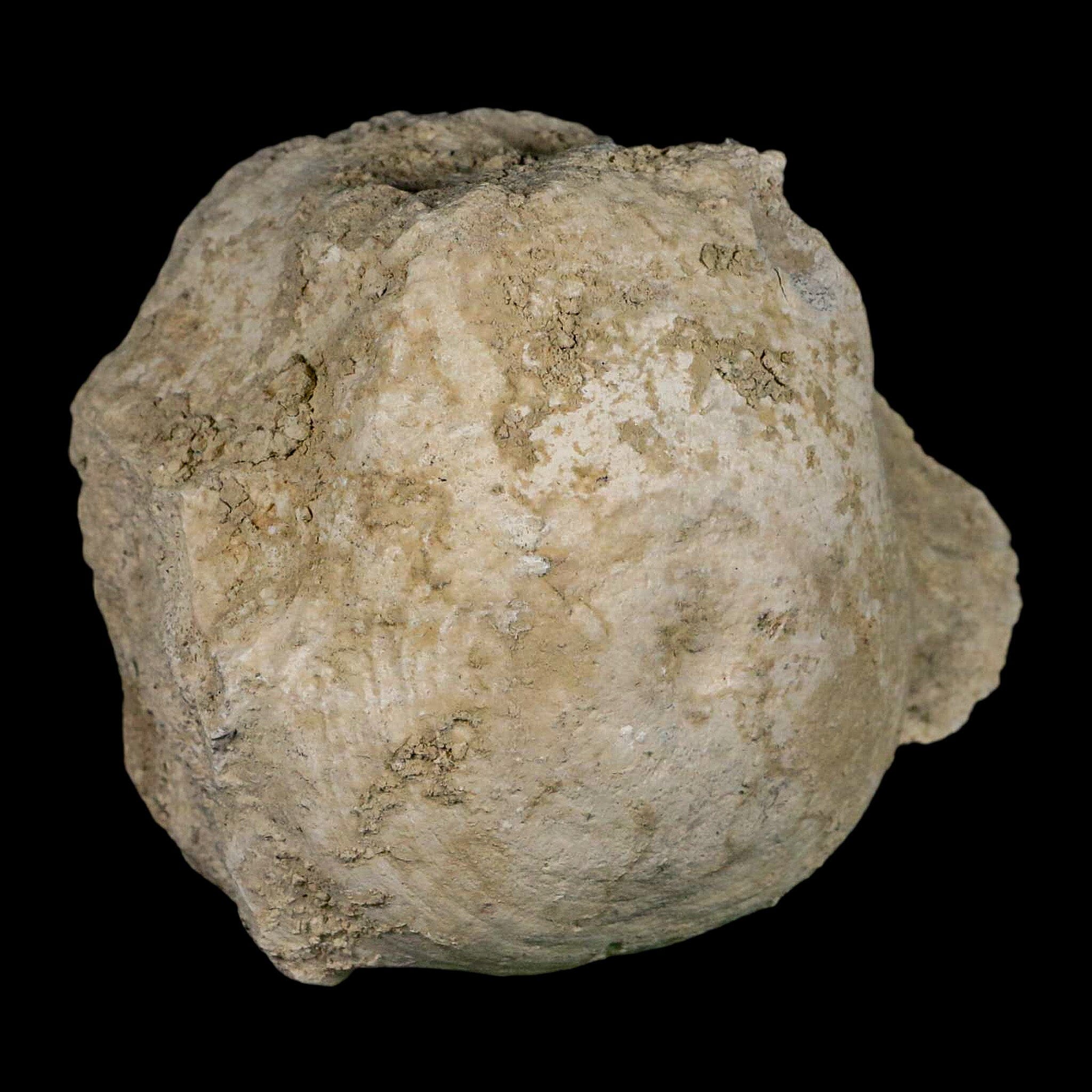
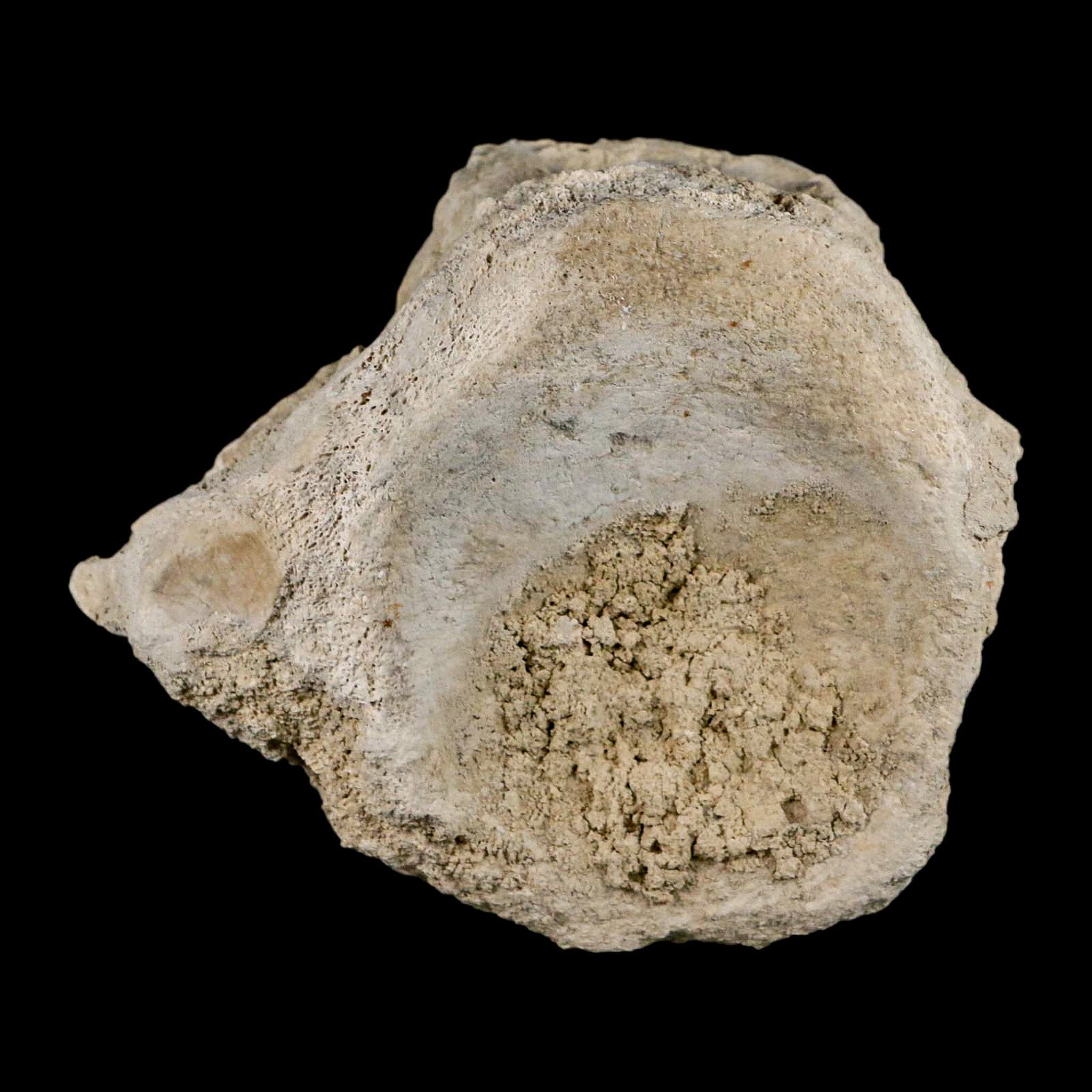
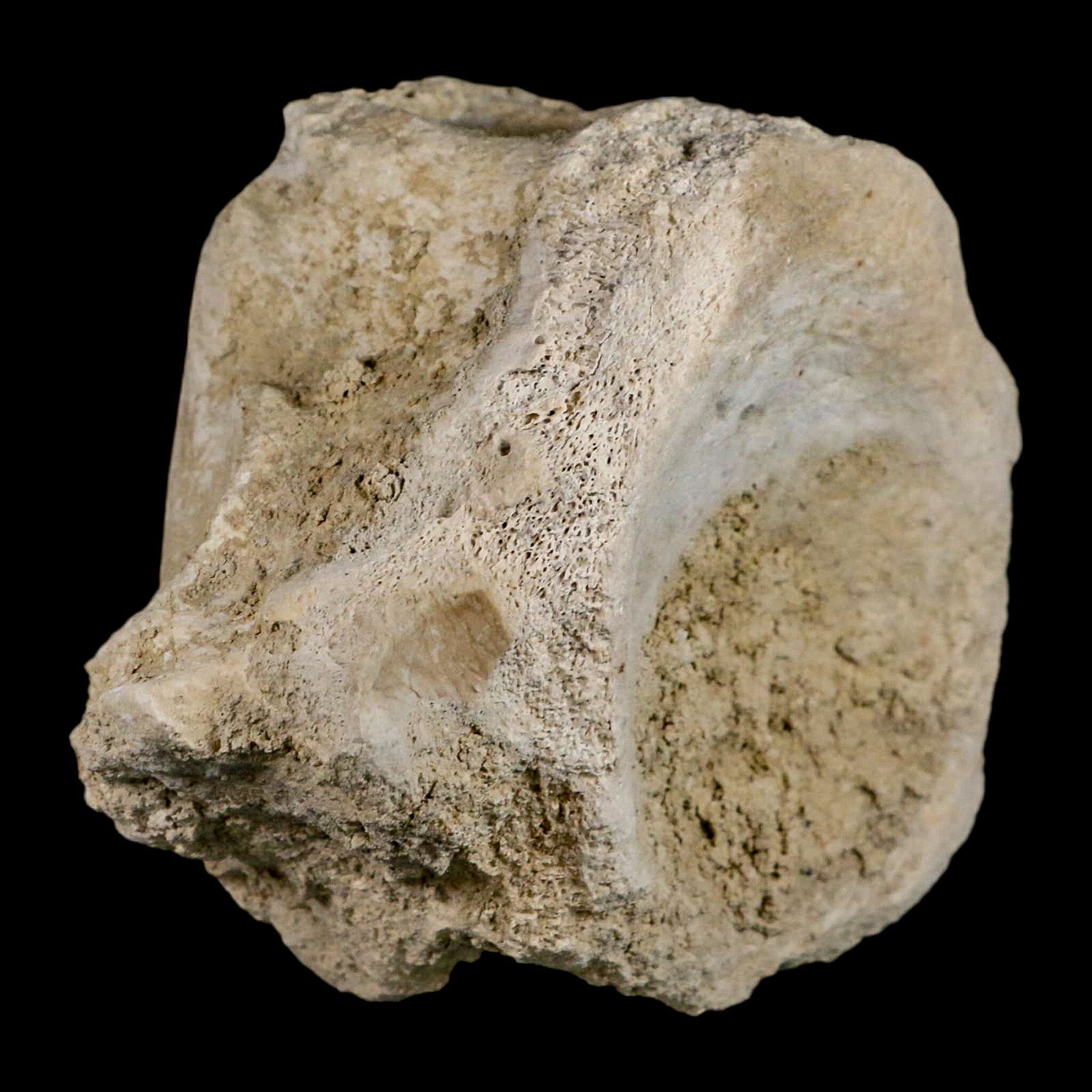
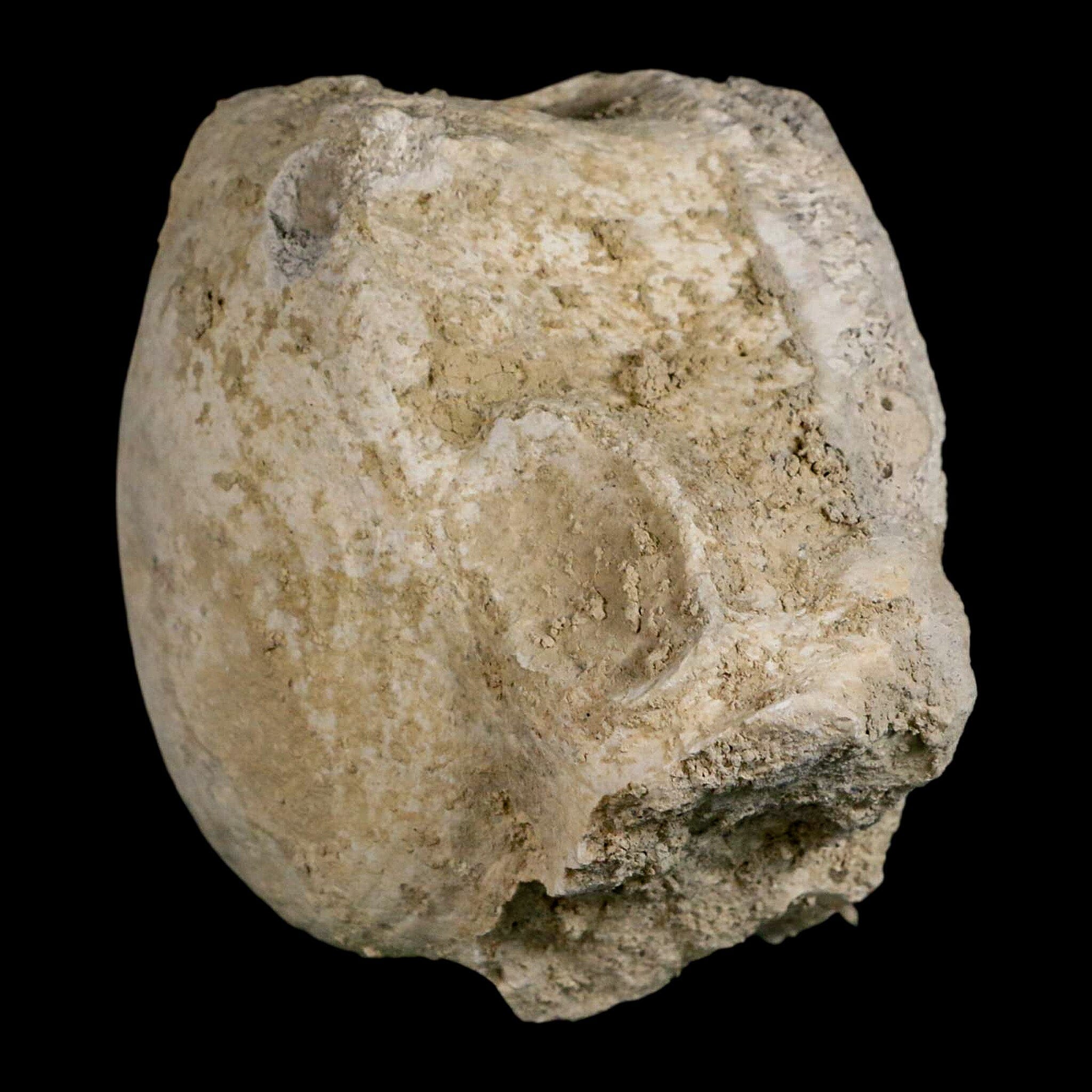
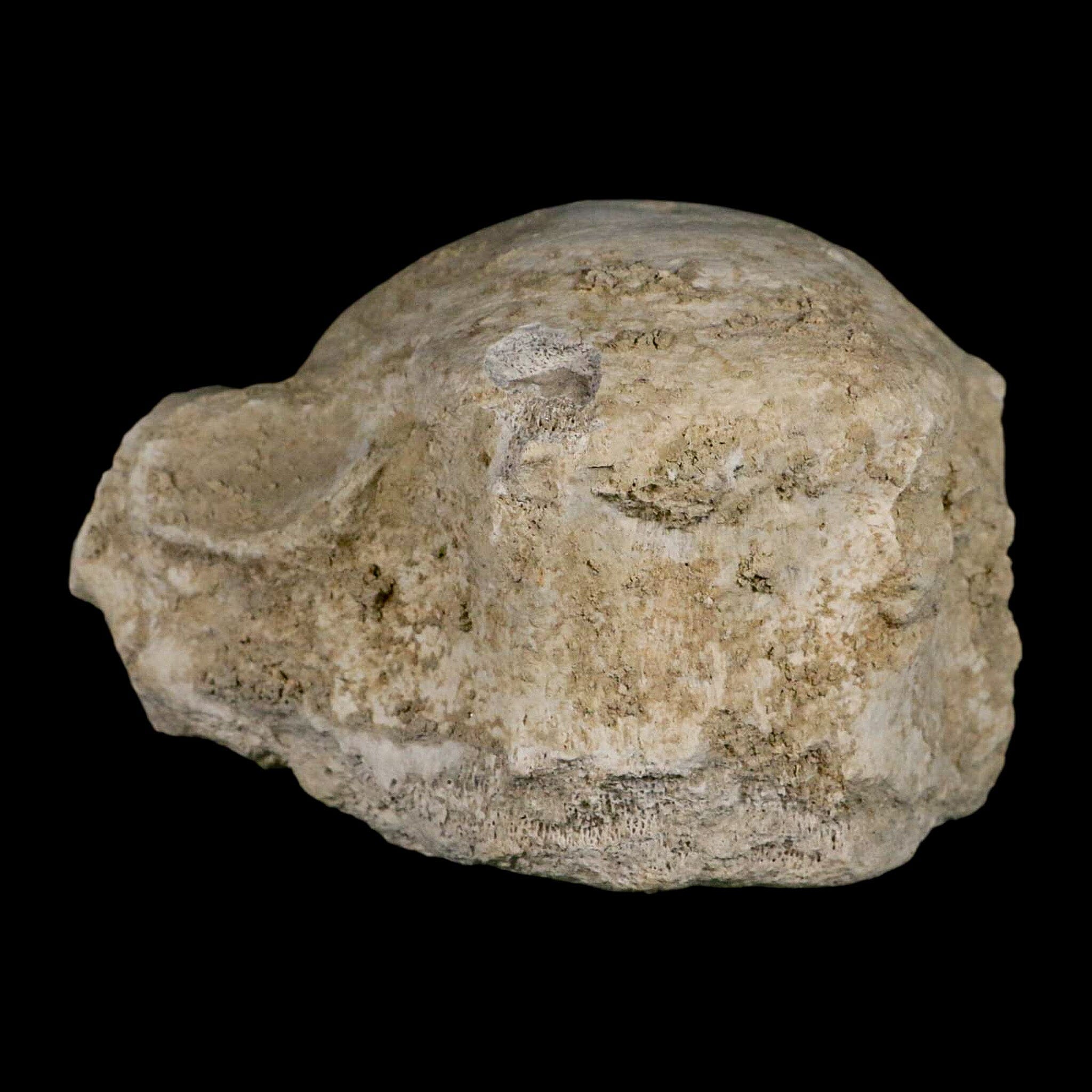


Description
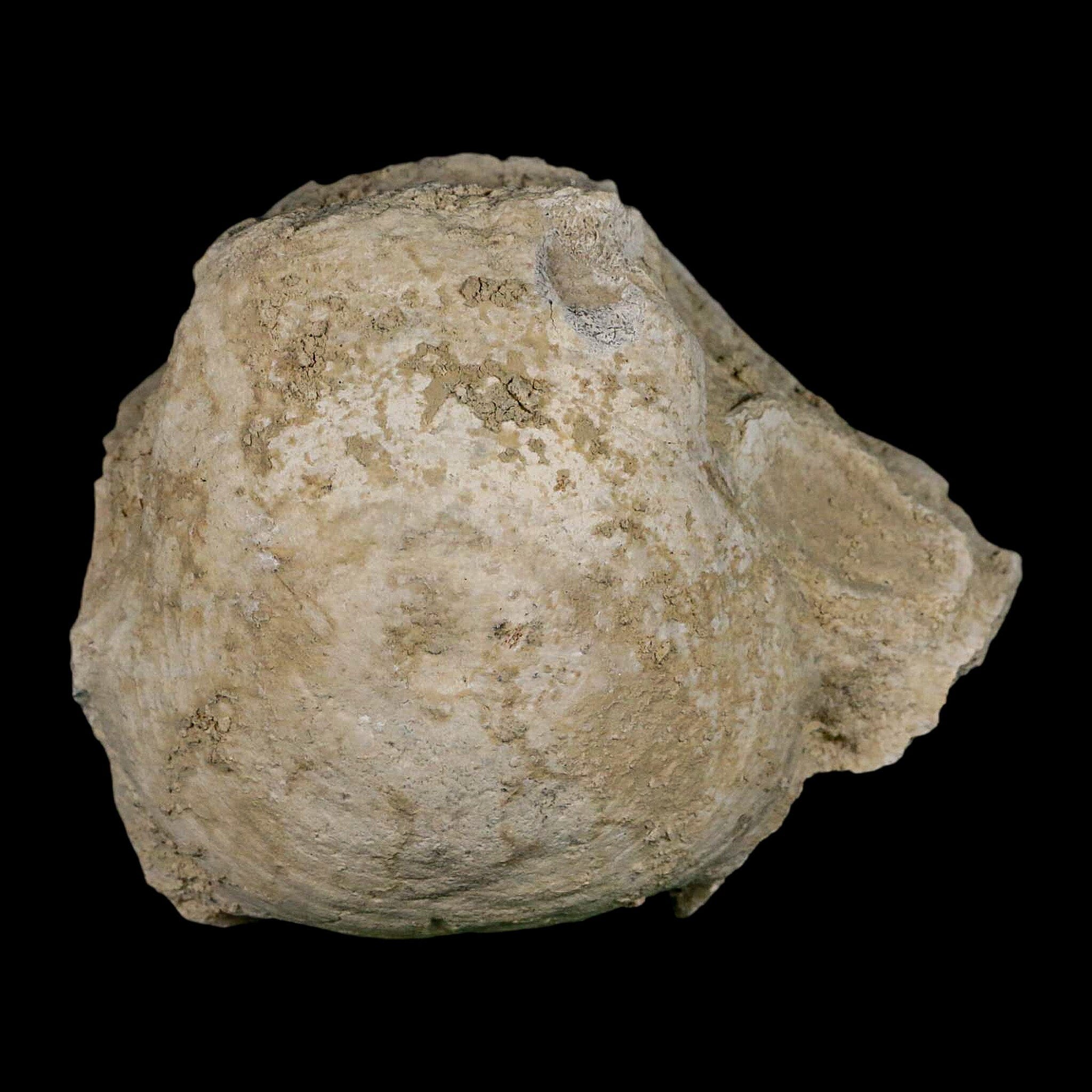
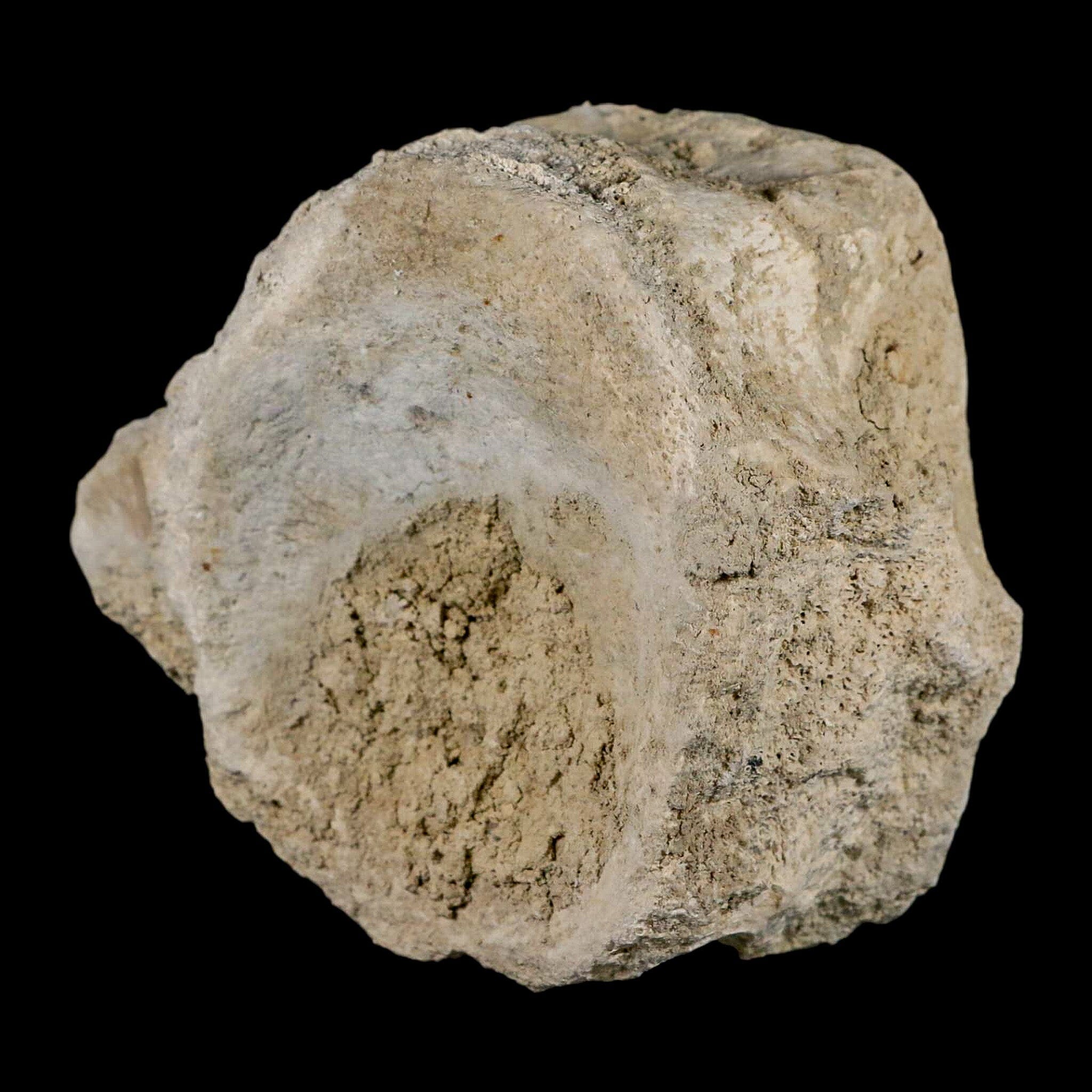
Location: White River Badlands, South Dakota
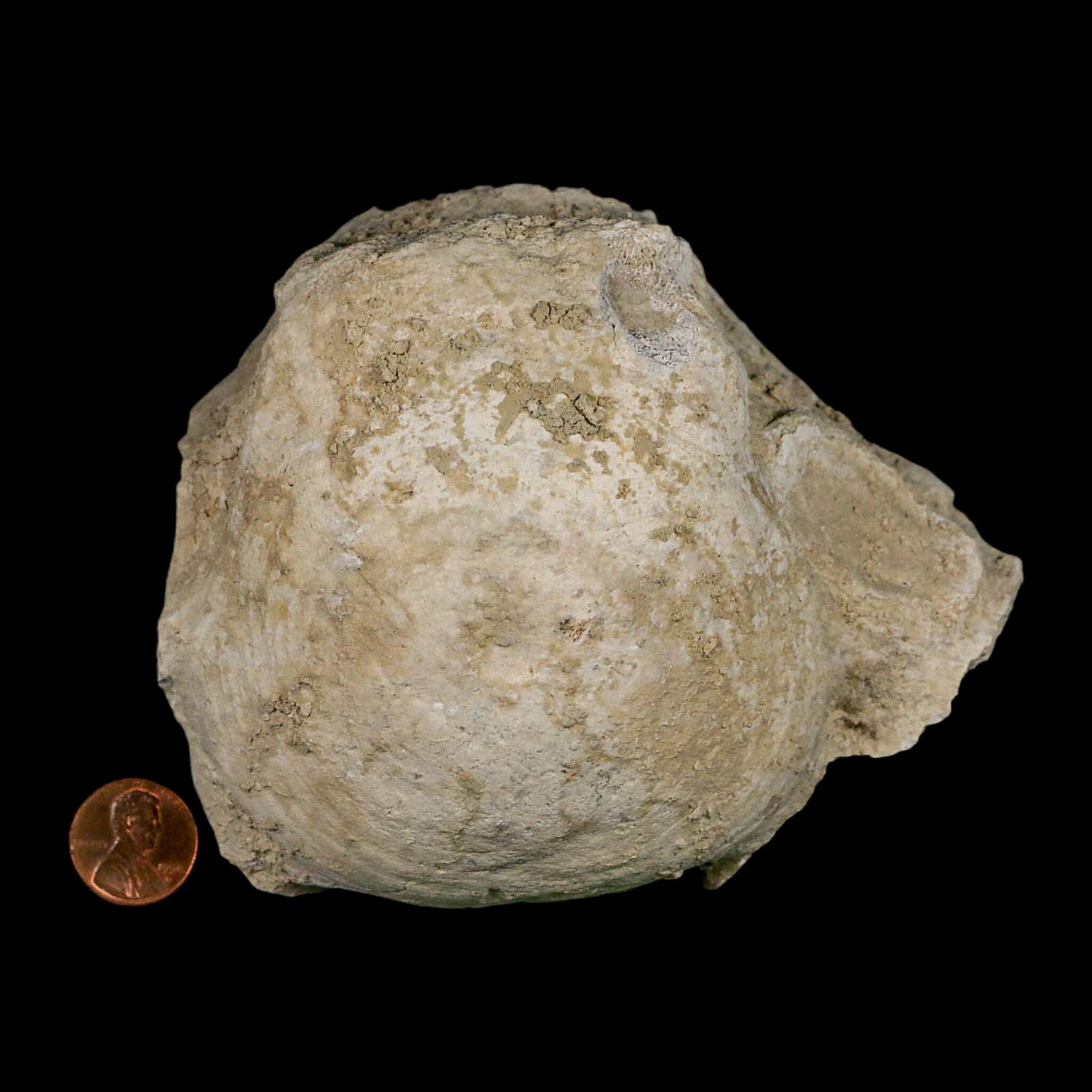
Weight: 2 Pounds 9.2 Ounces
Dimensions: 4.7 Inches Long, 4.1 Inches Wide, 3.1 Inches Thick (Matrix)
Eocene Age, 56 to 33.9 million years Old.
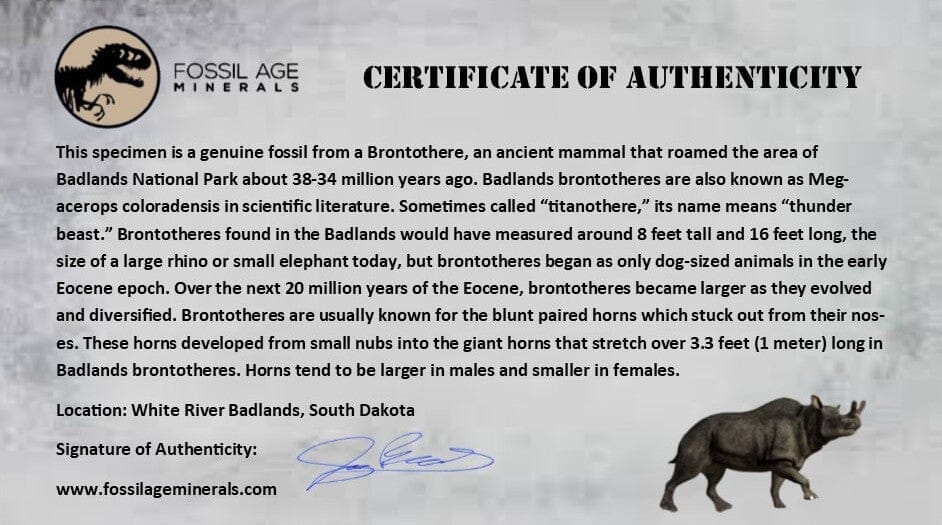
Comes with a Certificate of Authenticity.
The item pictured is the one you will receive.
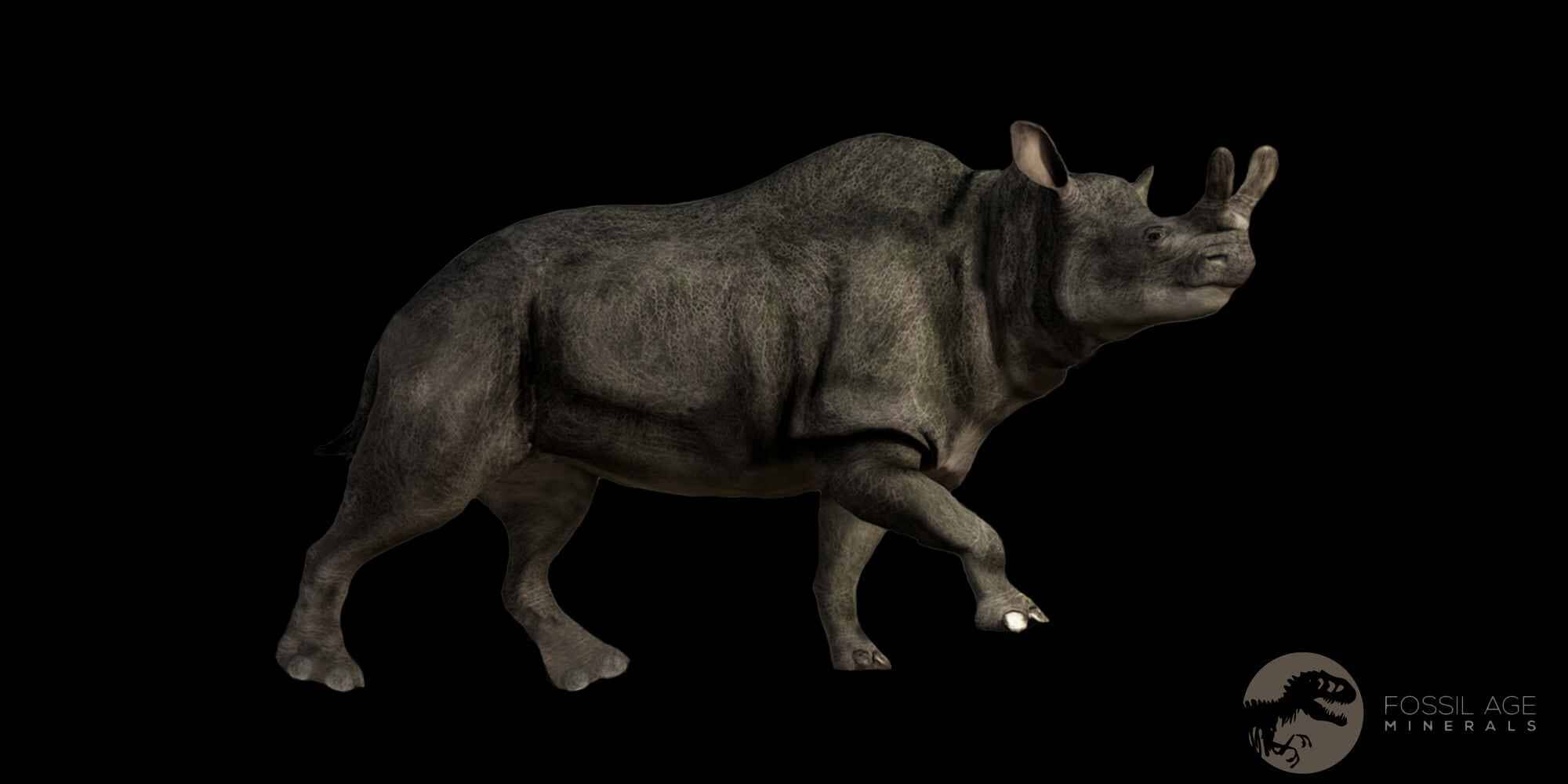
Brontothere is an ancient mammal that roamed the area of Badlands National Park about 56-33.9 million years ago. Badlands brontotheres are also known as Megacerops coloradensis in scientific literature. Sometimes called “titanothere,” its name means “thunder beast,” referring to how a traveling herd of massive brontotheres may have sounded long ago, thundering through ancient environments.
The evolutionary narrative of brontotheres exemplifies one of paleontology's most compelling transformations—a lineage that commenced as diminutive, dog-sized creatures during the early Eocene and culminated in colossal megafauna rivaling modern elephants and rhinoceroses. Spanning approximately 20 million years, this genus underwent progressive size augmentation and adaptive diversification, ultimately achieving the monumental proportions evident in Badlands specimens: 8 feet in stature and 16 feet in length. This vertebral fossil encapsulates the terminal phase of brontothere evolution, representing the zenith of their anatomical development before their Eocene extinction. The specimen illuminates the dynamic processes of mammalian gigantism and evolutionary specialization during the Paleogene period.
Brontotheres, massive herbivorous mammals from the Eocene epoch, are distinguished by their characteristic paired nasal protrusions—features that evolved from modest projections into formidable structures exceeding one meter in length among Badlands specimens. Sexual dimorphism is evident in horn development, with males displaying substantially larger formations than females. Despite superficial similarities to modern rhinoceroses, brontotheres represent a distinct lineage within Perissodactyla. Badlands fossil assemblages document the evolutionary progression alongside true rhino ancestors, including taxa like Subhyracodon, which directly preceded contemporary rhinoceros species. This vertebral specimen exemplifies the remarkable paleontological record preserved in South Dakota's Eocene deposits.
