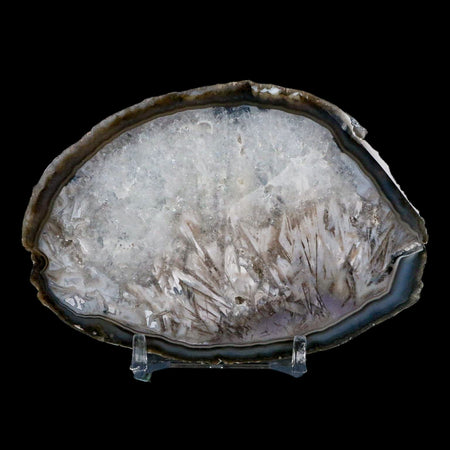
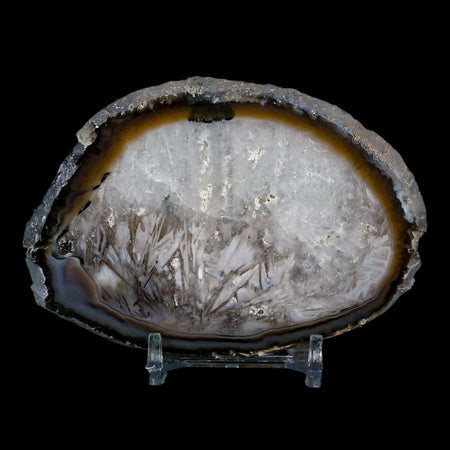
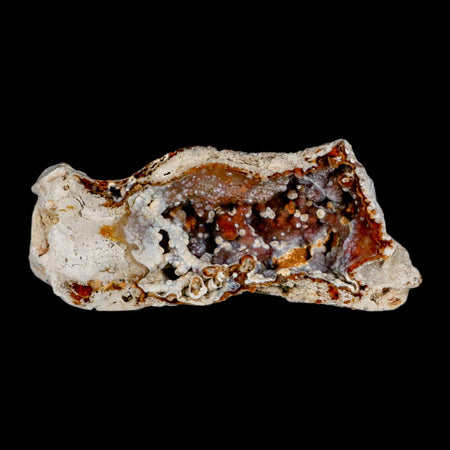
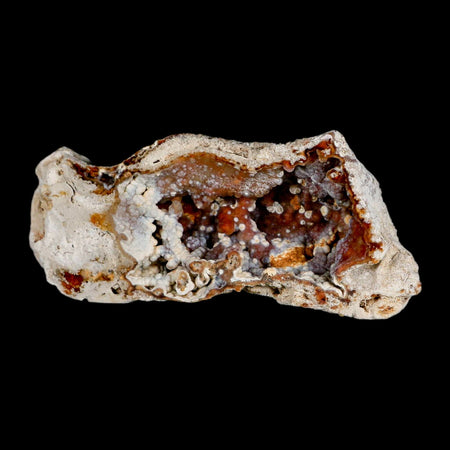
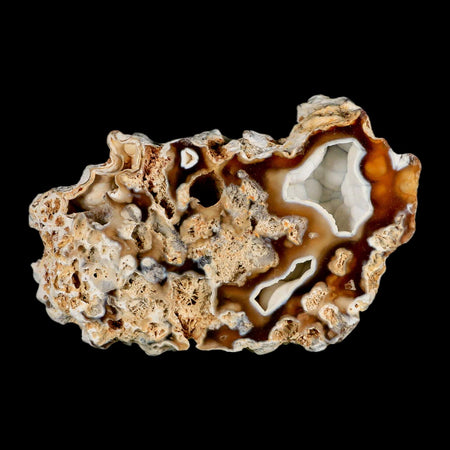
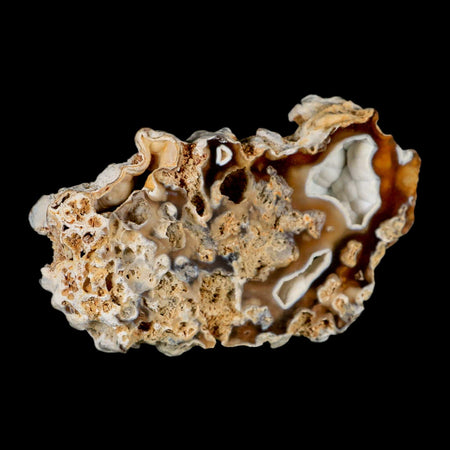
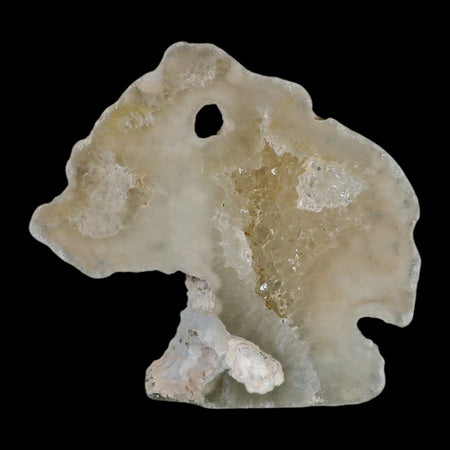
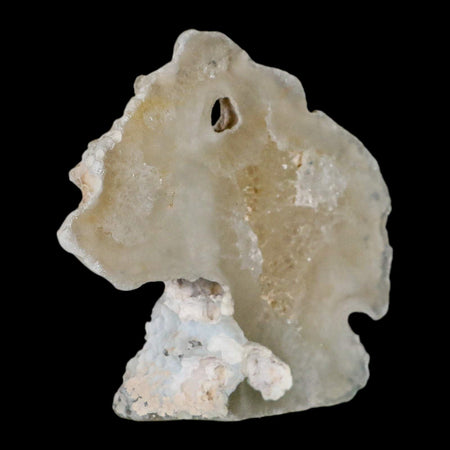
4.5" Agatized Coral Fossil Oligocene and Miocene Epochs Tampa Bay Florida
Location: Tampa Bay, Florida, United States
Weight: 4.3 Ounces
Dimensions: 4.5 Inches Long, 3.5 Inches Wide, 1.2 Inches Thick
The item pictured is the one you will receive.
Oligocene and Miocene epochs, 34 million to 5.5 million years old
Agatized Coral, particularly found in the Tampa Bay region, is a fossilized form of coral in which the original calcium carbonate skeleton has been gradually replaced by silica, primarily in the form of chalcedony, a microcrystalline variety of quartz. This transformation occurs through a geological process called permineralization or replacement, taking place over millions of years. During this process, silica permeates the porous coral structure, preserving the intricate details of the ancient organism, including its septa and corallites.
The resulting agatized coral combines the delicate architecture of the original coral with the hardness and durability of quartz, making it highly prized for lapidary work, jewelry, and collectible specimens.
The formation of agatized coral in the Tampa Bay region is closely tied to unique geological conditions. During the Oligocene and Miocene epochs, much of Florida was submerged under shallow marine waters, which supported extensive coral reefs. Over time, changes in sea level and geological uplift exposed these ancient reefs to terrestrial environments. Groundwater rich in dissolved silica then percolated through the coral, gradually replacing the original organic material with silica.
The process often incorporates iron oxides and other trace minerals within the silica, resulting in a variety of colors in agatized coral, including white, gray, brown, red, and black. This combination of intricate coral structure and vibrant coloration makes Tampa Bay agatized coral highly prized for lapidary and collector purposes.
The term "agatized" refers to the banded or concentric patterns often observed within the chalcedony, similar to those found in agate. These patterns can arise from variations in the silica deposition or from the preservation of original growth layers within the coral. While commonly referred to as "agatized coral," it is technically a pseudomorph, where one mineral has replaced another while retaining the original form. The Tampa Bay area is particularly renowned for its agatized coral specimens, which are often collected from fossiliferous limestone formations and riverbeds in the region.