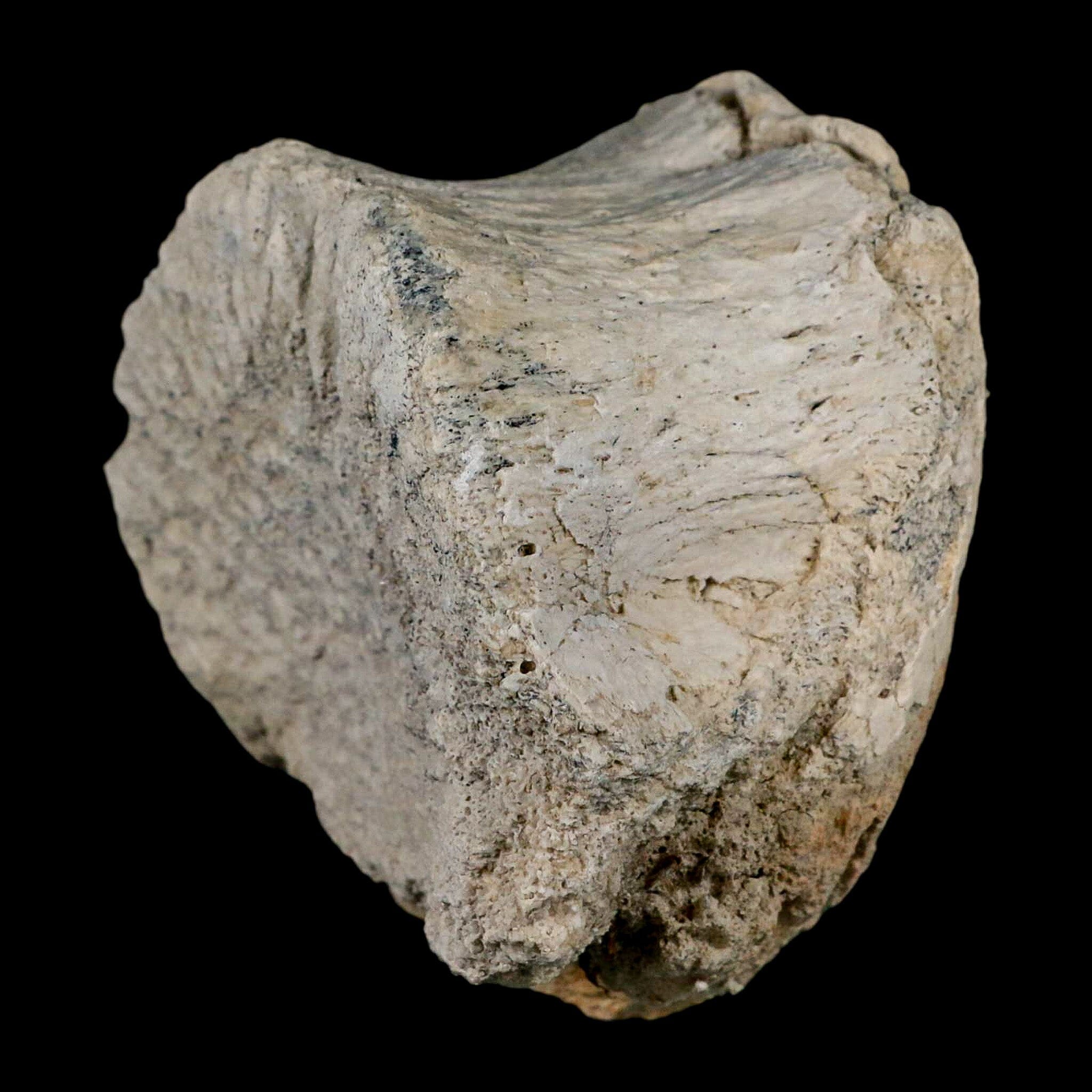
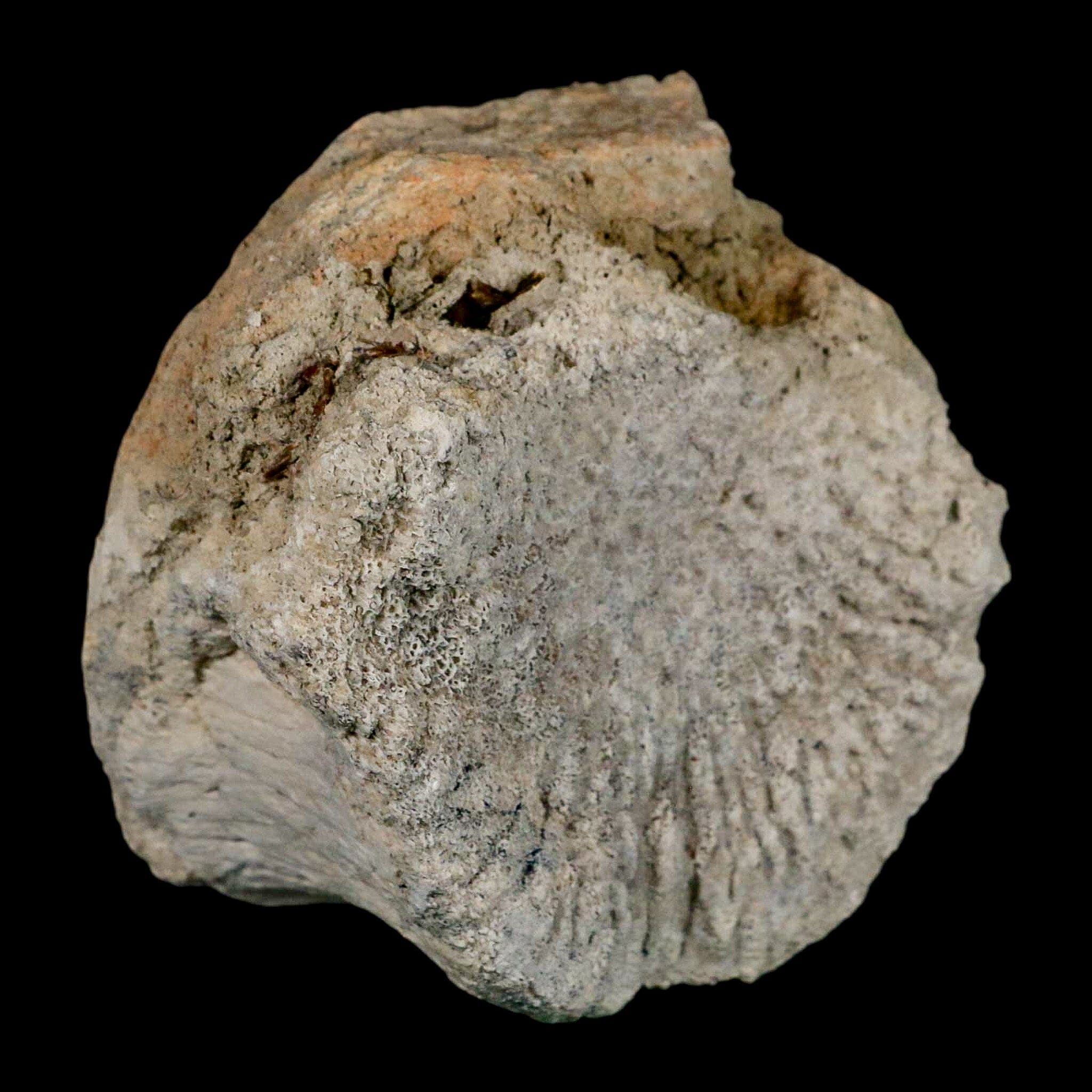
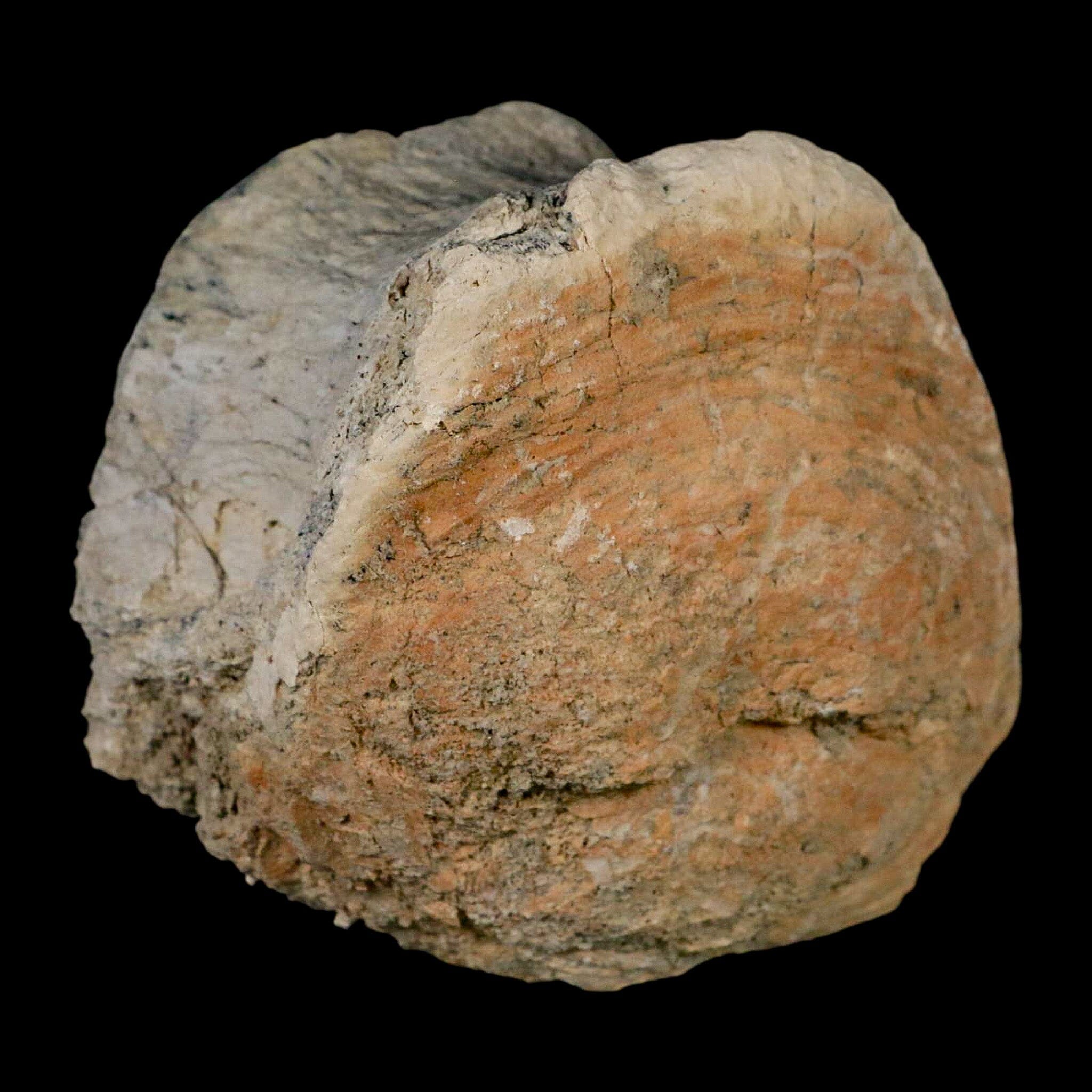
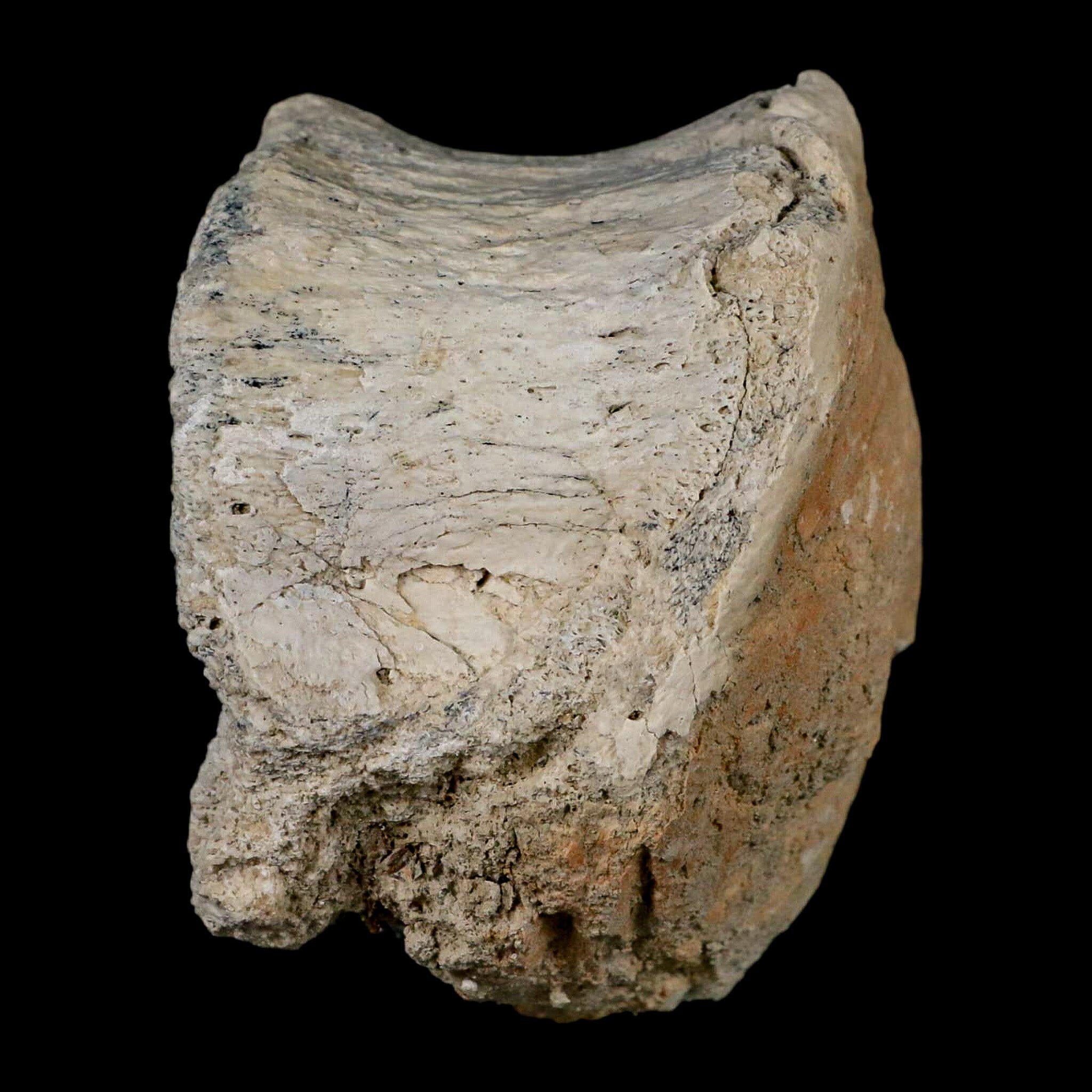
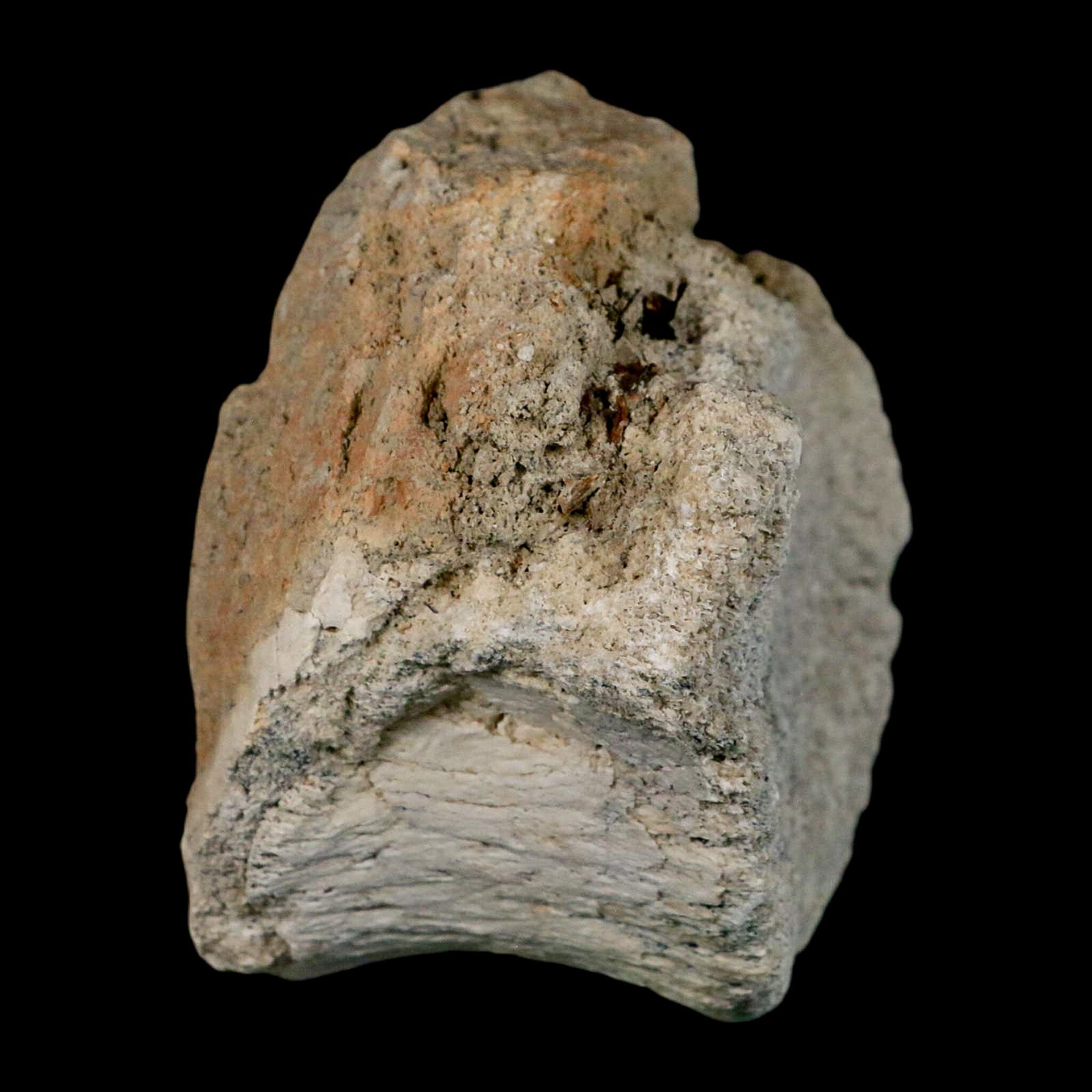


Description
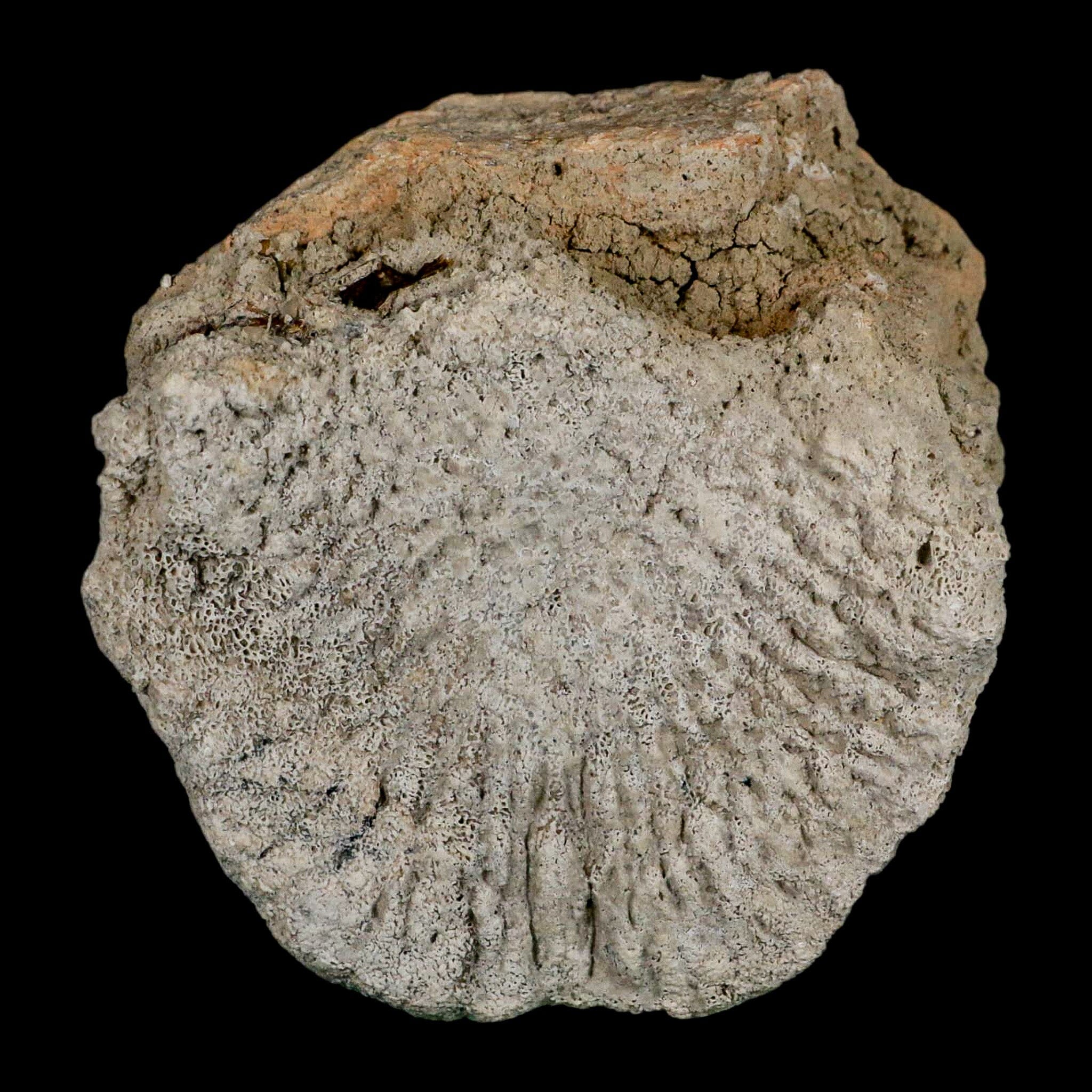
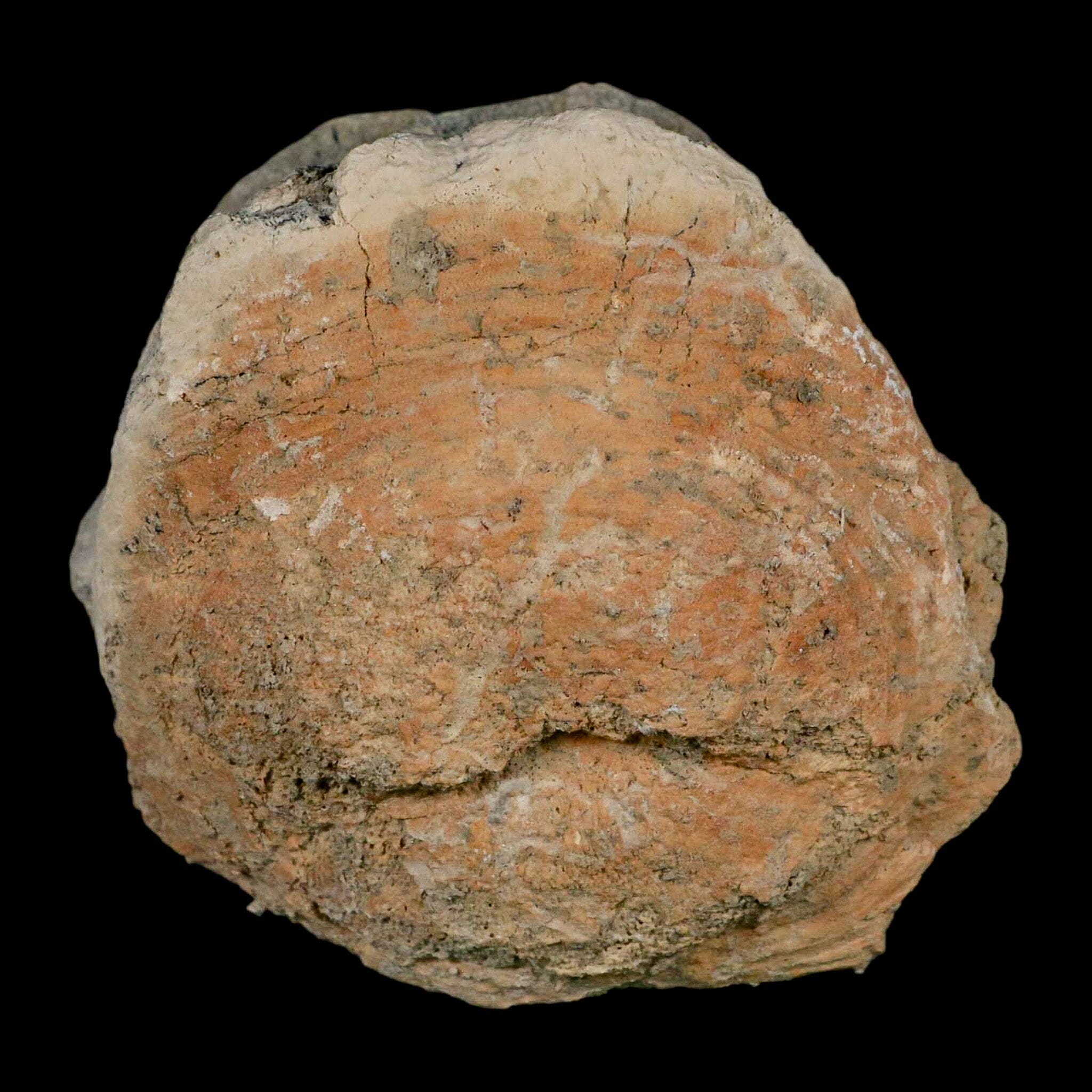
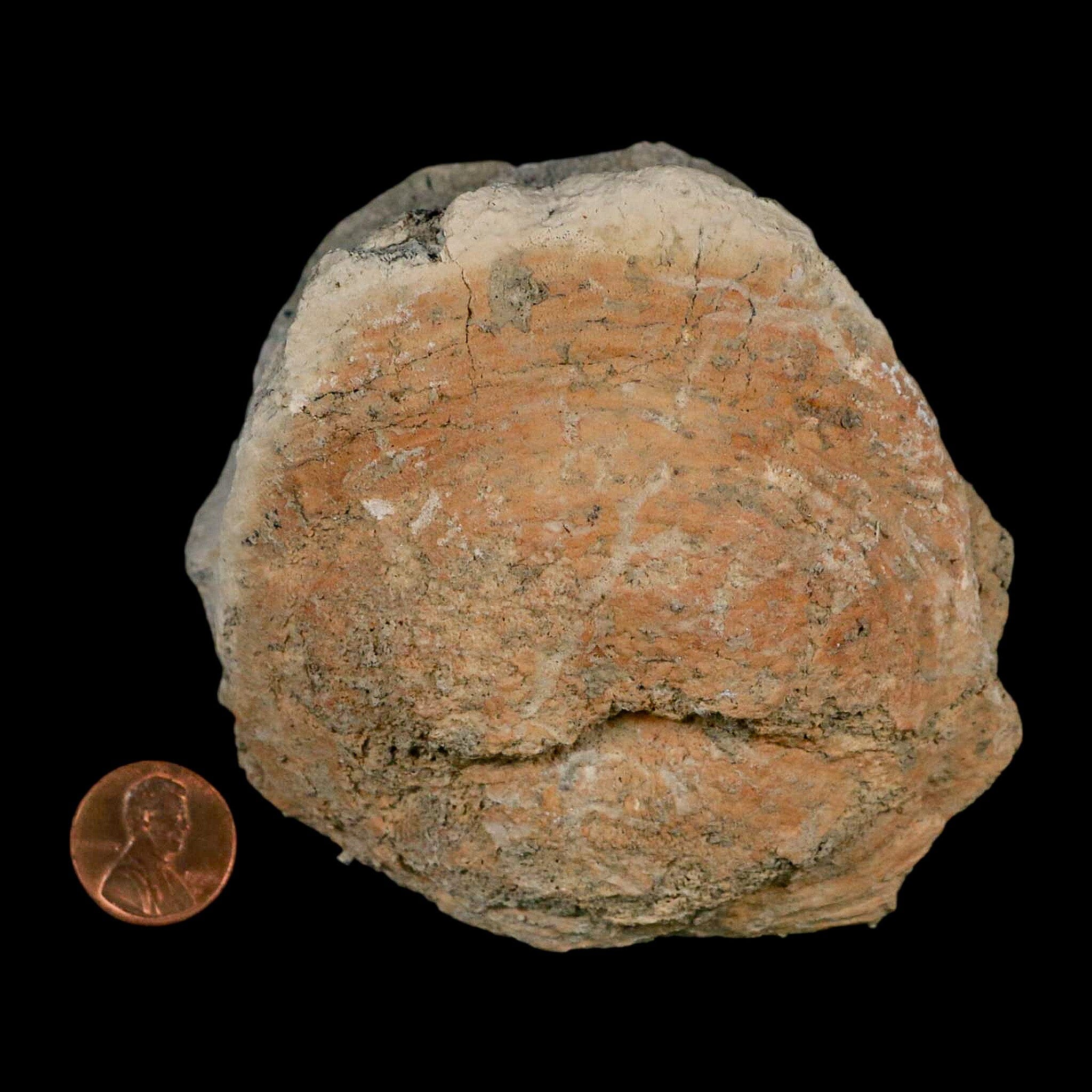
Location: White River Badlands, South Dakota
Weight: 1 Pound 8.4 Ounces
Dimensions: 3.6 Inches Long, 3.6 Inches Wide, 2.5 Inches Thick (Matrix)
Eocene Age, 56 to 33.9 million years Old.
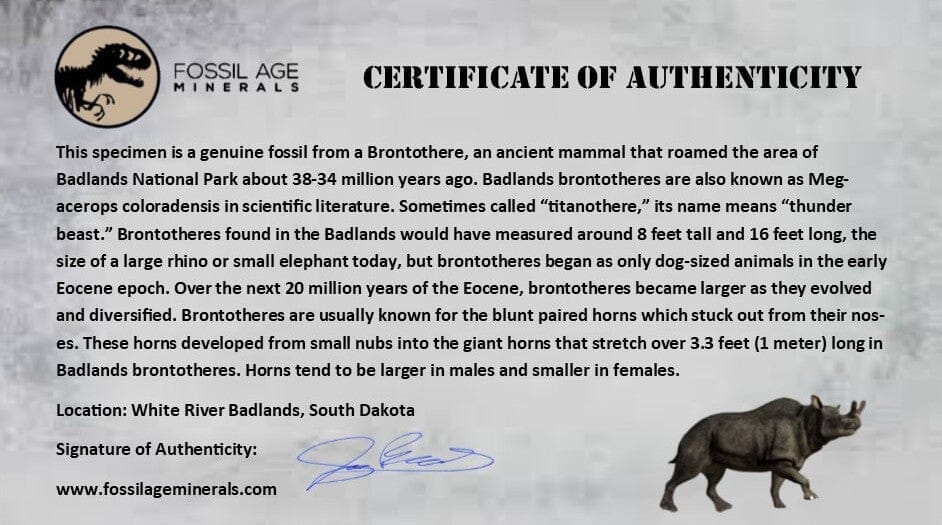
Comes with a Certificate of Authenticity.
The item pictured is the one you will receive.
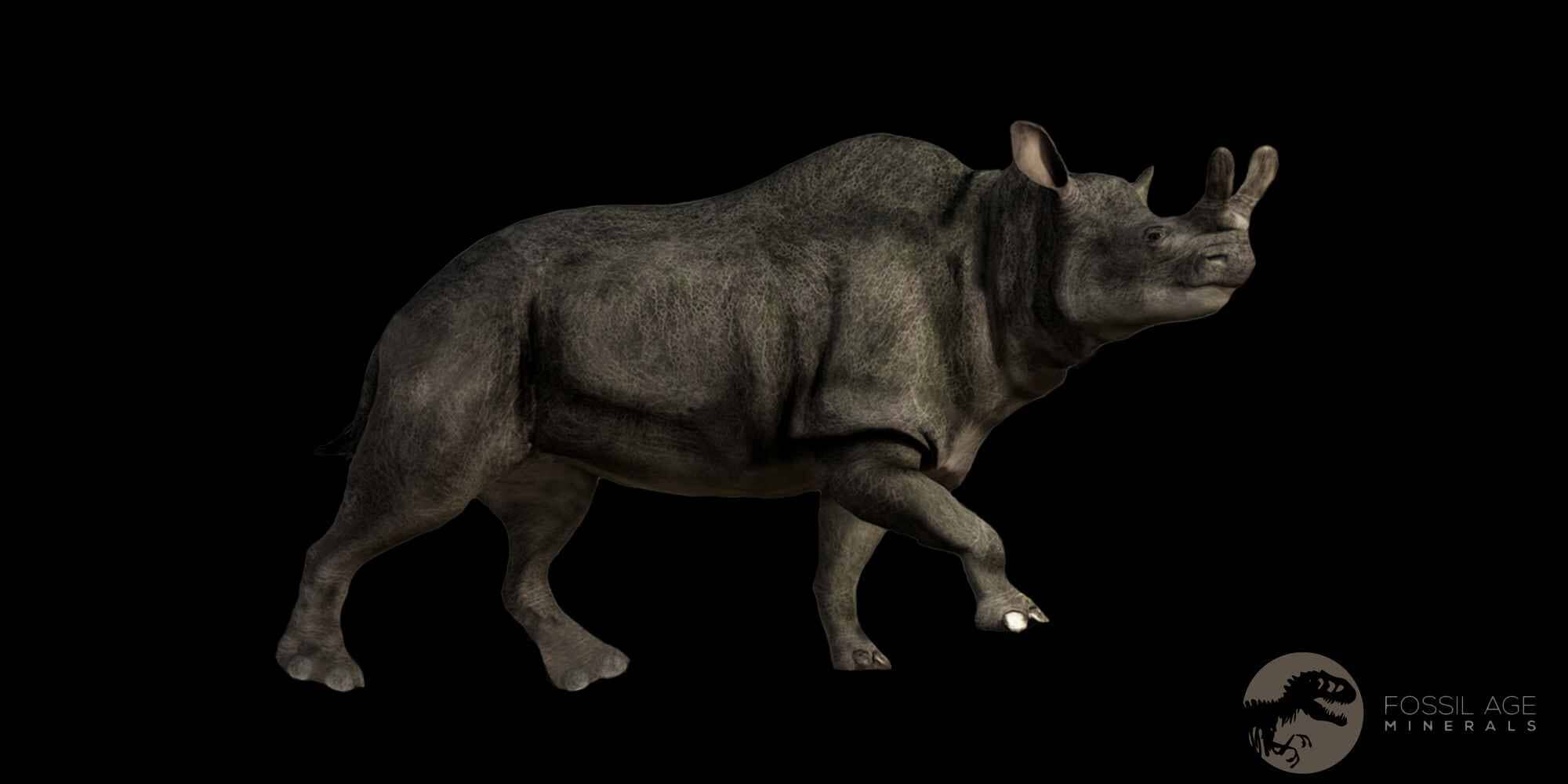
Brontotheres thundered across the Badlands between 56 and 33.9 million years ago, leaving an indelible mark on Earth's mammalian legacy. Known scientifically as Megacerops coloradensis, these titans earned their fearsome nickname "titanothere"—literally "thunder beast"—a name born from the deafening roar of massive herds charging through prehistoric landscapes. Imagine the ground trembling beneath their weight, the air splitting with their collective force as they carved their dominance across ancient terrain. These weren't passive inhabitants; they were nature's most audacious statement of power.
Brontotheres embody one of nature's most spectacular size transformations. These remarkable creatures started their Eocene journey as diminutive, dog-sized animals before embarking on an extraordinary evolutionary adventure. Across 20 million years of relentless adaptation and diversification, they exploded into massive powerhouses—reaching the staggering proportions of modern rhinos and elephants, standing 8 feet tall and stretching 16 feet long. The Badlands fossils capture this breathtaking metamorphosis, revealing how boldly life can reinvent itself through deep time.
Brontotheres command attention with their iconic paired nasal horns—formidable weapons that evolved from modest protrusions into massive structures exceeding 3.3 feet in length. Sexual dimorphism defined these creatures, with males flaunting considerably larger horns than females, creating a striking visual hierarchy within herds. While their horn morphology invites comparisons to modern rhinos, brontotheres chart their own evolutionary path, though they share ancestry with contemporary rhinocerids. The Badlands fossil record reveals this lineage's complexity, preserving transitional forms like Subhyracodon—direct ancestors bridging ancient titans to today's rhino family members.
