
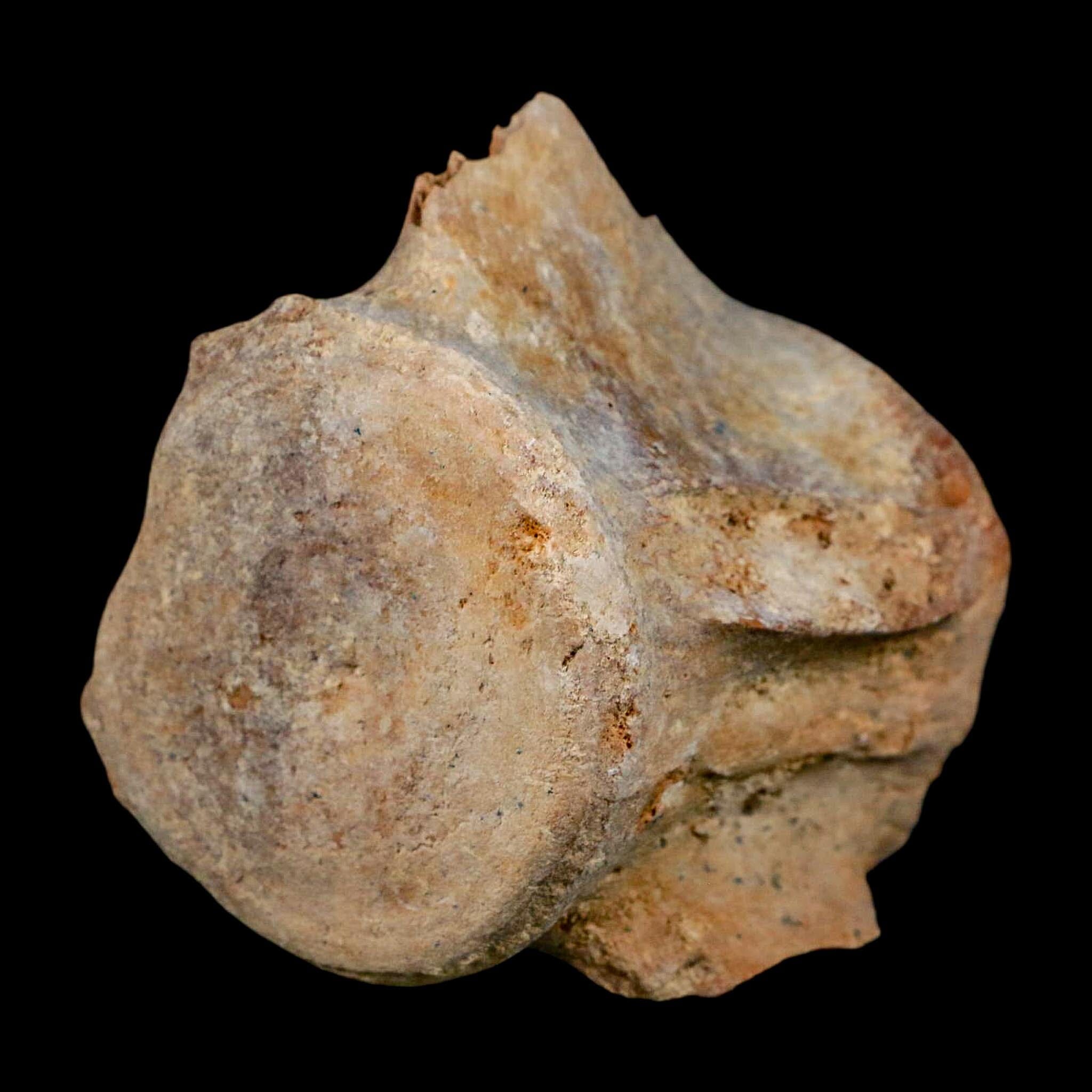
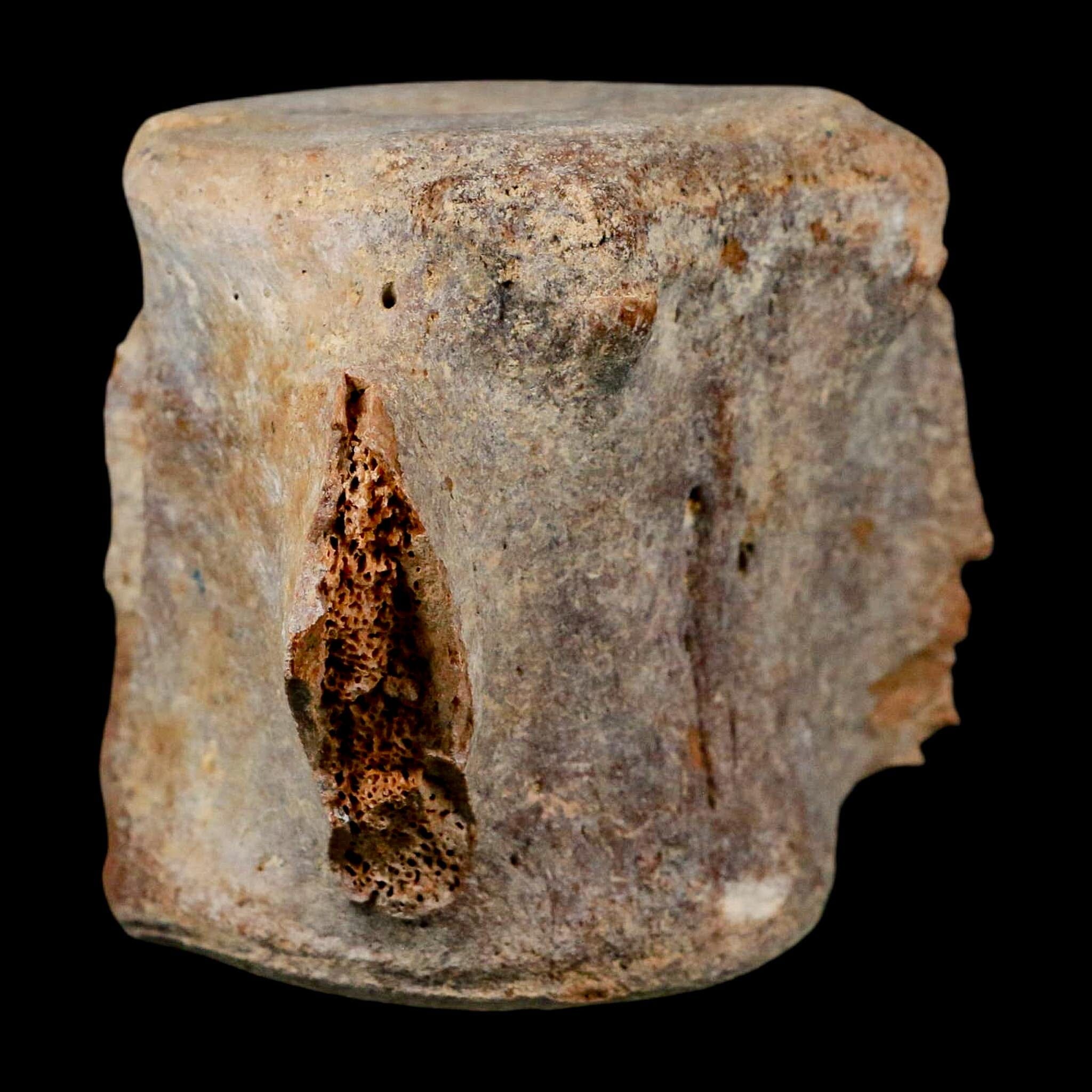
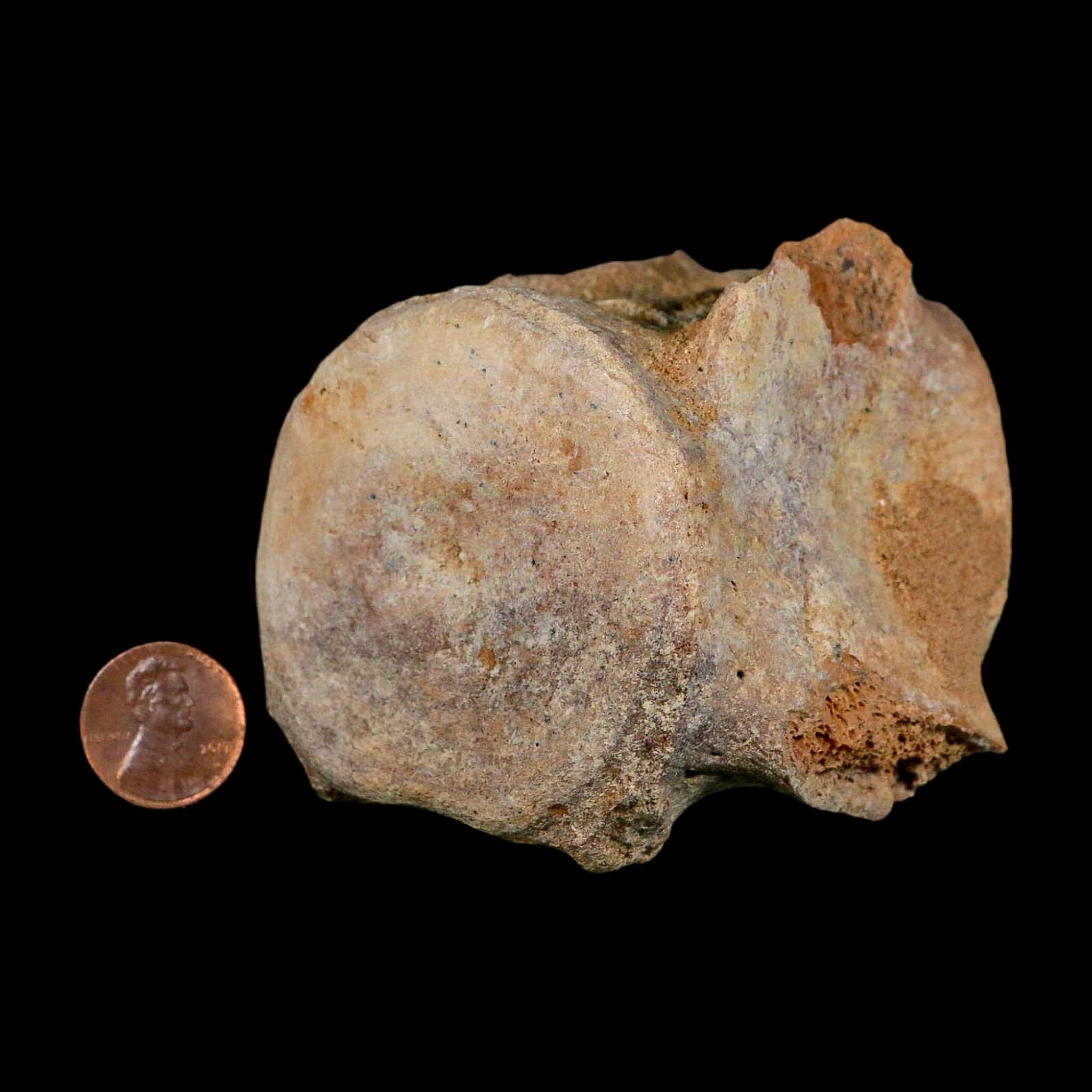
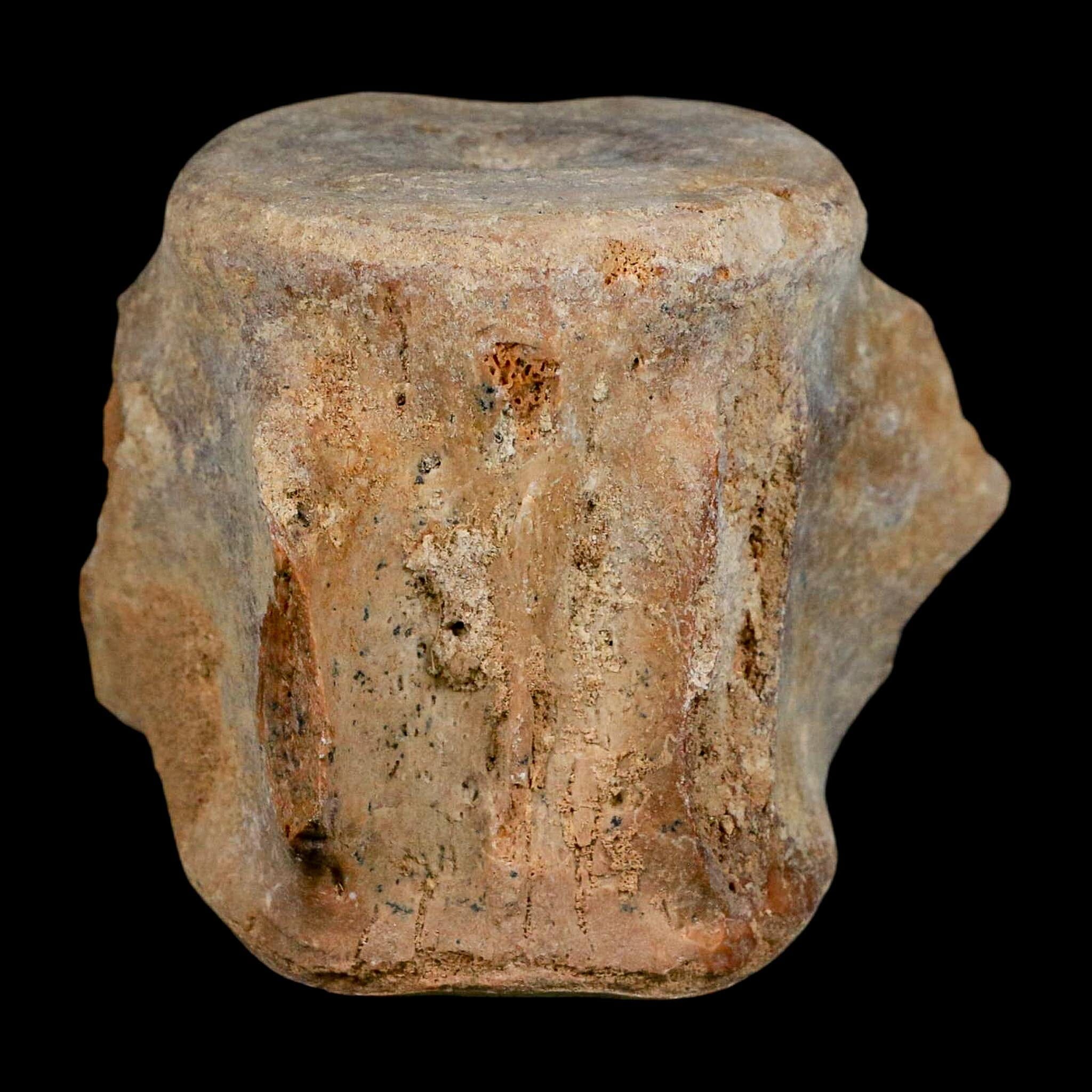
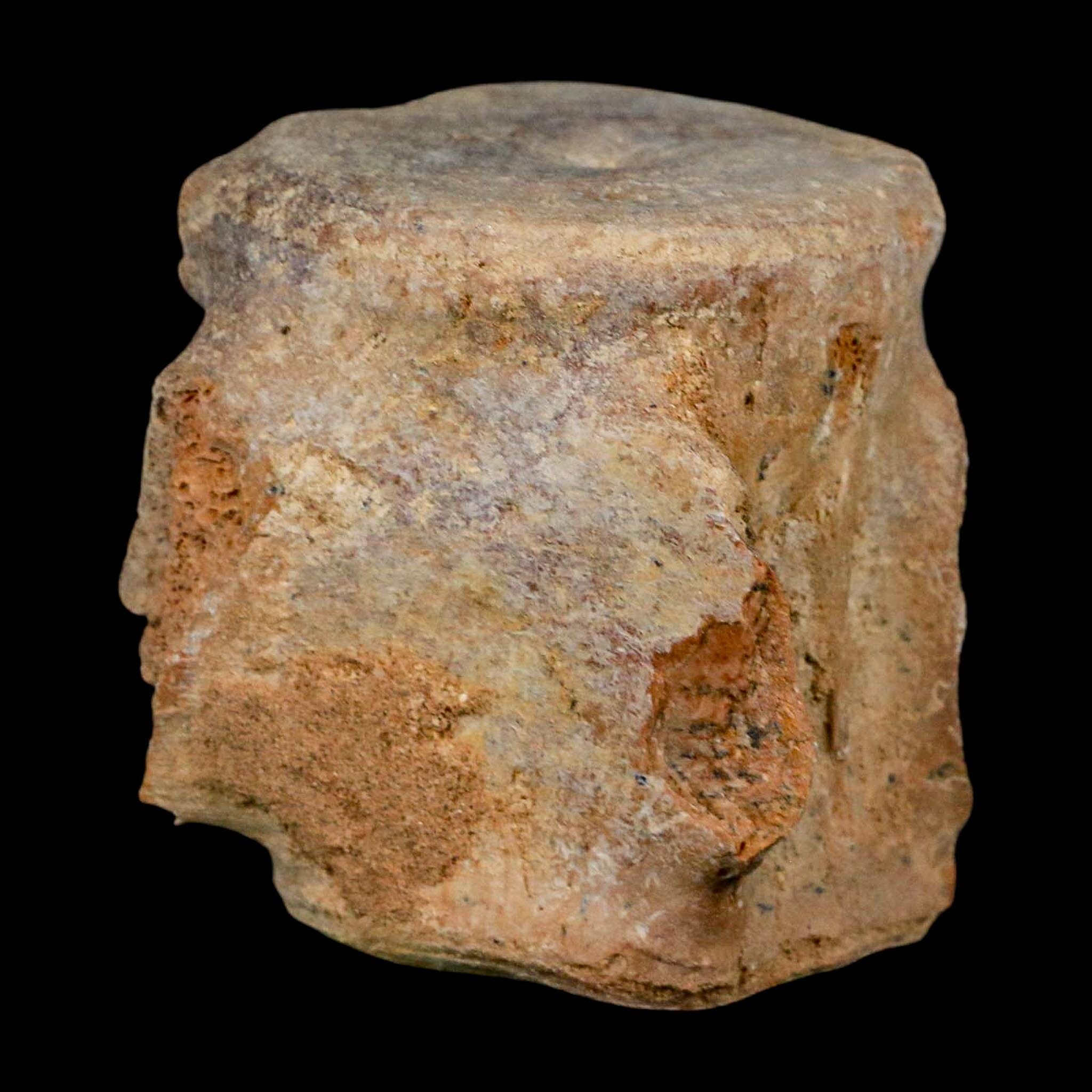
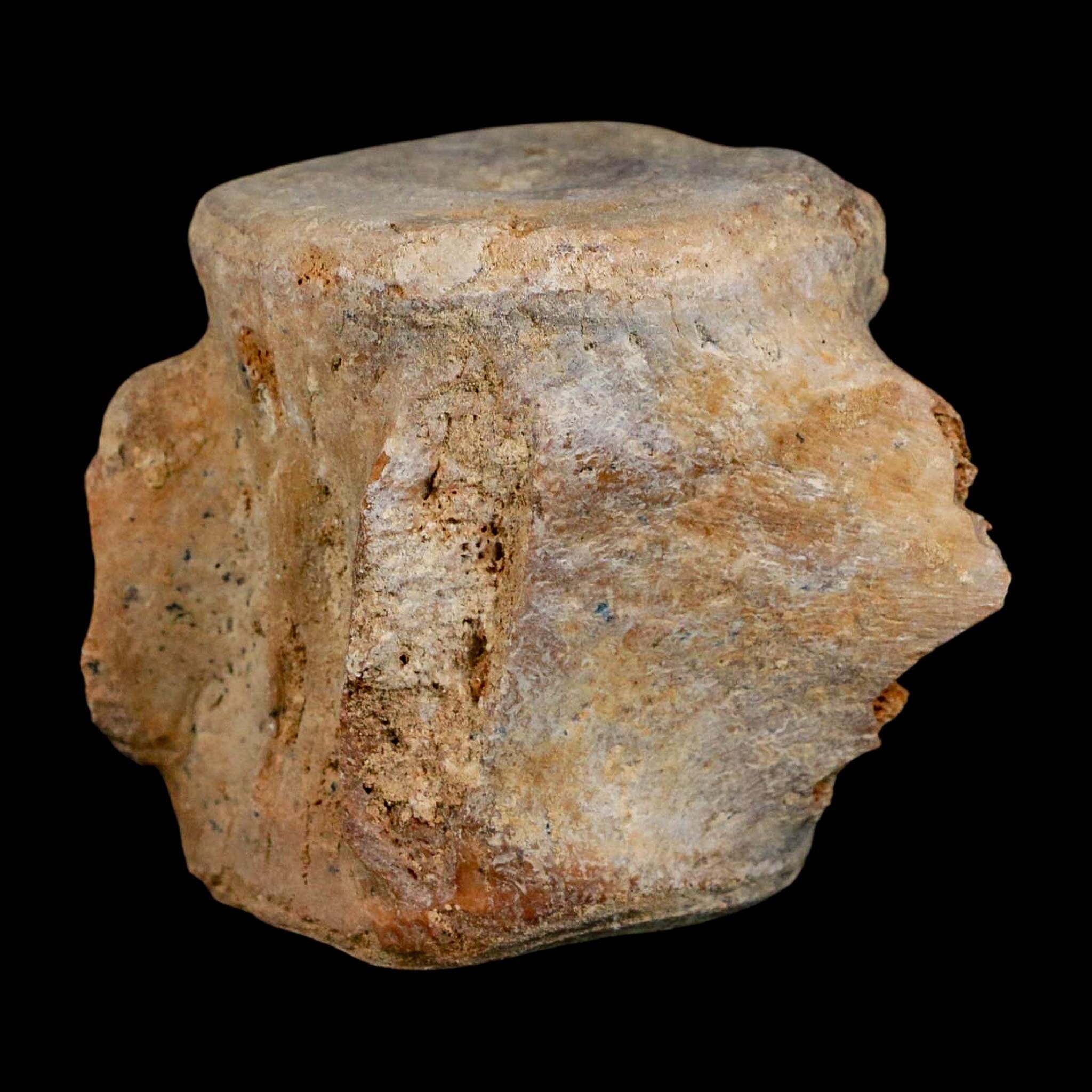
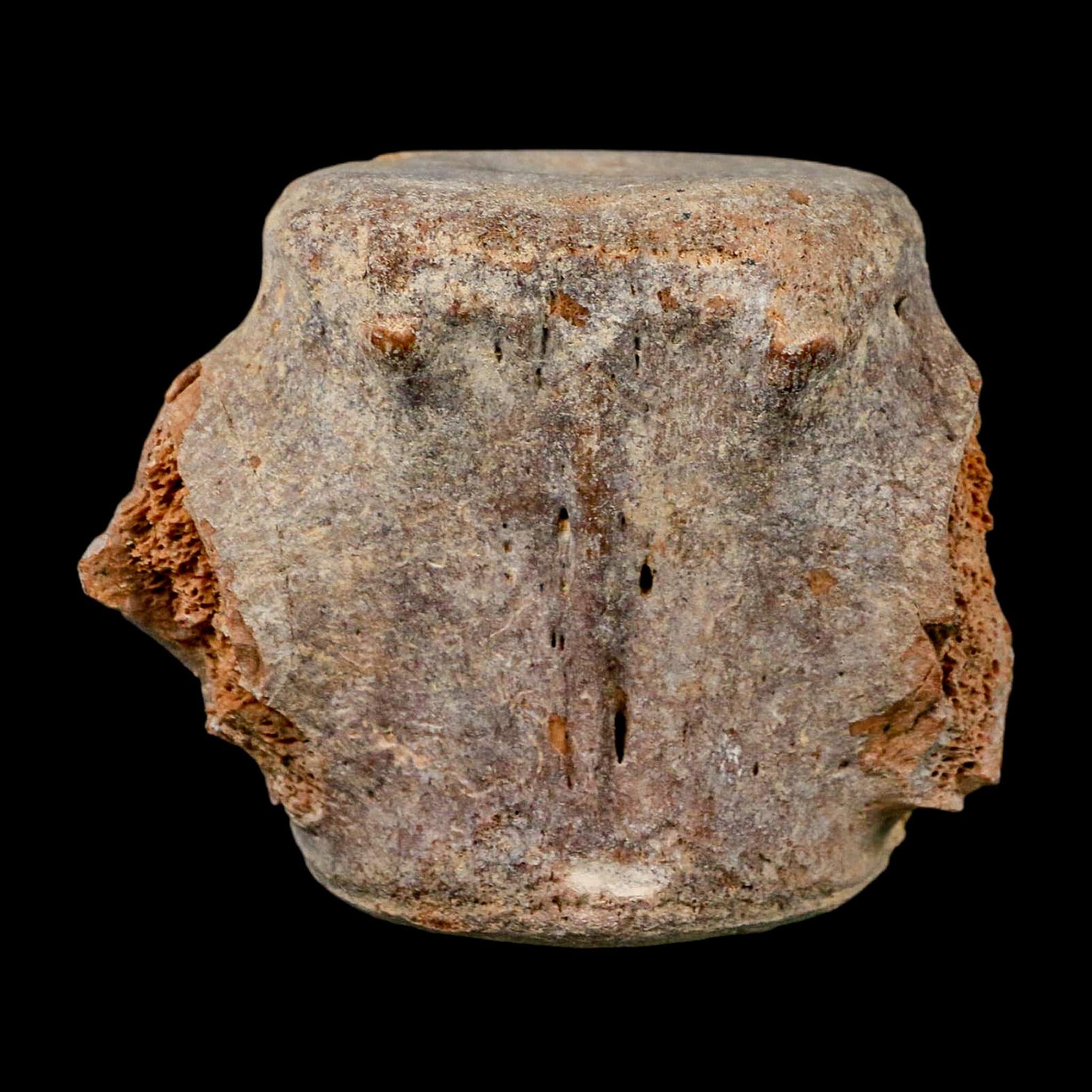
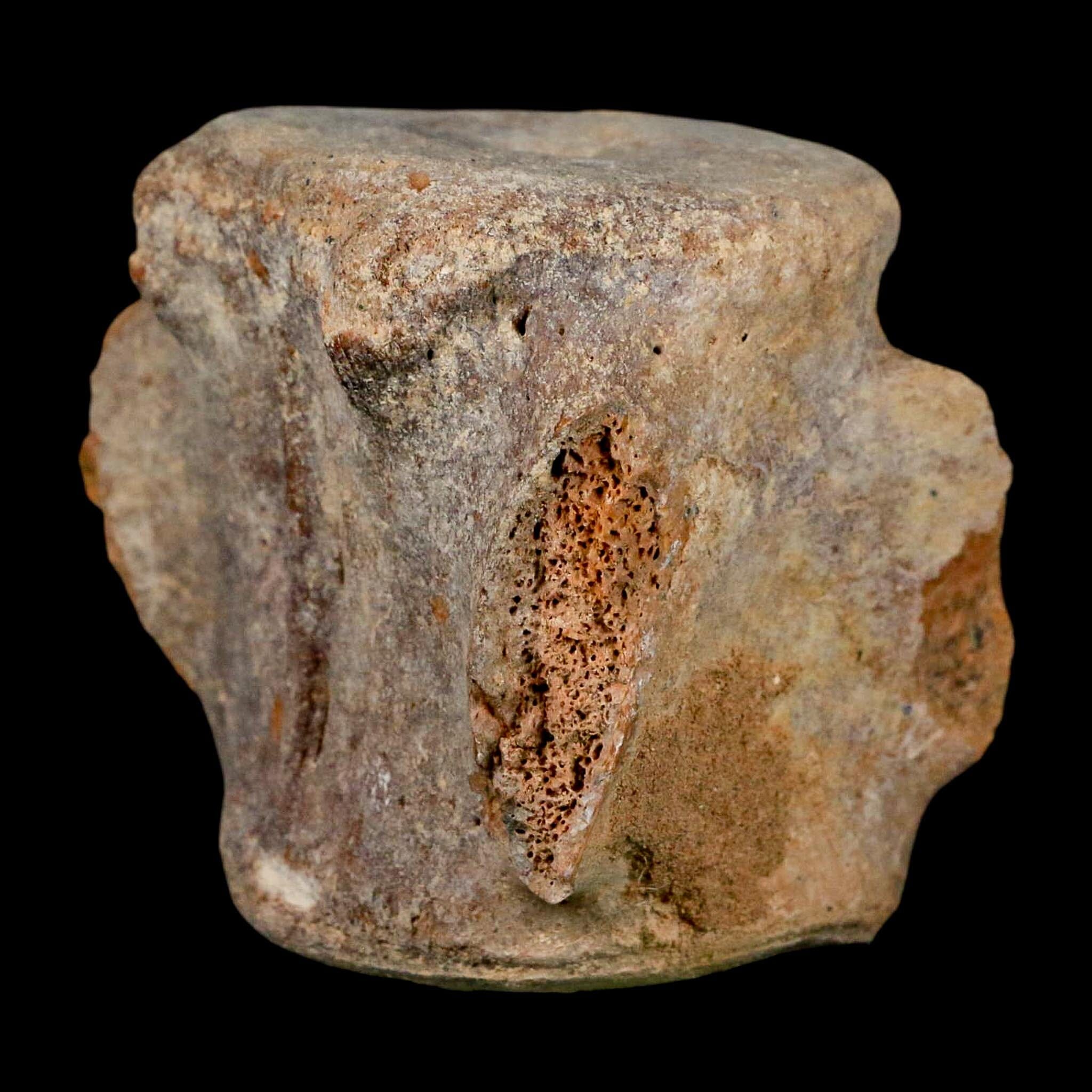


Description
Location: Dakhla, Western Sahara, South Morocco
Weight: 9.1 Ounces
Dimensions: 3.4 Inches Long, 2.7 Inches Wide, 2.6 Inches Thick (Matrix)
Comes with a Certificate of Authenticity.
The item picture is the one you will receive.
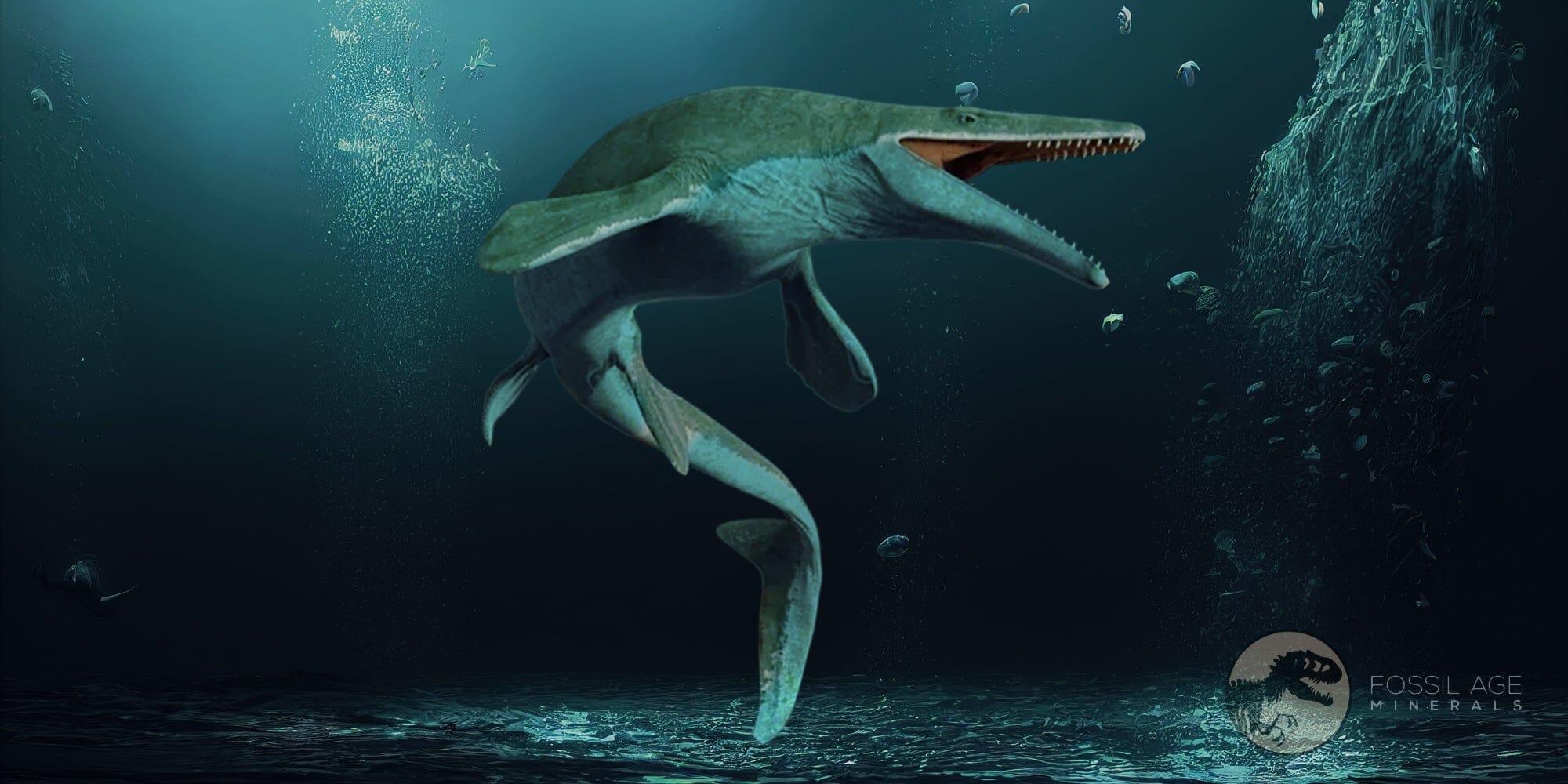
Name: Basilosaurus (King Lizard).
Diet: Piscivore/Carnivore.
Size: Estimated between 50 Feet to 70 feet
Known locations: North Africa
Time period: Late Eocene Period, 40 to 34 Million Years Ago
Basilosaurus was a prehistoric whale that lived roughly 40 to 34 million years ago during the Late Eocene Period. It was first discovered in the 19th century in the United States and was initially mistaken for a reptile. This is why it was named Basilosaurus in 1834, meaning “king lizard.”
Looking at the fossil evidence, Basilosaurus was an immense marine predator. It measured about 70 feet long and weighed around 15 tons—longer than a semi-trailer and roughly as heavy as a modern cruise ship’s anchor. Its long, slender body and powerful tail suggest it was a skilled swimmer, capable of quick bursts of speed in pursuit of prey.
Basilosaurus was a carnivore, as revealed by its sharp teeth and robust jaws. Scientists have estimated that it could bite down with approximately 2,300 pounds of pressure, giving it the ability to hunt and kill large prey. Paleontologists believe it primarily fed on big fish, smaller whales, and possibly other marine animals, making it one of the top predators of its time.
This whale provides a fascinating glimpse into the evolution of modern whales, showcasing a stage when these mammals were fully aquatic yet still retained features of their terrestrial ancestors. Fossils of Basilosaurus continue to give scientists valuable insights into its hunting behavior, physical adaptations, and the ancient oceans it once ruled.
