

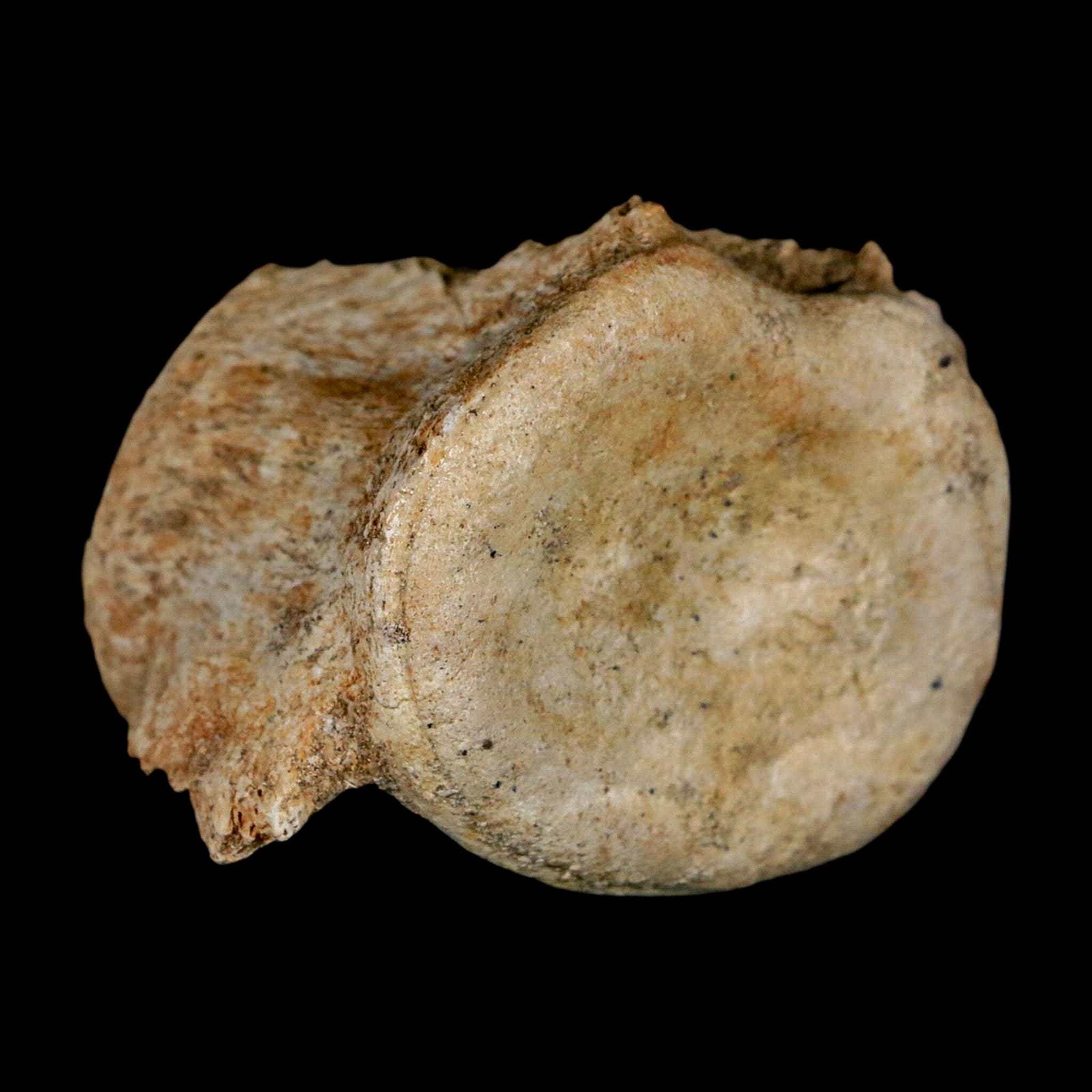


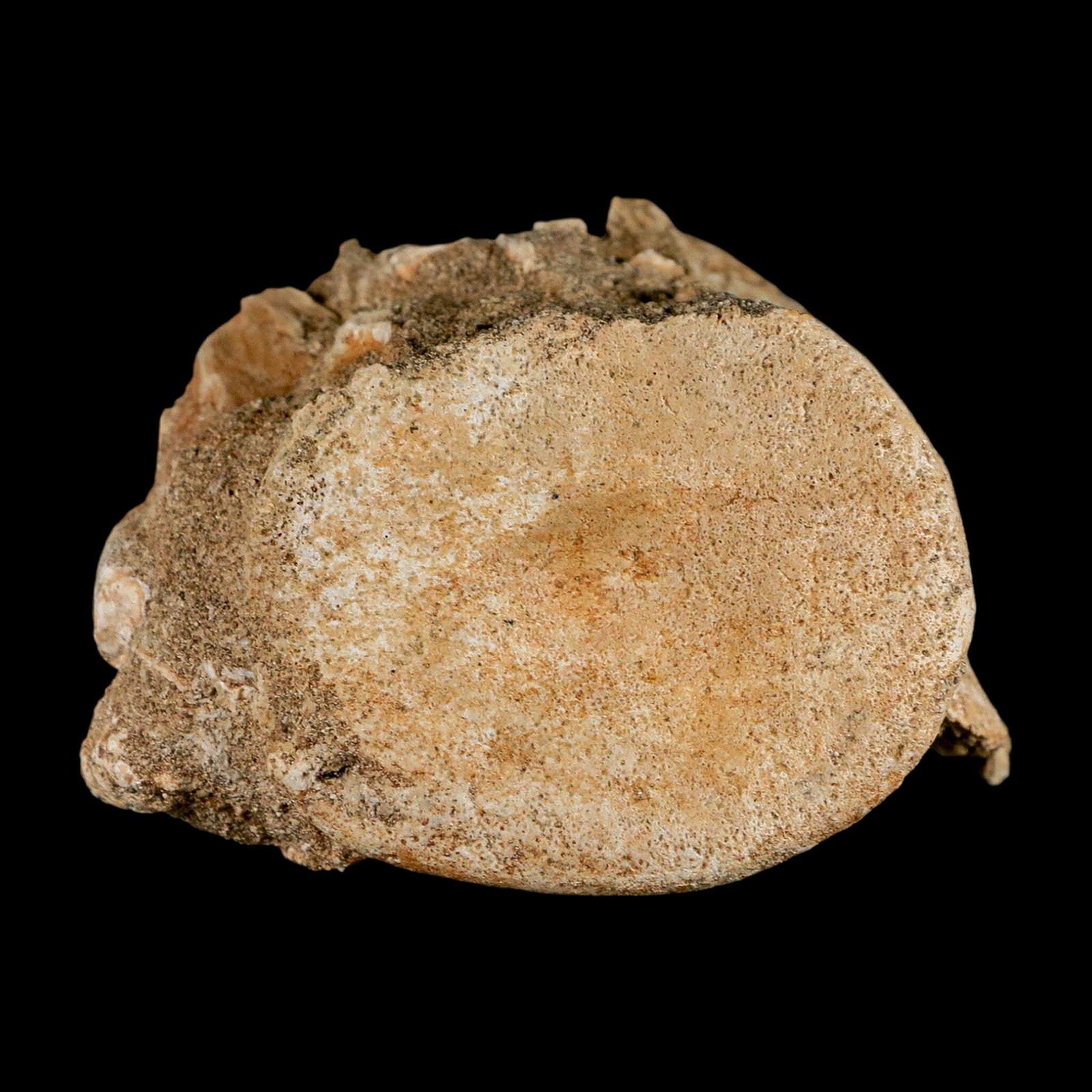


Description
Location: Khouribga, Morocco
Weight: 6.7 Ounces
Dimensions: 3.1 Inches Long, 2.1 Inches Wide, 2 Inches Thick
Comes with a Certificate of Authenticity.
The item pictured is the one you will receive.
Plesiosaur Zarafasaura
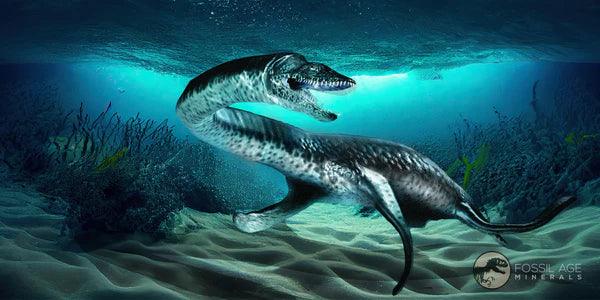
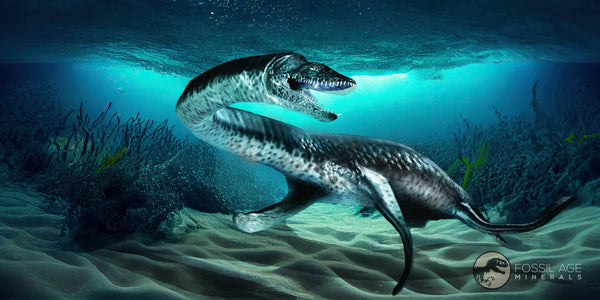
Zarafasaura oceanis is a genus of elasmosaurid plesiosaur that lived during the Late Cretaceous period, approximately 72 to 66 million years ago. Belonging to the family Elasmosauridae, Zarafasaura was a long-necked marine reptile adapted for life in ancient seas. The genus name Zarafasaura is derived from “Aarafa,” an Arabic word meaning giraffe, referencing its elongated neck, combined with the Greek word sauros, meaning lizard. The species name oceanis translates to “daughter of the sea” in Latin.
Zarafasaura oceanis was first scientifically described in 2011 by Dr. Peggy Vincent of the National Museum of Natural History in Paris, along with her research team. The description was based on incomplete skull remains discovered in Morocco, expanding knowledge of elasmosaur diversity in North Africa during the Late Cretaceous. This marine reptile is estimated to have reached lengths of approximately 23 feet (7 meters).
As an elasmosaurid, Zarafasaura oceanis would have been a carnivorous marine predator, feeding on fish and other small marine animals using its elongated jaws and sharp teeth. Its discovery provides valuable insight into the distribution and evolution of long-necked plesiosaurs shortly before the end-Cretaceous extinction, making Zarafasaura oceanis an important and scientifically significant marine reptile.
Please be aware of the nature of fossils:
Being buried under the ground for millions of years under tons of pressure tends to be rough. No fossil comes out of the ground whole and perfect. Most fossils have undergone some restoration, while others are altered by man simply to enhance their presentation in different ways. The workers in Morocco do a very professional job of unearthing and preserving these natural treasures; however, commonly, natural cracks are visible on the surface. These are part of the natural beauty of the fossil and are not considered defects.