




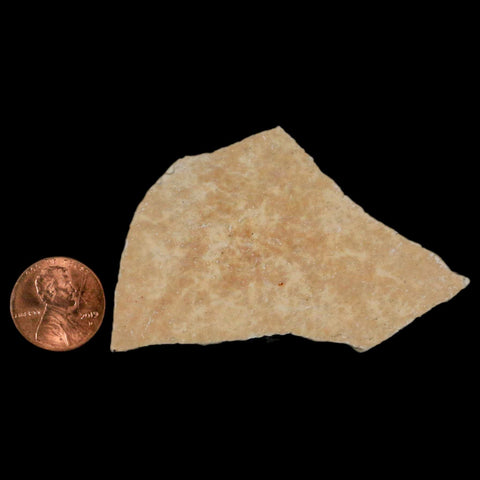




2.7" Elephant Bird Aepyornis Maximus Egg Shell Specimen Late Pleistocene Madagascar
Location: Madagascar Coast
Weight: 0.7 Ounces
Dimensions: 2.7 Inches Long, 1.9 Inches Wide, 0.15 Inches Thick
Comes with a Certificate of Authenticity.
The item pictured is the one you will receive.
Lived during the Late Pleistocene and Holocene epochs. They are thought to have existed from around 43,000 years ago until their extinction approximately around 1000–1200 CE.
Elephant Bird Aepyornis maximus represents one of paleontology's most compelling subjects—a flightless giant that dominated Madagascar's Late Pleistocene landscape. These extinct birds achieved extraordinary proportions, with individuals reaching three meters in height and masses exceeding 500 kilograms, establishing them among the largest terrestrial avifauna ever documented. Their reproductive biology proves equally exceptional: elephant bird eggs constitute the most voluminous ova produced by any land animal, with specimens achieving capacities of approximately 1.9 gallons. This eggshell fragment provides direct evidence of the species' remarkable biological scale and evolutionary significance within the fossil record.
Size and Structure
Elephant bird eggshells are characterized by their impressive thickness, averaging around 3.3 mm for larger specimens. This robust structure is essential for protecting the developing embryo inside, allowing it to grow until hatching. The strength of these eggshells has been compared to pottery due to their durability and resilience against environmental factors.
Preservation and Research
Fossilized elephant bird eggshells are found in abundance across Madagascar, especially along coastal regions where they are scattered across beaches and dunes. Unlike skeletal remains—which rarely survive the island’s humid climate—eggshells endure remarkably well, making them one of the most reliable sources for scientific study. Their durability has allowed researchers to successfully extract ancient DNA, offering valuable insights into the evolutionary history, genetic diversity, and lineage of the giant bird genus Aepyornis. These discoveries continue to enhance our understanding of Madagascar’s extinct megafauna.
Diet and Ecology
Through stable isotope analysis of the eggshells, scientists have uncovered important details about the diets and ecological roles of different elephant bird species. The isotopic signatures preserved in the shells reveal clear dietary distinctions—some species fed primarily on grasses, while others specialized in shrubs or succulents. These findings help reconstruct the varied ecological niches elephant birds once occupied, shedding light on how these massive birds lived, fed, and interacted with their prehistoric environment.
Extinction Factors
The extinction of elephant birds is believed to be closely linked to human activities following their arrival in Madagascar around 2,000 years ago. Evidence suggests that hunting and habitat alteration contributed significantly to their decline. The last known populations likely vanished around 1,000 years ago.


