


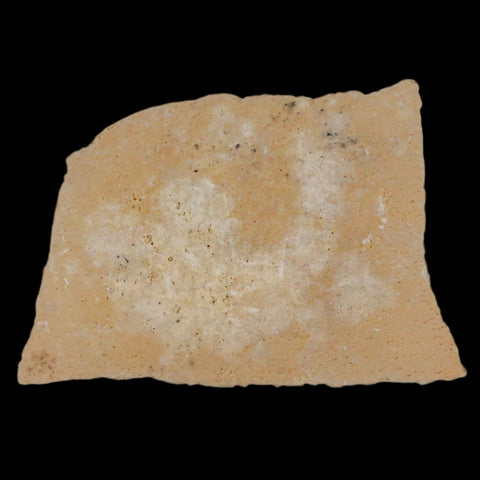
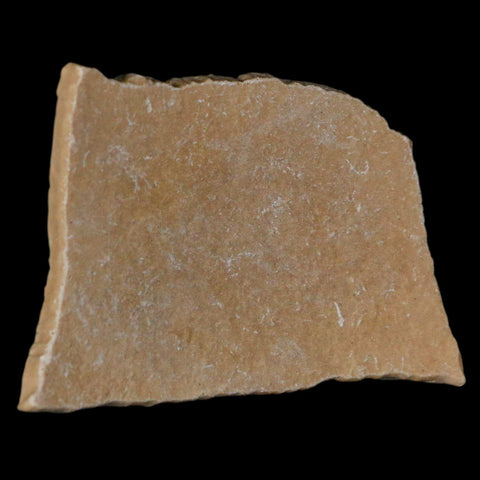
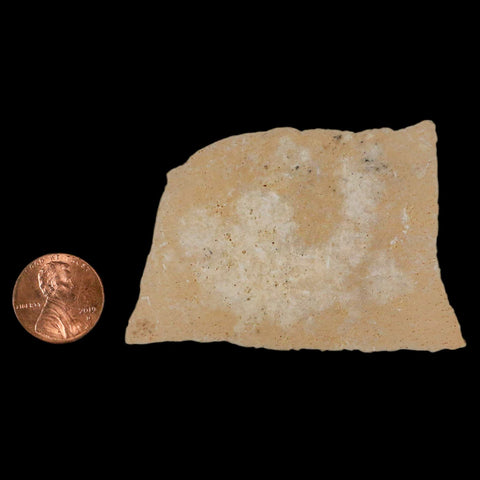
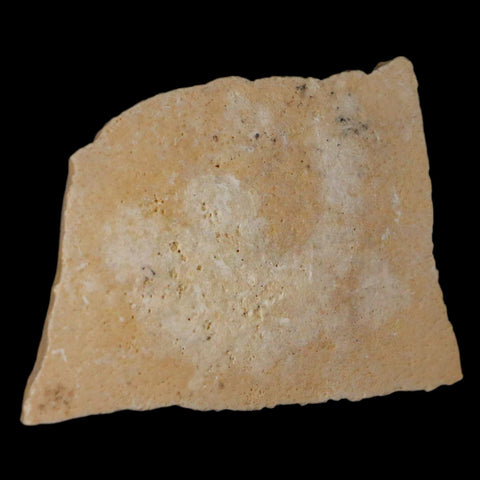
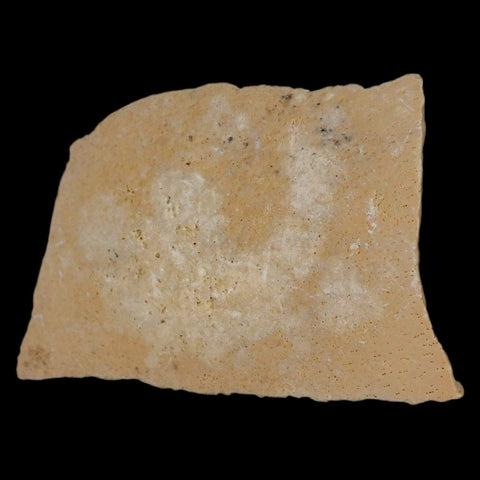
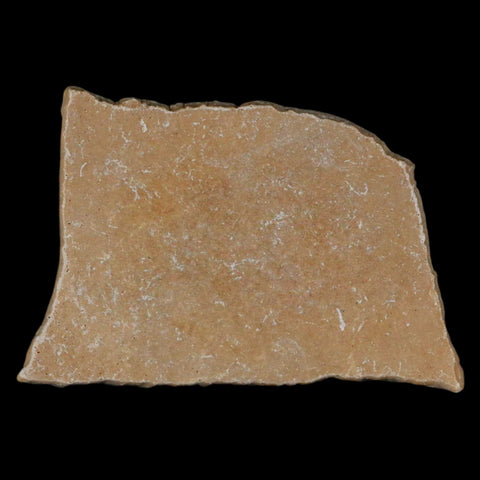
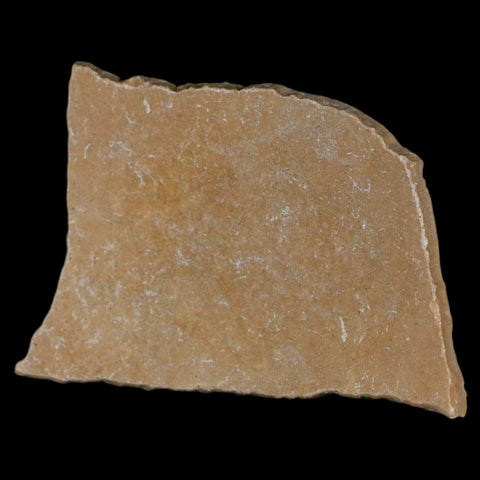
2.7" Elephant Bird Aepyornis Maximus Egg Shell Specimen Late Pleistocene Madagascar
Location: Madagascar Coast
Weight: 0.8 Ounces
Dimensions: 2.7 Inches Long, 1.8 Inches Wide, 0.15 Inches Thick
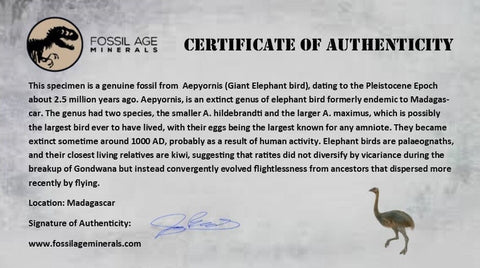
Comes with a Certificate of Authenticity.
The item pictured is the one you will receive.
Lived during the Late Pleistocene and Holocene epochs. They are thought to have existed from around 43,000 years ago until their extinction approximately around 1000–1200 CE.
The Elephant Bird, scientifically known as Aepyornis, is an extinct genus of giant flightless birds that once roamed Madagascar. These extraordinary birds are renowned for producing the largest eggs ever laid by a terrestrial animal, making their fossilized eggshells highly collectible. Some species reached heights of up to three meters (10 feet) and weighed over 500 kilograms (1,100 pounds). Their enormous eggs—holding up to 1.9 gallons (7 liters)—are exceptionally rare and sought after in the world of paleontology and natural history collecting.
Size and Structure
Elephant bird eggshells are remarkable for their thickness and durability, averaging around 3.3 mm in larger specimens. This robust structure protected the developing embryo, which is why these eggshell fragments survive so well today. Their strength and texture have often been compared to handcrafted pottery, making each fragment a unique, natural artifact. These characteristics make Aepyornis eggshell fossils an excellent display piece for collectors, museums, and educational settings.
Preservation and Research
Fossilized Elephant Bird eggshells are commonly found across Madagascar, especially in sandy coastal regions where they naturally erode to the surface. Unlike skeletal remains, which rarely preserve well due to Madagascar’s humid climate, these thick shells endure for thousands of years. Because of their density and integrity, they have become a crucial source of material for scientific study. In fact, researchers have successfully extracted ancient DNA from eggshells, providing key insights into the evolutionary history, species diversity, and lineage of Aepyornis. Owning a fragment connects you directly to this groundbreaking research.
Diet and Ecology
Through stable isotope analysis, scientists have uncovered detailed information about the dietary habits of different Elephant Bird species. The isotopic signatures preserved in the eggshells reveal whether a bird primarily consumed grasses, shrubs, or succulents. This data helps reconstruct Madagascar’s ancient ecosystems and highlights the ecological roles these giant birds once played. These findings make Elephant Bird eggshell fragments not only collectible but scientifically valuable.
