


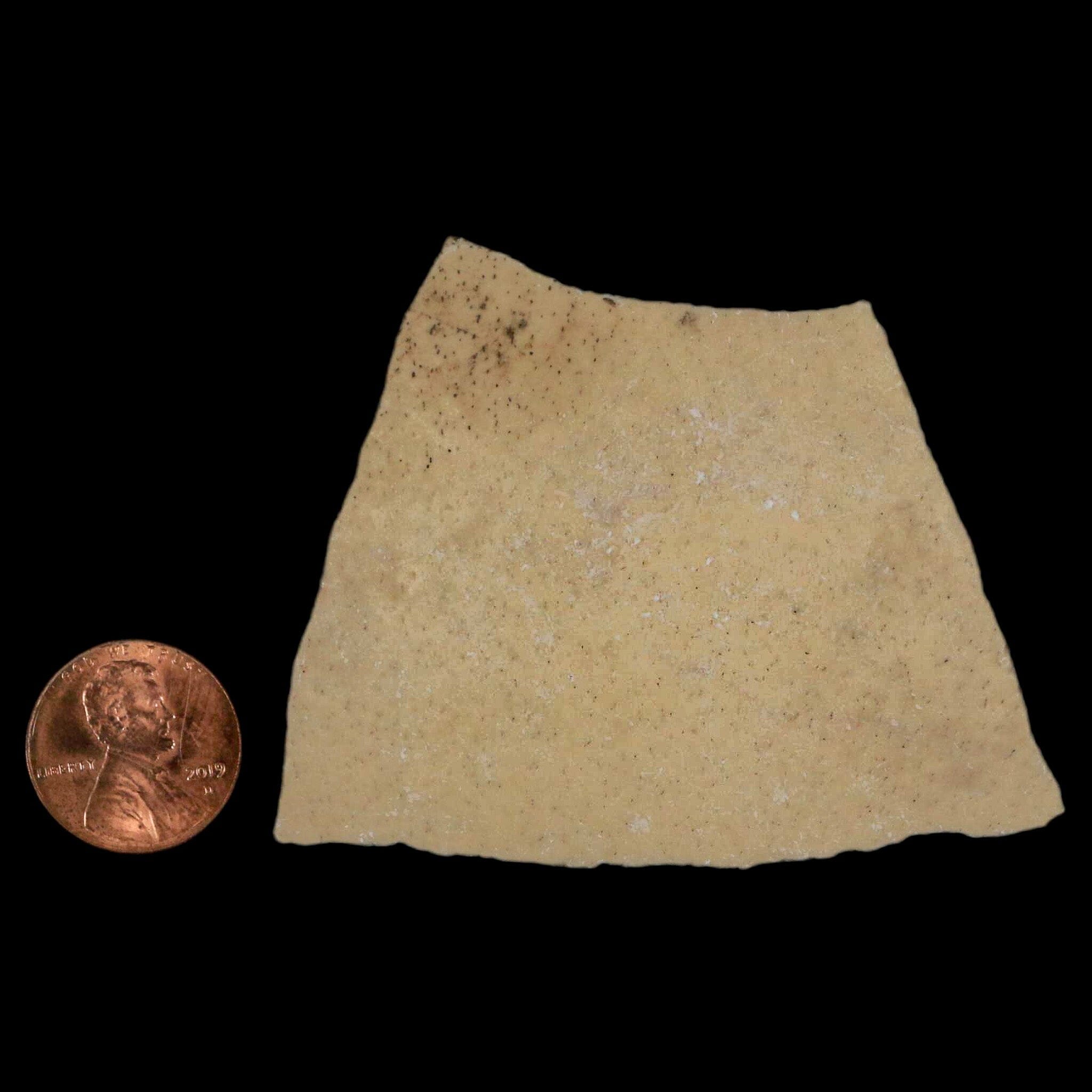


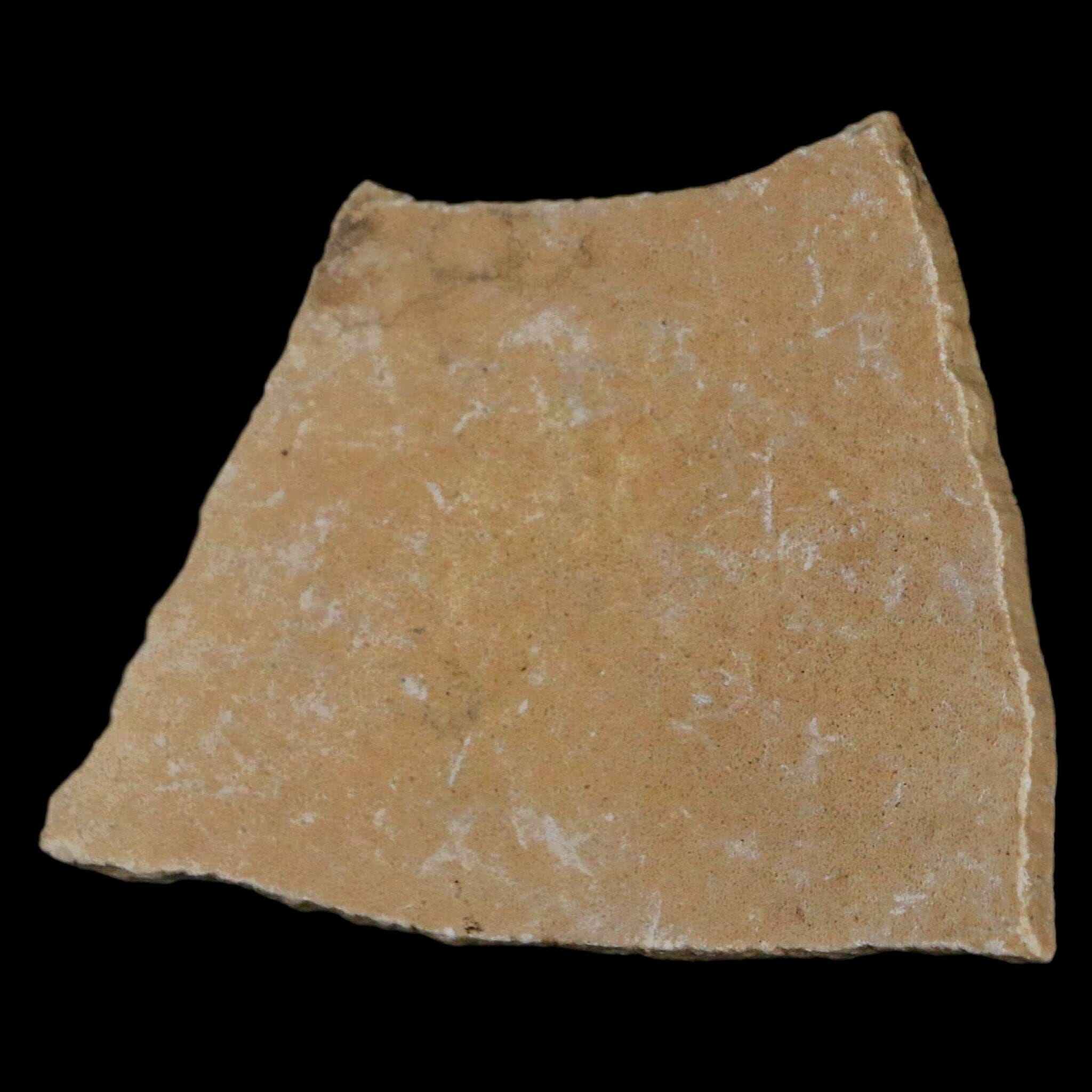


Description
Location: Madagascar Coast
Weight: 0.7 Ounces
Dimensions: 2.6 Inches Long, 2.1 Inches Wide, 0.15 Inches Thick
Comes with a Certificate of Authenticity.
The item pictured is the one you will receive.
Lived during the Late Pleistocene and Holocene epochs. They are thought to have existed from around 43,000 years ago until their extinction approximately around 1000–1200 CE.
The Elephant bird, scientifically known as Aepyornis, is an extinct genus of flightless birds that once inhabited Madagascar. These colossal birds are notable for their immense size, with some species reaching heights of up to three meters (approximately 10 feet) and weights exceeding 500 kilograms (about 1,100 pounds). Among the most remarkable features of the elephant bird are its eggs, which are the largest known eggs laid by any terrestrial animal. The volume of these eggs can reach up to 1.9 gallons (7 liters), significantly surpassing that of any modern bird.
Size and Structure
These fossilized shells demonstrate extraordinary structural integrity, with walls typically reaching 3.3 mm in depth—a formidable construction evolved to safeguard the embryonic organism during its prolonged developmental period. The material composition rivals pottery in its compressive strength and resistance to environmental degradation, accounting for the exceptional preservation of these specimens across millennia. Such architectural sophistication reflects the biological demands imposed by the enormous size of Aepyornis offspring, underscoring the evolutionary adaptations necessary for these magnificent extinct birds to successfully reproduce.
Preservation and Research
Madagascar's coastal deposits yield abundant elephant-bird eggshell fragments, which are better preserved than skeletal material in the island's moisture-rich environment. These calcified structures serve as exceptional repositories for paleogenomic investigation, permitting scientists to extract and sequence ancient DNA preserved within the mineral matrix. Such molecular evidence illuminates the evolutionary trajectories and taxonomic diversity of the Aepyornis genus, revealing relationships obscured by the fragmentary fossil record of bone and providing unprecedented insight into these extinct giants' biological heritage.
Diet and Ecology
Eggshell isotopic composition provides a window into the feeding behaviors of these colossal extinct avians. Through geochemical analysis, researchers have identified species-specific dietary patterns—some favoring graminaceous vegetation while others preferred browse or xerophytic plants. These biochemical signatures preserved within the shell matrix enable paleontologists to map the ecological roles these megafauna occupied within Late Pleistocene Madagascar's vanished ecosystems, offering tangible evidence of their place within ancient food webs.
Extinction Factors
The extinction of elephant birds is believed to be closely linked to human activities following their arrival in Madagascar around 2,000 years ago. Evidence suggests that hunting and habitat alteration contributed significantly to their decline. The last known populations likely vanished around 1,000 years ago.
