
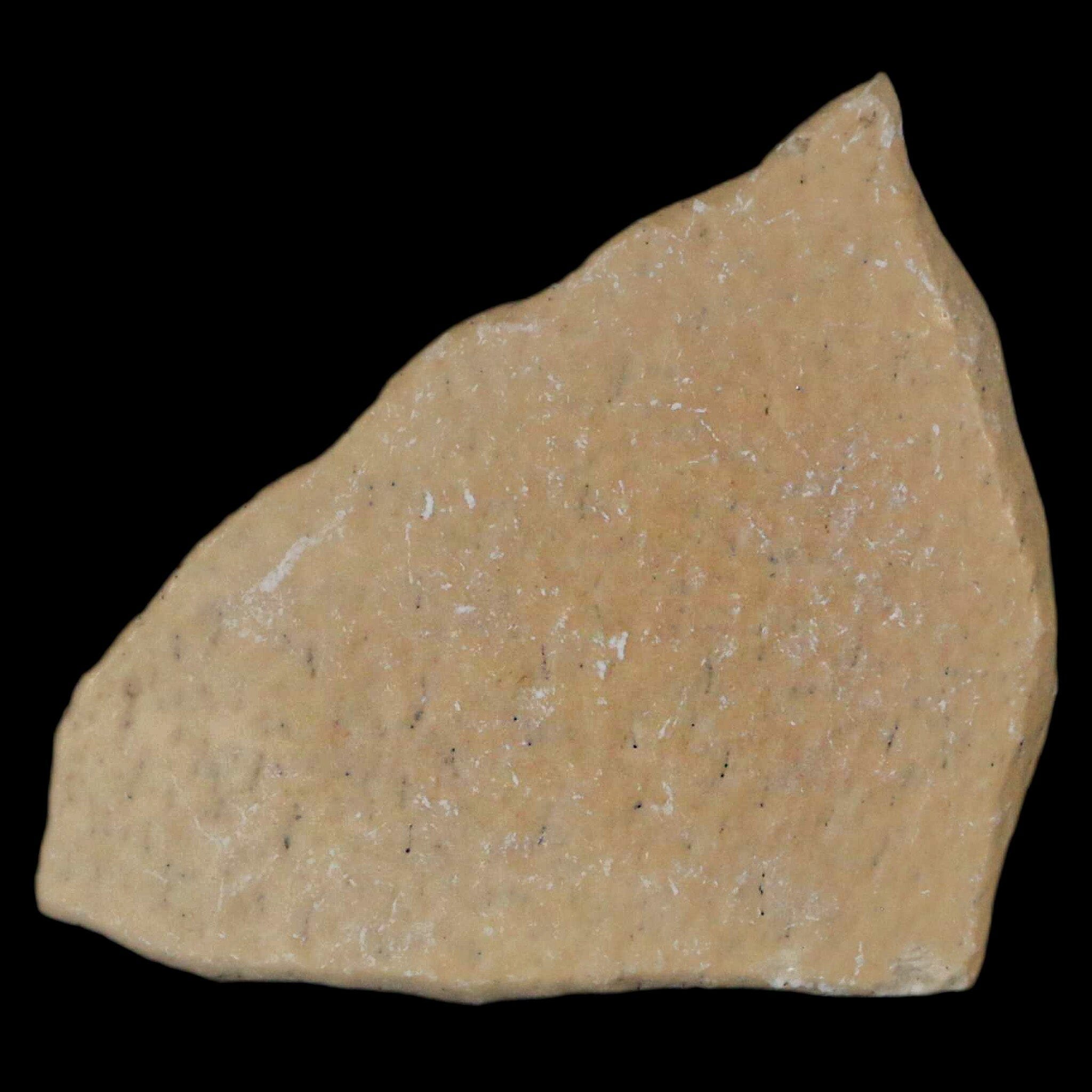


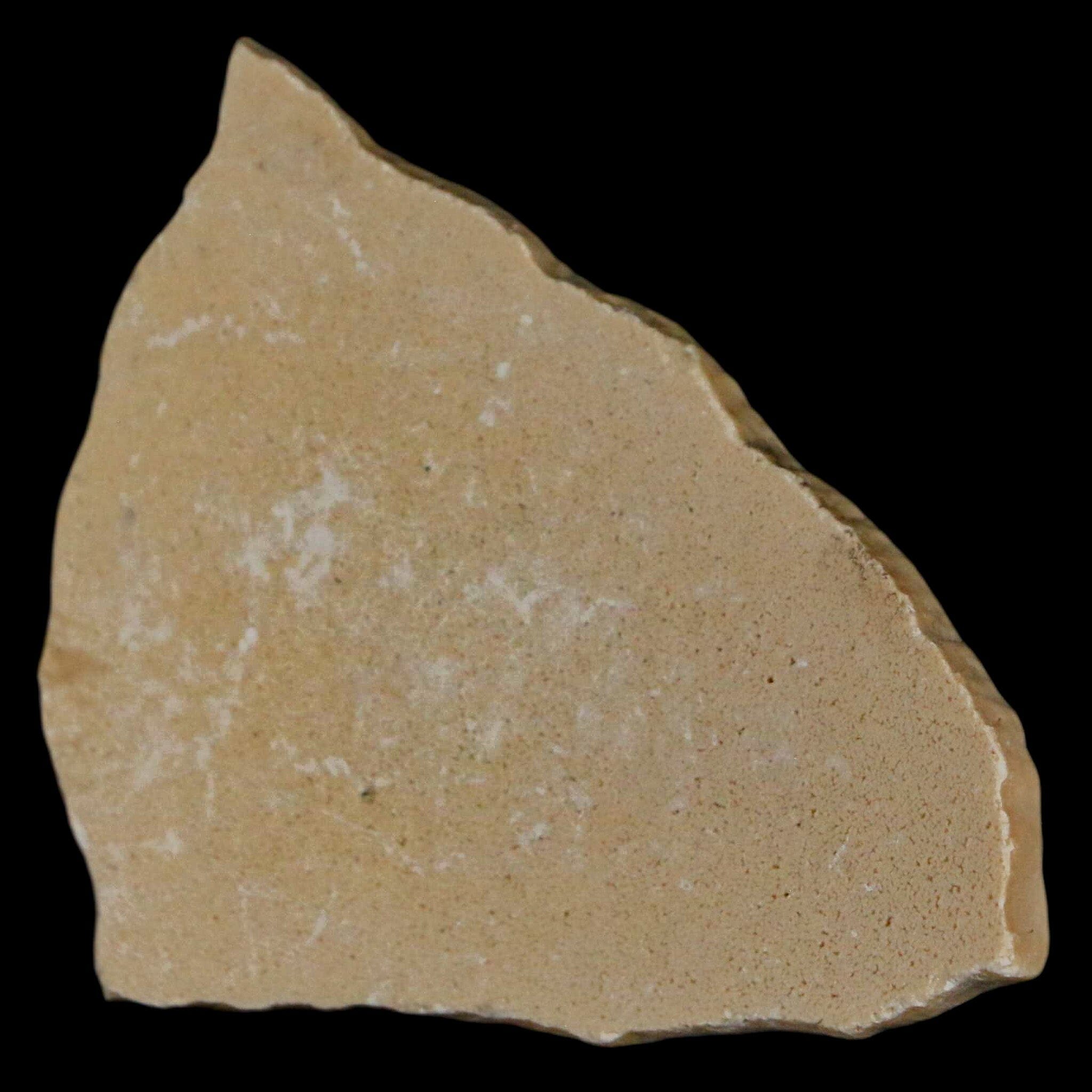


Description
Location: Madagascar Coast
Weight: 0.7 Ounces
Dimensions: 2.5 Inches Long, 2 Inches Wide, 0.15 Inches Thick
Comes with a Certificate of Authenticity.
The item pictured is the one you will receive.
Lived during the Late Pleistocene and Holocene epochs. They are thought to have existed from around 43,000 years ago until their extinction approximately around 1000–1200 CE.
The Elephant bird, scientifically known as Aepyornis, is an extinct genus of flightless birds that once inhabited Madagascar. These colossal birds are notable for their immense size, with some species reaching heights of up to three meters (approximately 10 feet) and weights exceeding 500 kilograms (about 1,100 pounds). Among the most remarkable features of the elephant bird are its eggs, which are the largest known eggs laid by any terrestrial animal. The volume of these eggs can reach up to 1.9 gallons (7 liters), significantly surpassing that of any modern bird.
Size and Structure
Behold a relic of prehistoric power: an Aepyornis maximus eggshell that defied the ages. These colossal eggs demanded walls of extraordinary thickness—averaging 3.3 mm—to contain and shield the massive embryos developing within. The sheer fortitude of this shell rivals pottery in its resilience, engineered to withstand the brutal pressures of Madagascar's ancient climate. This specimen captures the raw ingenuity of nature's most audacious bird, a creature so immense it required armor-grade protection just to reproduce. A tangible connection to a lost world of giants.
Preservation and Research
Fossilized elephant bird eggshells have been found abundantly across Madagascar, particularly in coastal regions where they litter dunes and beaches. Unlike skeletal remains, which are often poorly preserved in Madagascar’s humid climate, eggshells provide a more reliable source for genetic analysis. Recent studies have successfully extracted ancient DNA from these shells, enabling researchers to explore the evolutionary history and diversity within the Aepyornis lineage.
Diet and Ecology
This eggshell is a biochemical archive of an extinct world. Through stable isotope analysis, scientists have decoded the dietary secrets locked within its mineral structure, revealing what Aepyornis maximus consumed across Madagascar's ancient landscapes. The isotopic signatures embedded in this specimen expose whether these colossal birds foraged on grasses, shrubs, or succulents—each species carving out its own ecological dominion. This fragment transcends mere fossil; it's a molecular record that reconstructs the feeding strategies and environmental relationships of creatures lost to time, allowing us to resurrect their ecological roles millions of years after their extinction.
Extinction Factors
This eggshell fragment tells a sobering story of extinction. Aepyornis maximus dominated Madagascar for millennia until humans arrived roughly 2,000 years ago, triggering an irreversible collapse. Hunting pressure and habitat destruction proved catastrophic for these flightless giants, driving them toward oblivion within a thousand years. By the time European explorers reached the island, these magnificent birds existed only in legend and scattered remains. This specimen stands as a haunting testament to humanity's capacity to erase entire species—a tangible reminder of what we lost when the elephant birds vanished forever from our world.
