
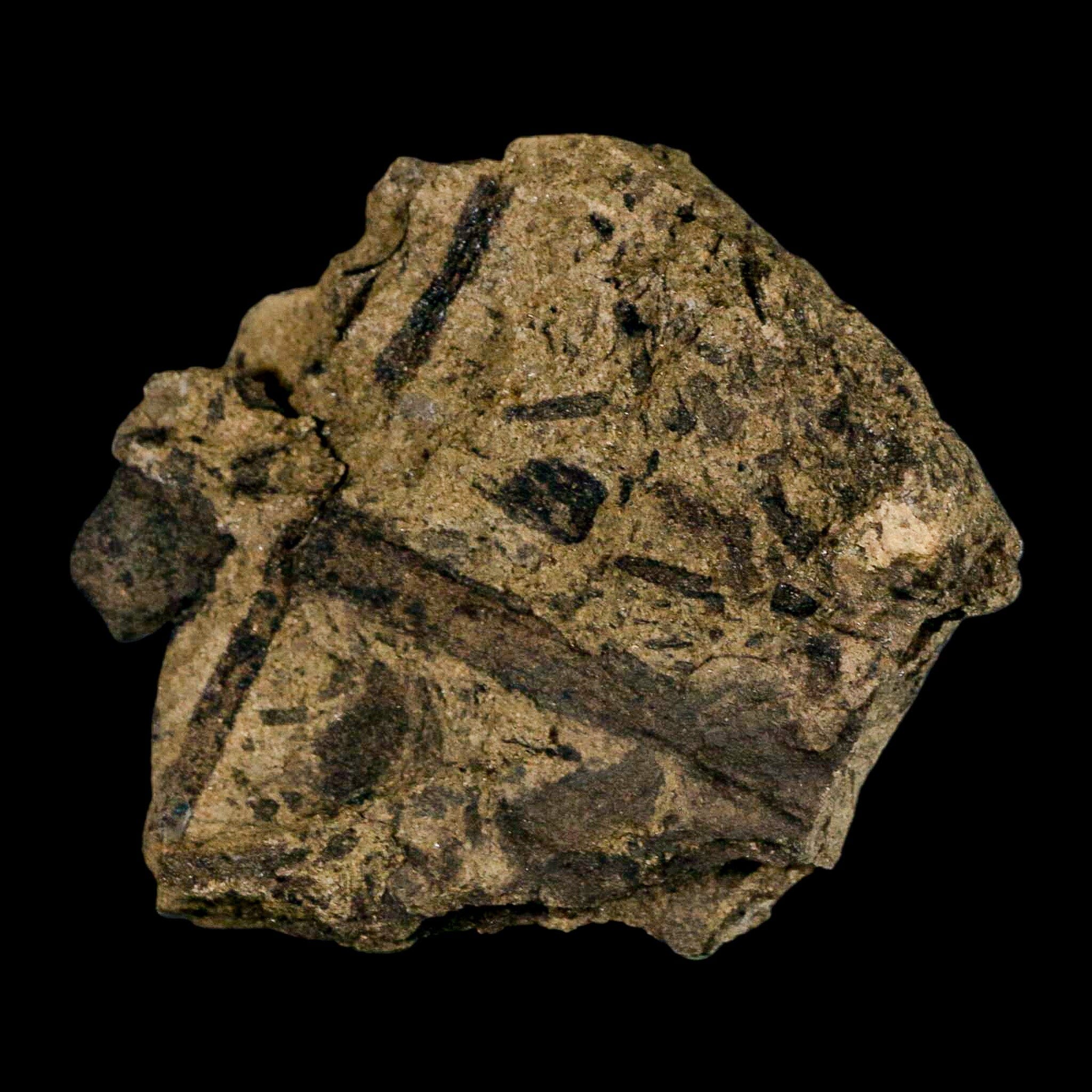
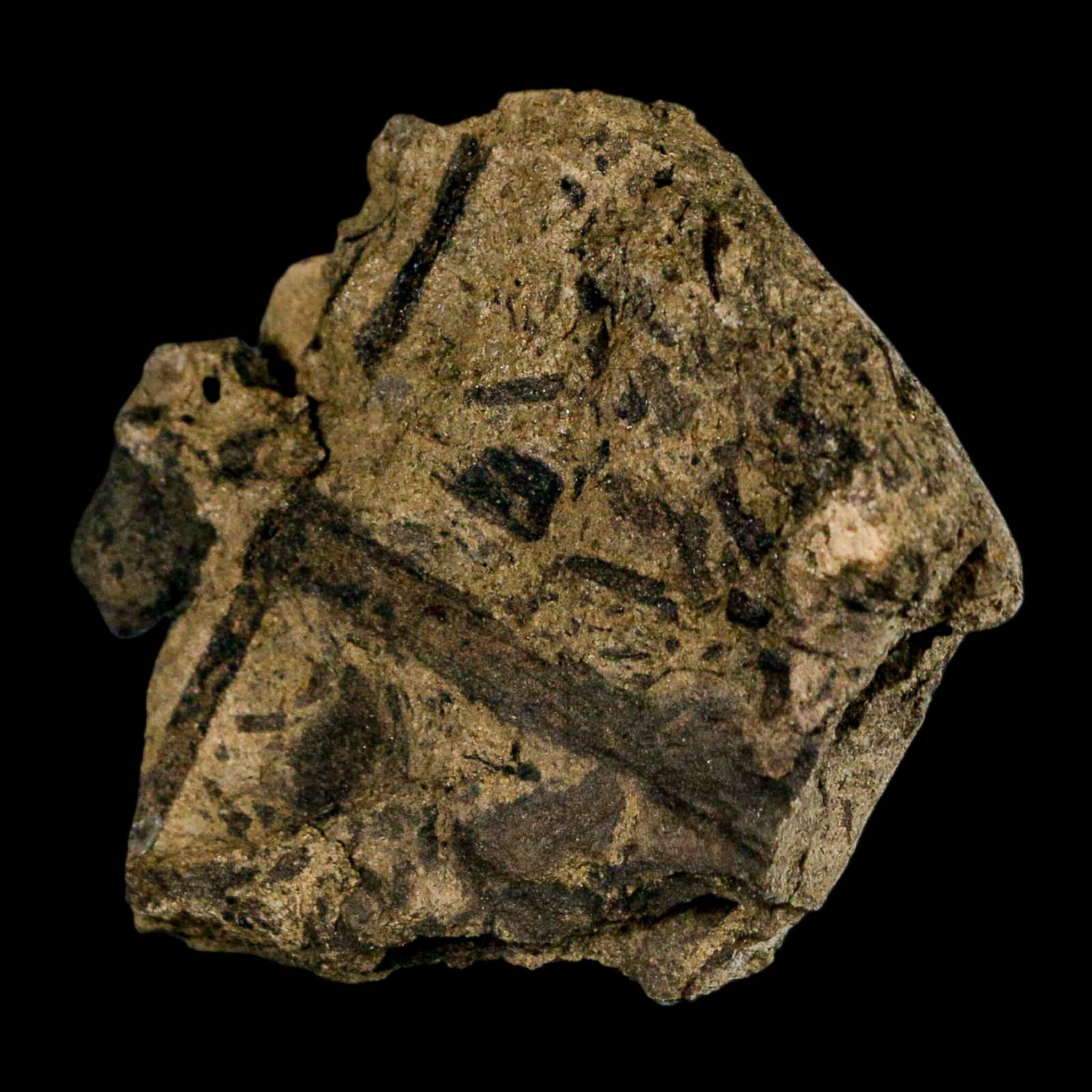
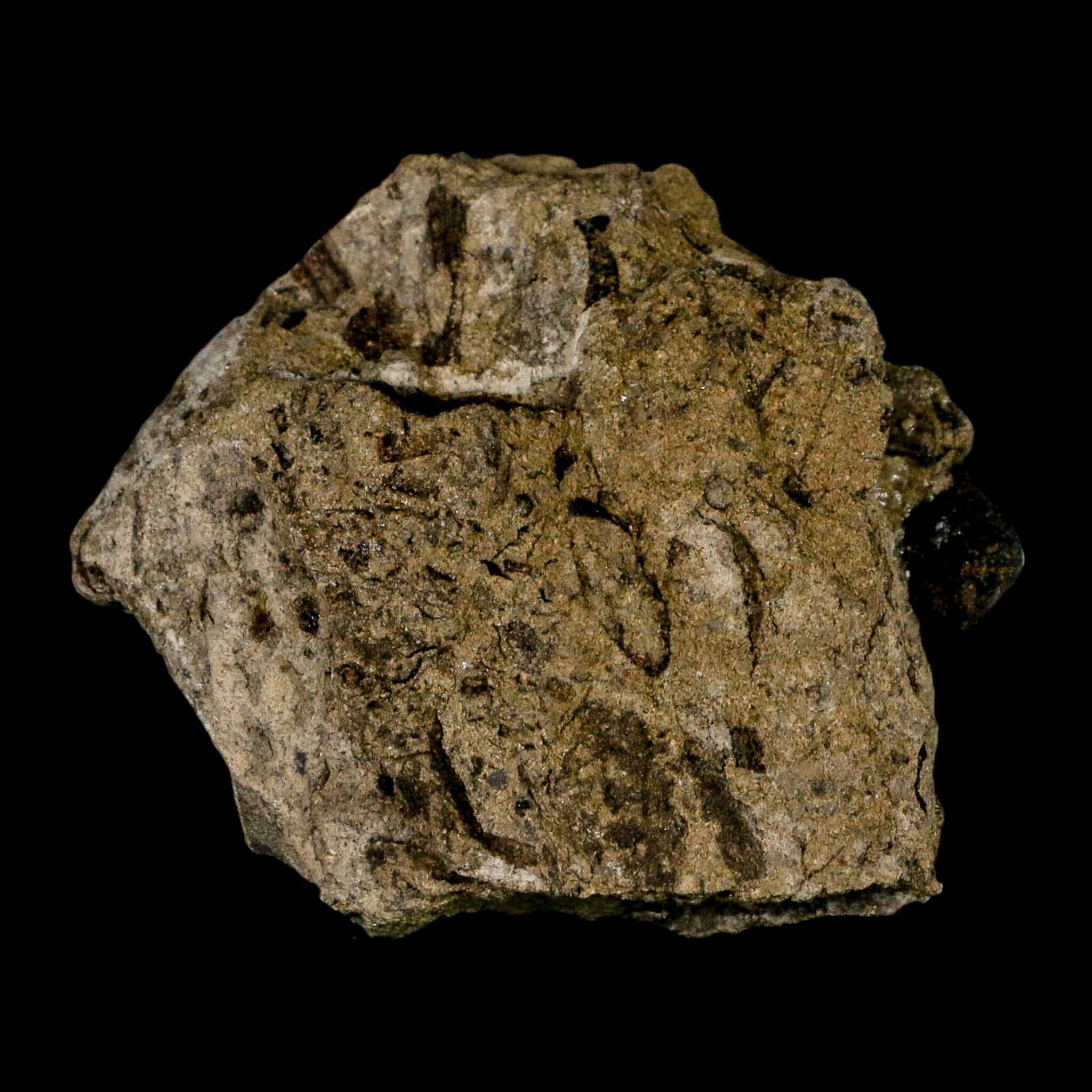


Description
Location: Raton Formation, Las Animas County, Colorado
Weight: 3 Ounces
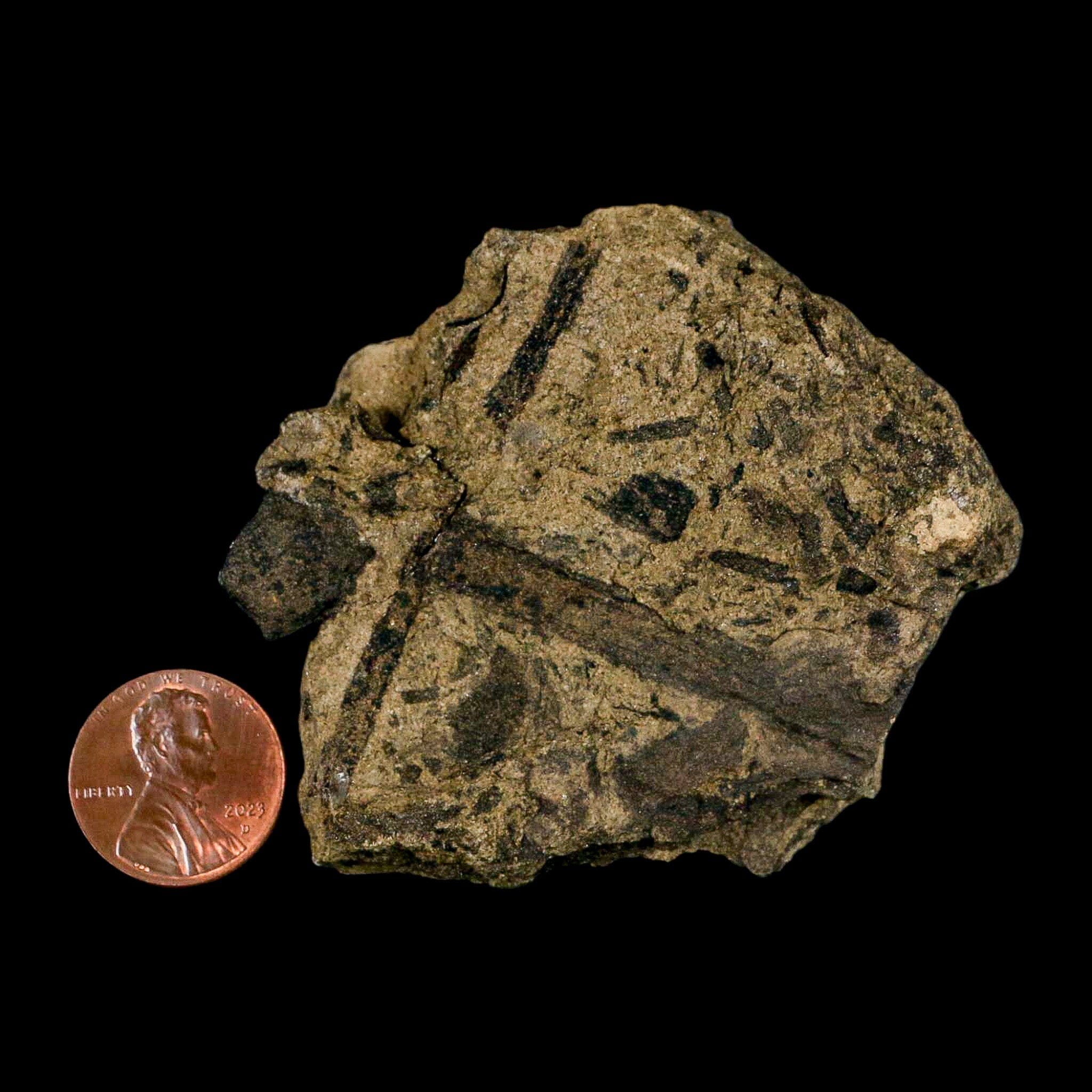
Dimensions: 2.5 Inches Long, 2.3 Inches Wide, 0.8 Inches Thick (Plate)
The item pictured is the one you will receive.
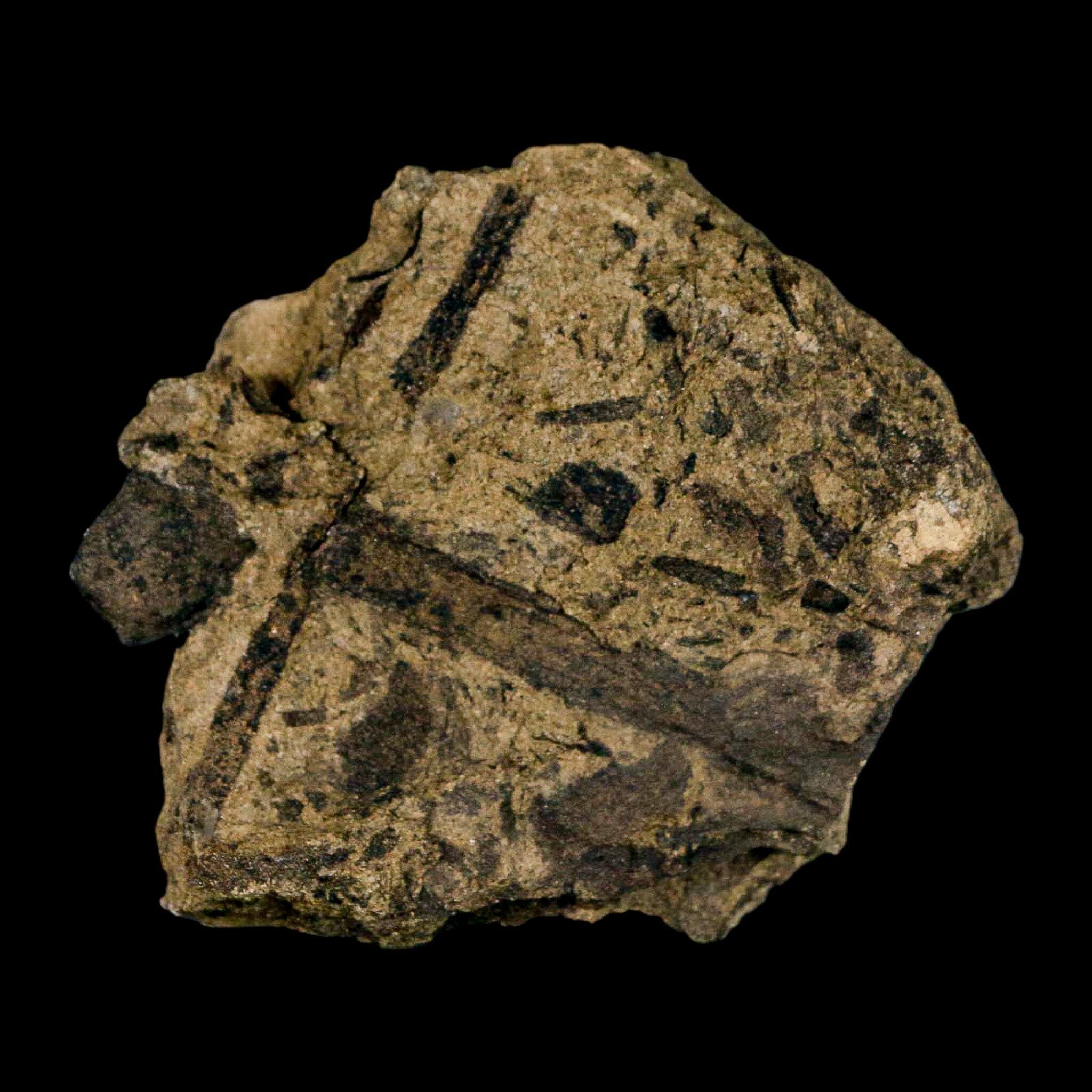
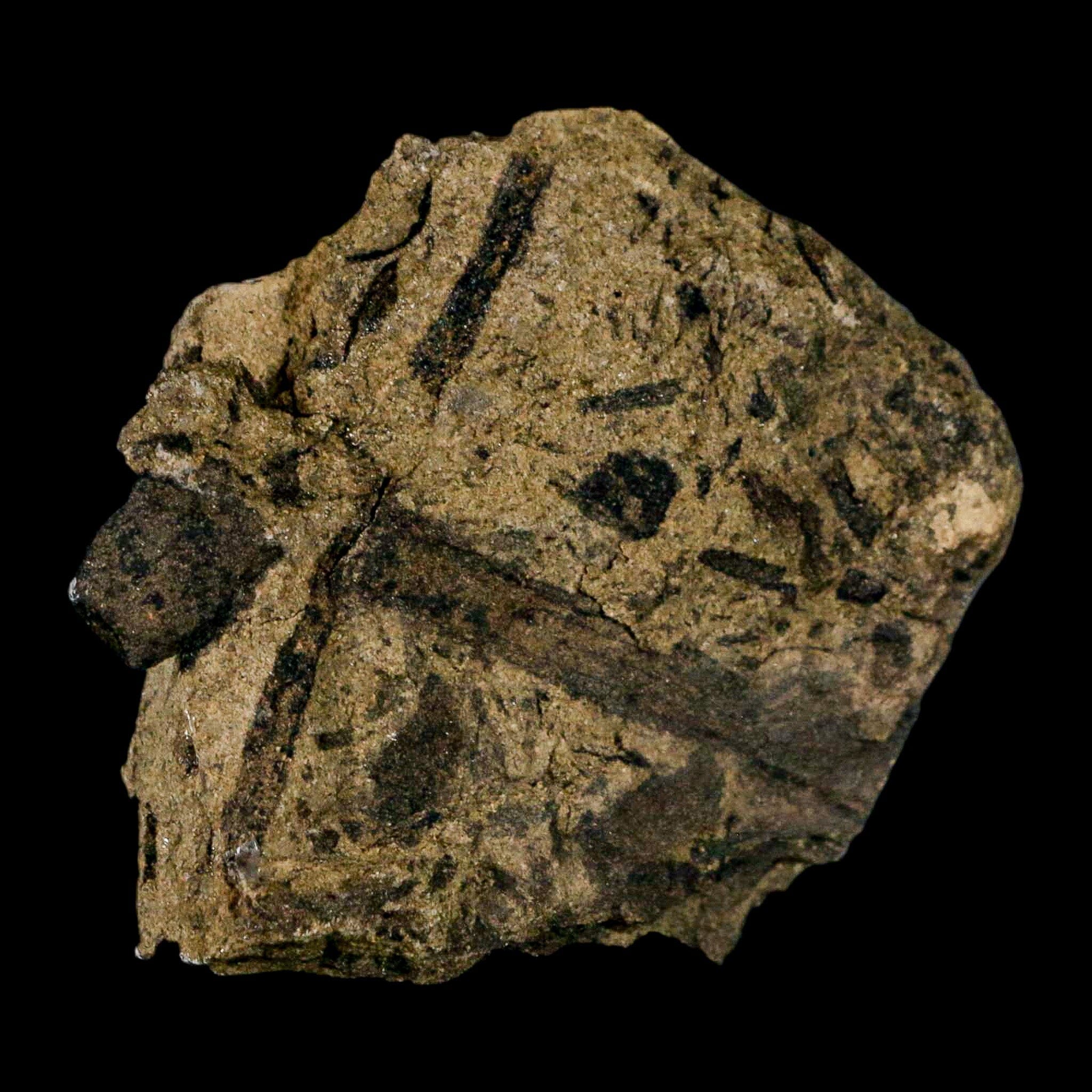
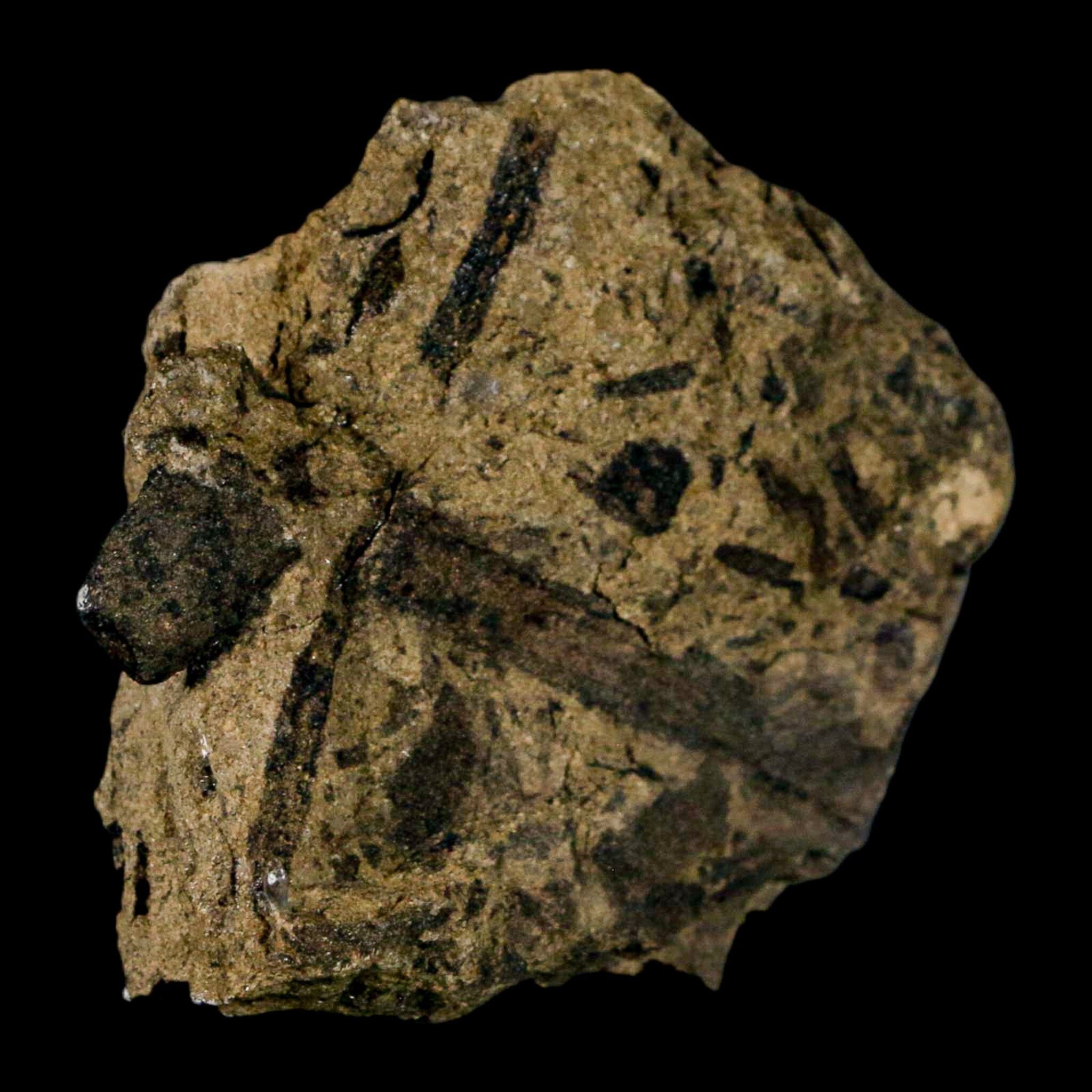
Carpolithus Sp
Carpolithus is an extinct genus of fossil seeds belonging to the Fabaceae family, preserved in Paleocene sediments dating 66–56 million years ago. These seeds provide a unique window into the early recovery of plant life following the mass extinction at the end of the Cretaceous period. Las Animas County, Colorado, is a notable site for these fossils, where extensive Paleocene deposits reveal a diverse array of ancient plants and animals, making the area a significant location for paleobotanical research and fossil collection.
Researchers studying Carpolithus seeds from this region have focused on their morphology and anatomy to better understand their evolutionary relationships within the Fabaceae family. The findings indicate that these seeds share many features with the modern Cassia genus, suggesting that Cassia or a closely related ancestor once grew in the region during the Paleocene. Moreover, the presence of these seeds in specific sediment layers provides evidence of a wetter climate, offering valuable insights into the prehistoric environment and ecological conditions of southeastern Colorado.
These Carpolithus fossil seeds are highly valued by fossil collectors, paleobotanists, and educators for both their scientific significance and visual appeal. They not only illustrate the diversity of early Fabaceae plants but also help reconstruct ancient climates and ecosystems. As rare remnants of the Paleocene, Carpolithus fossils are a captivating addition to any collection, museum display, or educational exhibit.