
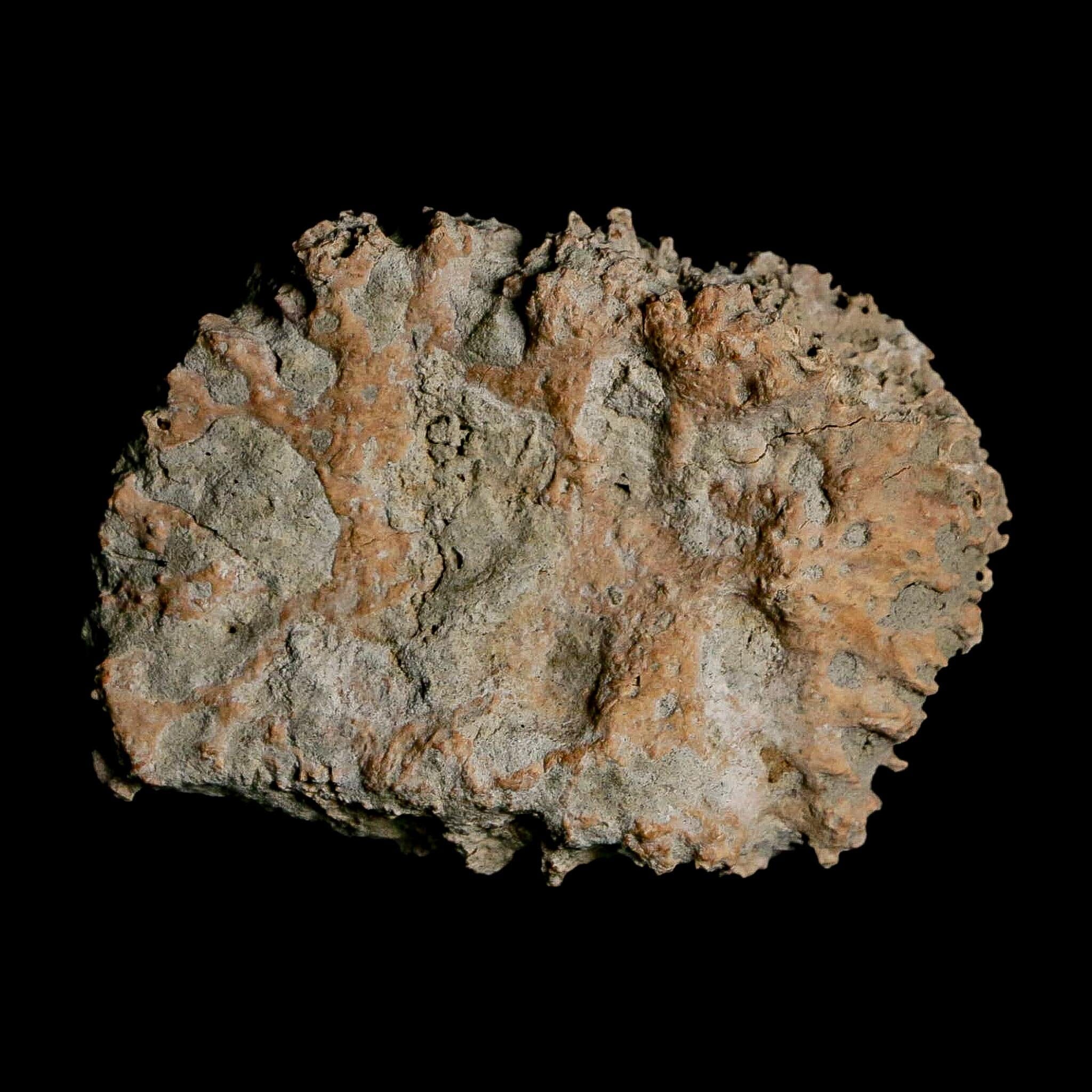
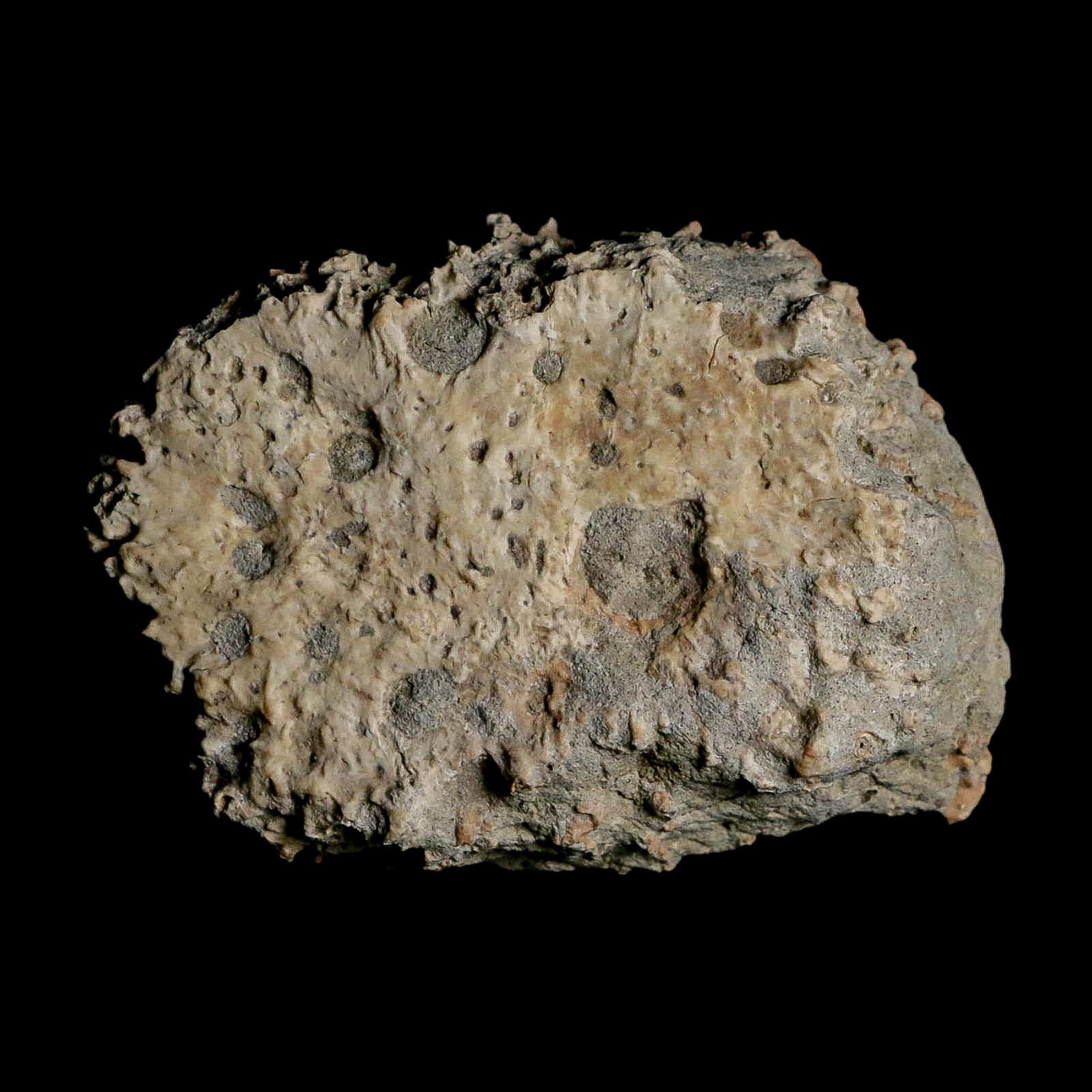
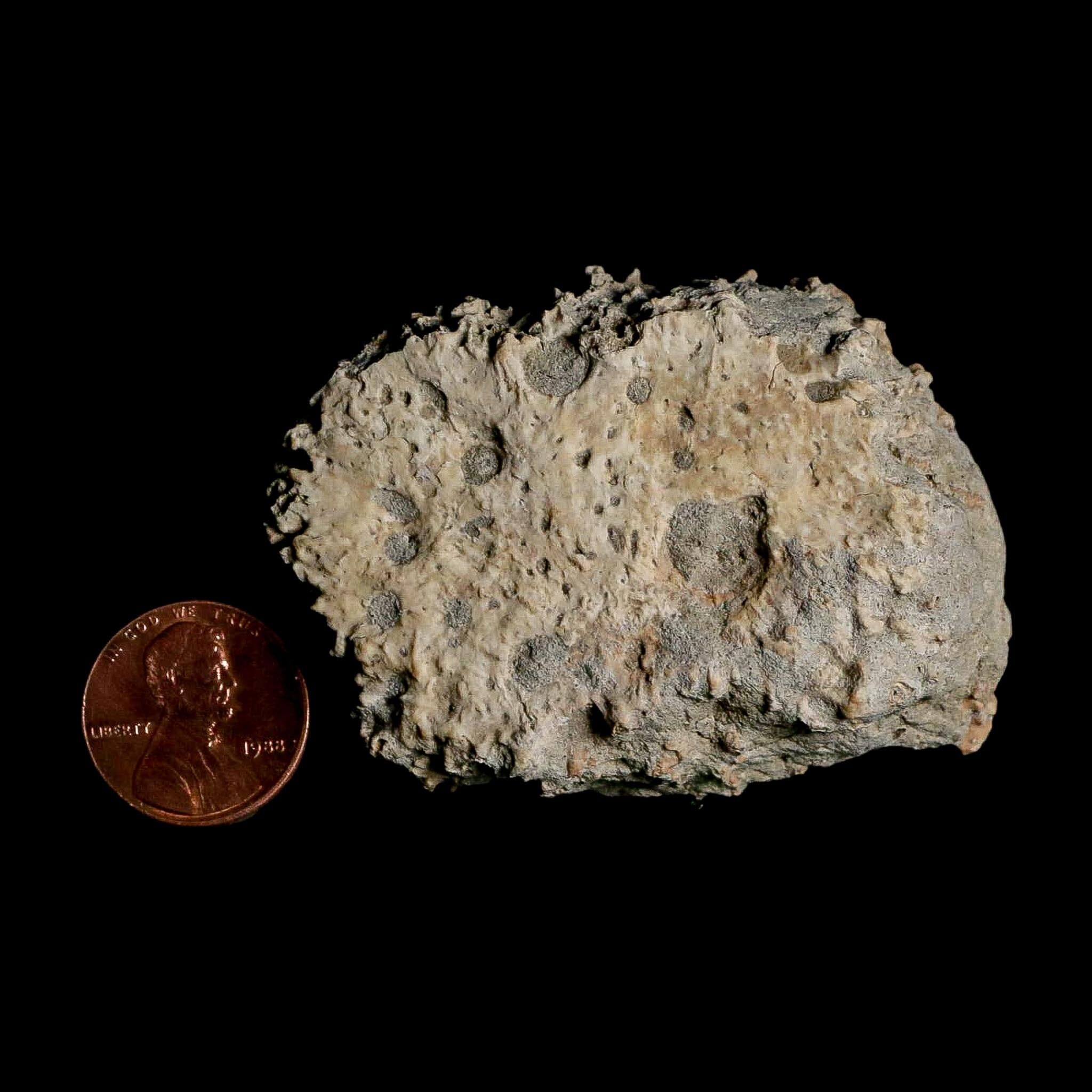
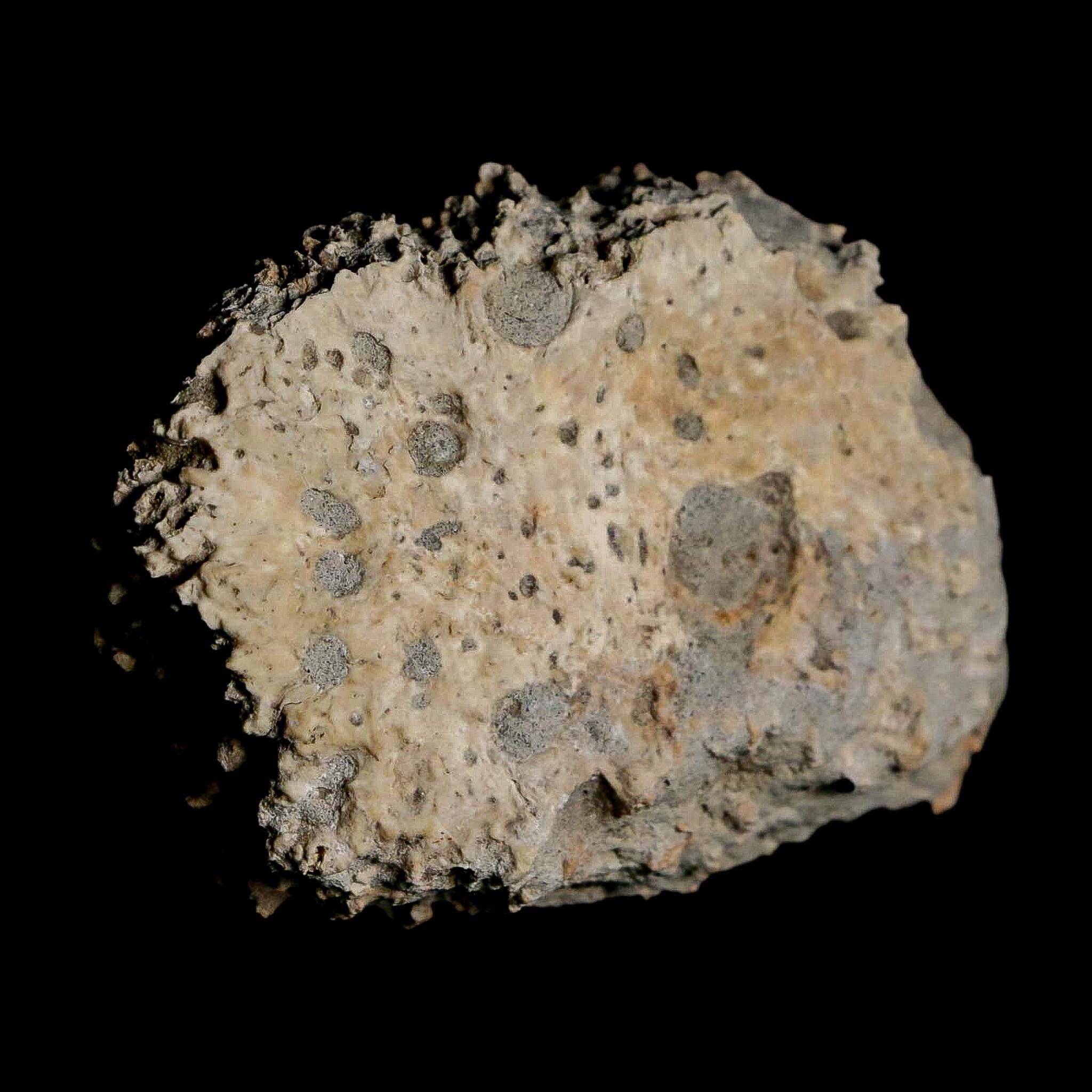
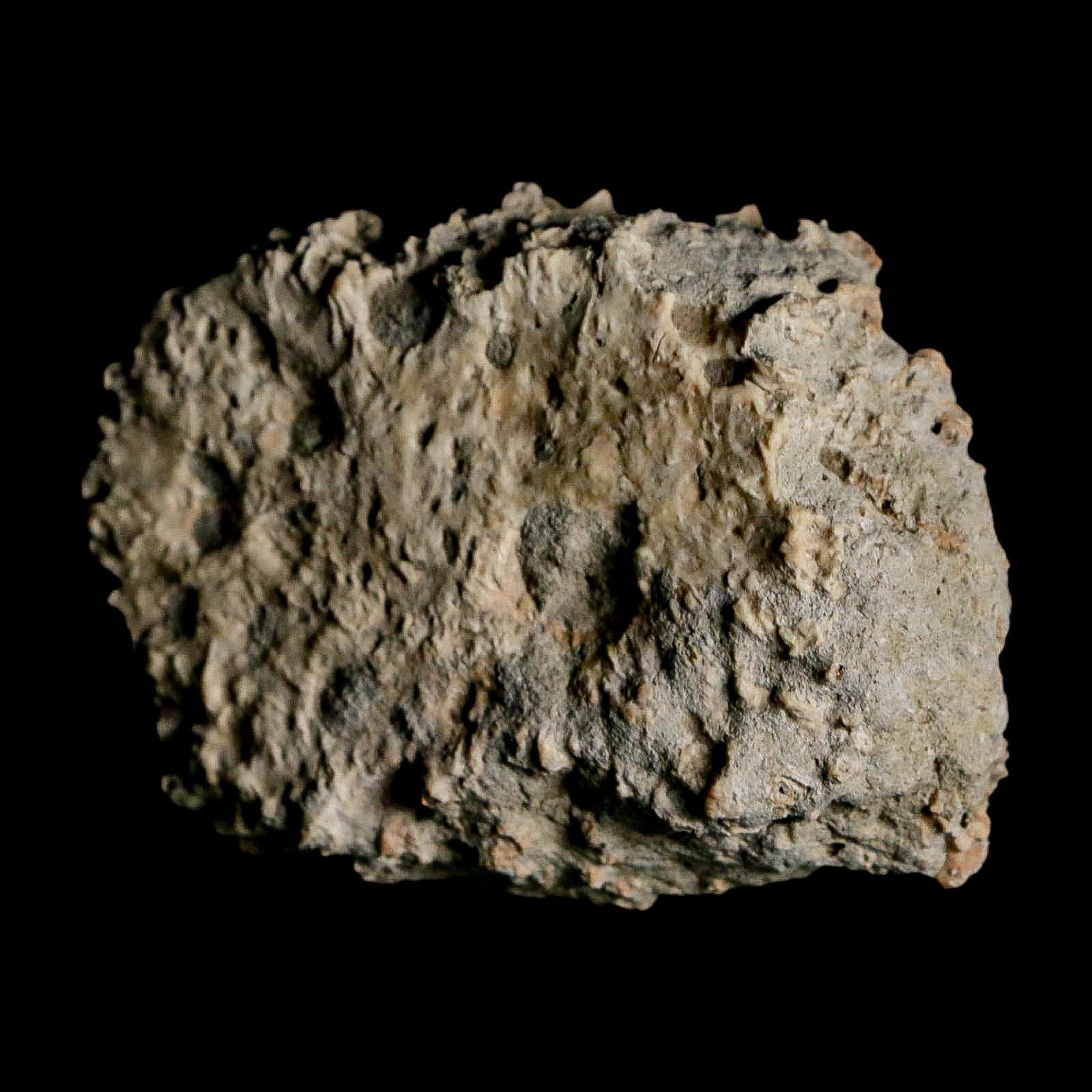

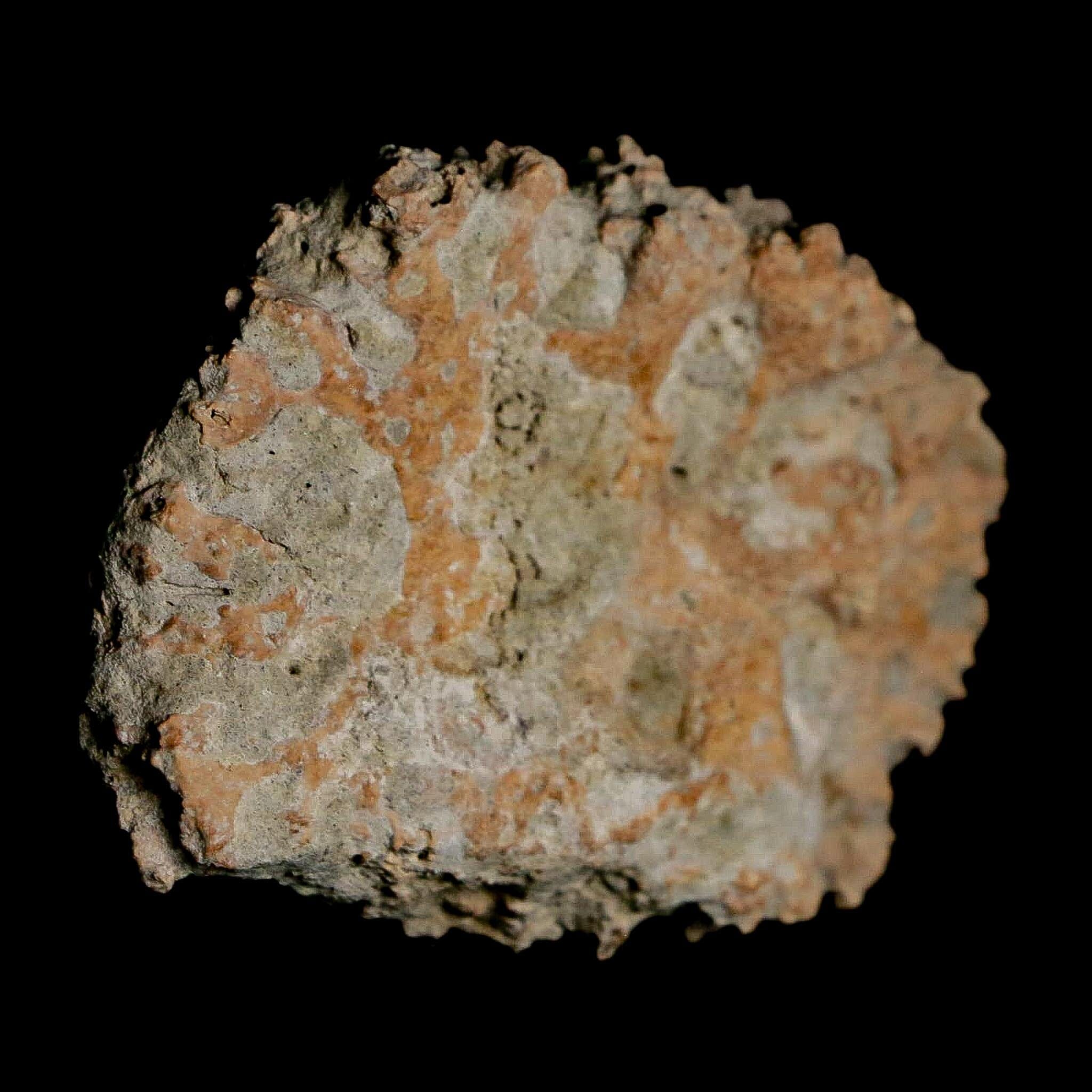
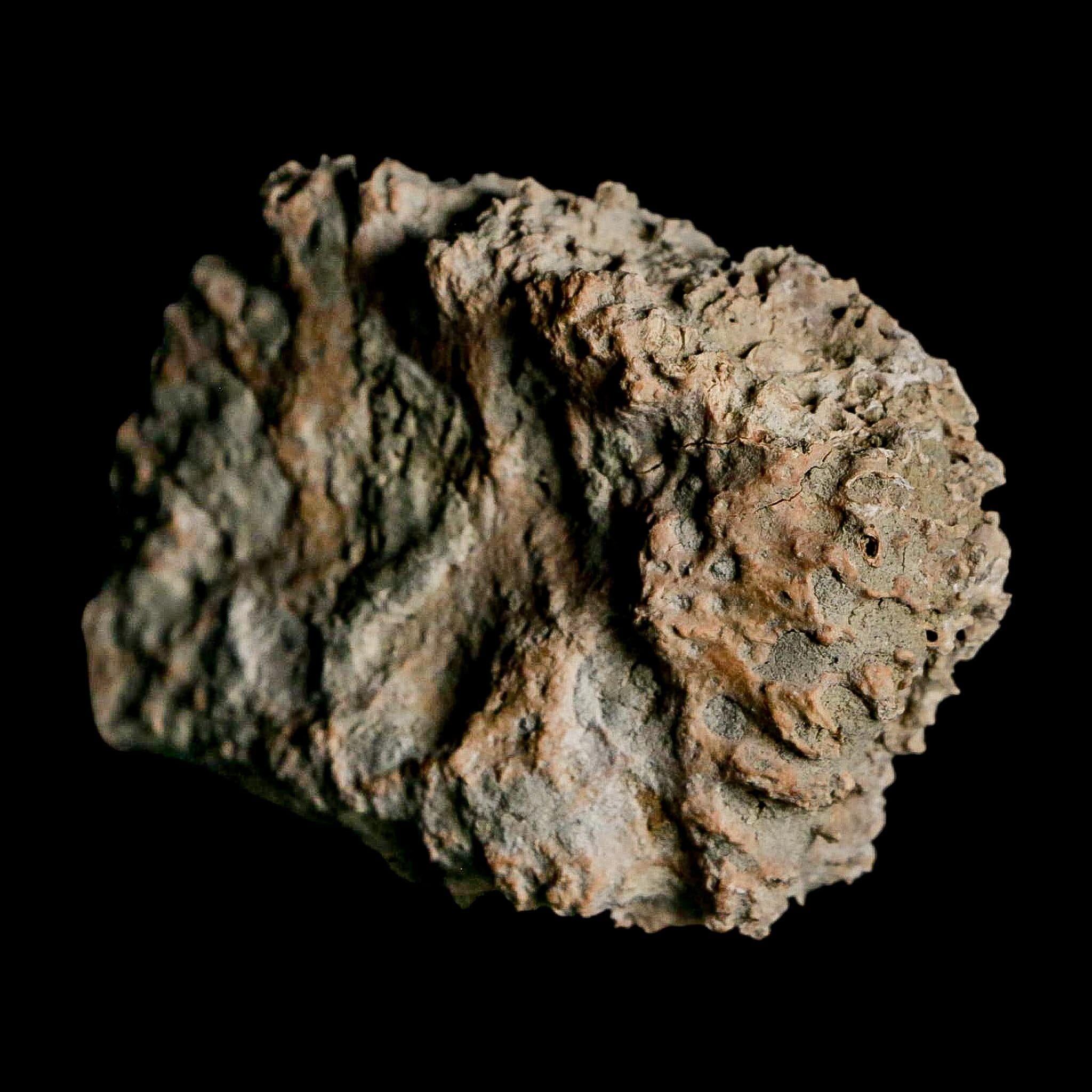


Description
Location: Uruguay
Weight: 1.5 Ounces
Dimension: 2.4 Inches Long, 1.6 Inches Wide, 0.8 Inches Thick
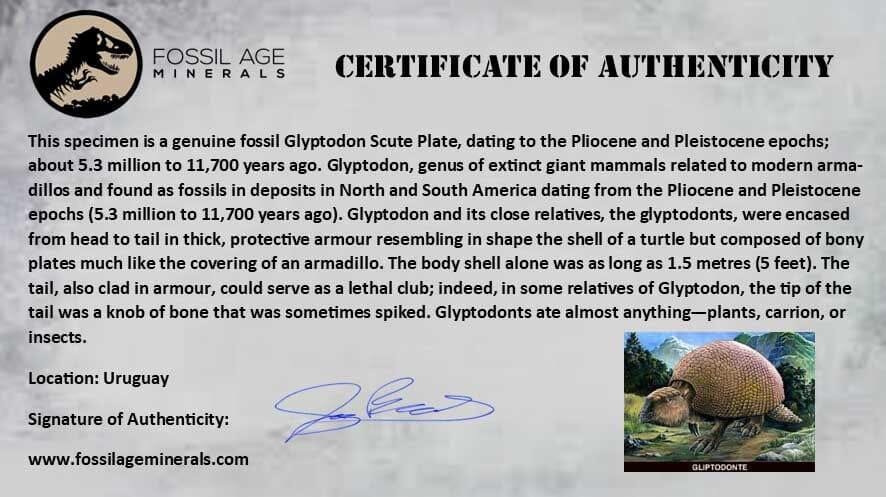
Comes with a Certificate of Authenticity.
The item pictured is the one you will receive.
Glyptodon was a remarkable genus of giant, armored mammals closely related to today’s armadillos. Their fossils have been discovered throughout North and South America, in geological layers dating from the Pliocene to the Pleistocene (about 5.3 million to 11,700 years ago). Much like their modern relatives, glyptodonts were heavily protected, but their armor was far more impressive: a massive, dome-shaped shell made of fused bony plates, giving them a turtle-like silhouette.
The carapace itself could reach 1.5 meters (around 5 feet) in length, forming a rigid shield around the animal’s body. Their tails were also fortified with armor, and in some glyptodont species, the tail ended in a solid bone club, sometimes lined with spikes—an effective weapon for defense or combat.
Glyptodonts were generally omnivorous, feeding on a wide variety of foods, including vegetation, insects, and even carrion. This adaptability, combined with their formidable protection, made them one of the most distinctive mammals of the Ice Age world.
If you look closely at Glyptodon pictures, then you might mistake this animal for some kind of science experiment that combined a turtle, a beaver, and an armadillo. However, this megafauna mammal was neither related to a turtle nor a beaver. It is a distant relative of the armadillo, though.
One of the most remarkable things about Glyptodon is its incredible size. This Ice Age mammal was roughly comparable to a Volkswagen Beetle, stretching close to 10 feet in length and weighing nearly a ton. With its short, sturdy legs and massive armored carapace, Glyptodon was built like a living tank. Its tough, domed shell offered exceptional protection from predators—only a determined attacker capable of flipping it onto its back would have been able to reach the vulnerable, unarmored underside.
Glyptodon disappeared around 10,000 years ago, near the end of the last Ice Age. While shifting climates played a role in its extinction, researchers believe early human hunting was a major contributing factor. Its meat and hide would have been incredibly valuable to the first human populations in South America. Some archaeological findings even suggest that people may have used the large, bowl-like shells of Glyptodon as makeshift shelters or protective coverings during cold conditions.
