

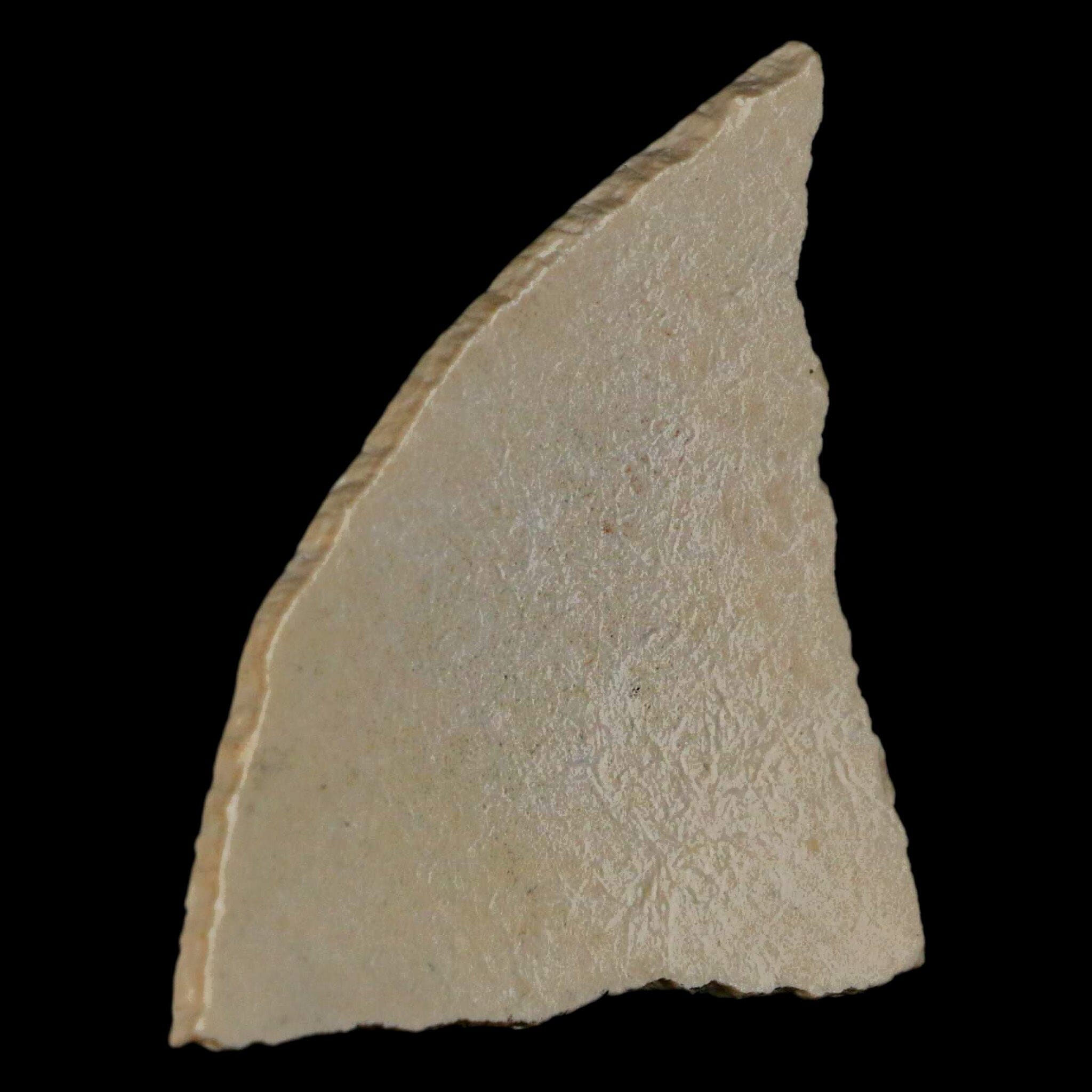
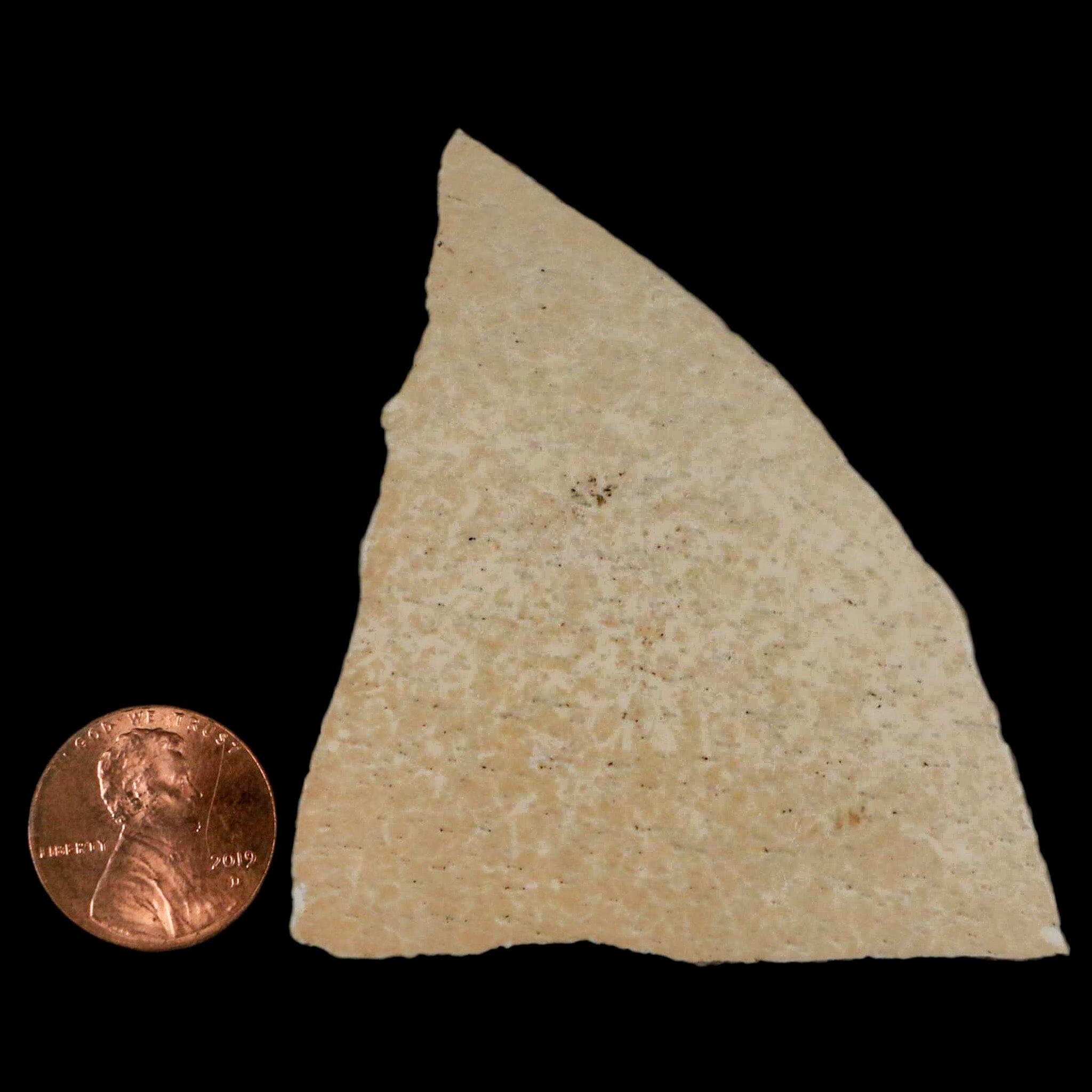




Description
Location: Madagascar Coast
Weight: 0.8 Ounces
Dimensions: 2.4 Inches Long, 2.3 Inches Wide, 0.15 Inches Thick
Comes with a Certificate of Authenticity.
The item pictured is the one you will receive.
Lived during the Late Pleistocene and Holocene epochs. They are thought to have existed from around 43,000 years ago until their extinction approximately around 1000–1200 CE.
The Elephant Bird, scientifically named Aepyornis, was one of the most impressive creatures ever to inhabit Madagascar. These massive, flightless birds stood up to three meters tall (around 10 feet) and weighed more than 500 kilograms (over 1,100 pounds). They are most famous for their gigantic eggs, the largest known from any land animal. Some of these eggs reached volumes of 1.9 gallons (7 liters), far surpassing those of any modern species. Today, their fossilized eggshells remain among the most iconic relics of prehistoric Madagascar.
Size and Structure
Elephant bird eggshells are distinguished by their remarkable thickness and sturdy build, typically measuring about 3.3 mm in larger specimens. This heavy, resilient shell was essential for supporting and protecting the developing giant embryo inside. The dense texture and natural curvature of Aepyornis eggshells often resemble hand-crafted ceramics, giving each fragment a visually striking and highly collectible appearance.
Preservation and Research
In Madagascar’s coastal landscapes, fossilized Elephant Bird eggshells are found scattered across dunes and ancient deposits. Their robust structure allows them to withstand conditions that usually destroy bone, making eggshells one of the best-preserved remnants of this extinct species. Because of this durability, they have become a valuable resource in scientific research. Recent breakthroughs have shown that ancient DNA can be extracted from the shells, offering an unprecedented look into Aepyornis genetics, population diversity, and evolutionary relationships.
Diet and Ecology
Stable isotope tests performed on Elephant Bird eggshells have revealed important information about the diet and habitat preferences of these giant birds. Variations in isotopic values indicate whether different species fed mainly on grasses, woody plants, or succulent vegetation. These findings help researchers reconstruct Madagascar’s ancient ecosystems and understand how Elephant Birds occupied distinct ecological niches across the island.
Extinction Factors
The disappearance of the Elephant Bird is strongly associated with human arrival in Madagascar roughly 2,000 years ago. Archaeological and environmental evidence suggests that hunting pressure, along with habitat modification, played significant roles in their rapid decline. Most Elephant Bird populations are believed to have vanished around 1,000 years ago, leaving behind only their eggshells and limited fossil remains. Today, these shells serve as rare and tangible connections to one of the world’s most fascinating extinct animals.
