

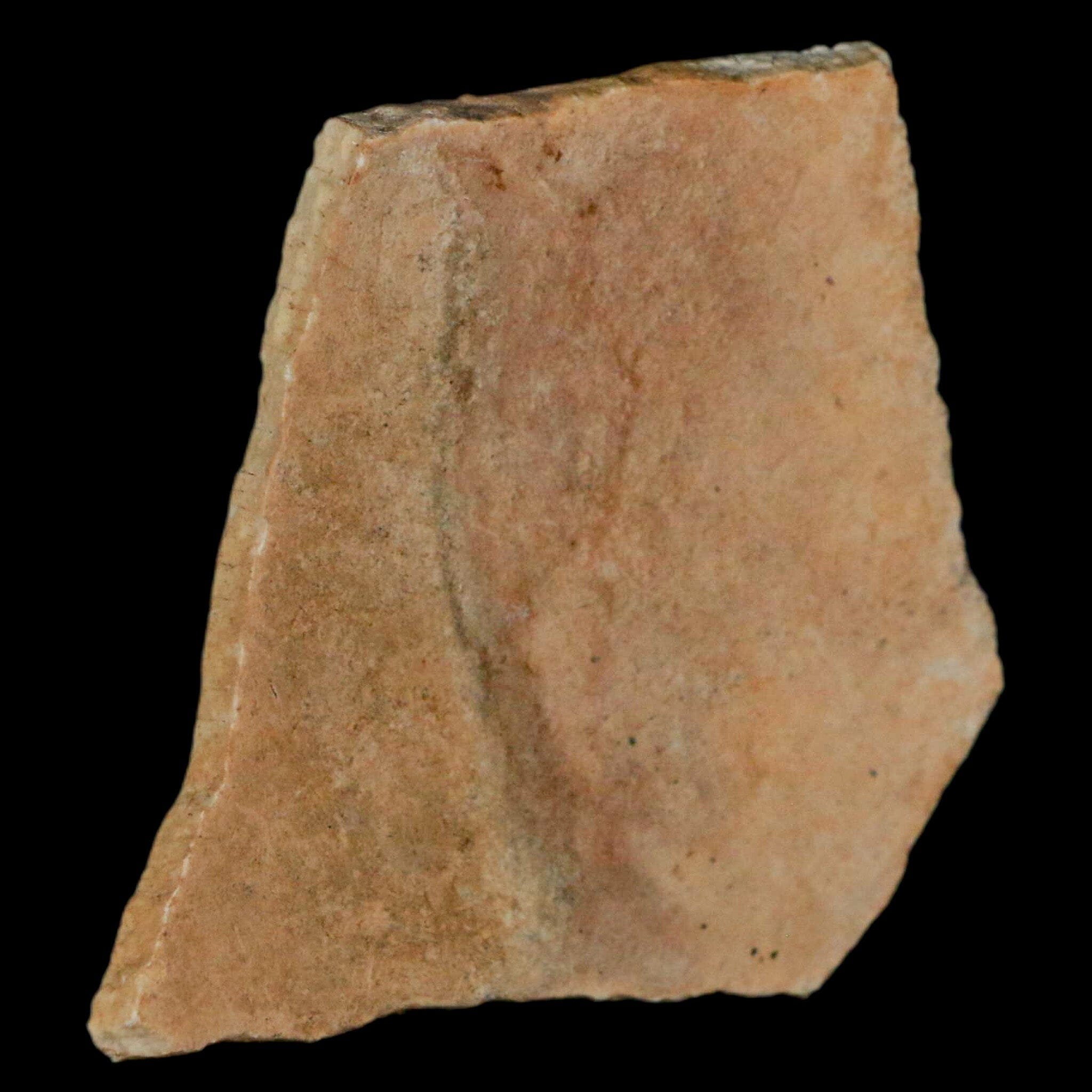
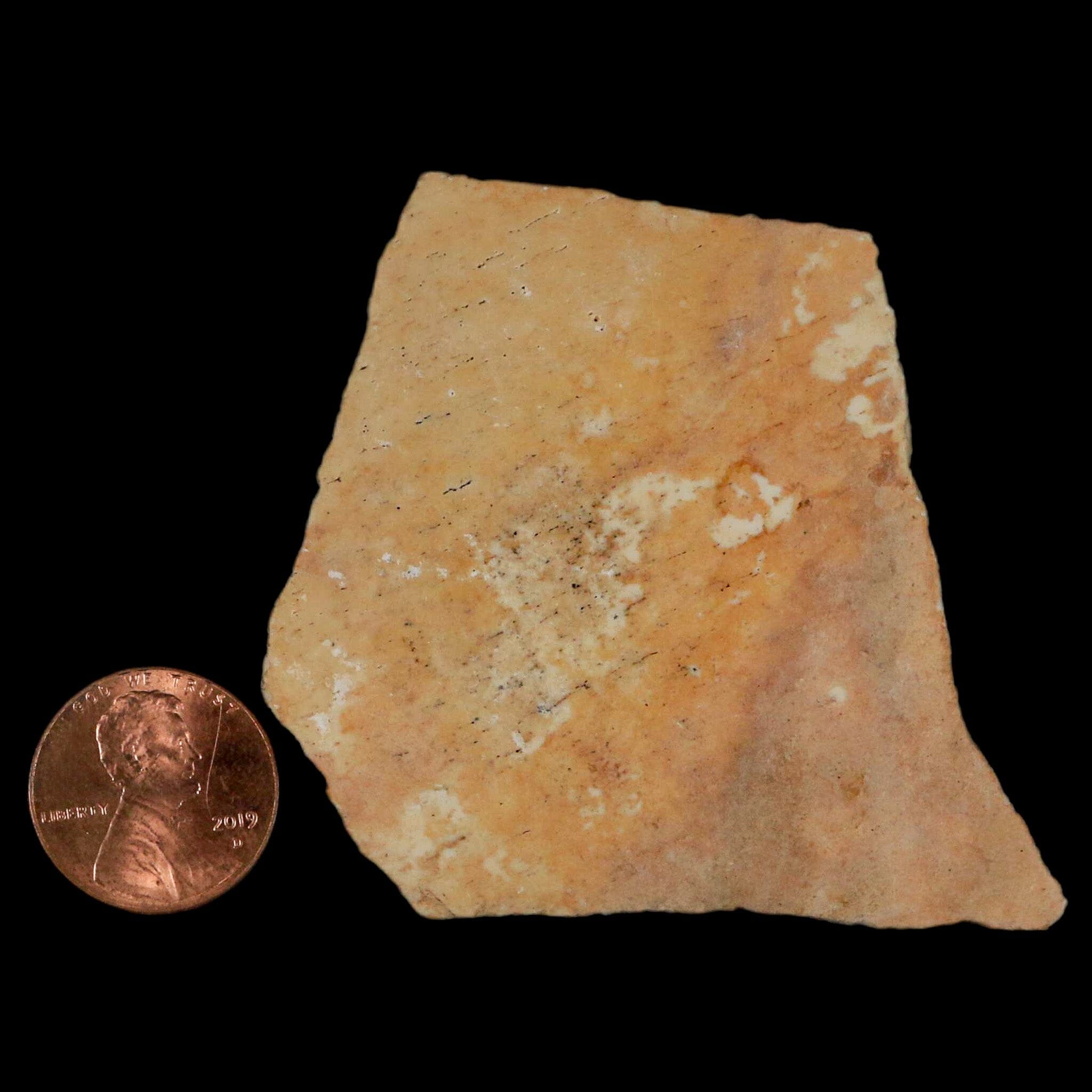

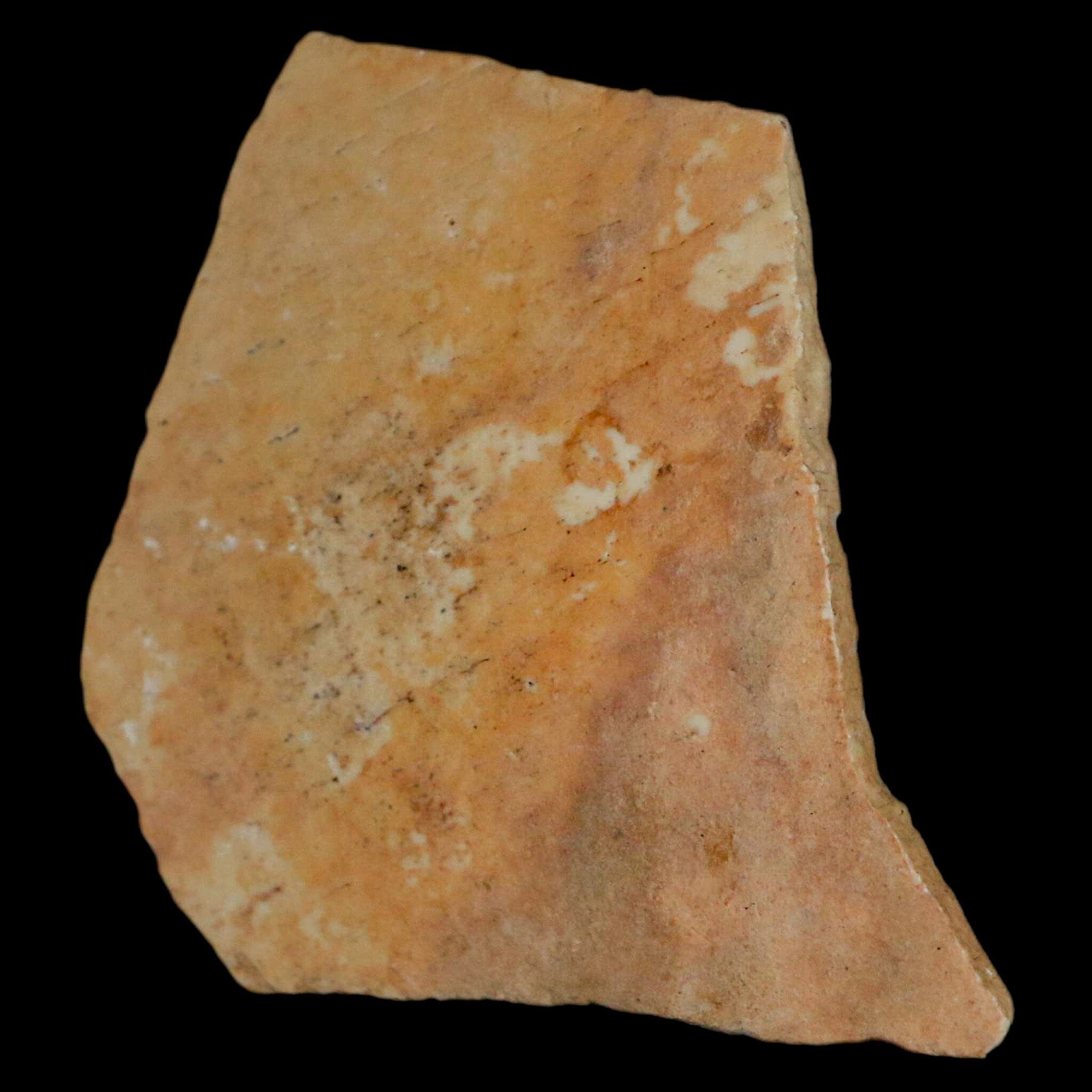

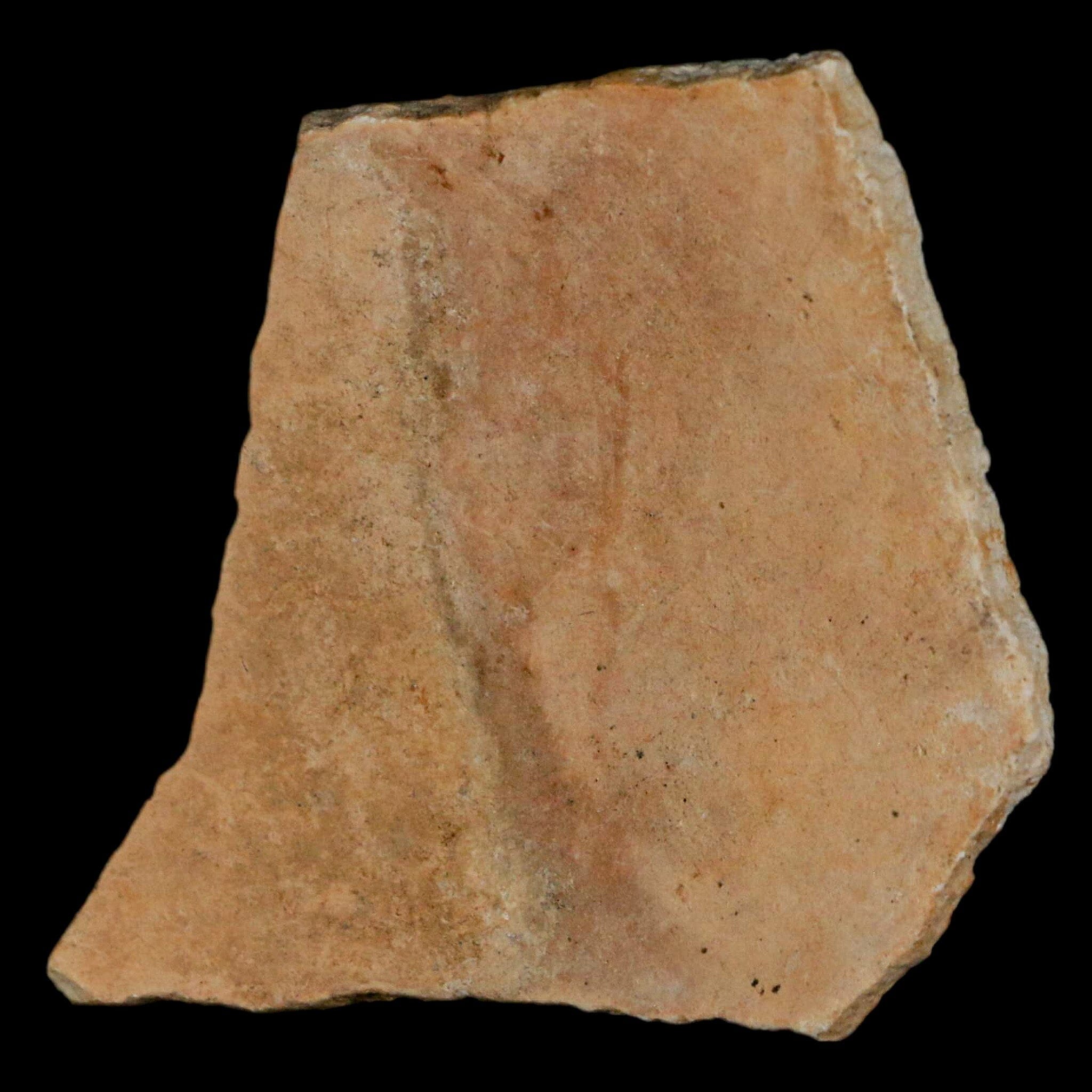


Description
Location: Madagascar Coast
Weight: 0.8 Ounces
Dimensions: 2.4 Inches Long, 2.2 Inches Wide, 0.15 Inches Thick
Comes with a Certificate of Authenticity.
The item pictured is the one you will receive.
Lived during the Late Pleistocene and Holocene epochs. They are thought to have existed from around 43,000 years ago until their extinction approximately around 1000–1200 CE.
The Elephant Bird, scientifically known as Aepyornis, was an extraordinary genus of giant flightless birds that once inhabited Madagascar. Famous for their impressive size, some species grew to heights of up to three meters (around 10 feet) and weighed over 500 kilograms (1,100 pounds). What sets these prehistoric giants apart is their enormous eggs, the largest ever produced by any terrestrial animal. With a capacity of up to 1.9 gallons (7 liters), these eggs far exceed the size of any modern bird’s eggs and stand as remarkable relics of Earth’s past.
Size and Structure
Elephant bird eggshells are notable for their exceptional thickness, typically measuring about 3.3 mm in larger specimens. This sturdy construction was crucial for safeguarding the developing embryo inside such an enormous egg. Their durability and rigid composition often lead to comparisons with handcrafted pottery, reflecting both their strength and distinctive texture. These features make Aepyornis eggshell fragments highly appealing to fossil collectors, educators, and natural history enthusiasts.
Preservation and Research
Fossilized Elephant Bird eggshells are commonly found scattered across Madagascar, particularly in coastal areas where they emerge from dunes and sandy deposits. Unlike skeletal remains, which rarely survive in the island’s humid environment, eggshells provide incredibly reliable preservation. Their robust structure has allowed researchers to successfully recover ancient DNA, shedding light on the evolution, lineage diversity, and biological history of Aepyornis. These shells remain one of the most valuable sources of scientific information on this iconic species.
Diet and Ecology
Through stable isotope analysis, scientists have gained important insights into the dietary habits and ecological roles of Elephant Birds. The chemical signatures locked within the eggshells reveal whether individual species primarily consumed grasses, shrubs, or succulents. This information helps reconstruct Madagascar’s ancient landscapes and illustrates how these giant birds adapted to different ecological niches across the island.
Extinction Factors
The extinction of the Elephant Bird is closely associated with the arrival of humans in Madagascar approximately 2,000 years ago. Evidence points toward hunting, habitat alteration, and other human-driven pressures as major contributors to their decline. Most populations likely disappeared around 1,000 years ago, leaving their massive eggshells as some of the last traces of these magnificent birds. Today, these fossils serve as striking reminders of a lost chapter in Madagascar’s natural history.
