
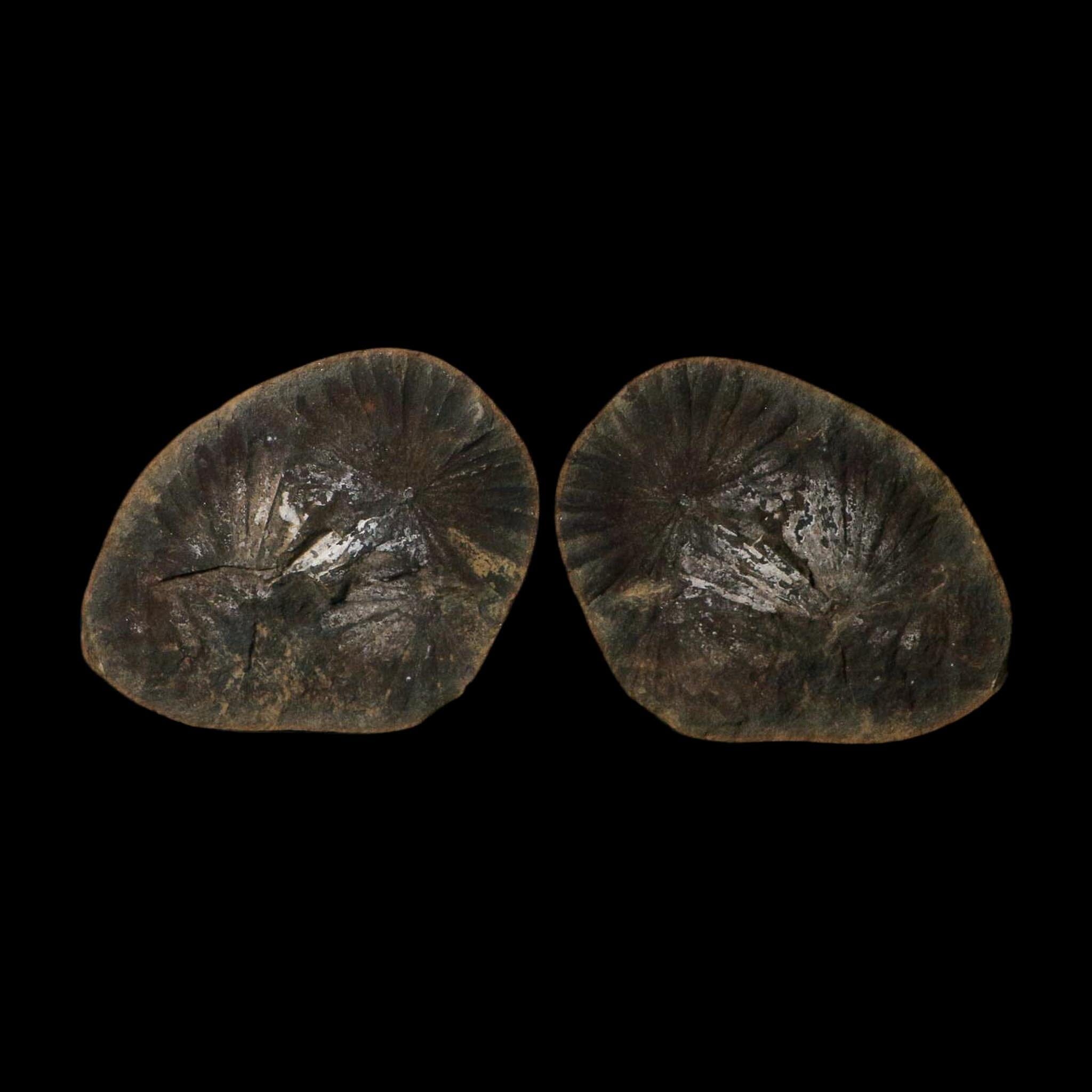
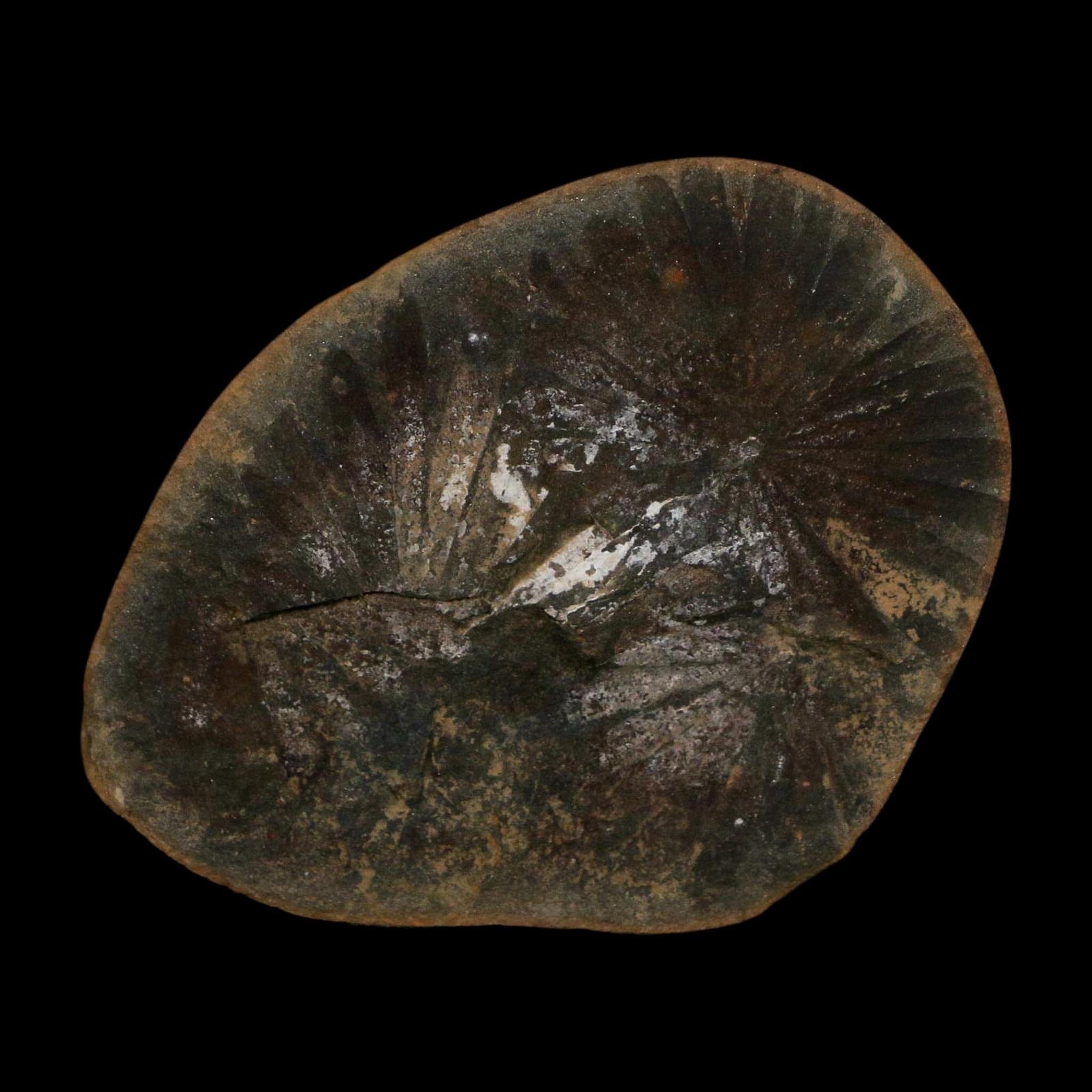
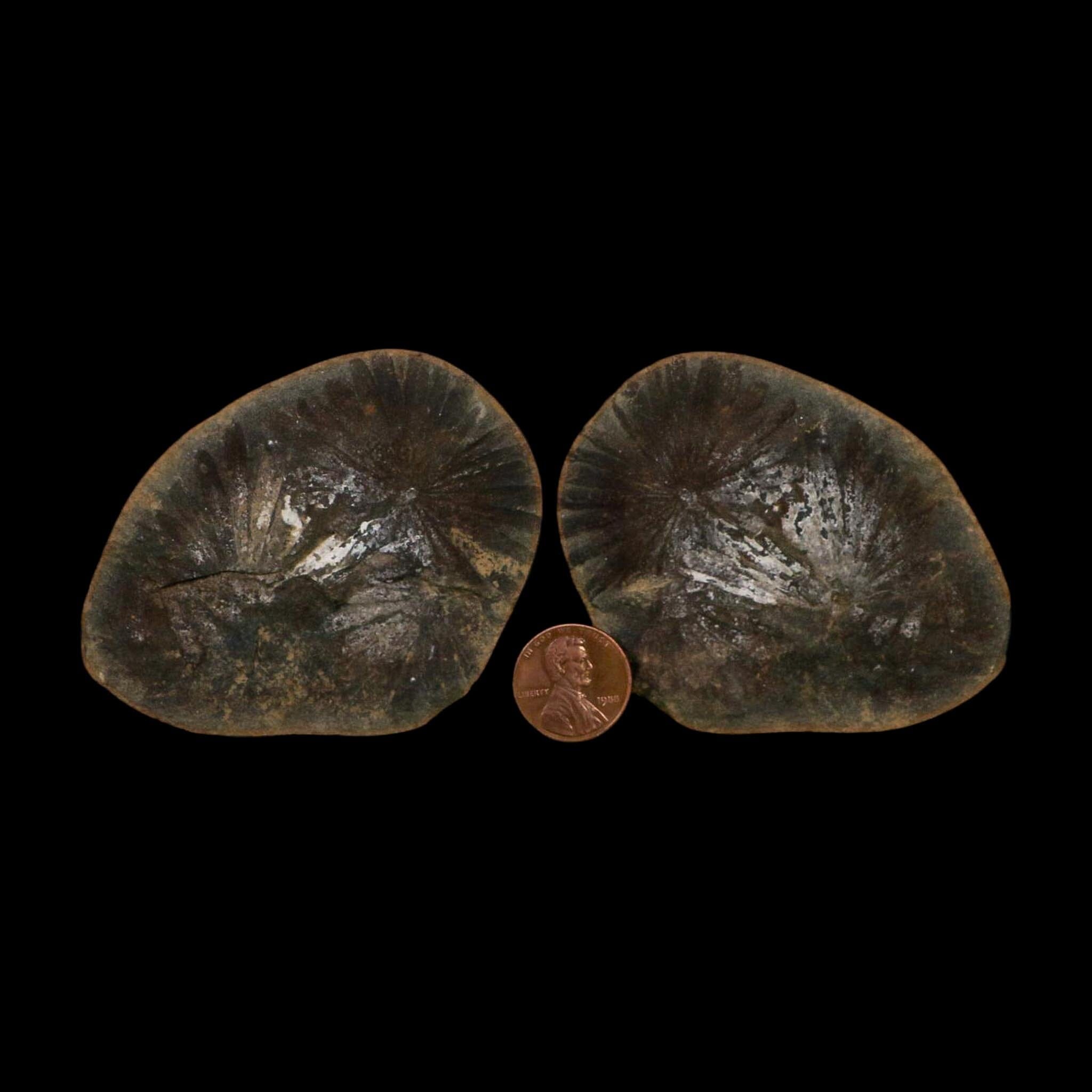
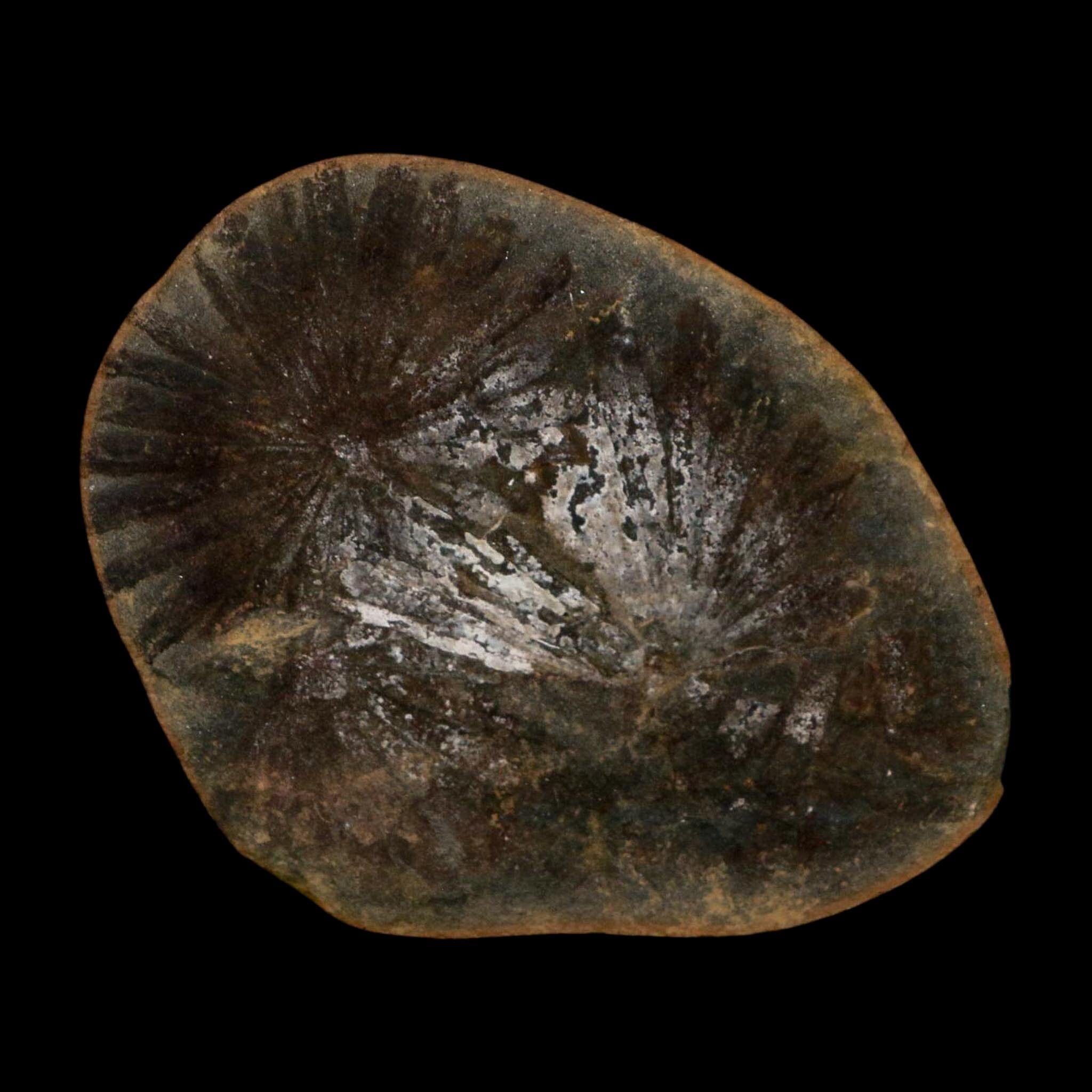


Description
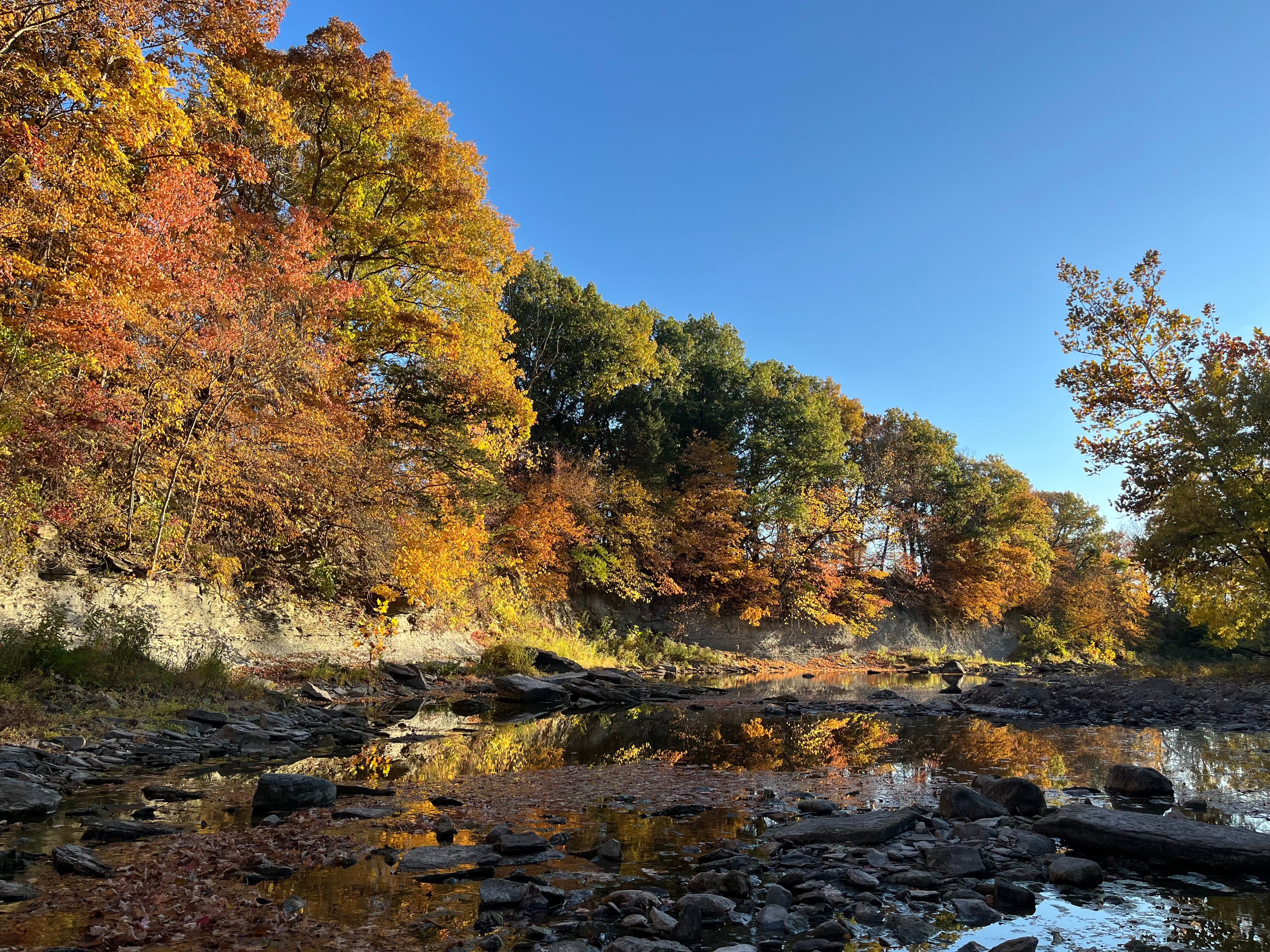
Location: Francis Creek Shale Formation, Illinois
Weight: 6 Ounces
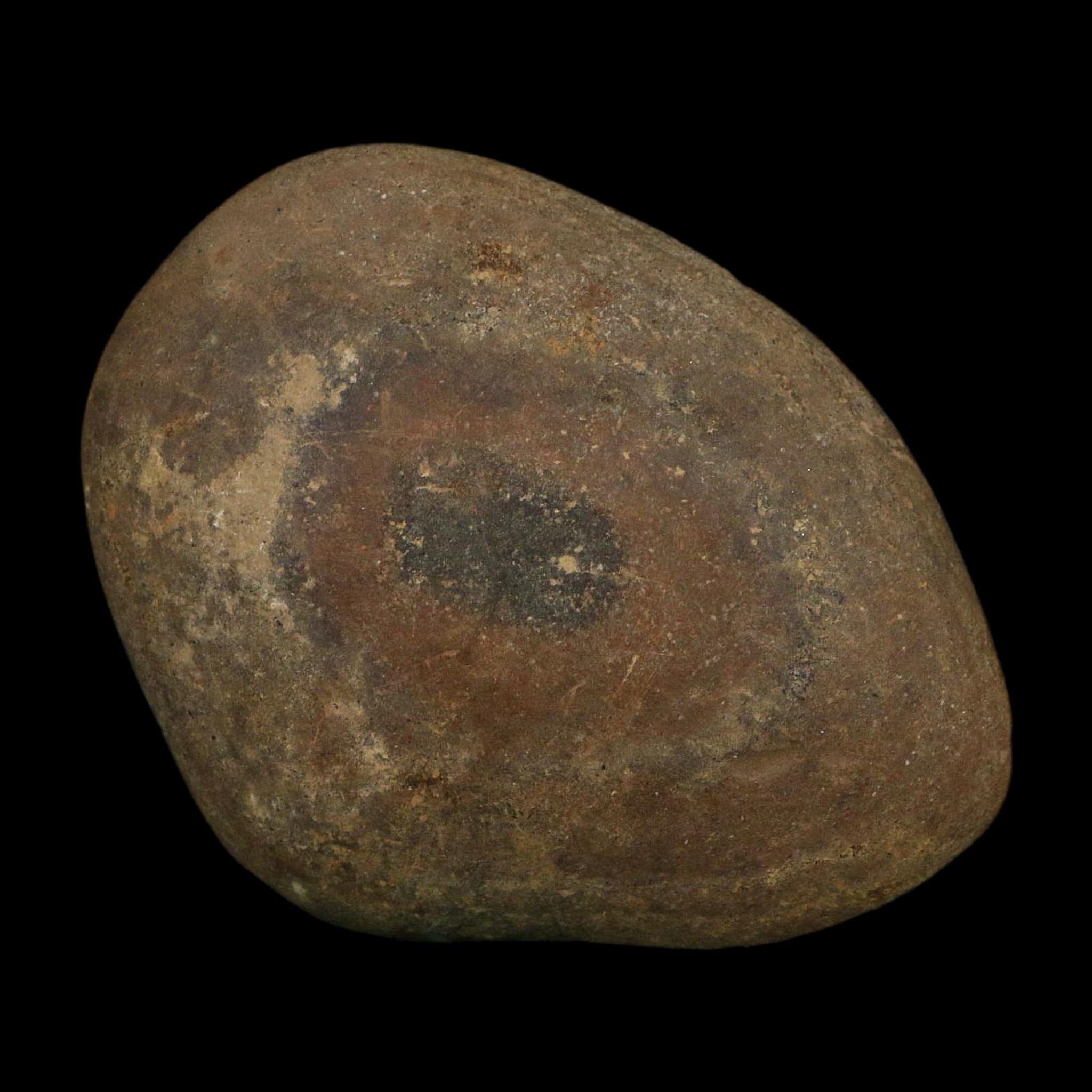
Dimensions: 2.9 Inches Long, 2.3 Inches Wide, 0.9 Inches Thick (Nodule)
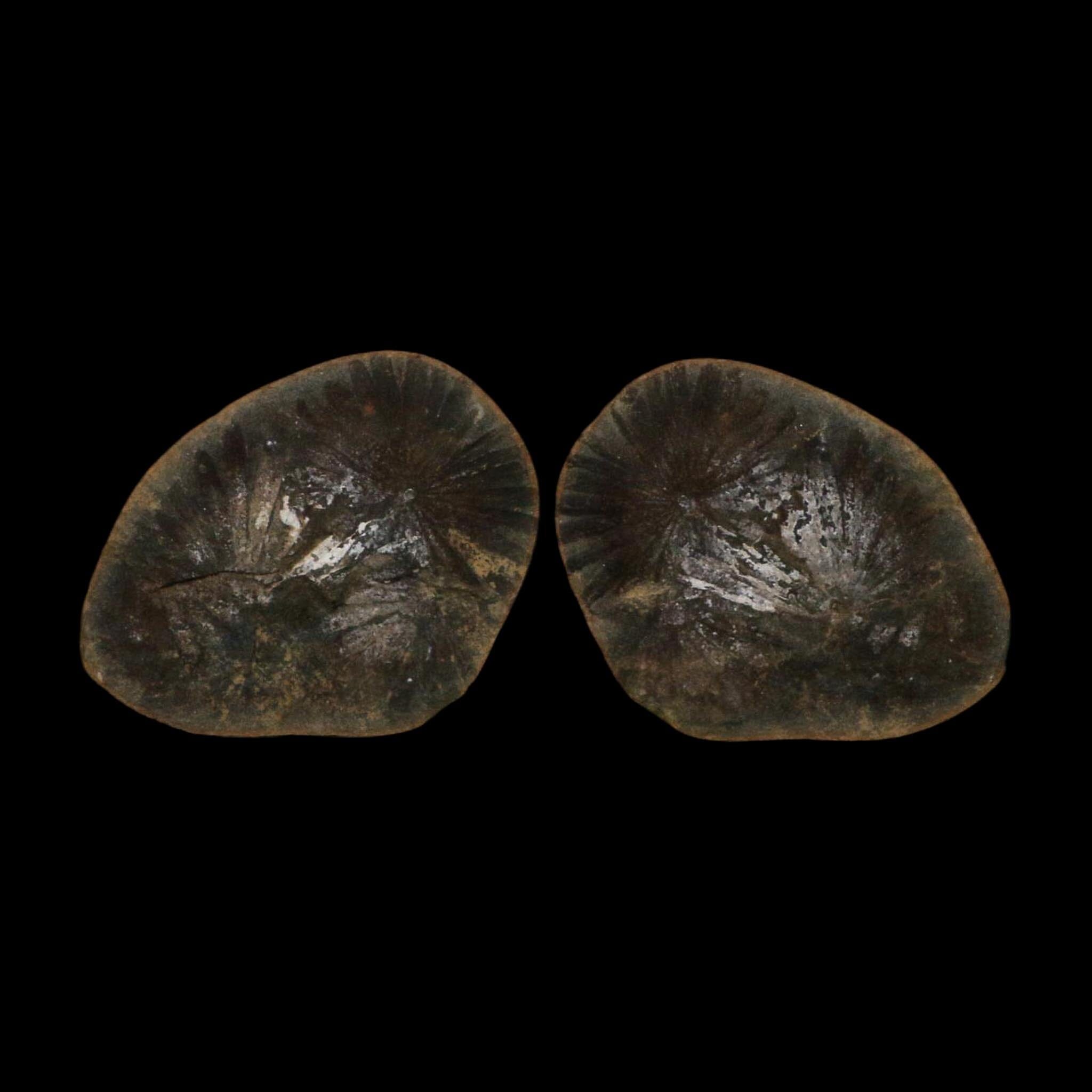
Leaf Dimensions: 2.4 Inches Long, 2.3 Inches Wide
The item pictured is the one you will receive.
Annularia Fossil Leaves
The Mazon Creek fossils date back to the Pennsylvanian sub-period (roughly 307 million years ago). During this time, the area was a tropical delta environment. When leaves fell into the water, they were rapidly buried in silt and clay.
The unique chemistry of the sediment—specifically the formation of siderite (iron carbonate) nodules—created a "time capsule" around the plant material. As the plant decayed, it left behind a perfect impression (or a carbon film) inside the stone.
You will rarely find a whole tree; instead, you will find fragments of the lush swamp forests that once covered Illinois. Common finds include:
- Pecopteris: The most common fern-like leaf. It has small, rounded leaflets attached to a central stem.
- Neuropteris: A "seed fern" (Pteridosperm). These leaves are often larger and have a distinct, smooth, tongue-shaped leaflet.
- Alethopteris: Another seed fern, characterized by leaflets that are fused to the stem at the base.
- Annularia / Calamites: These aren't leaves in the traditional sense, but whorls of needle-like leaves that grew around the stems of giant horsetail trees.
- Lepidodendron (Scale Trees): While these are technically bark impressions, they are often mistaken for leaves. They look like a diamond-shaped grid pattern.
Mazon Creek fossils are almost exclusively found inside ironstone nodules.
- The "Split": When you find a nodule, you have to split it open. If you are lucky, the nodule will crack perfectly along the plane where the leaf was trapped, revealing the fossil on one side and the "mold" on the other.
- Freeze-Thaw Method: Collectors often take unopened nodules home and put them through several cycles of freezing and thawing. This causes the internal stress of the rock to crack it open along the weakest point—usually the fossil line.
